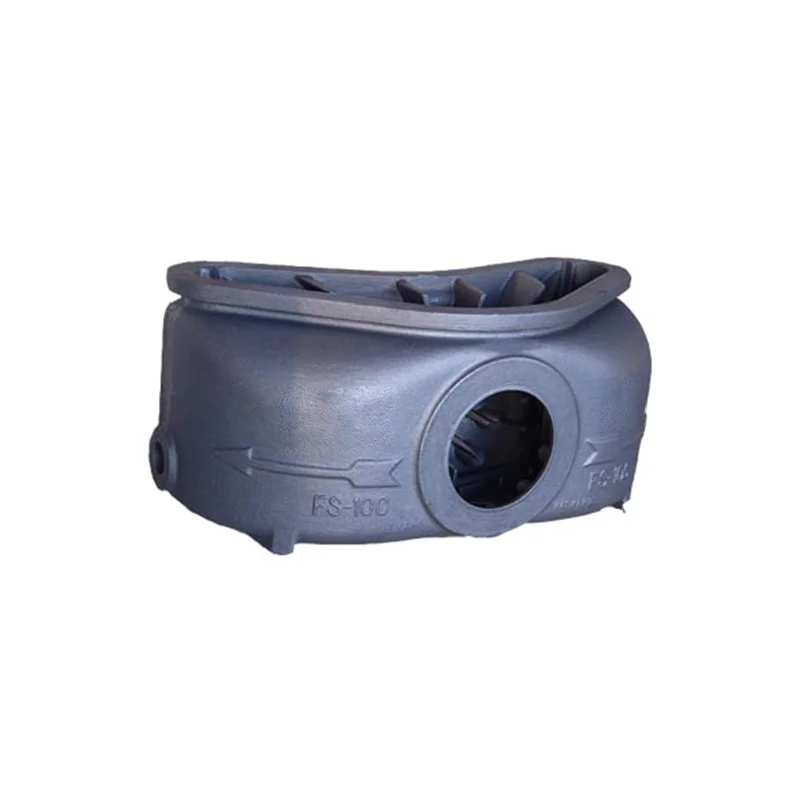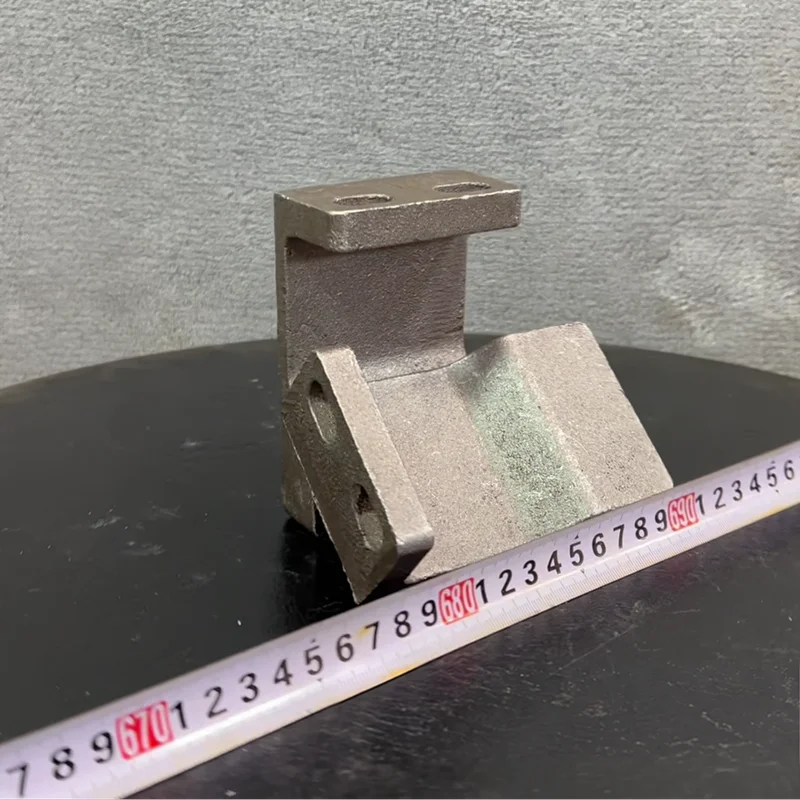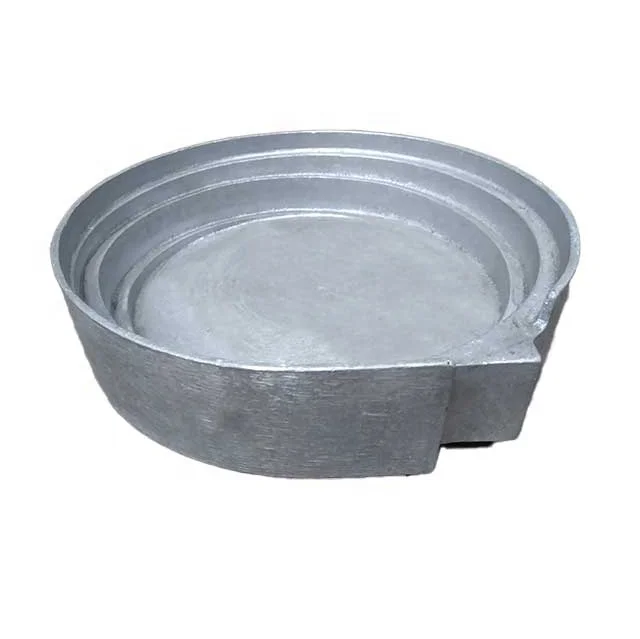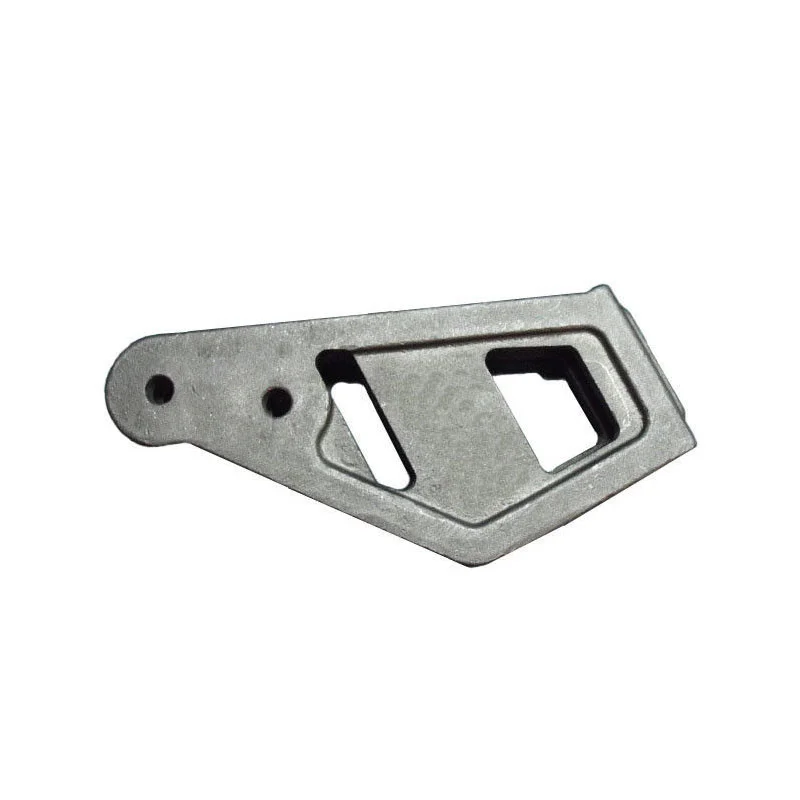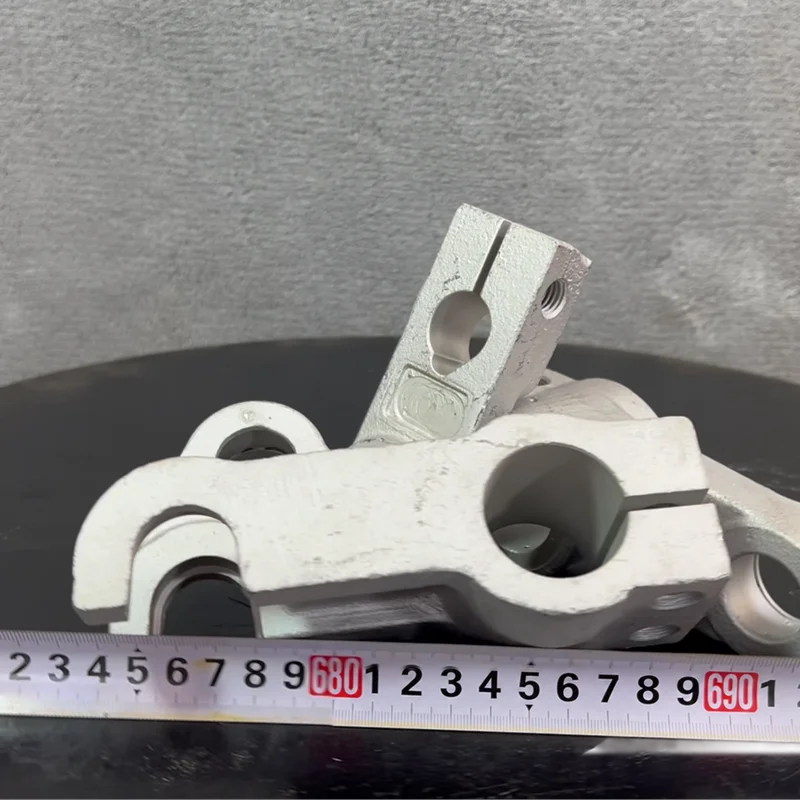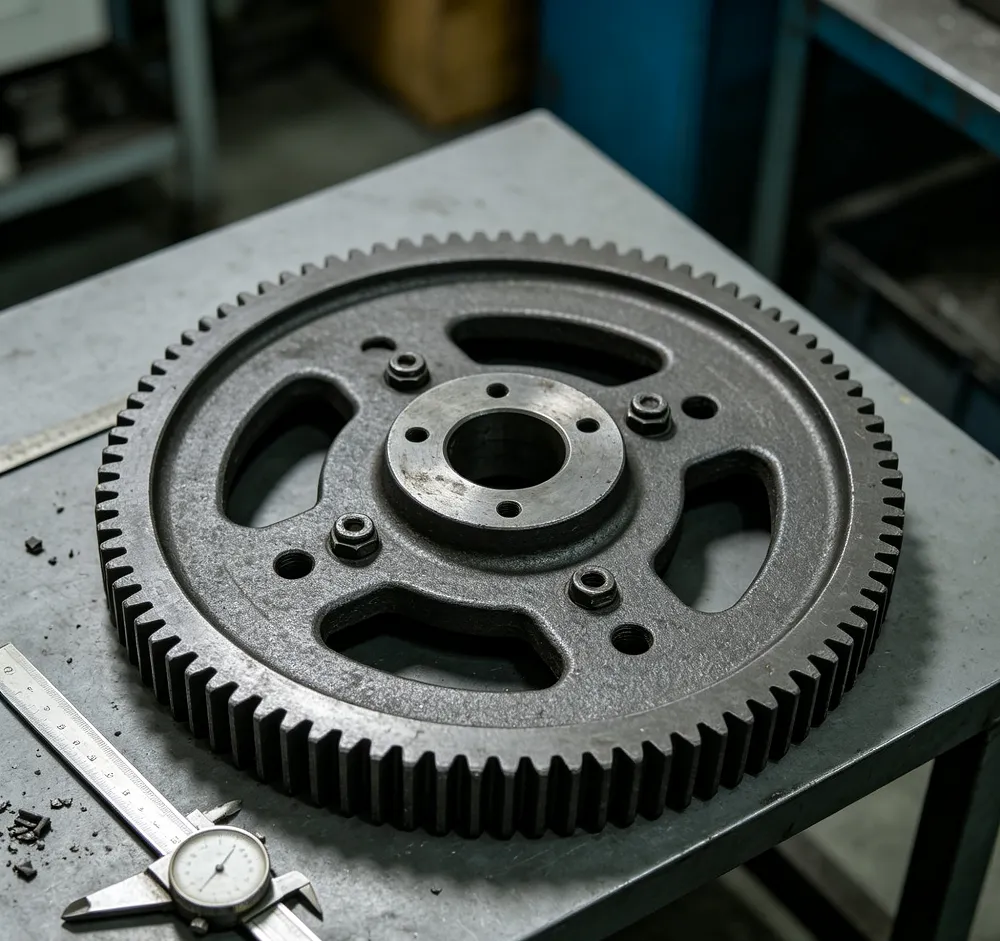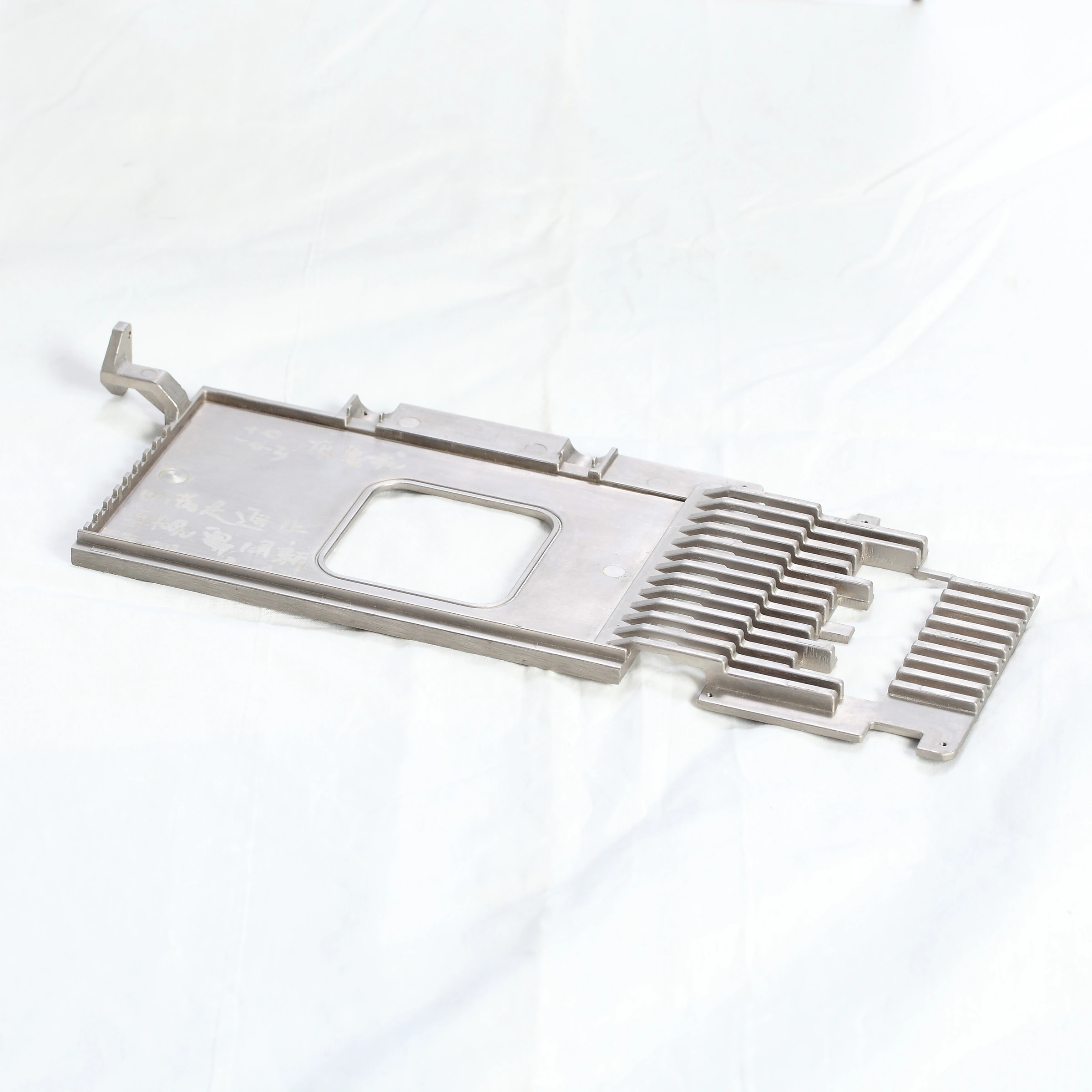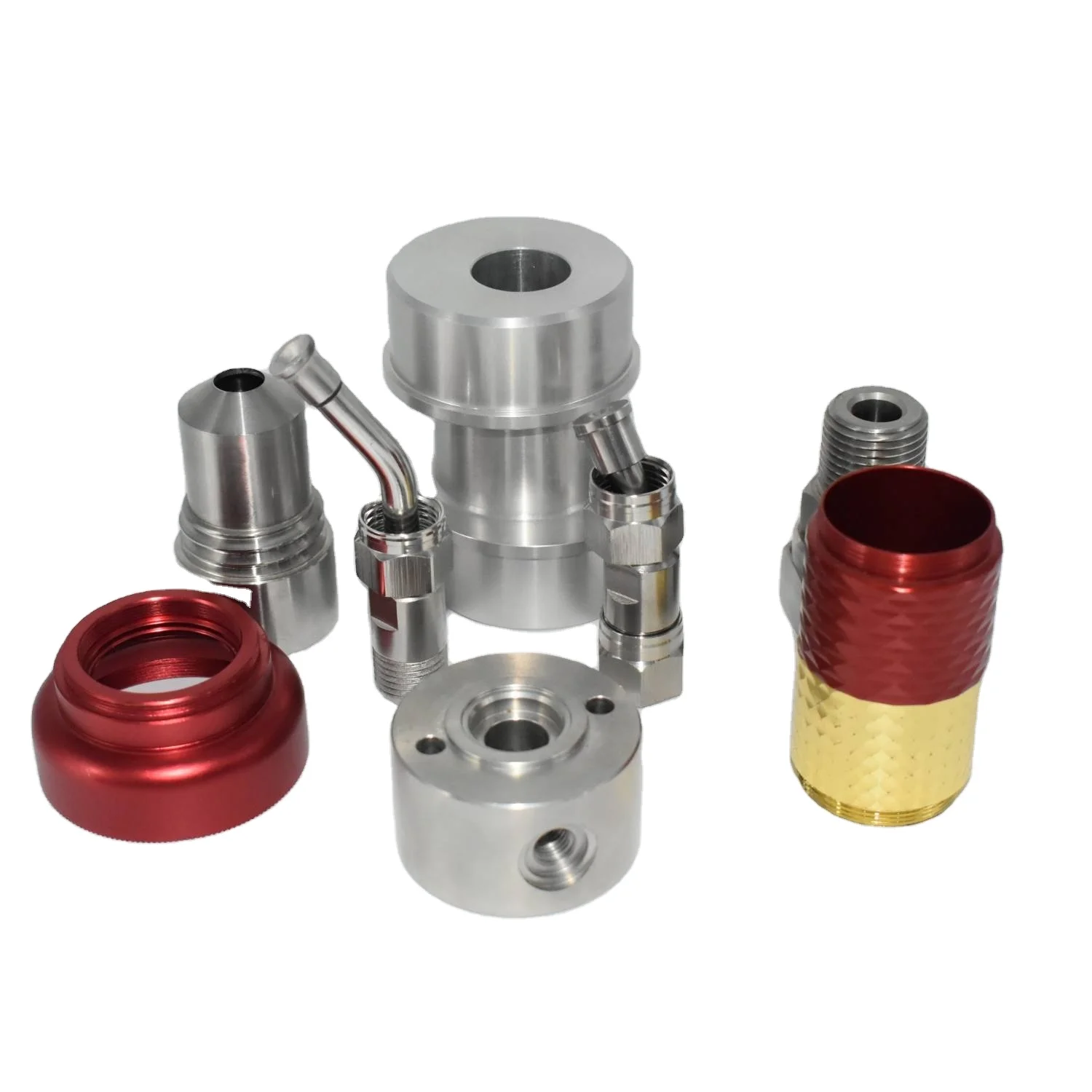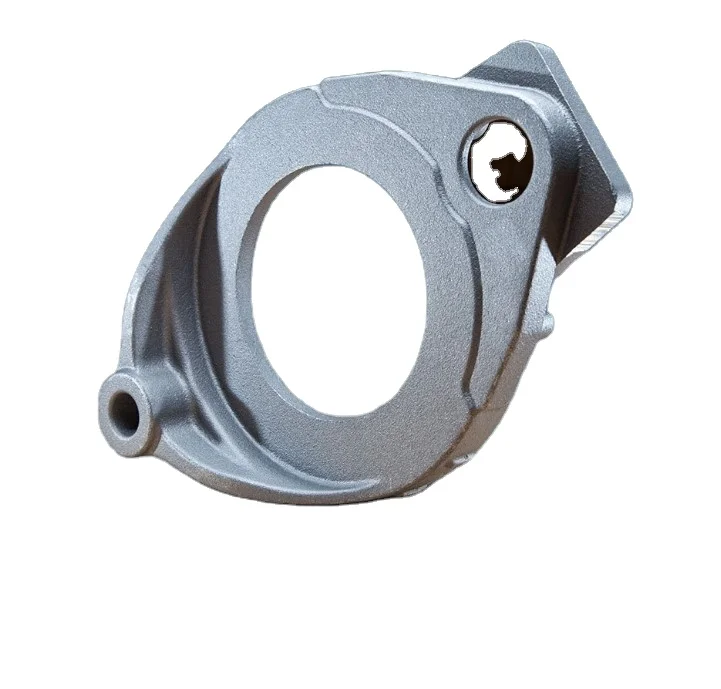
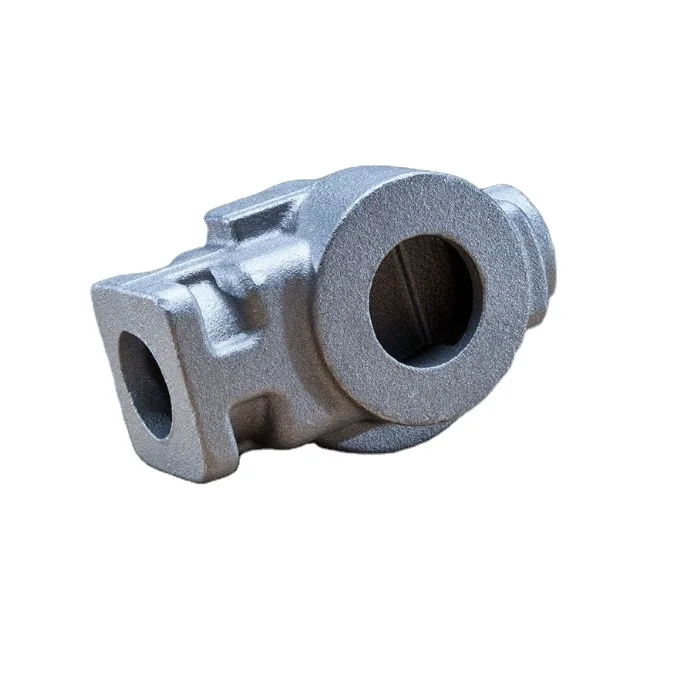
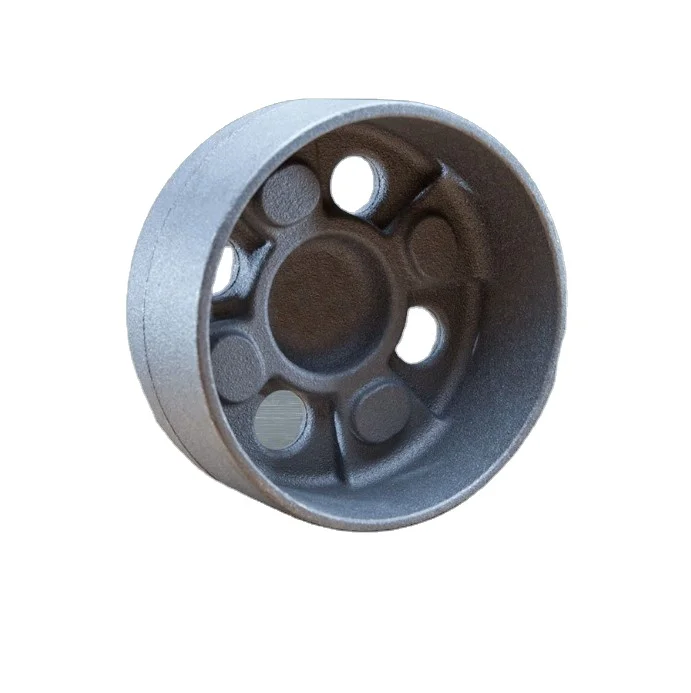
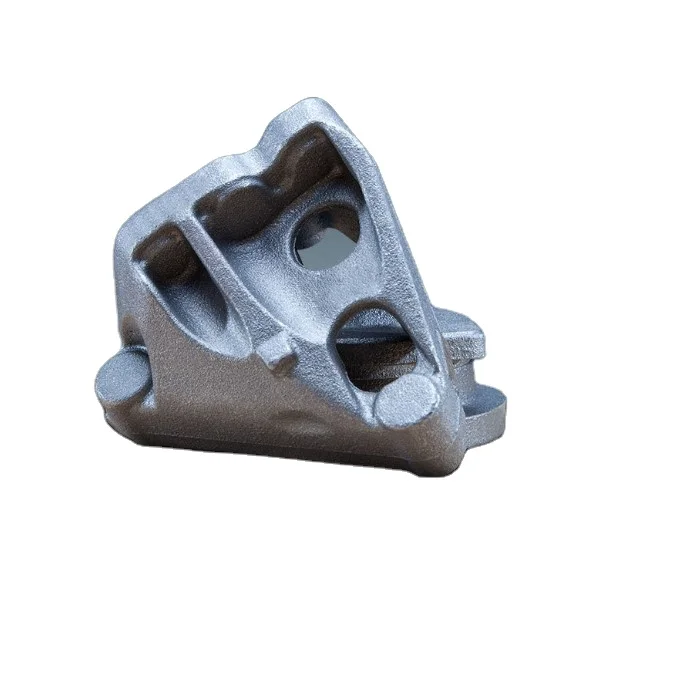
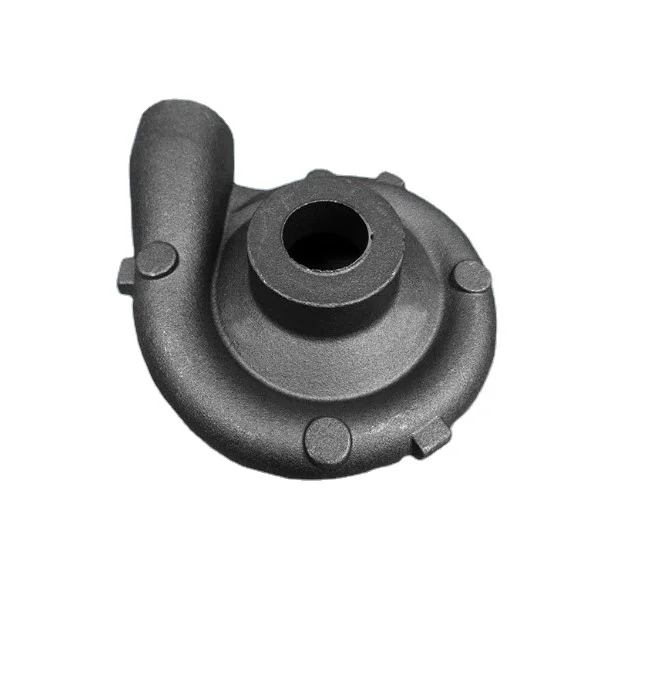
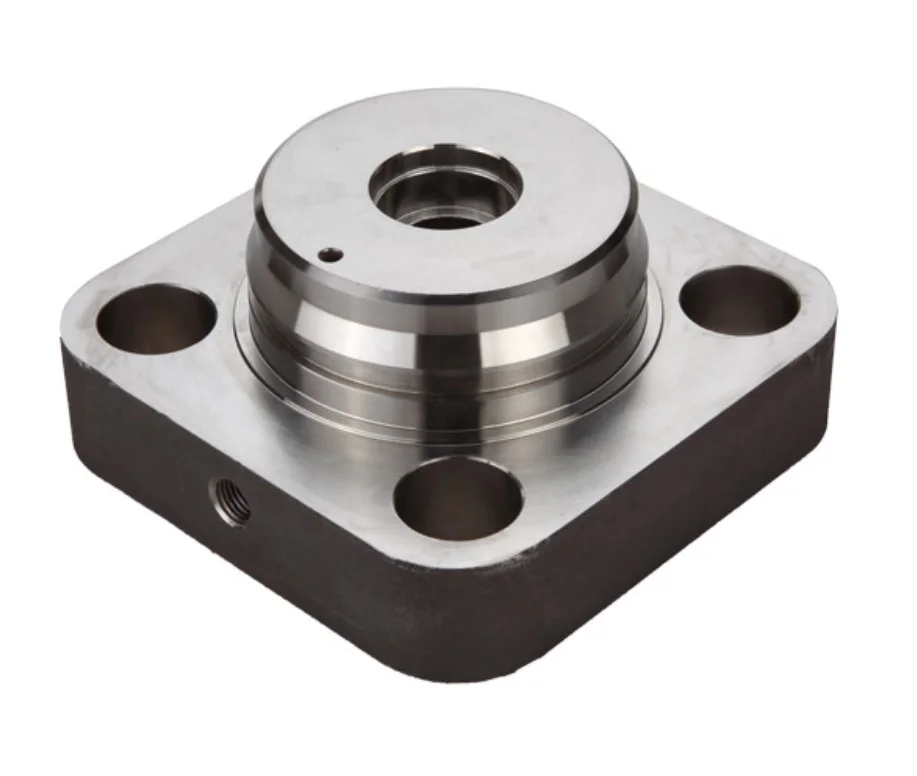
OEM ODM Gray Ductile Iron Custom Sand Casting Parts Optional Machining Surface Treatment ISO9001 TS16949 Scope Enquiries
Direct factory support
Get a quote that fits your project
Send your drawing or product reference, material grade and required quantity. Relia will review the requirements with you.
- Drawing & specification review
Confirm the supply scope and critical requirements.
- Samples before custom production
Review inspected samples before approving a batch.
- Inspection documents
Agree material and dimensional records for your part.
-
Product nameCustom Casting Parts
-
StandardGB ASTM AISI DIN BSMaterialMetal
-
CertificationISO9001:2008/TS 16949ToleranceCustomer's Drawing Request
-
ProcessCasting +Machining(if Need)+surface TreatmentSurface treatmentBlasting, Polishing, Powder Coating, Zinc Plating, Chrome plating
-
ServiceOEM ODM
Custom gray-iron or ductile-iron sand castings are available for OEM/ODM enquiries with optional machining and surface treatment. Select the complete iron grade and condition for the drawing. The required component function should establish its supplied geometry and acceptance requirements.
Define the grade and governing document
Standard families include GB, ASTM, AISI, DIN and BS. Identify the complete document, edition and requirements applicable to the selected material. Specify the records needed to connect the supplied casting to that grade and condition.
Mark machining and surface boundaries
Tolerances follow the customer drawing. Show the interfaces requiring further machining, locating references and dimensions controlling assembly fit. Blasting, polishing, powder coating, zinc plating and chrome plating are named finishes; select a compatible process and define coverage, appearance and any masked contacts.
- Distinguish cast-state areas from finished working interfaces.
- State the measurement conditions used for dimensional acceptance.
- Provide quantity and the controlling component revision.
- Identify the checks and material or dimensional records needed for approval.
Establish the quality-document scope
Request applicable ISO9001:2008 and TS16949 documentation with its holder and relevant activity scope. Explain what an initial component must demonstrate against the required fit and final condition. Include the adjoining-part relationships that matter when assessing the chosen installation. Retain accepted material, machining and finish decisions with the part definition so subsequent iron castings are assessed against the same working requirements.