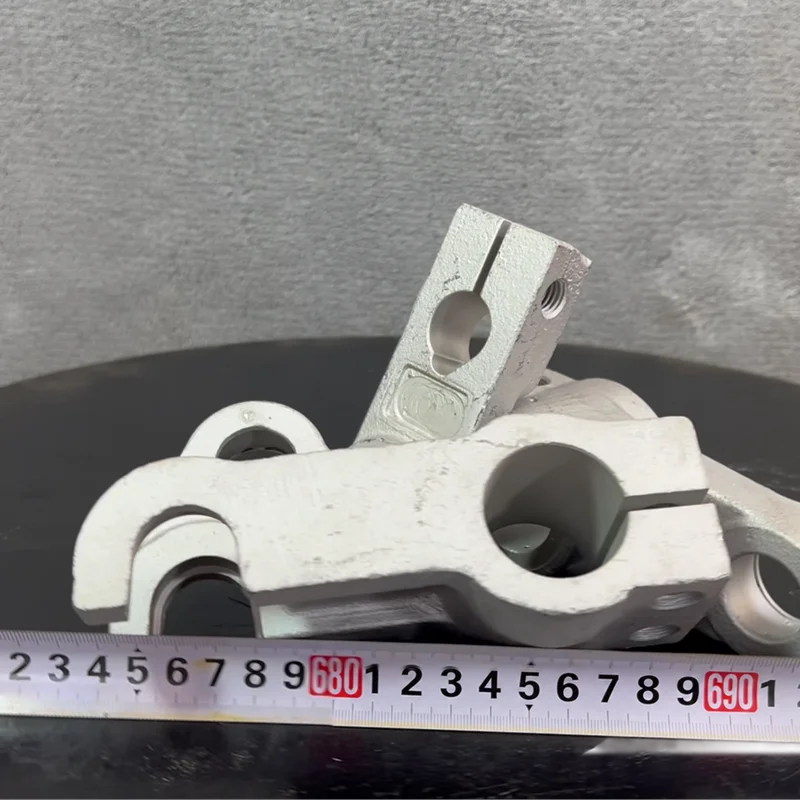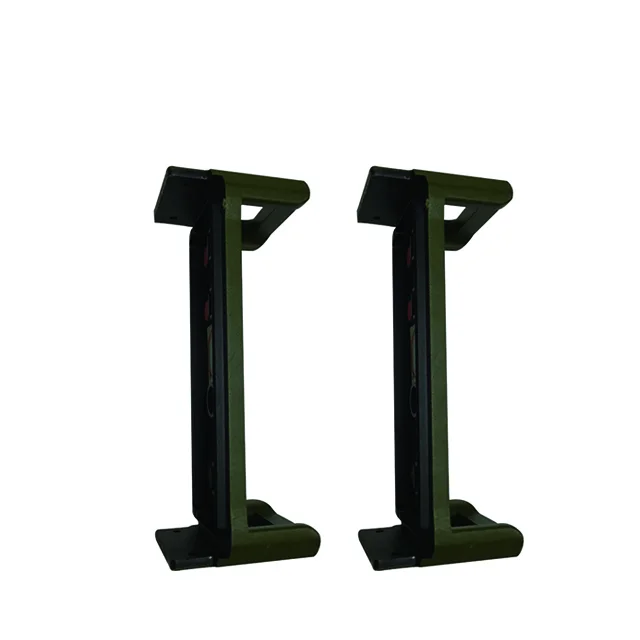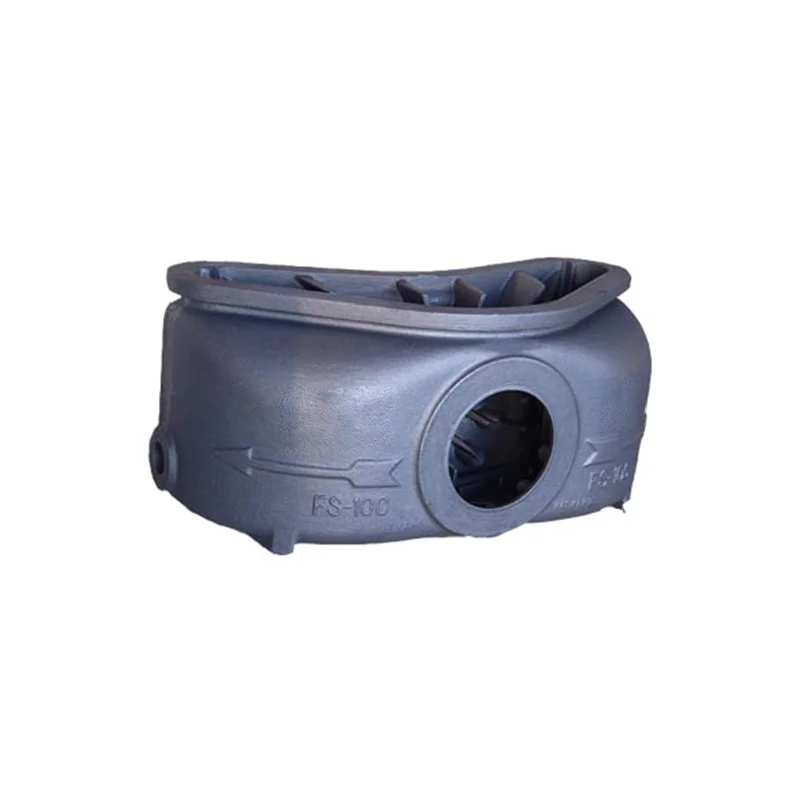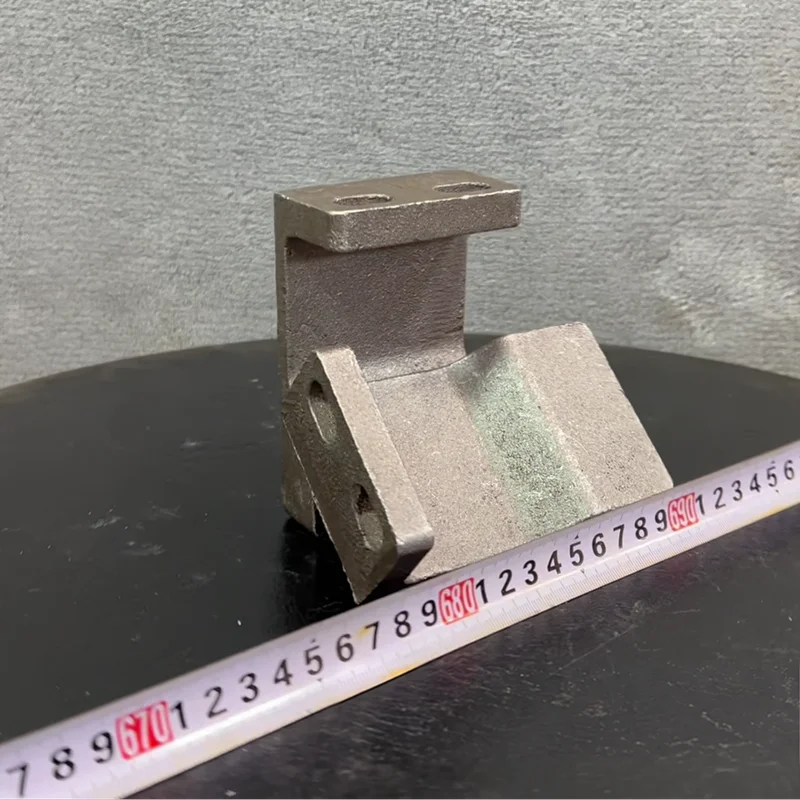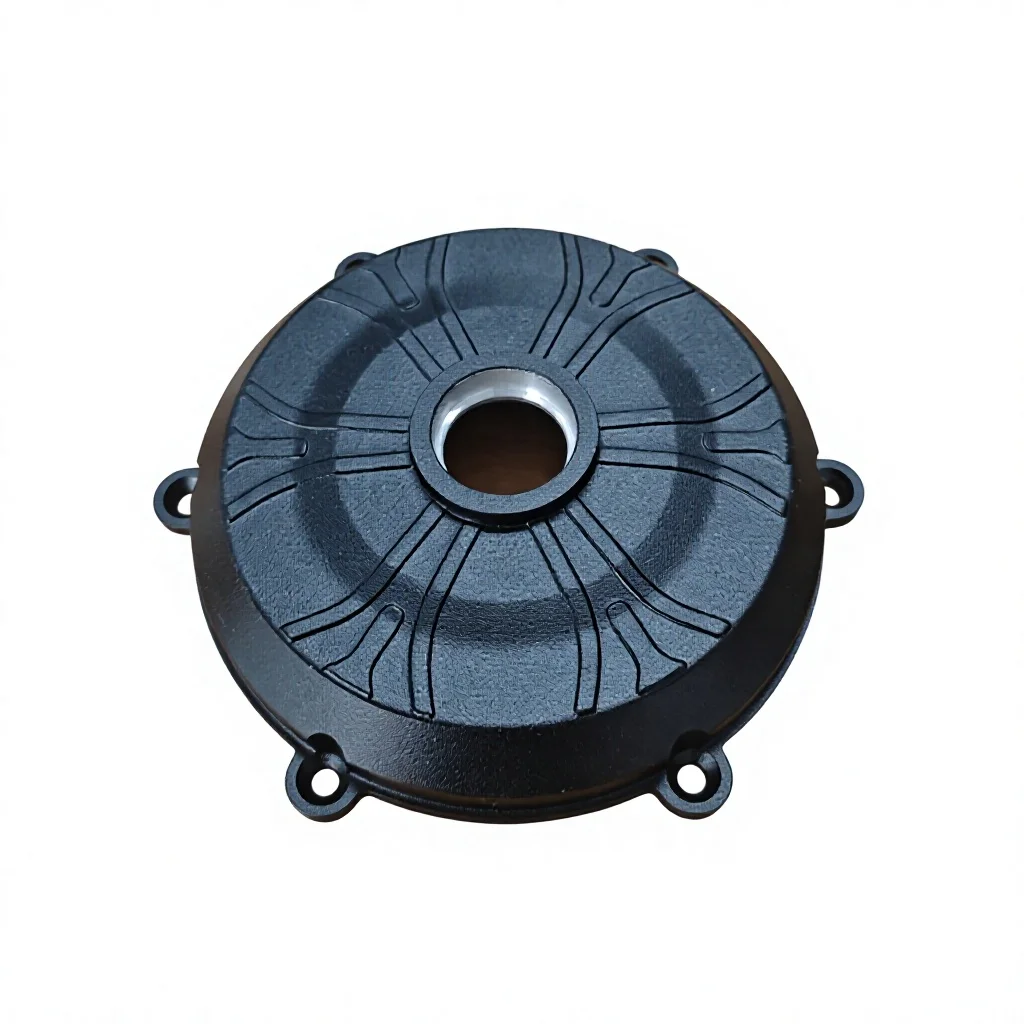
OEM Precision Aluminum Alloy Die Casting Machining Powder Coating with Separate Sand Investment Foundry Enquiries
Direct factory support
Get a quote that fits your project
Send your drawing or product reference, material grade and required quantity. Relia will review the requirements with you.
- Drawing & specification review
Confirm the supply scope and critical requirements.
- Samples before custom production
Review inspected samples before approving a batch.
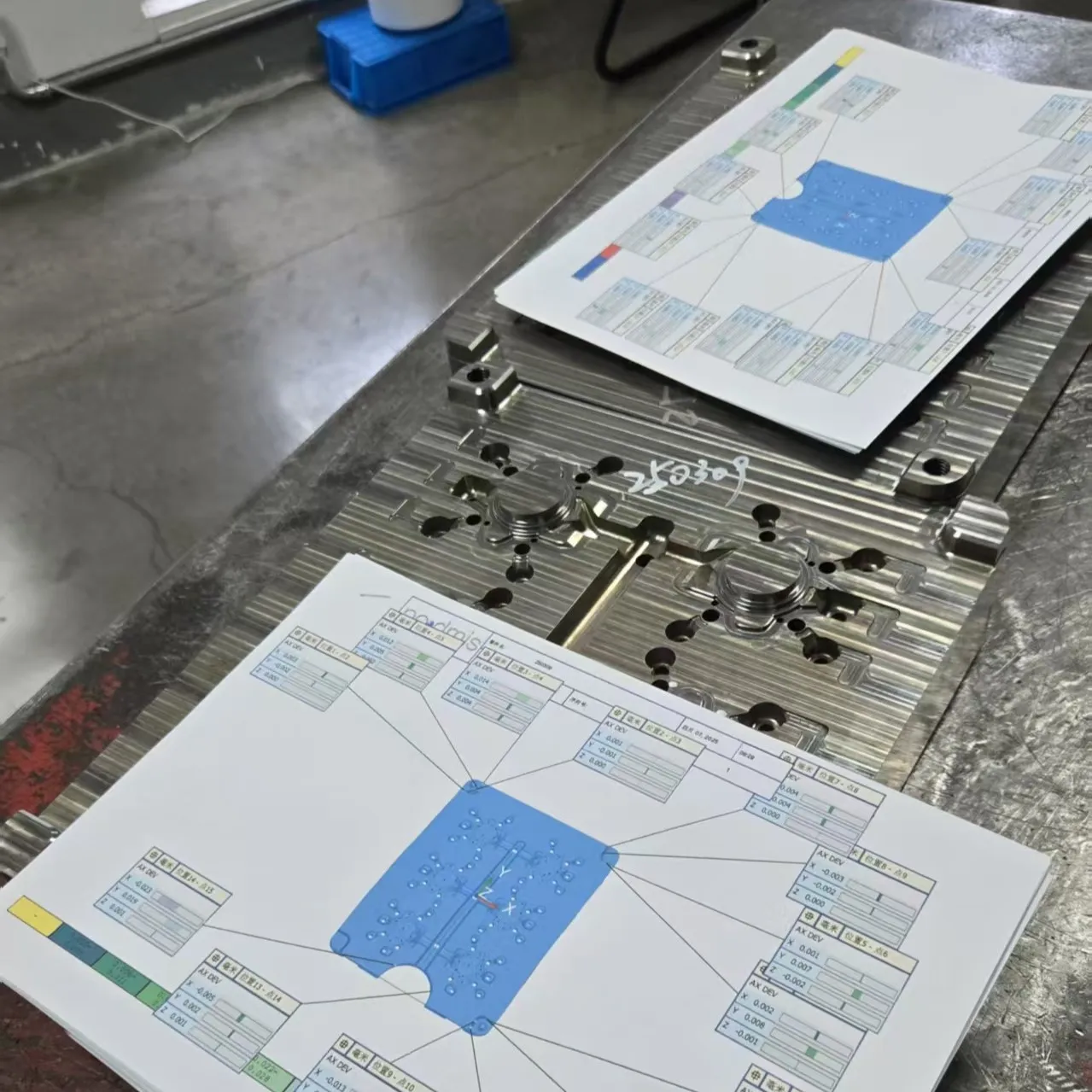
- Inspection documents
Agree material and dimensional records for your part.
-
MaterialAluminum Alloy
-
Casting MethodDie CastingProcessCasting +Machining(if Need)+surface Treatment
-
Surface treatmentPowder Coating
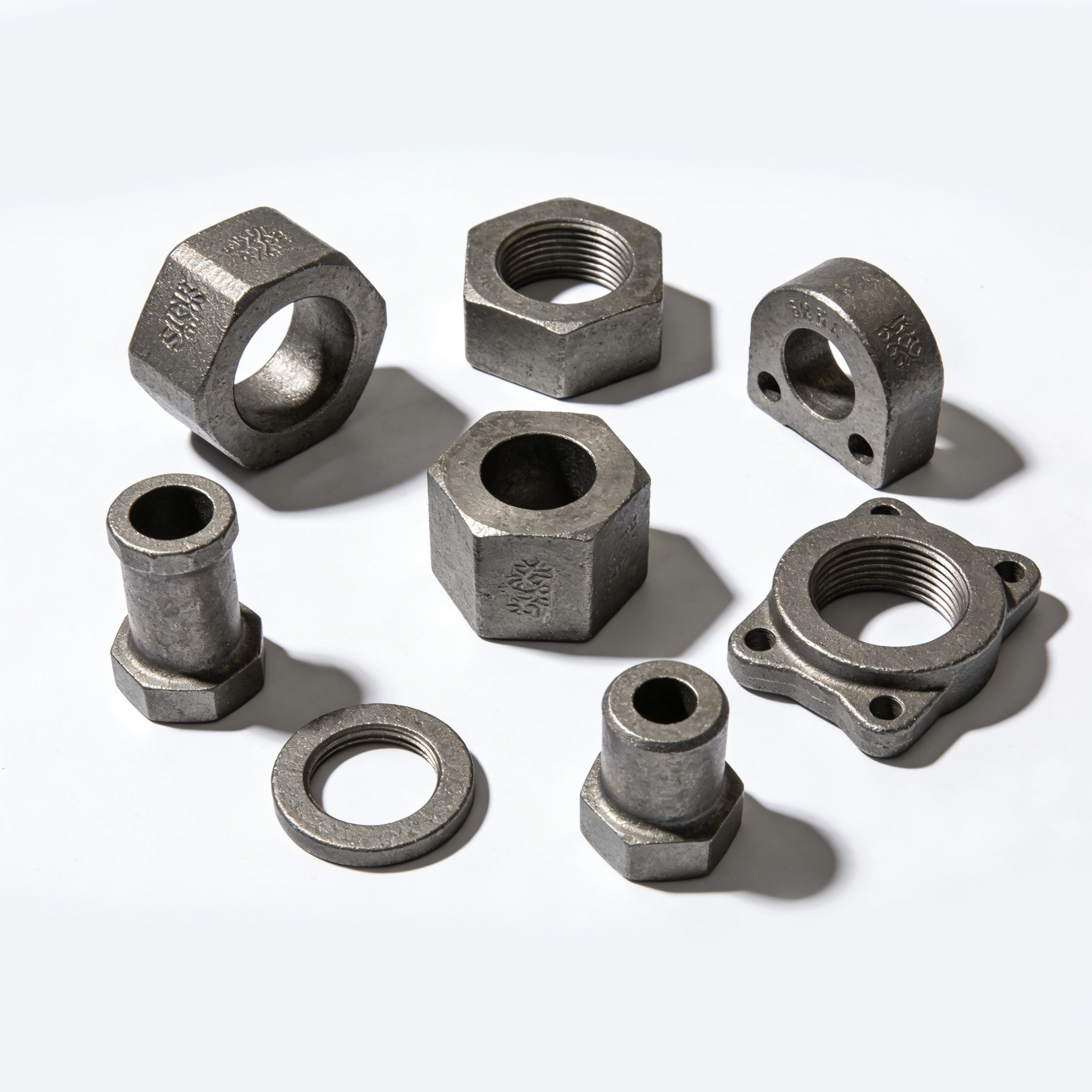
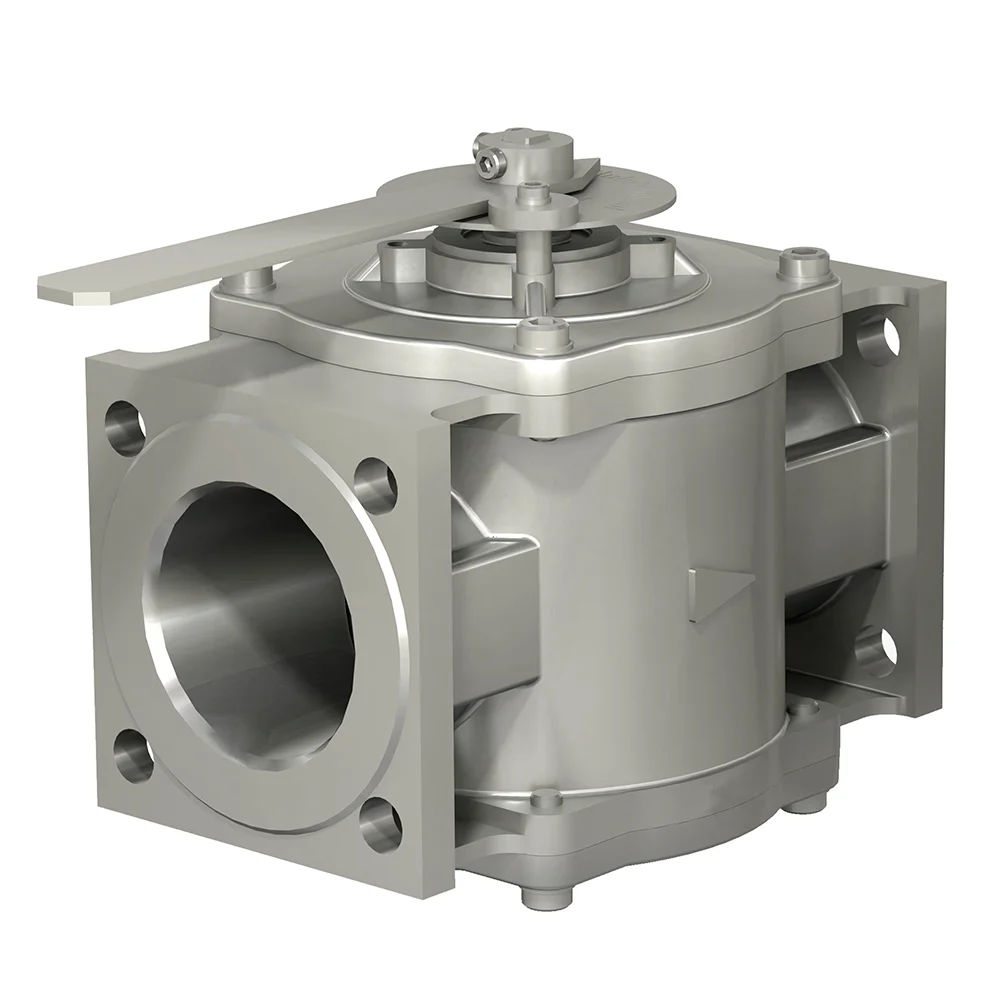
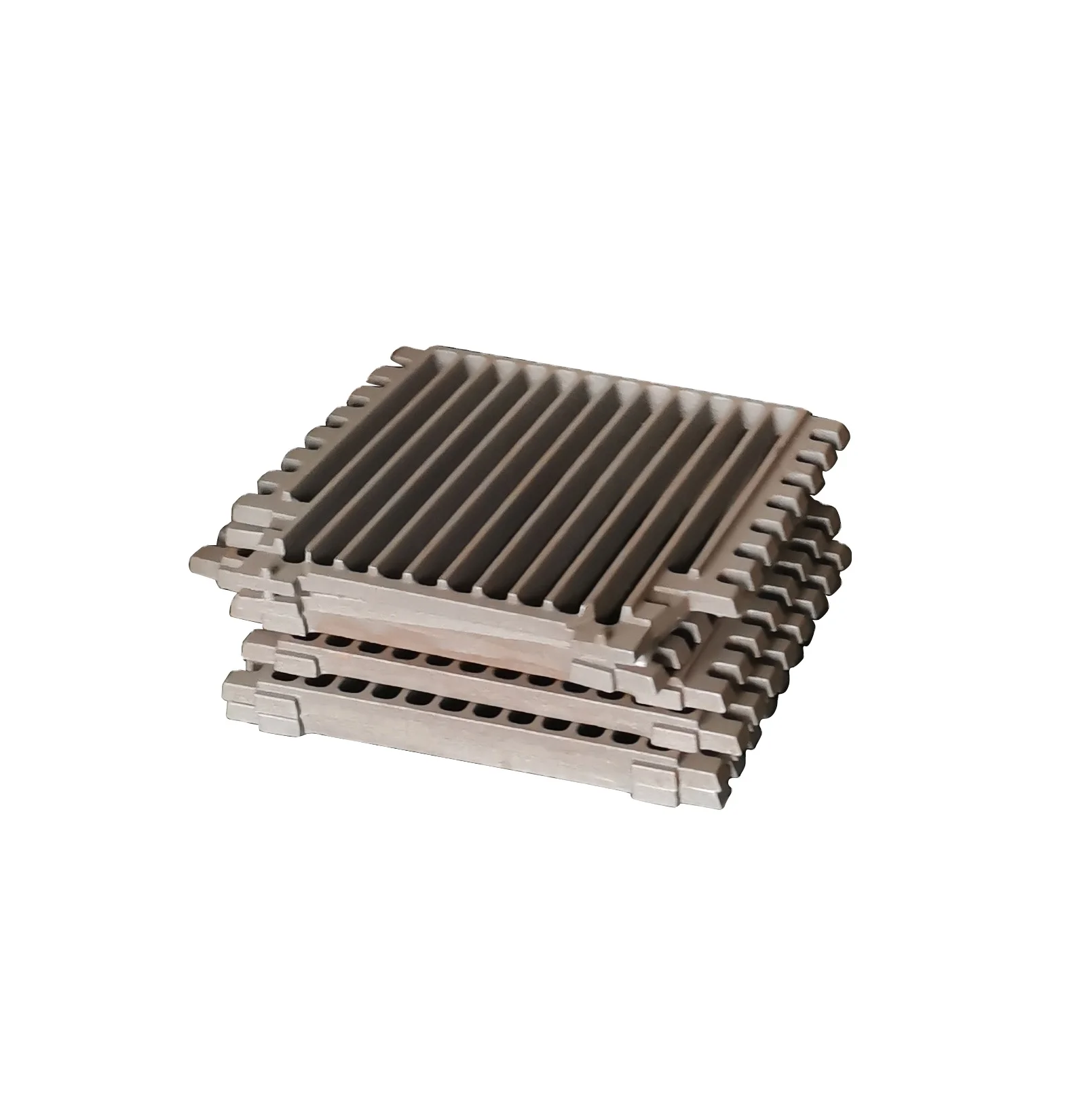
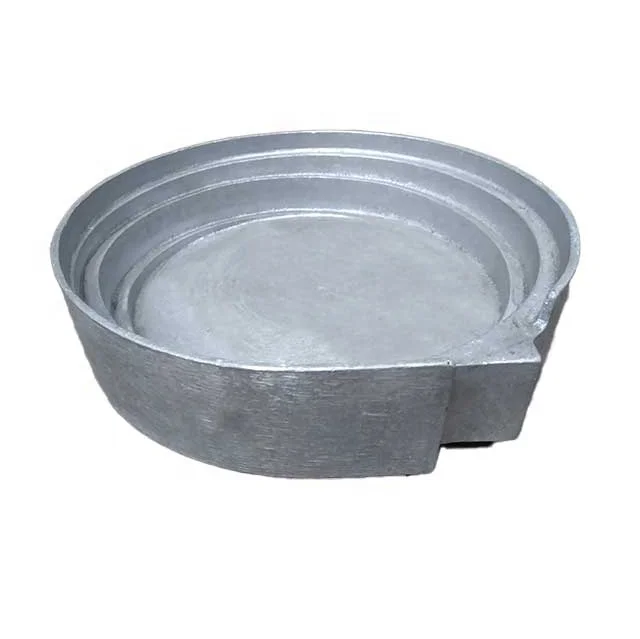
OEM aluminum-alloy die-casting enquiries include machining where needed and a powder-coated finish. Separate sand- or investment-casting requests can be defined within a custom foundry enquiry. Select the material grade and manufacturing route for the actual geometry before establishing the supplied condition.
Make the component drawing quotation-ready
A one-stop request works best when it defines the finished part and the work included in the order. Show the mounting, mating and contact geometry that determines its use. Explain which interfaces need a final dimension and which surfaces are accepted in their cast condition.
- State the complete aluminum-alloy designation.
- Provide the controlled drawing revision and quantity.
- Mark dimensions requiring subsequent machining.
- Identify visible faces and coating boundaries.
- Set the records and sample approval needed for acceptance.
Coordinate machining with the powder-coated surface
Define the required fit where the component joins neighboring parts. Mark any areas that need masking or a particular contact condition after coating. The finish brief should describe color, coverage and appearance acceptance together with the final dimensional requirements.
Connect foundry scope to the supplied part
Agree the selected casting route, any machining operations and the final surface work in the quotation. Establish material, dimensional and appearance checks appropriate to that component. Where a sample is used for approval, connect it to the controlled drawing and agreed acceptance criteria so the production order follows the same definition of the finished part.