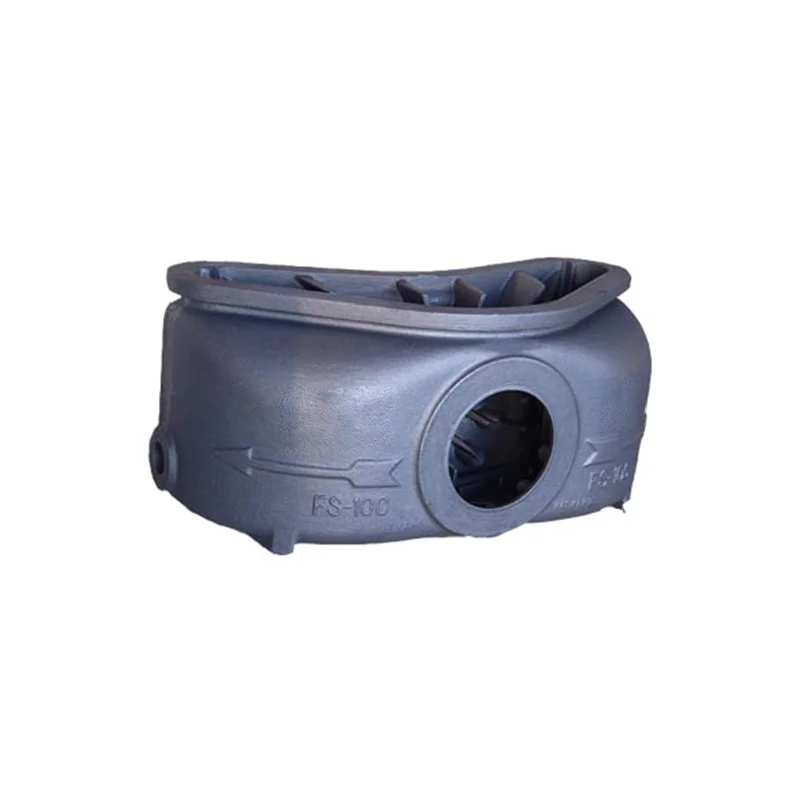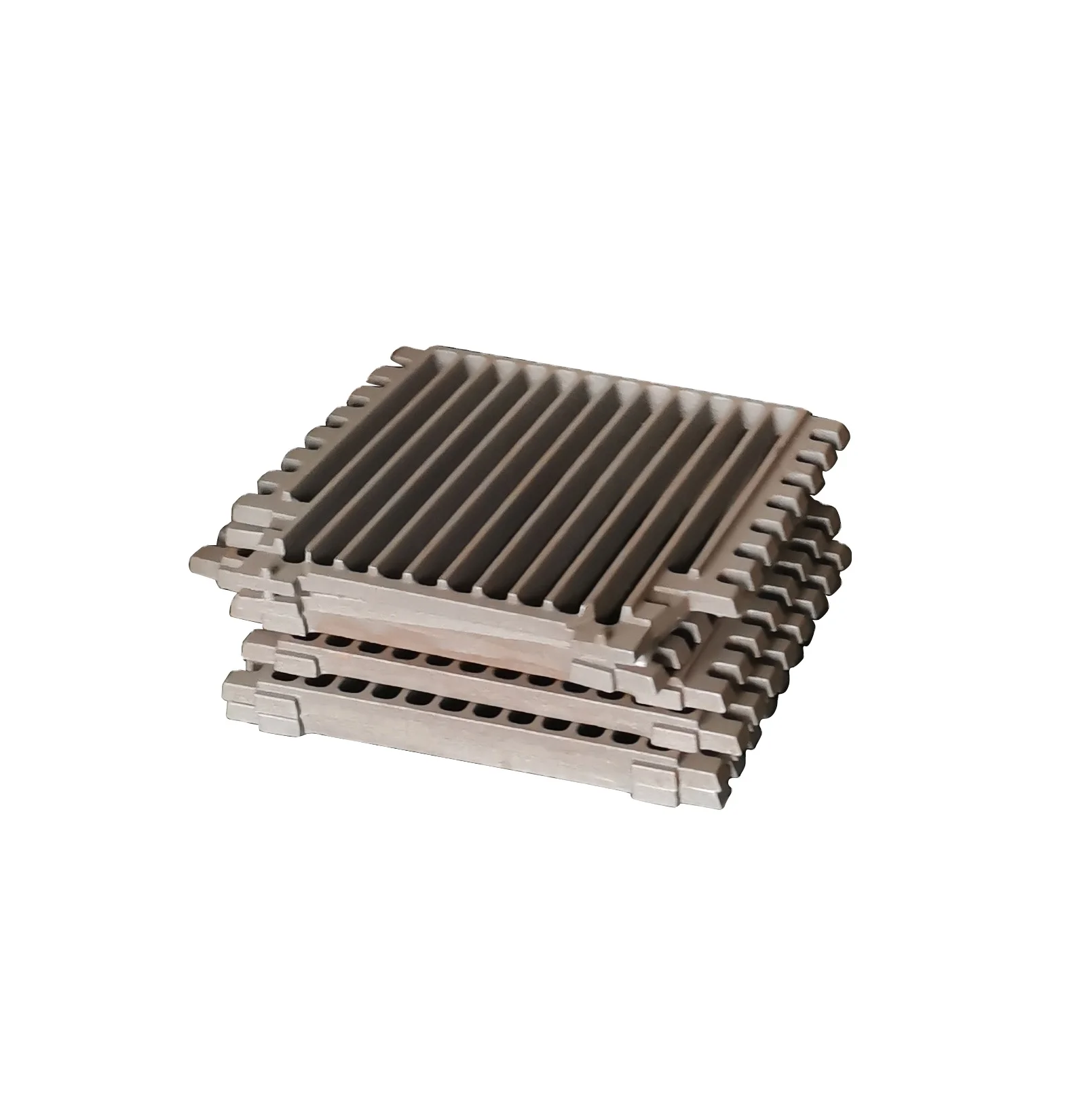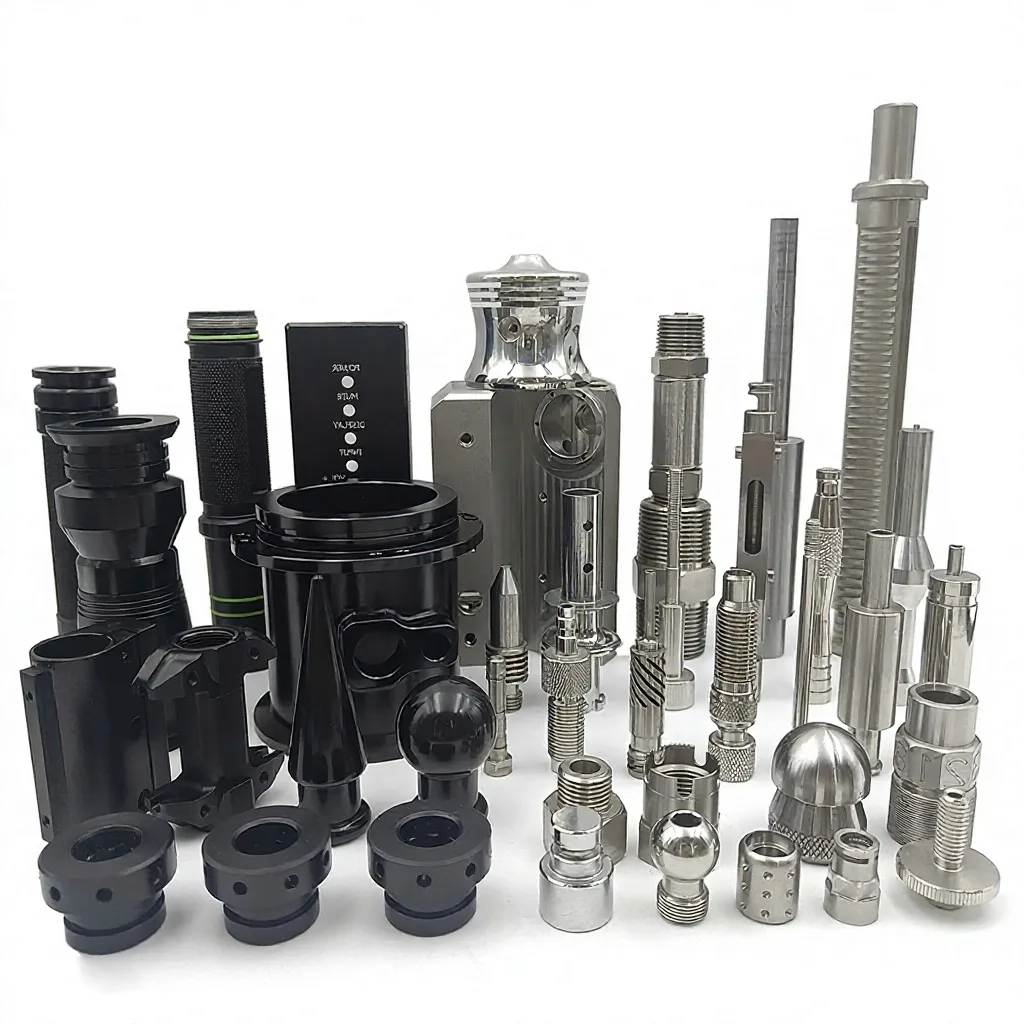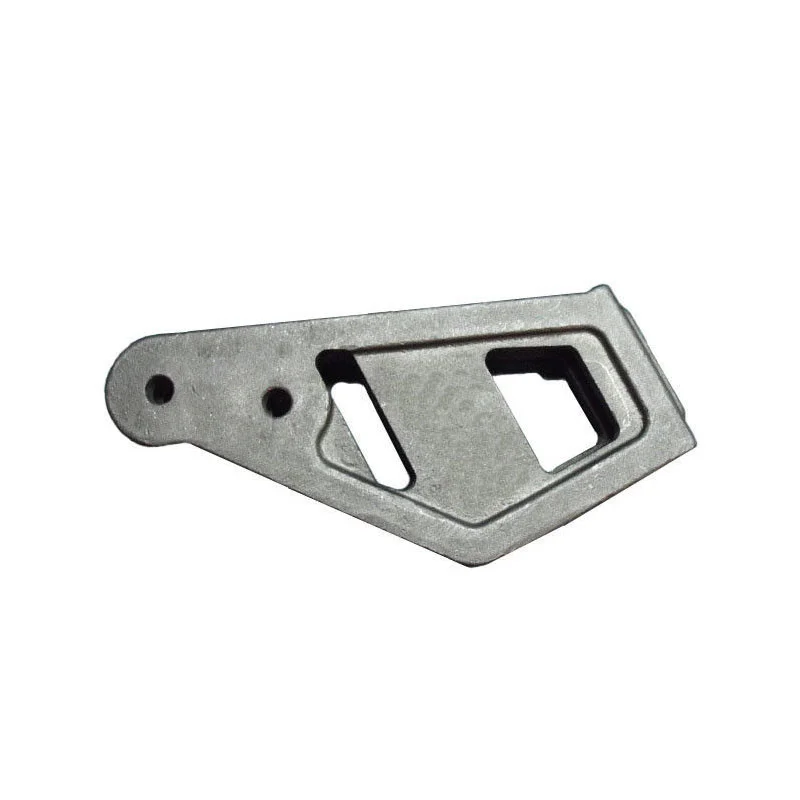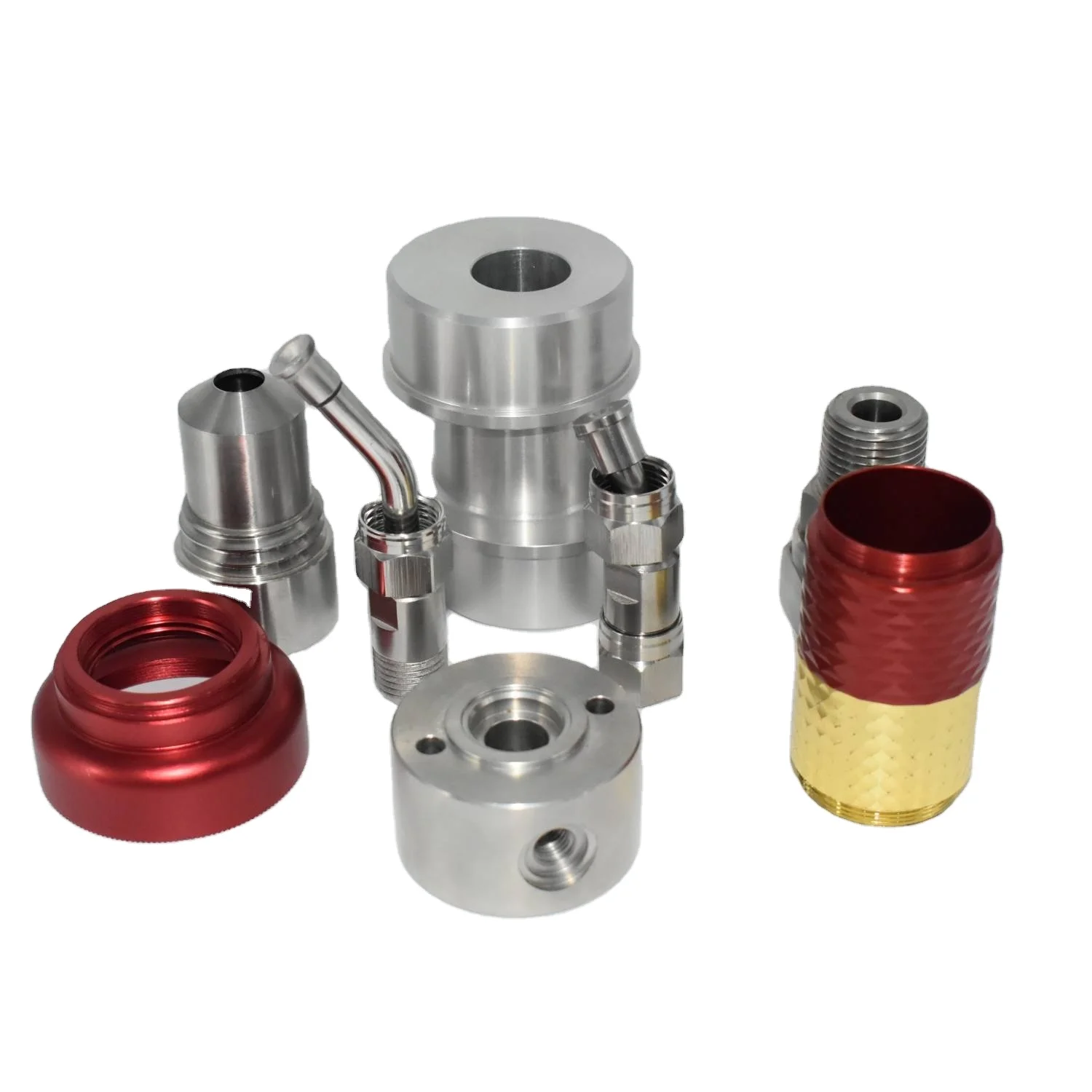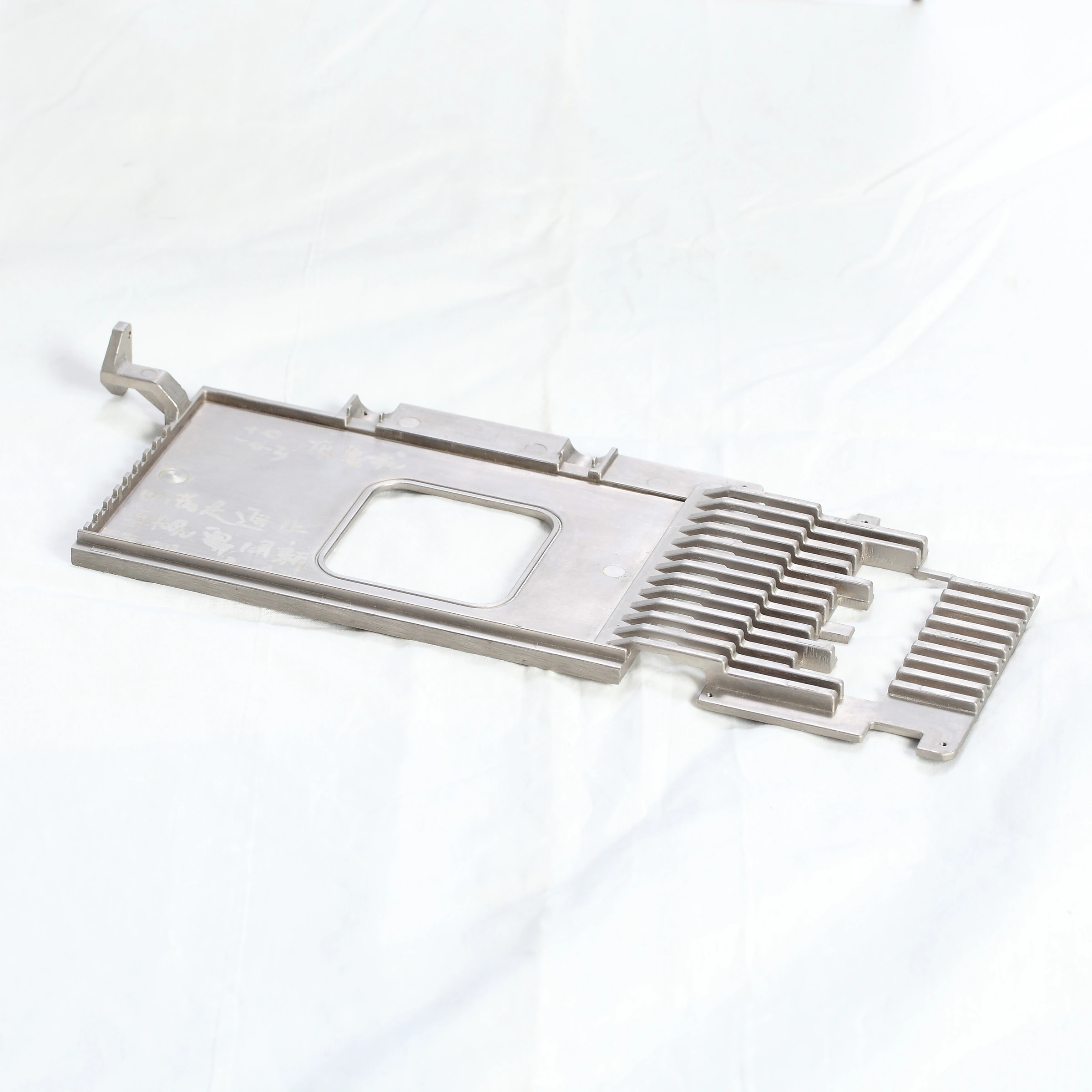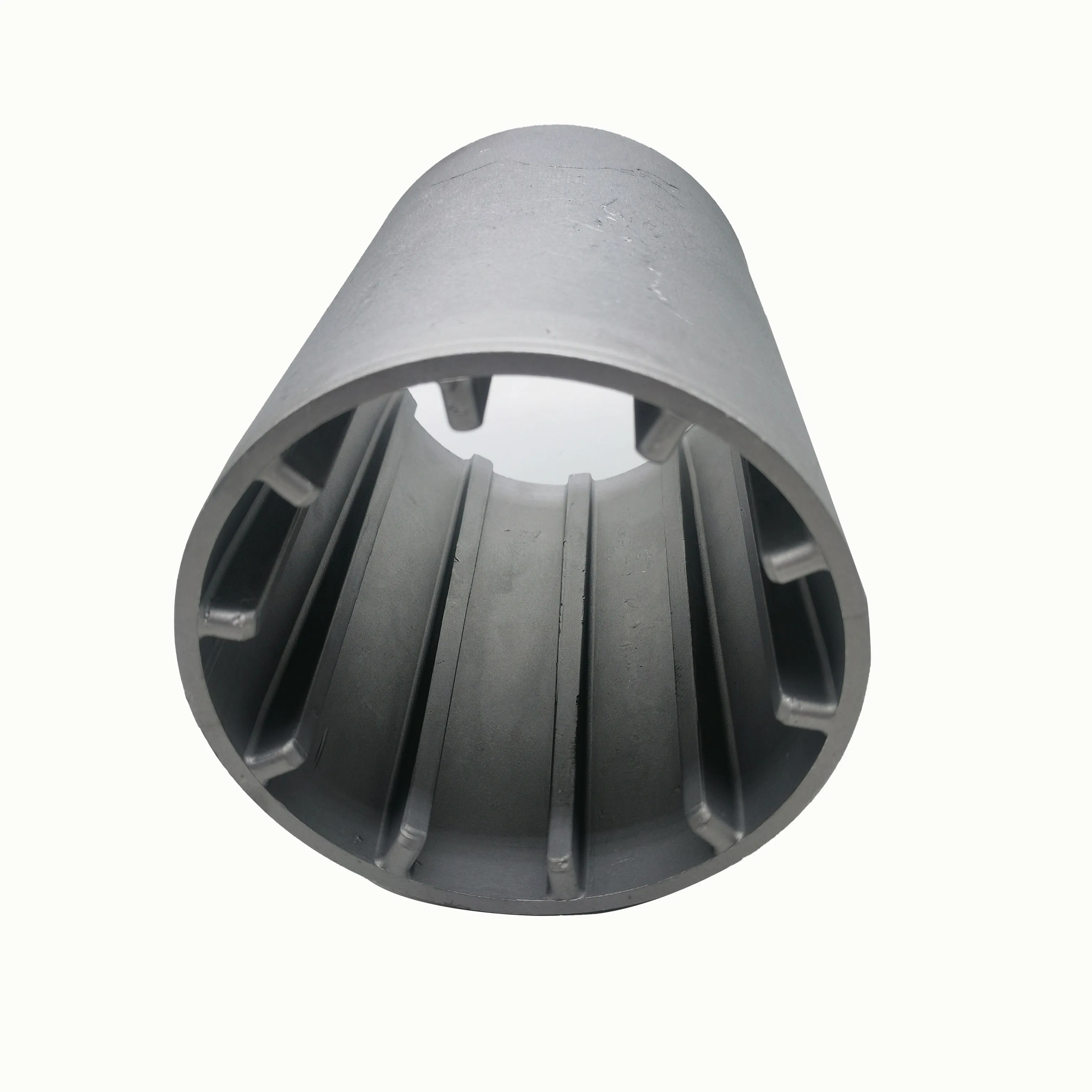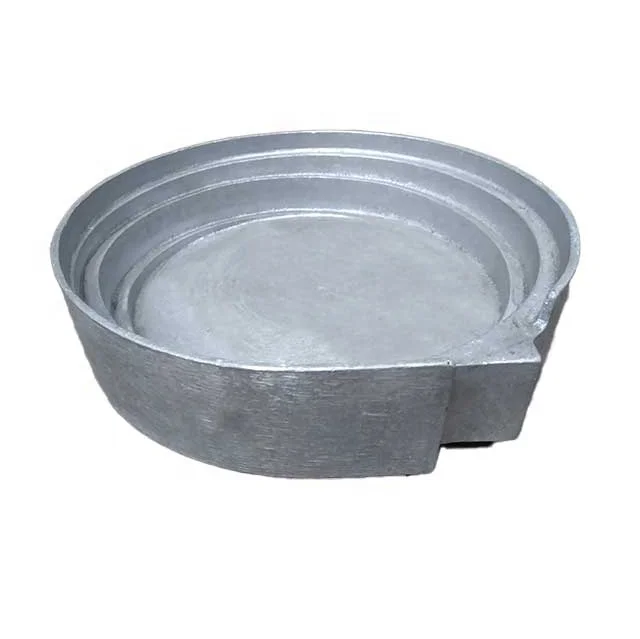
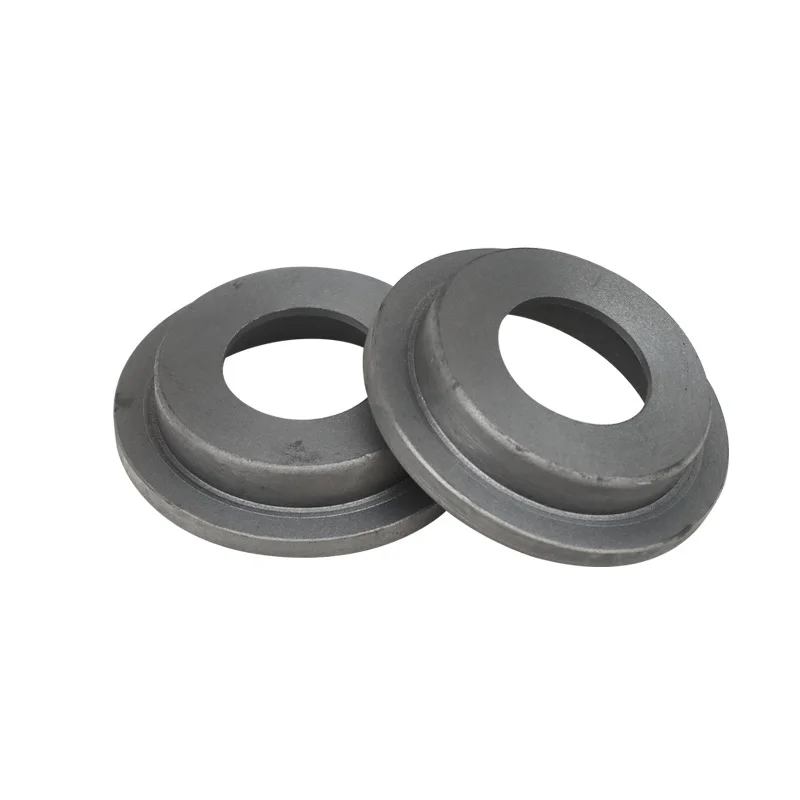
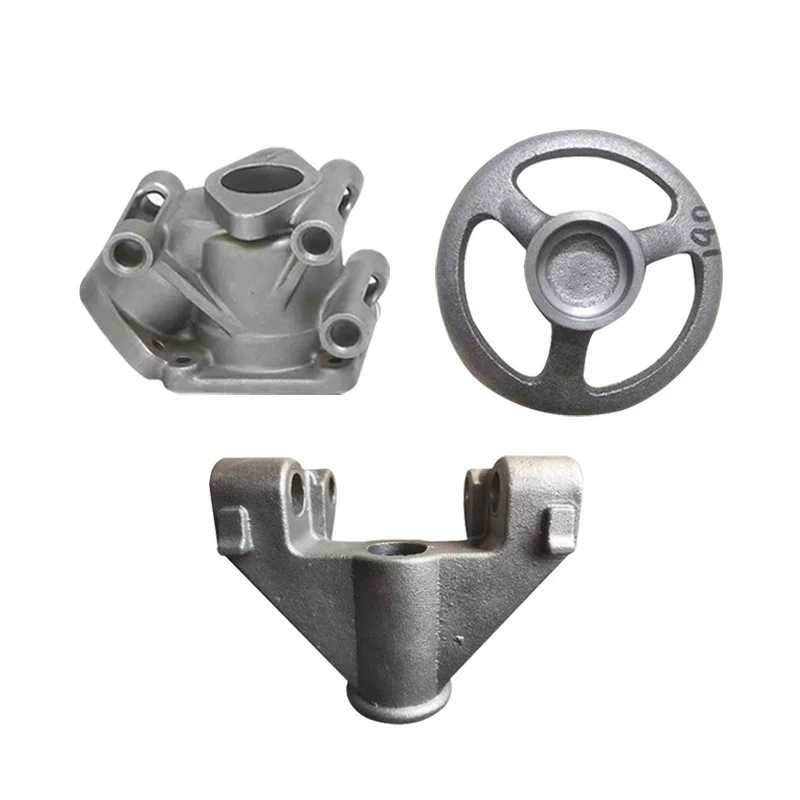
Relia Large-Batch Metal Sand-Casting Service for Drawing-Defined Components
Direct factory support
Get a quote that fits your project
Send your drawing or product reference, material grade and required quantity. Relia will review the requirements with you.
- Drawing & specification review
Confirm the supply scope and critical requirements.
- Samples before custom production
Review inspected samples before approving a batch.
- Inspection documents
Agree material and dimensional records for your part.
Prepare the large-batch sand-casting enquiry around one controlled component definition. The metal part, required quantity and acceptance basis should be clear before the repeated-production scope is agreed. A consistent drawing and material requirement give the batch discussion a specific technical starting point rather than an undefined request for a large quantity of castings.
Identify the Component and Material
Supply the full grade designation and the drawing revision that define the ordered metal component. Mark the functional geometry and dimensions that matter to its intended use, together with the required supplied condition. If the enquiry contains different parts, identify each drawing and quantity separately so the batch scope remains clear.
Define Acceptance for Repeated Production
State the material, dimensional and surface criteria that will govern approval of the sand casting. The same requirements should describe the component throughout the proposed batch, with any drawing changes identified explicitly. Give the production enquiry a clear reference for the geometry and final condition you intend to receive rather than relying on the word precision or a general quality expectation.
Agree the Tooling and Order Boundary
Identify the tooling and supply scope that belong to the proposed sand-casting work. Provide the actual batch quantities and any approval requirements that affect the component definition. A complete large-batch request ties a particular metal specification and drawing to the selected deliverable, making it possible to discuss repeated production against an assessable set of requirements. Keep revisions to the material, shape or final condition within the same controlled enquiry.