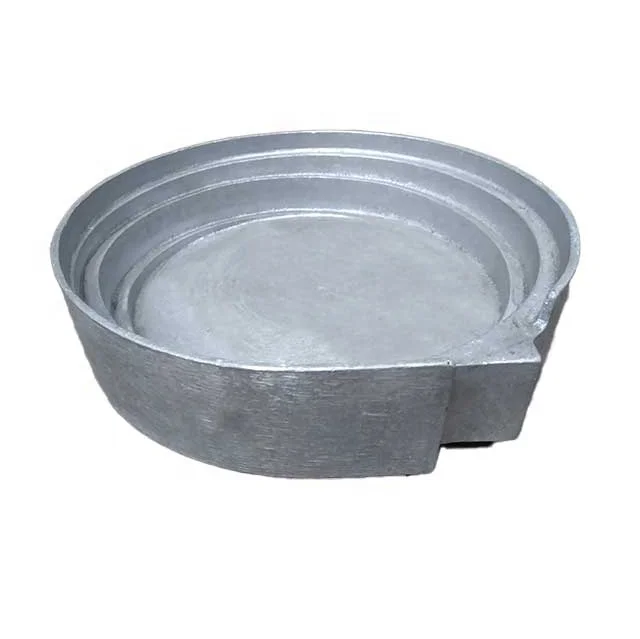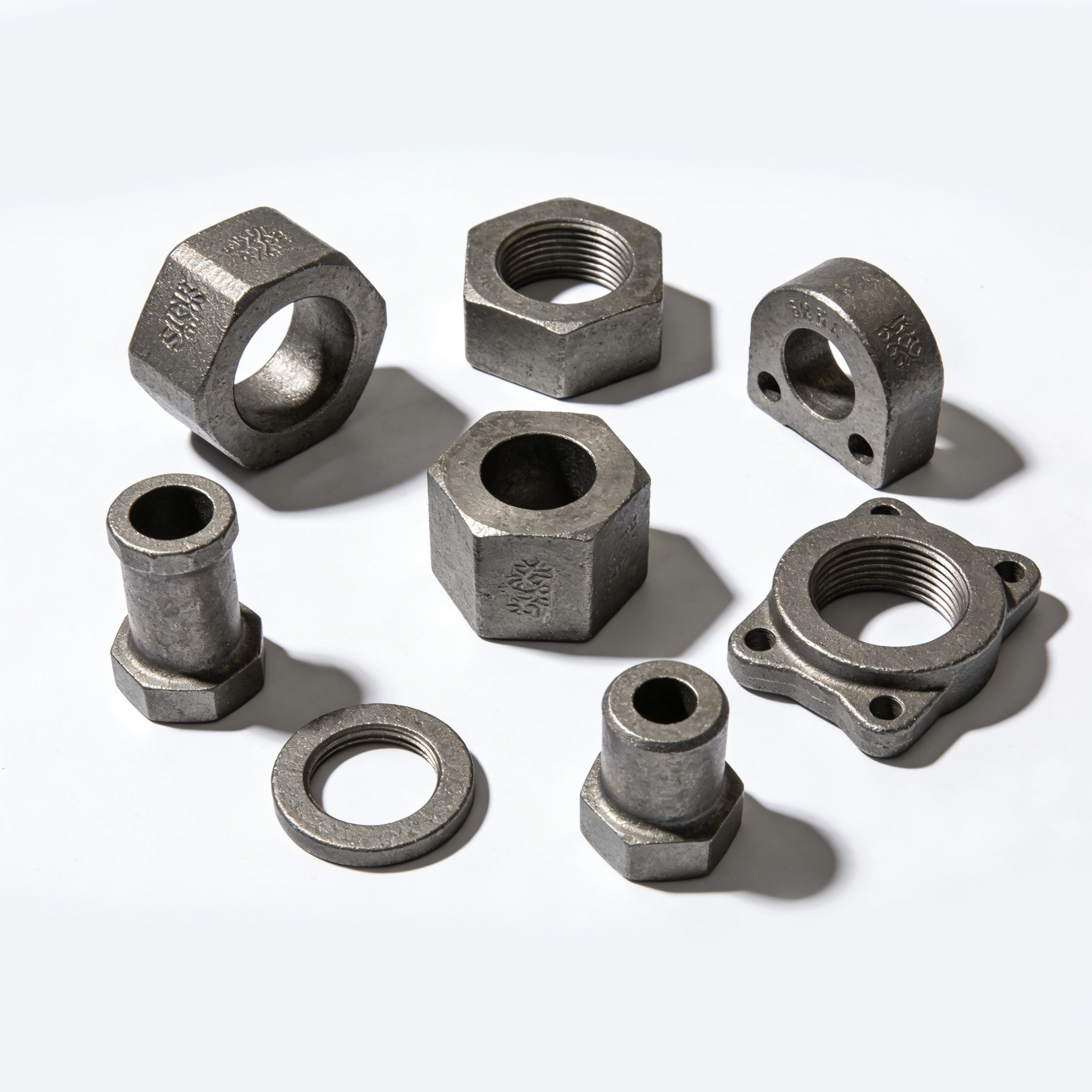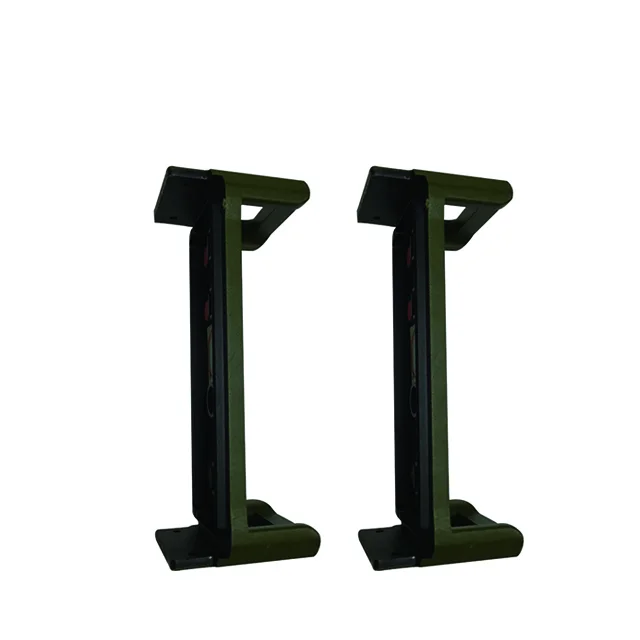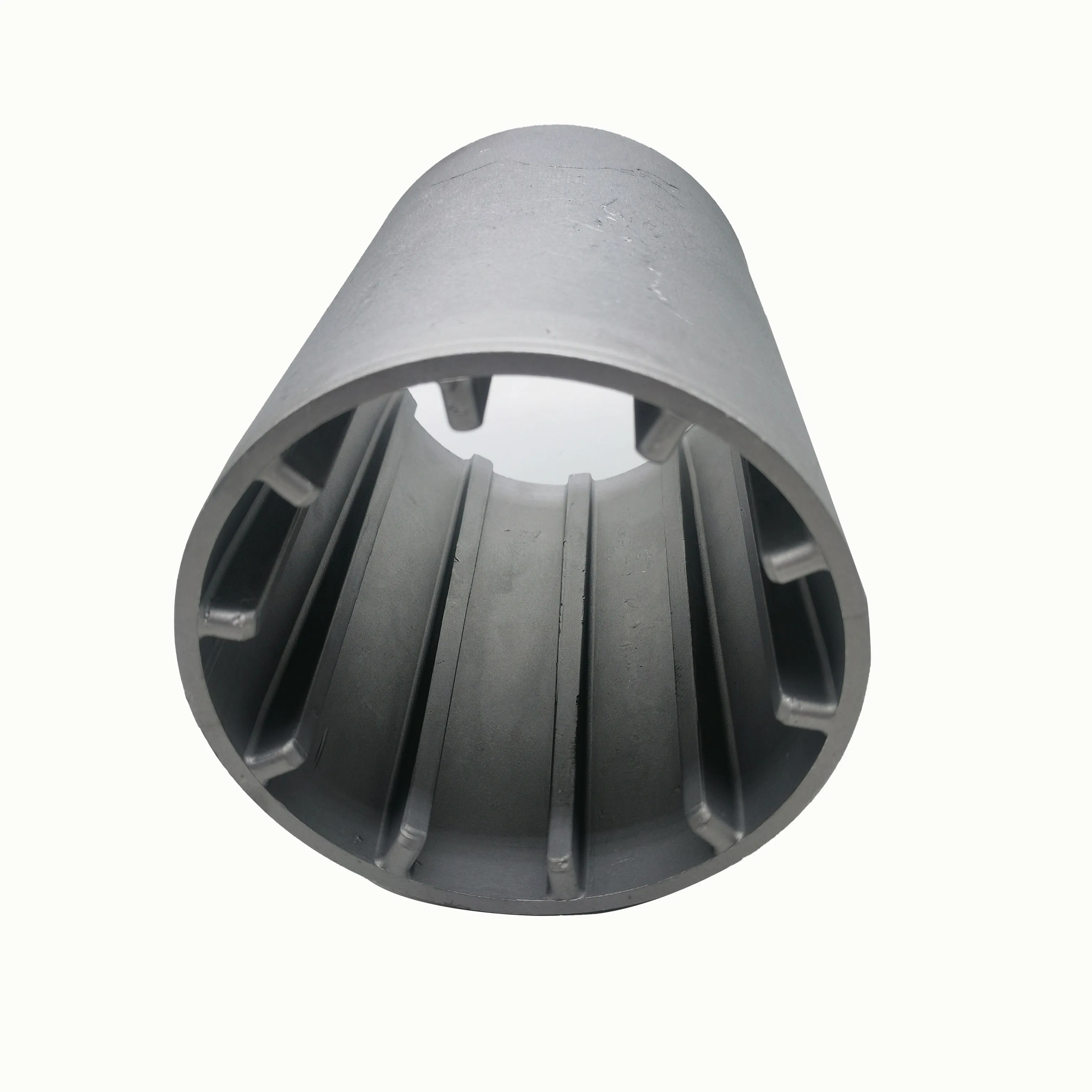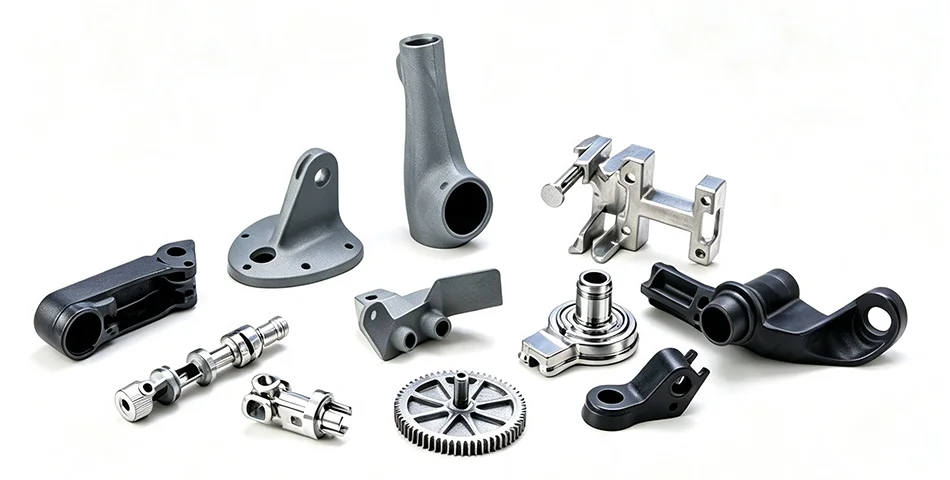
Relia OEM Aluminum Sand and Investment Castings with CNC Machining and Rapid Prototyping
Direct factory support
Get a quote that fits your project
Send your drawing or product reference, material grade and required quantity. Relia will review the requirements with you.
- Drawing & specification review
Confirm the supply scope and critical requirements.
- Samples before custom production
Review inspected samples before approving a batch.
- Inspection documents
Agree material and dimensional records for your part.
-
Materialsaluminum/stainless steel/brass/Copper/metal
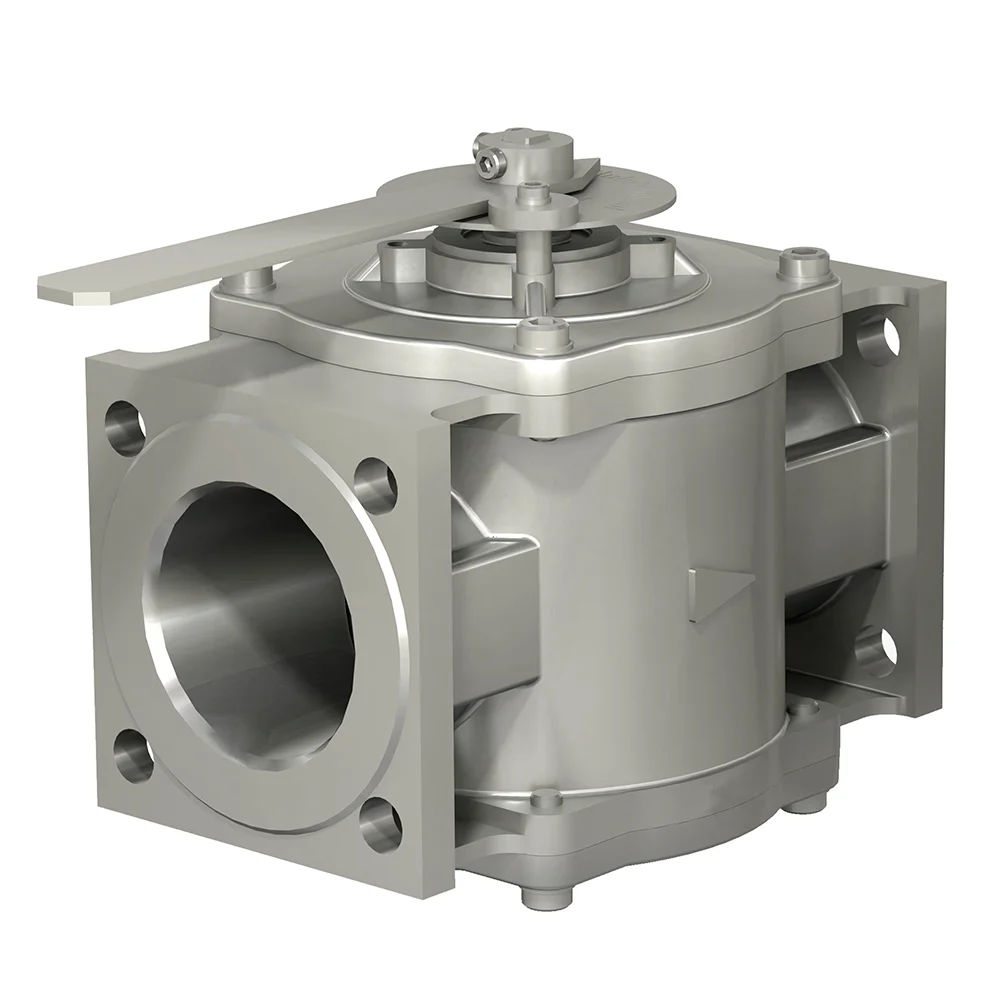
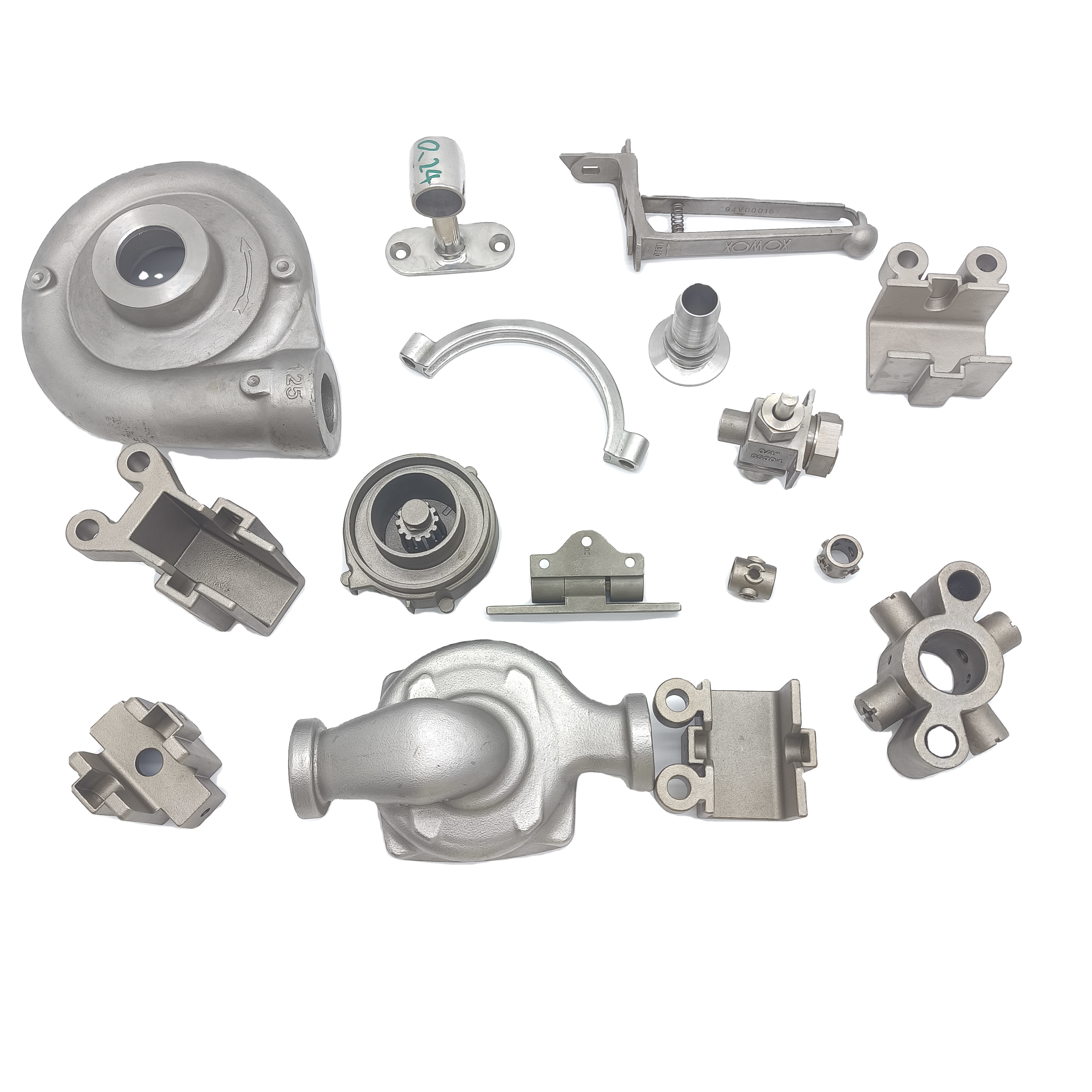
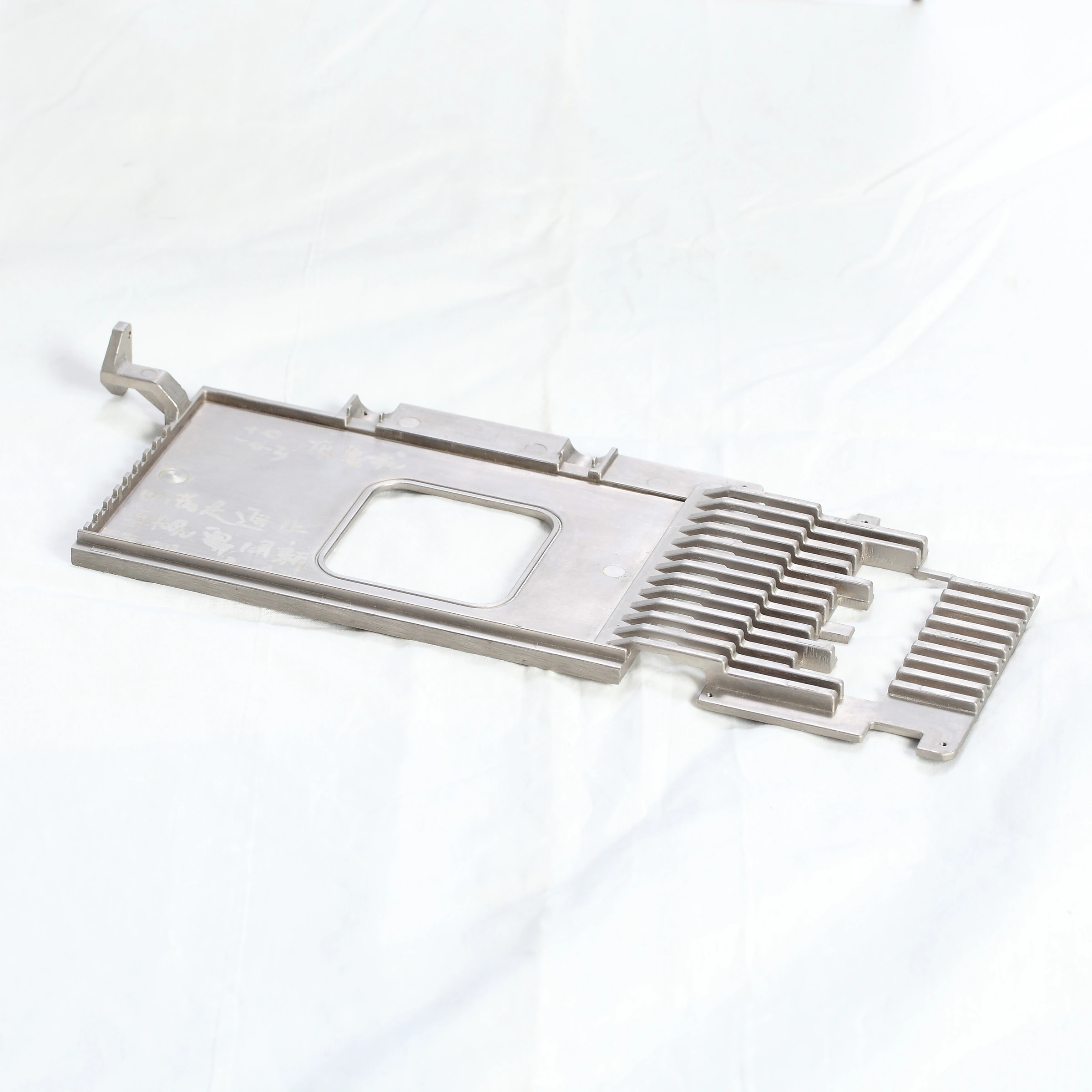
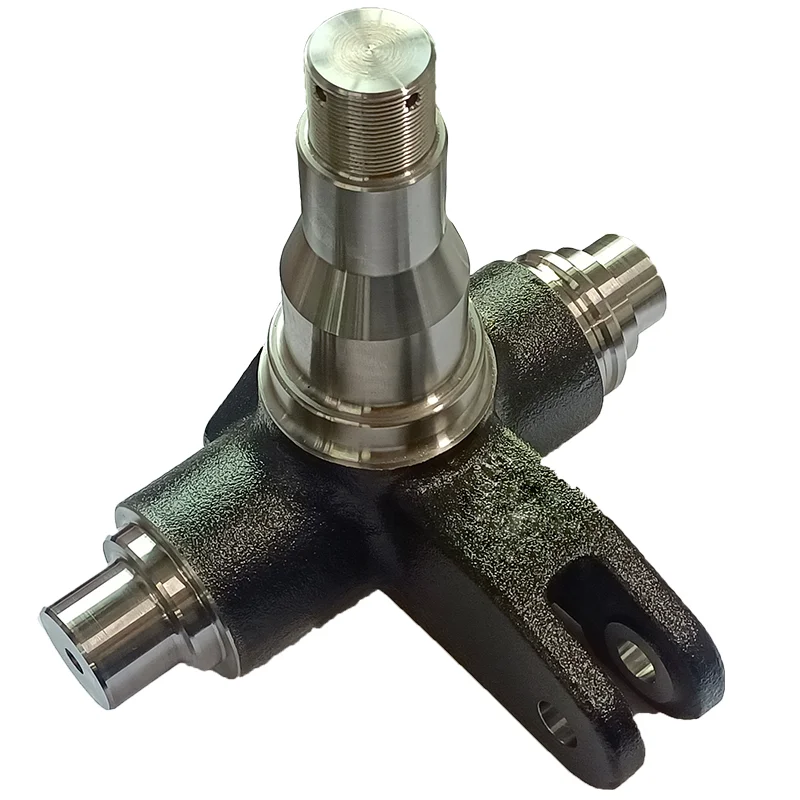
Plan the prototype around the component and interfaces it needs to demonstrate. This OEM enquiry includes custom aluminum, stainless-steel, brass or copper work, with sand or investment casting and CNC machining selected for the actual drawing. Keeping the prototype's purpose clear helps connect development approval to the finished part requirement.
Specify the Material and Prototype Task
Give each component its full grade designation and required supplied condition. Describe what the rapid prototype must demonstrate about the selected design, together with the material, dimensional and surface criteria used for approval. The casting route should follow the actual material and geometry of that ordered item.
Identify the CNC-Finished Interfaces
Mark the features that require finished dimensions and define their acceptance through the controlled drawing. Keep the CNC scope attached to the same revision as the casting proposal. That alignment makes the difference between the cast shape and the final working interfaces clear within one component request.
- The prototype can have a defined demonstration and approval purpose.
- The component drawing can identify the interfaces requiring CNC work.
- The supplied condition can establish how the finished part will be assessed.
Connect Development and Component Approval
Provide quantity and the required final material, dimensional and surface acceptance for the selected part. Include any drawing changes with the same grade and interface requirements used for the prototype discussion. A complete rapid-prototyping enquiry should identify the intended cast component and what its CNC-finished geometry must satisfy, giving the development work a specific relationship to the production design.