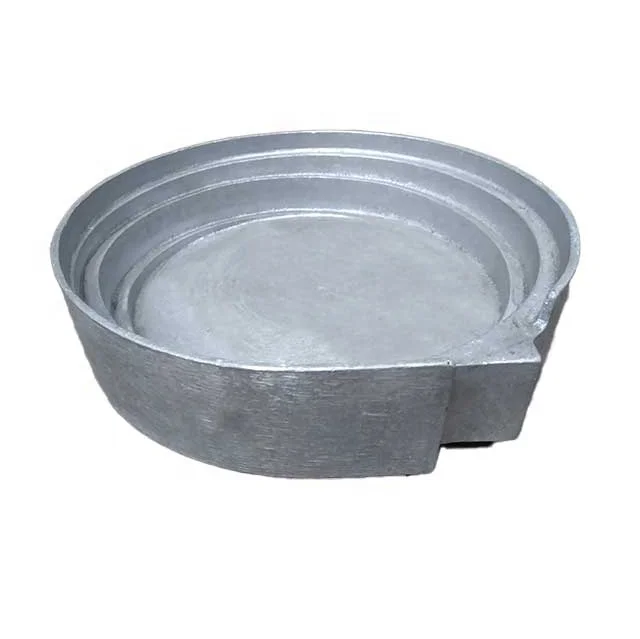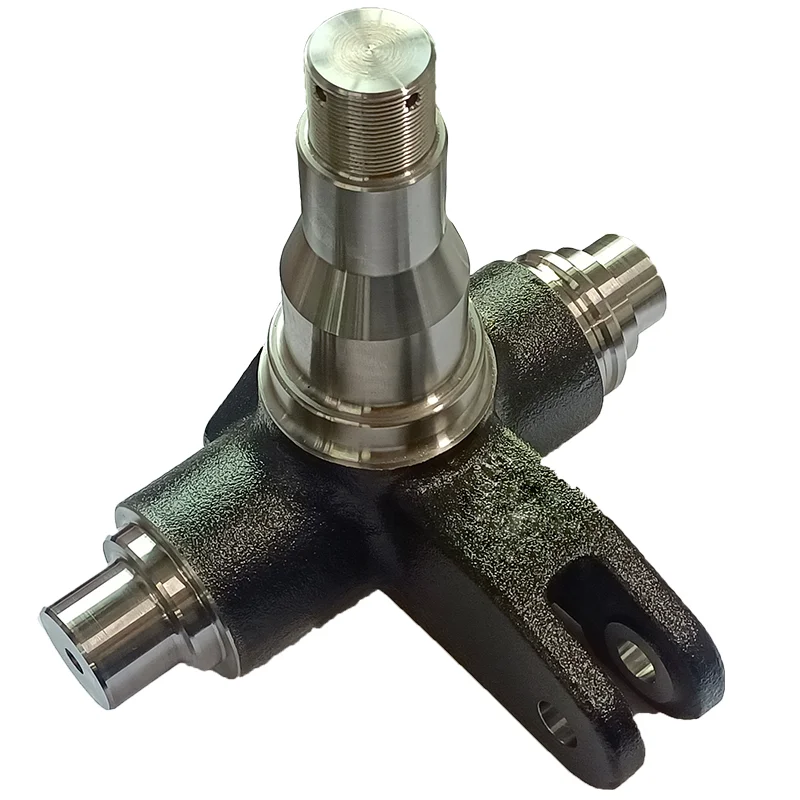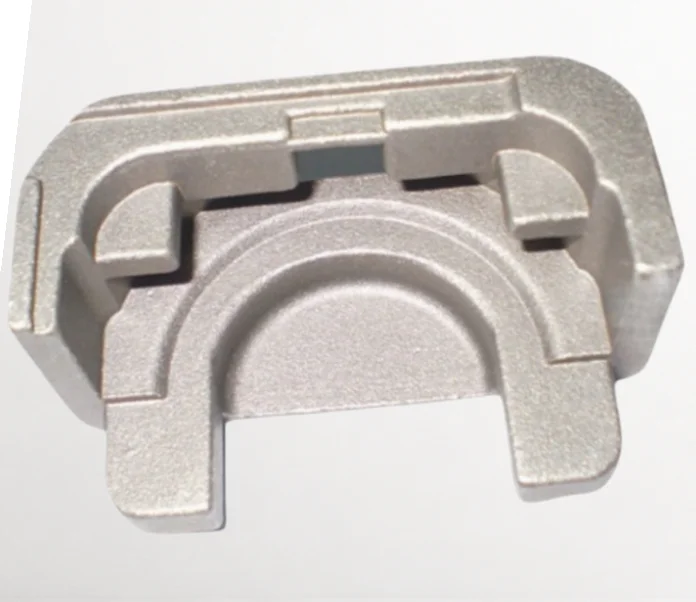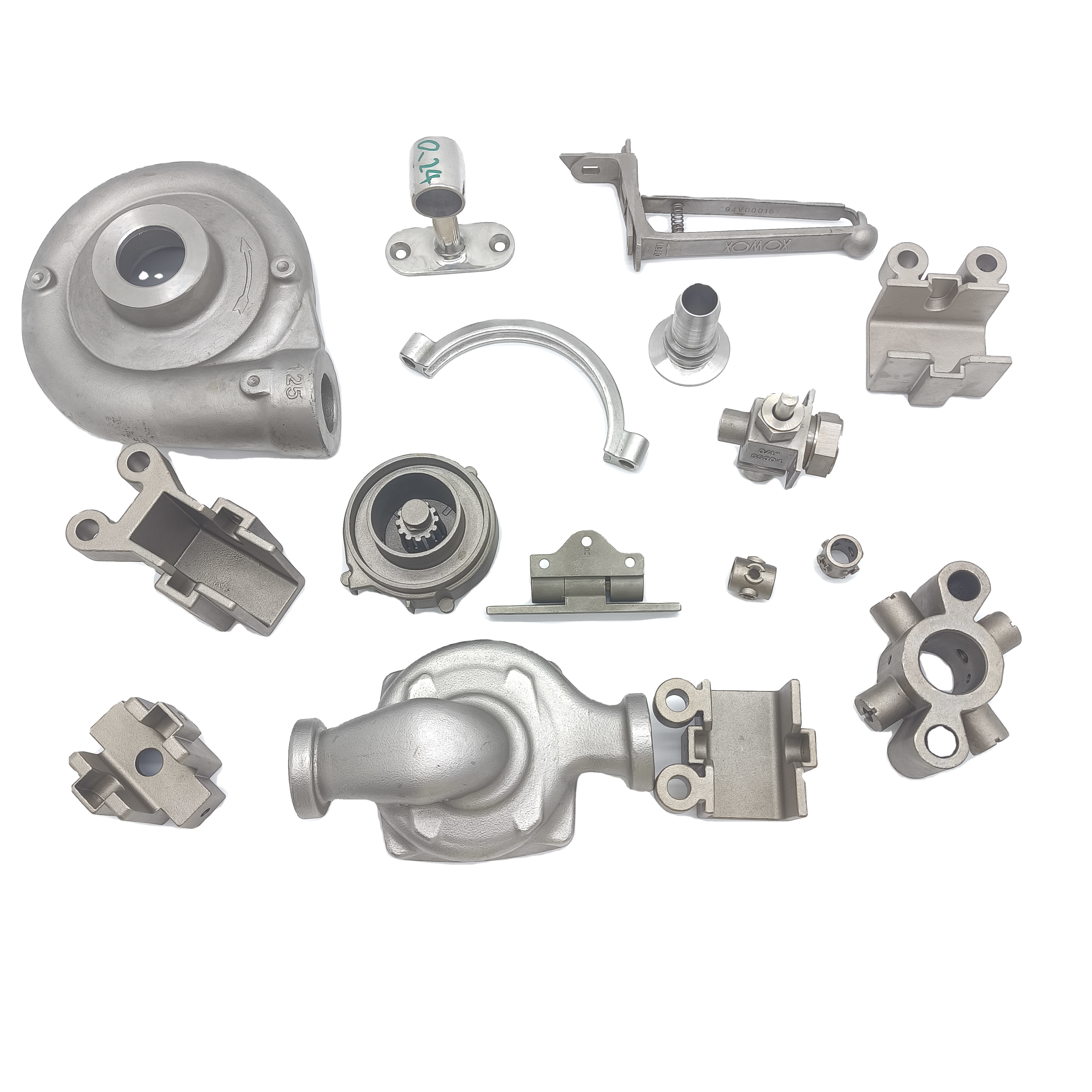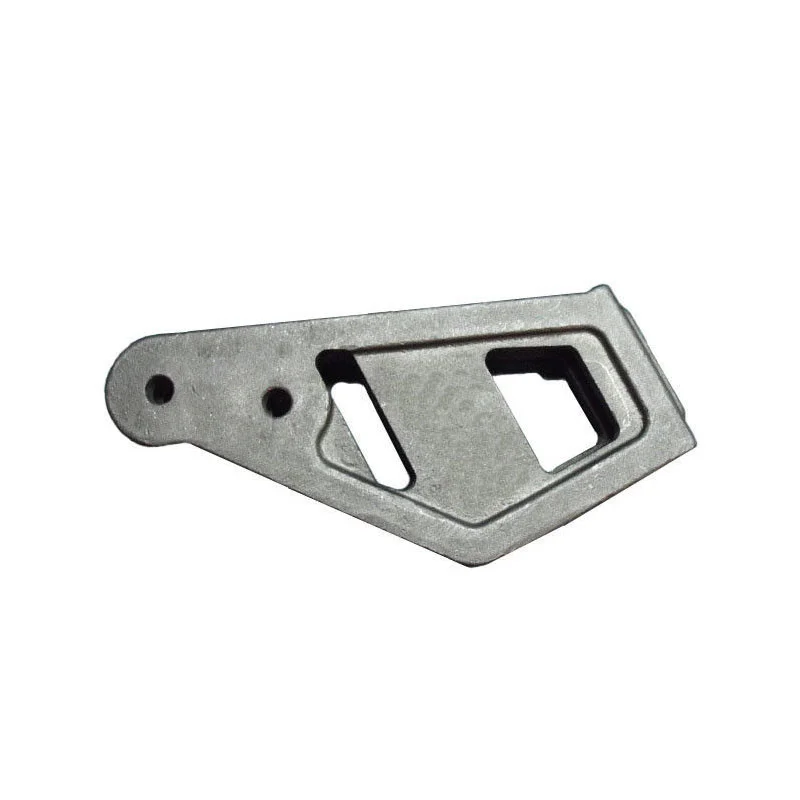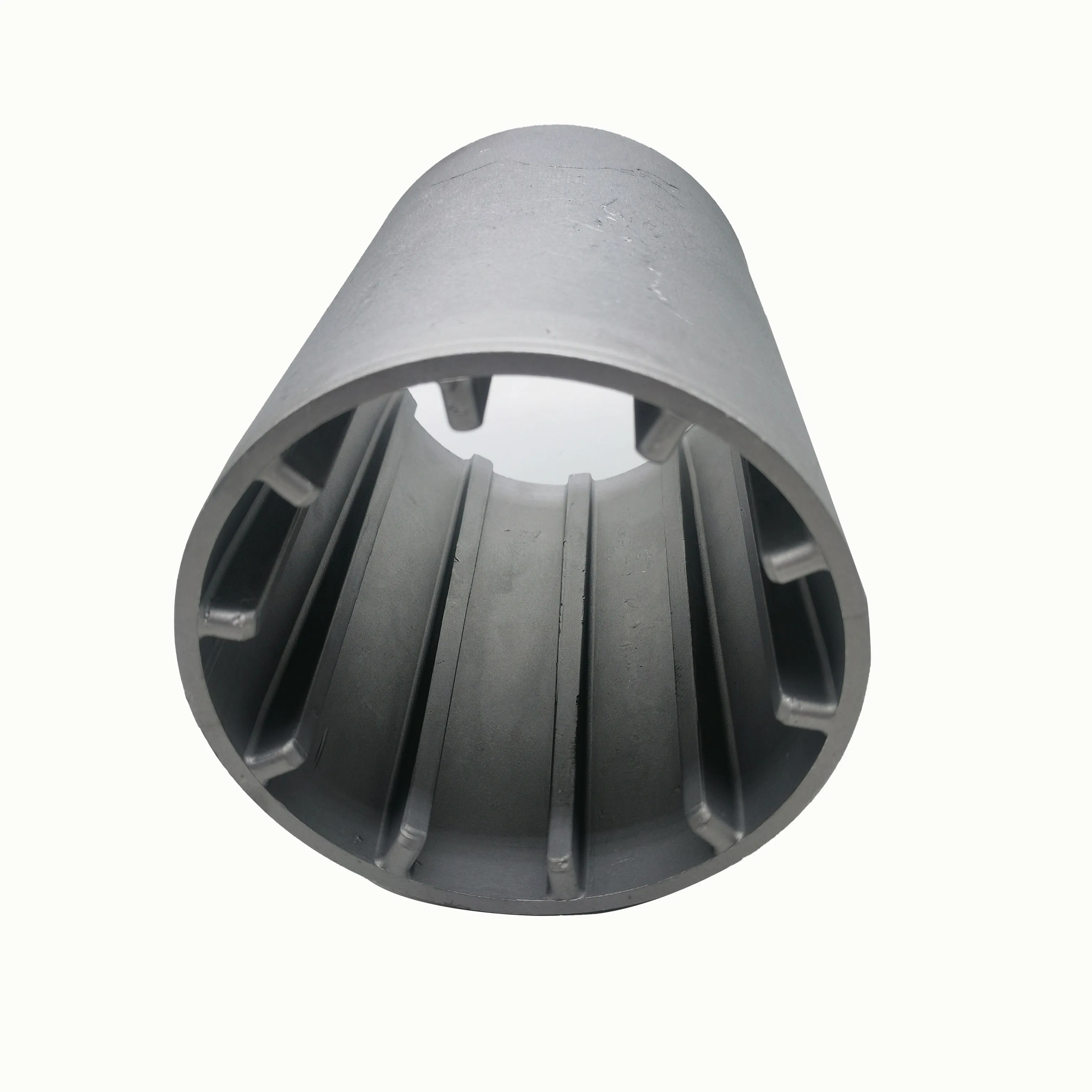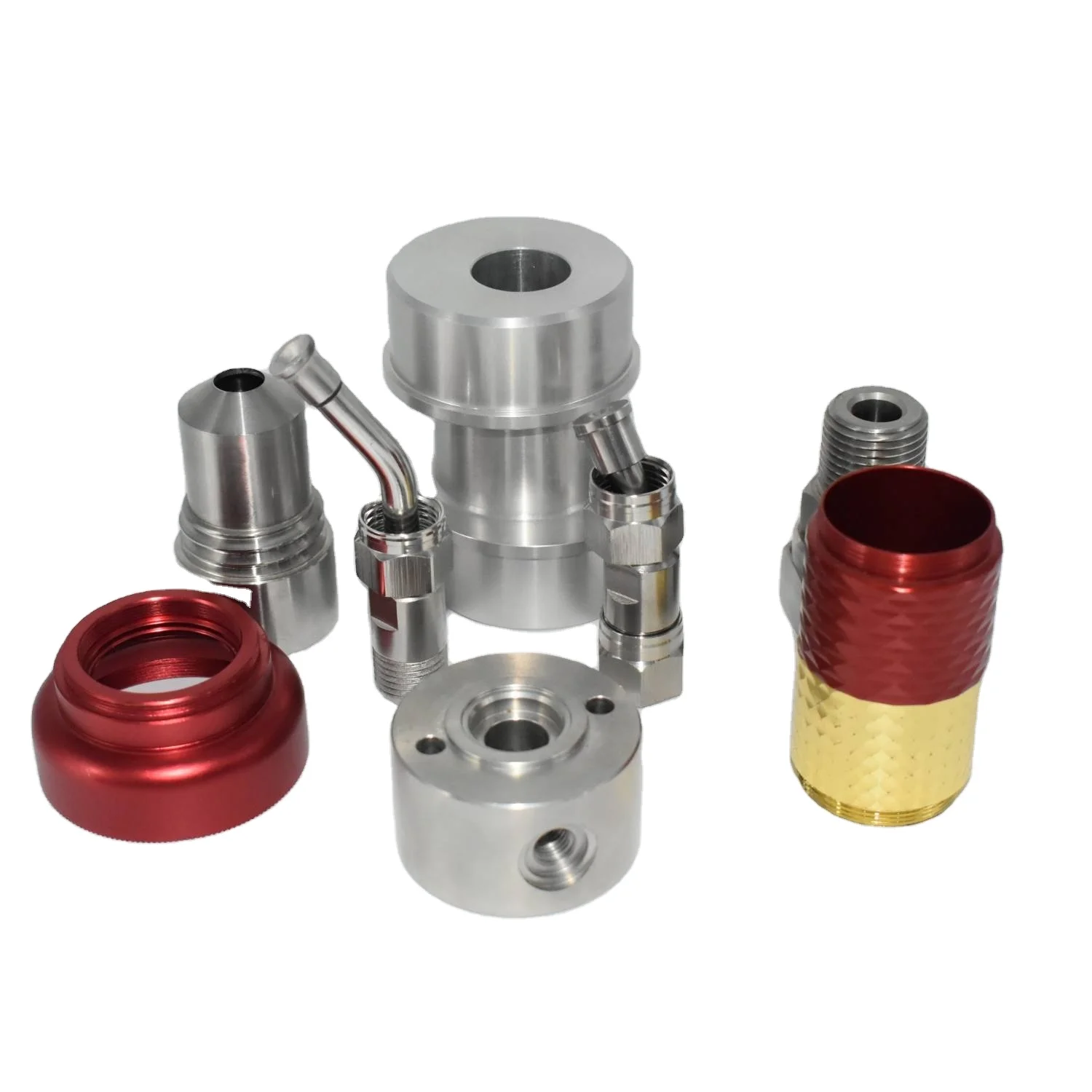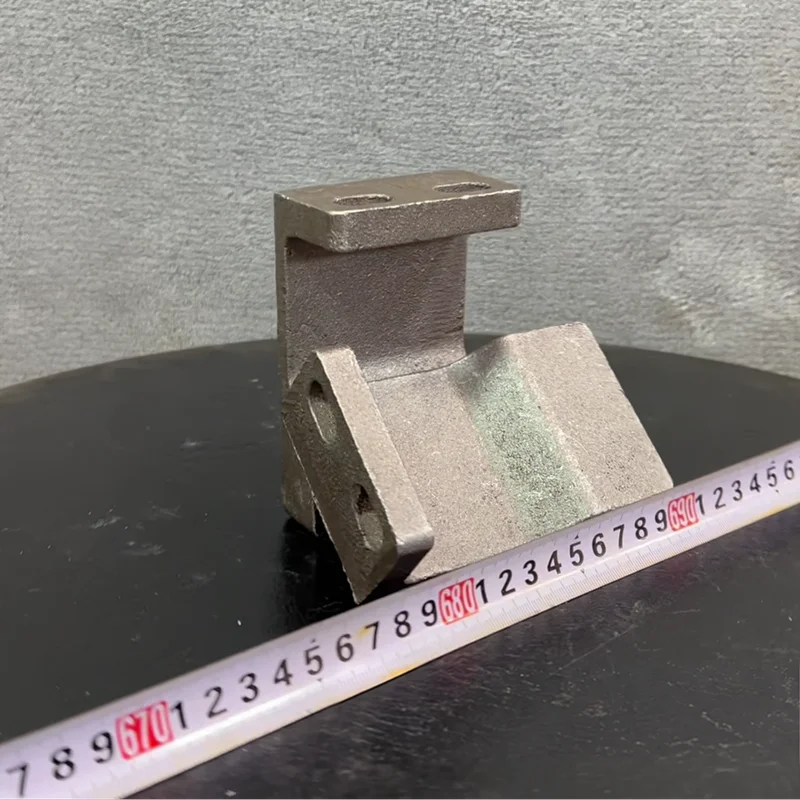
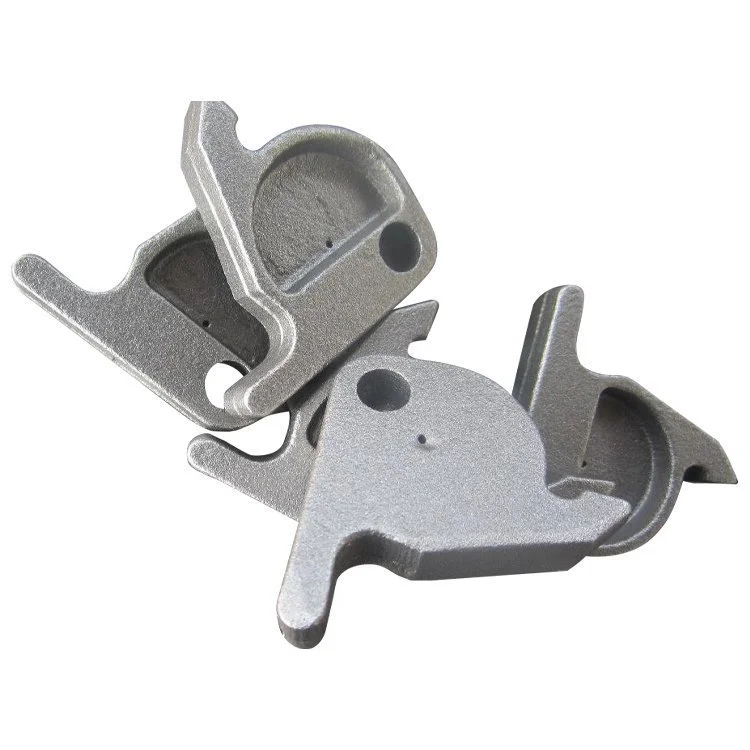
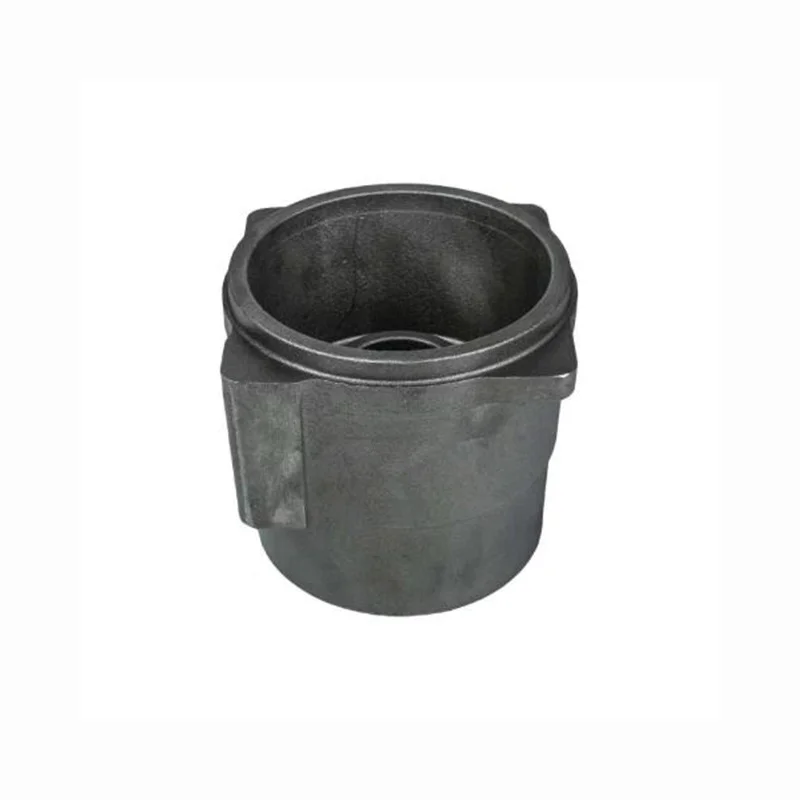
Relia OEM Custom Grey or Ductile Iron Sand and Investment Cast Tool Parts with Precision CNC Machining
Direct factory support
Get a quote that fits your project
Send your drawing or product reference, material grade and required quantity. Relia will review the requirements with you.
- Drawing & specification review
Confirm the supply scope and critical requirements.
- Samples before custom production
Review inspected samples before approving a batch.
- Inspection documents
Agree material and dimensional records for your part.
-
warrantyothercustomized supportOEM, ODM, OBM
-
Surfaceother
-
Power SourceotherShapecustomized
-
Engine Typeother
-
TypecastingBrand NameRelia
-
Product nameProfessional Precision Cnc Machining PartsMaterialCustomized
-
ProcessCustomized cast iron partsSurface treatmentCustomer's Request
-
SizeCustomized SizeServiceCustomized OEM
-
ApplicationIndustrial Equipment
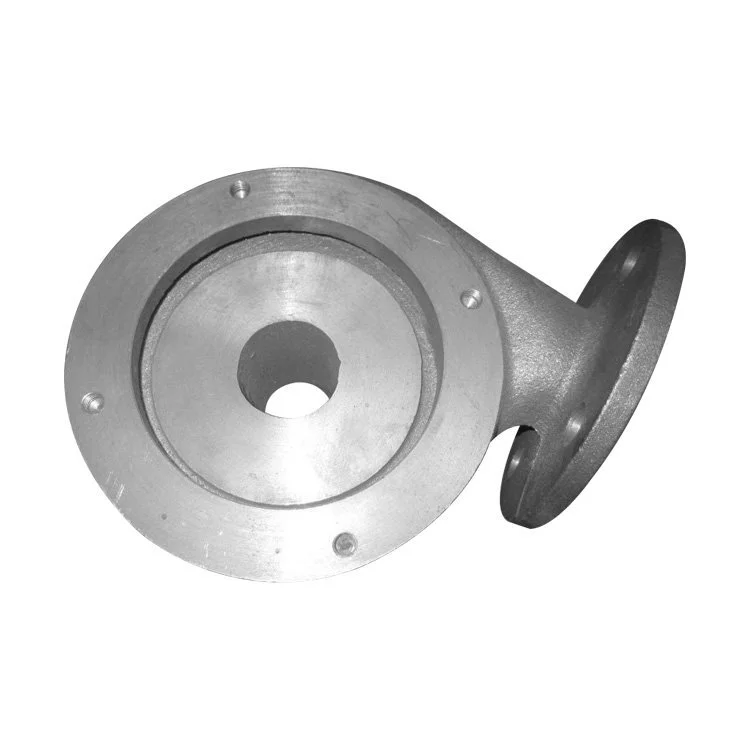
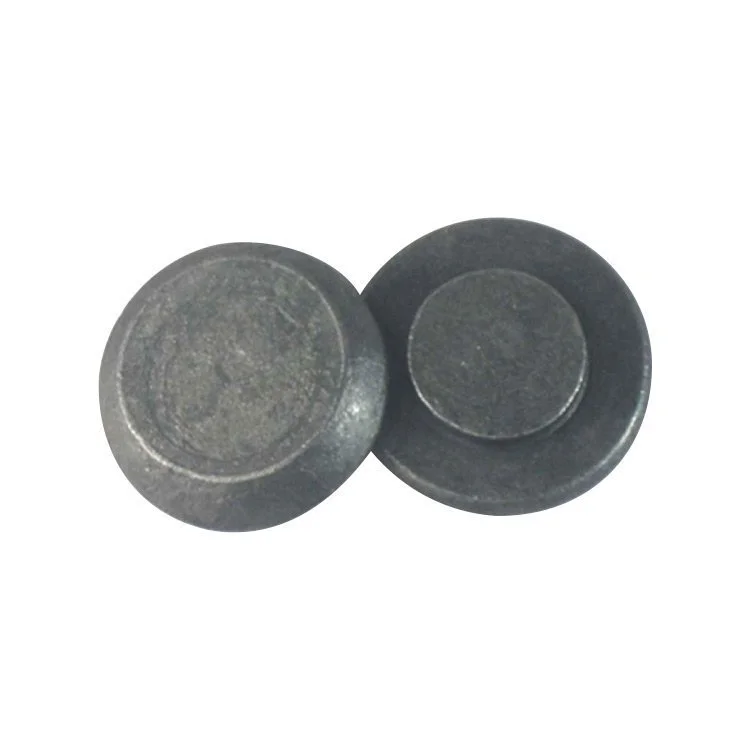
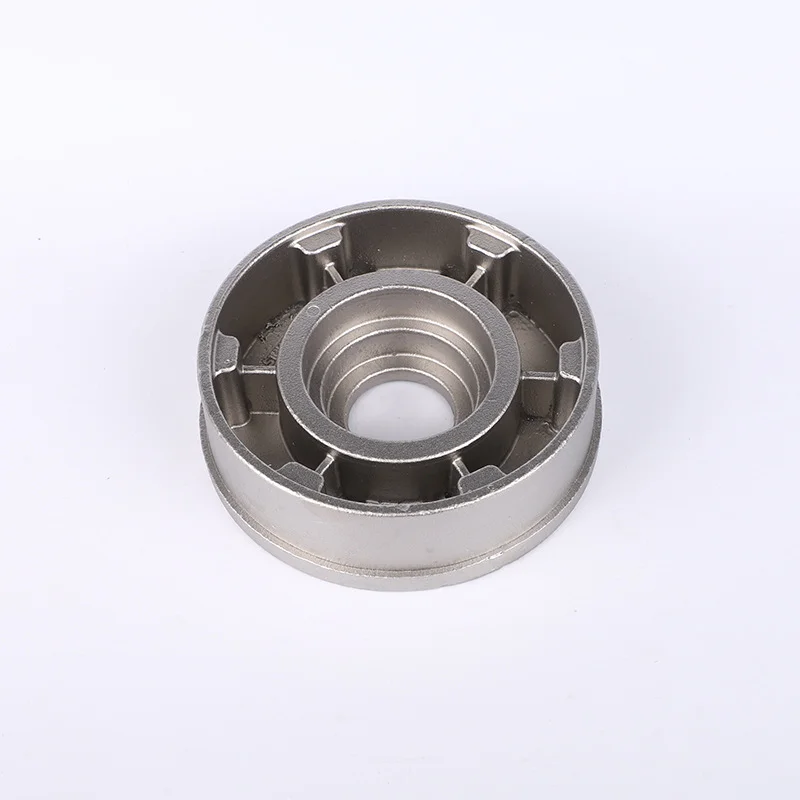
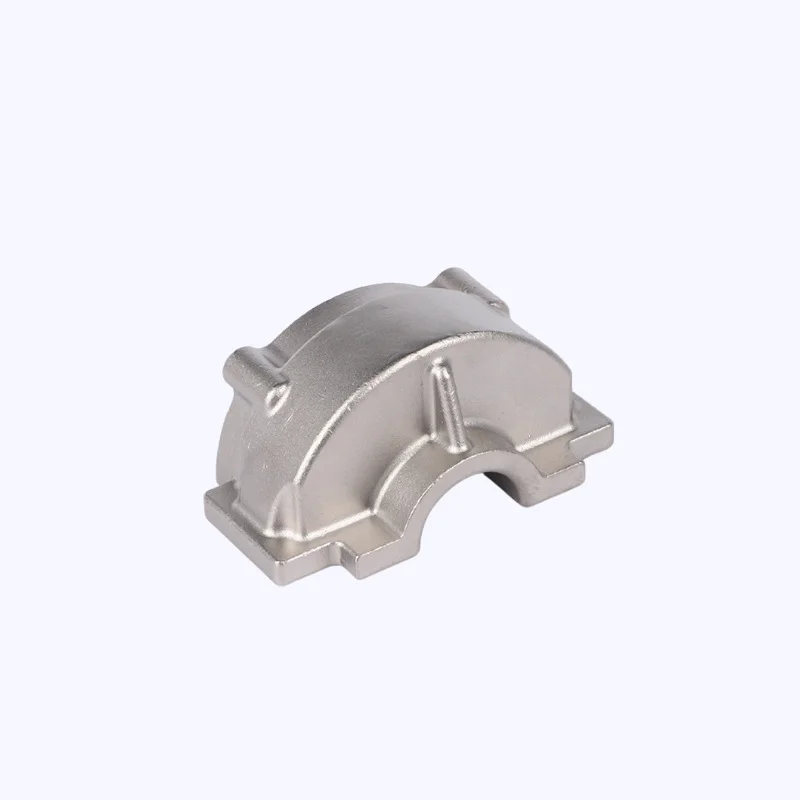
Relia custom tool-part enquiries cover grey or ductile iron components through sand casting or a separately agreed investment casting route. Precision CNC machining is listed for the parts. OEM, ODM and OBM support can follow custom material, shape, size and surface requirements for industrial equipment.
Select the actual tool-part category
Five choices identify the enquiry direction. Define the delivered component within the selected category so its material and assembly requirements can be assessed individually.
- Hand Tool Parts
- Power Tool Parts
- Garden Tool Parts
- Construction Tool Parts
- Lifting Tool Parts
Describe the component and machining scope
Provide the complete iron specification and controlled drawing revision. Show the interfaces requiring CNC work and the dimensional relationships that govern installation. State the required surface condition and identify which areas are cosmetic or functional. Clarify whether the order concerns a cast part alone or an associated assembly.
Define approval for the intended tool
Identify the working duty, inspection coverage and records needed for acceptance. For a lifting-related component, specify the applicable load and approval requirements for the actual design. Agree warranty duration and coverage for the selected order rather than assigning terms from the broad category.
State the quantity and initial component-approval stages. Keep approved changes connected to the same part drawing, material and supplied condition. This allows repeat enquiries to remain traceable to the selected tool component and its agreed casting, machining and surface scope.