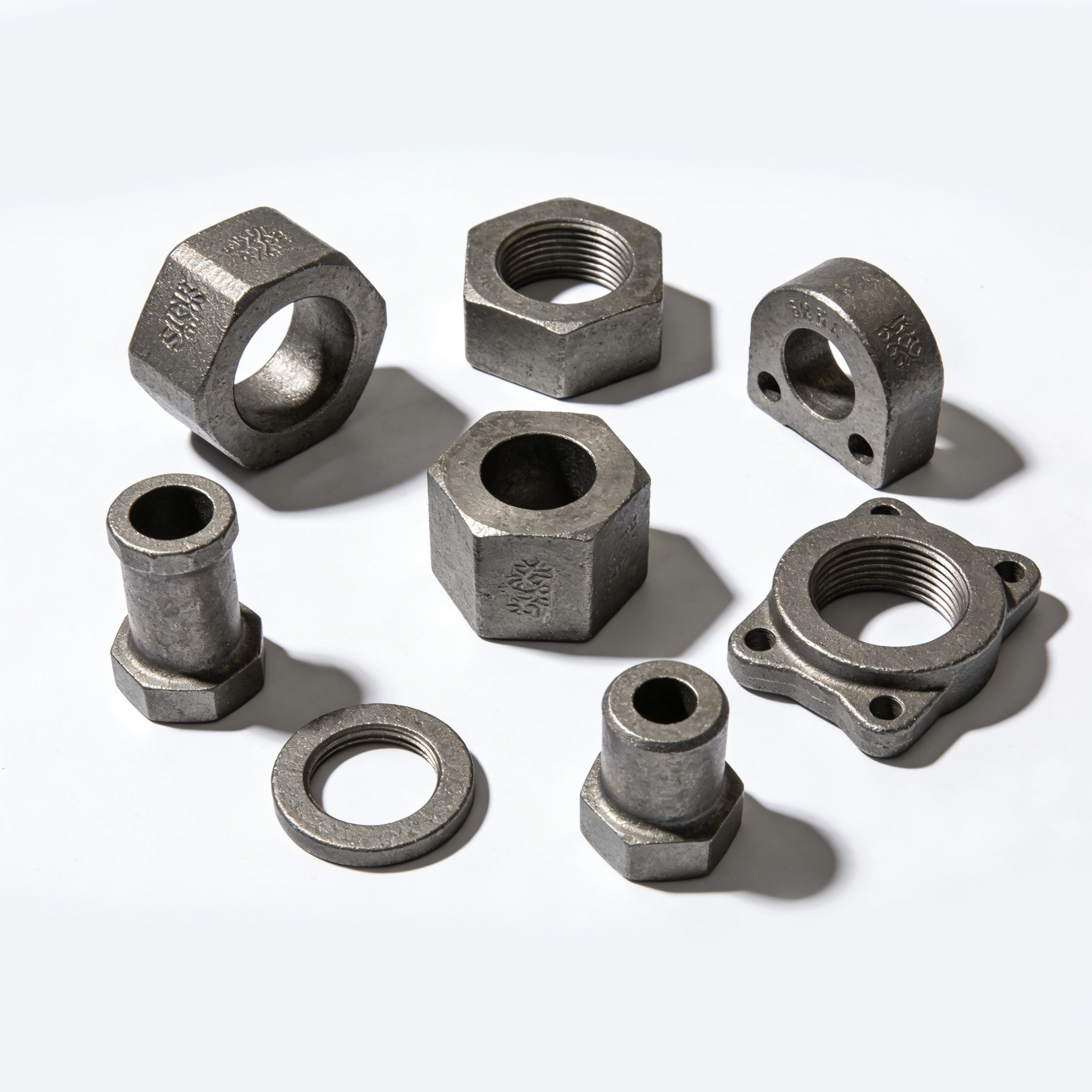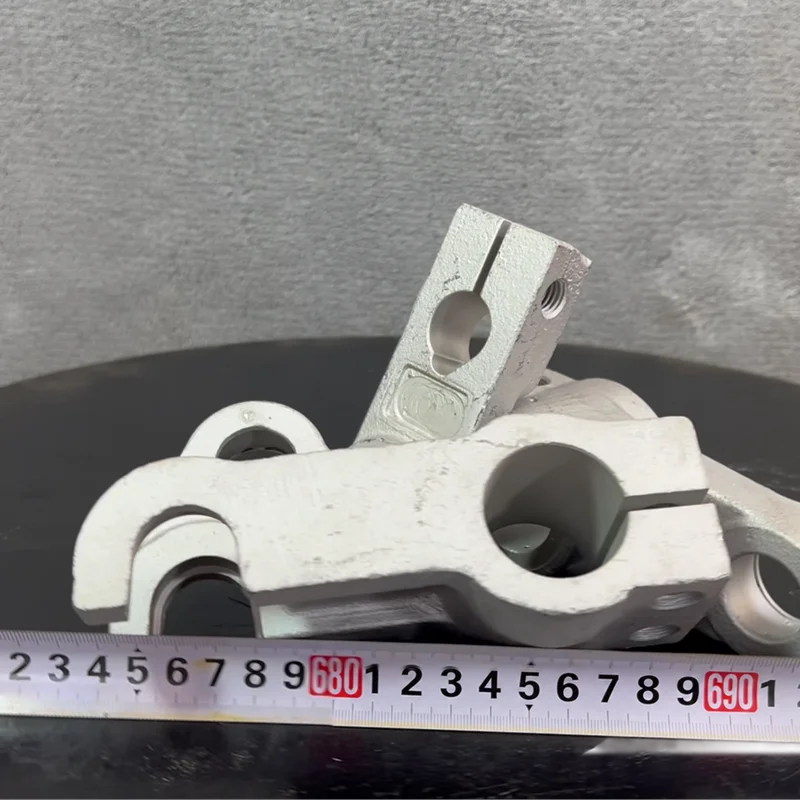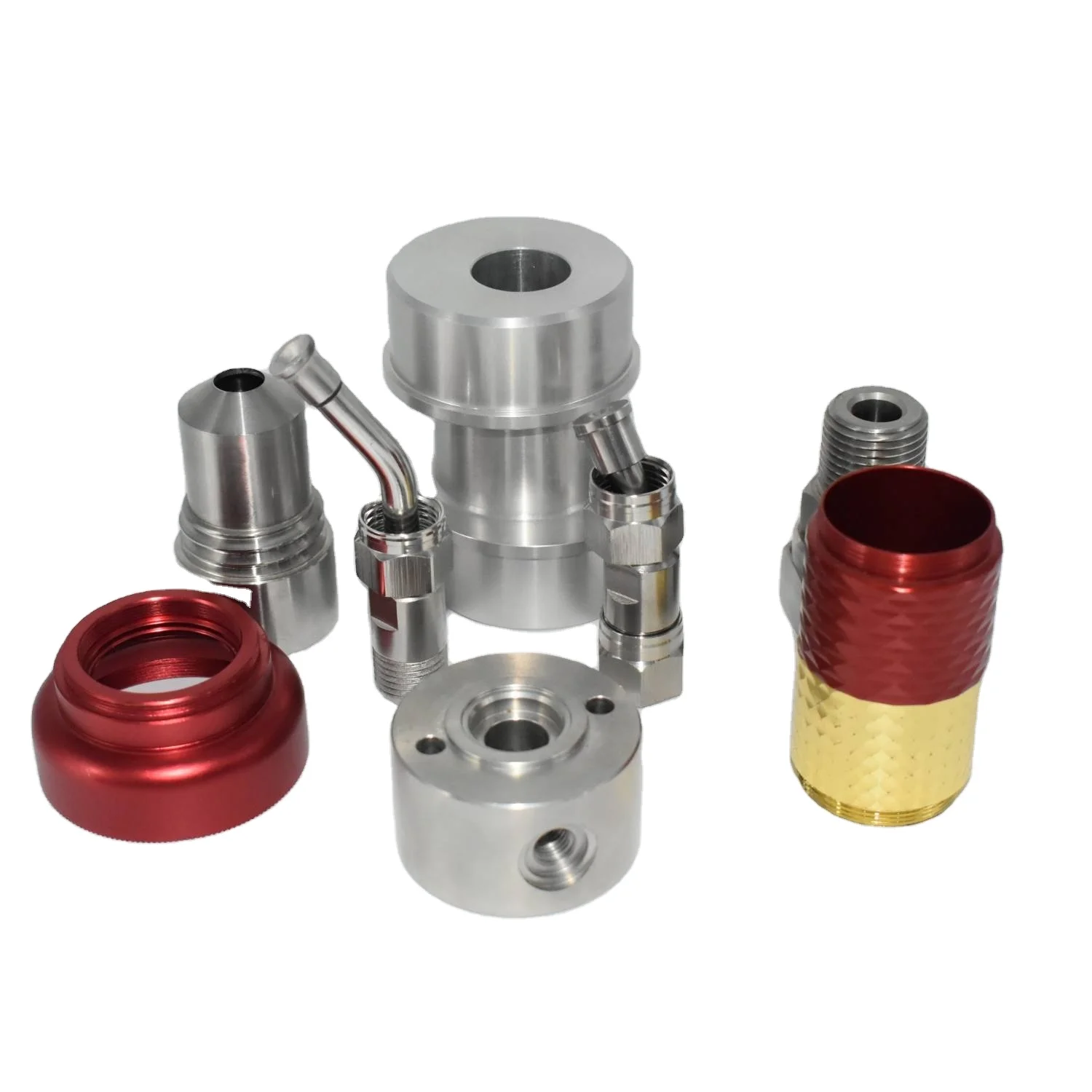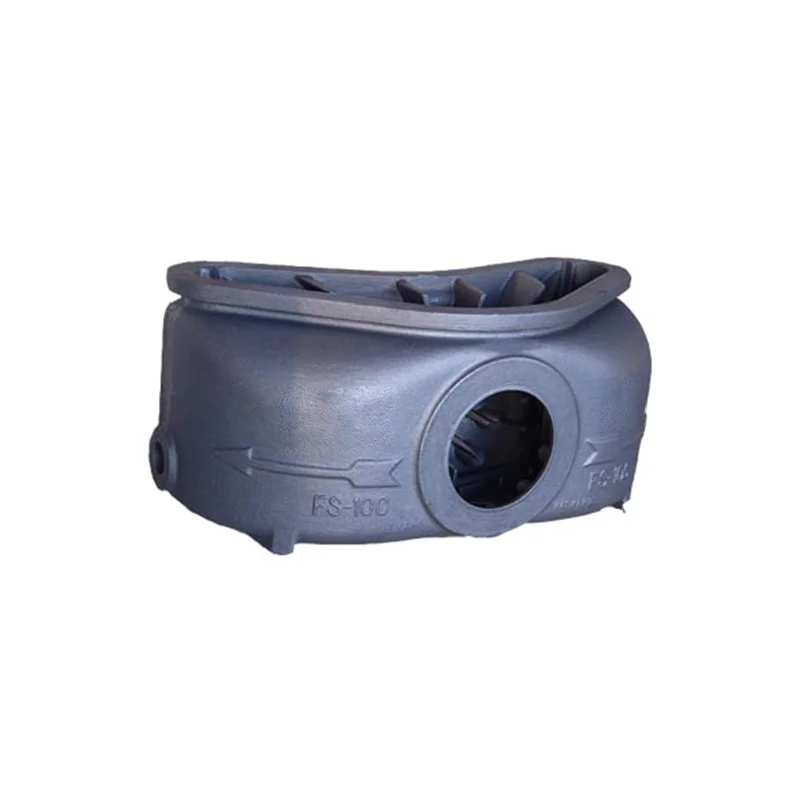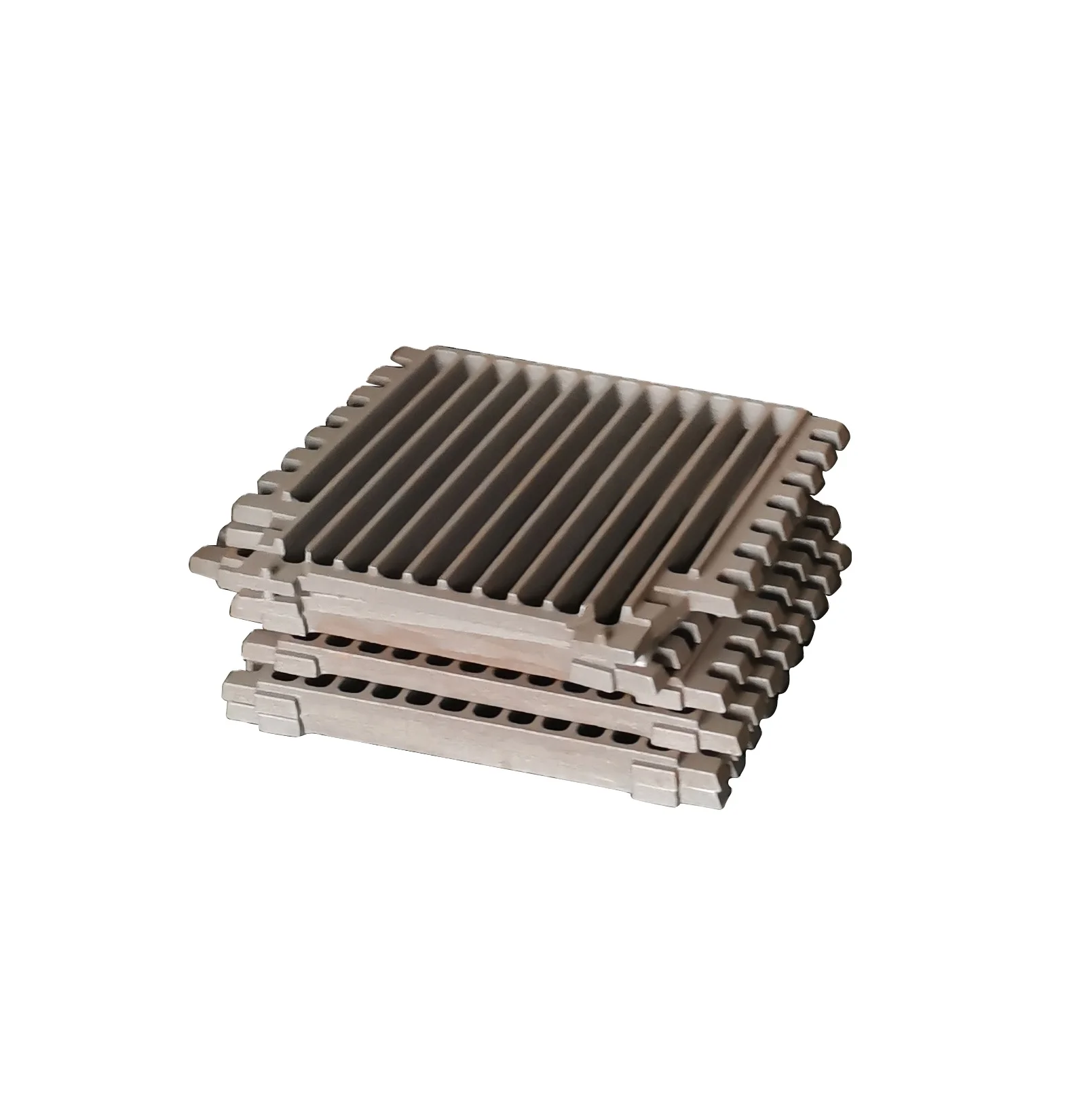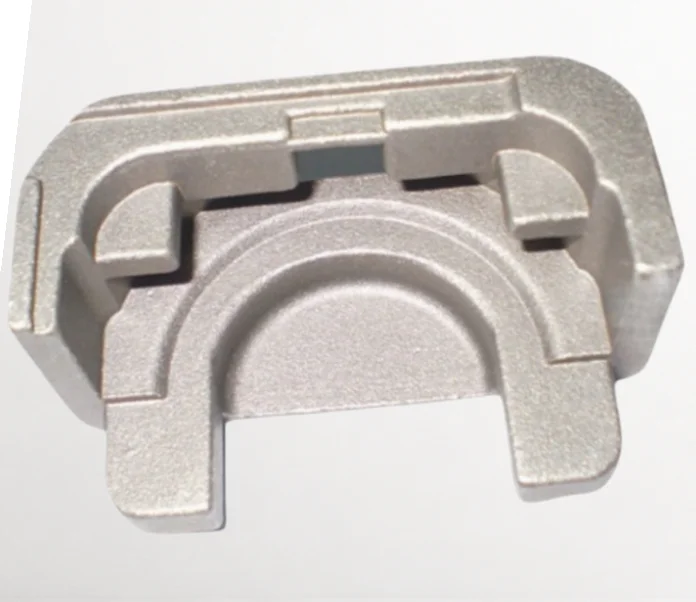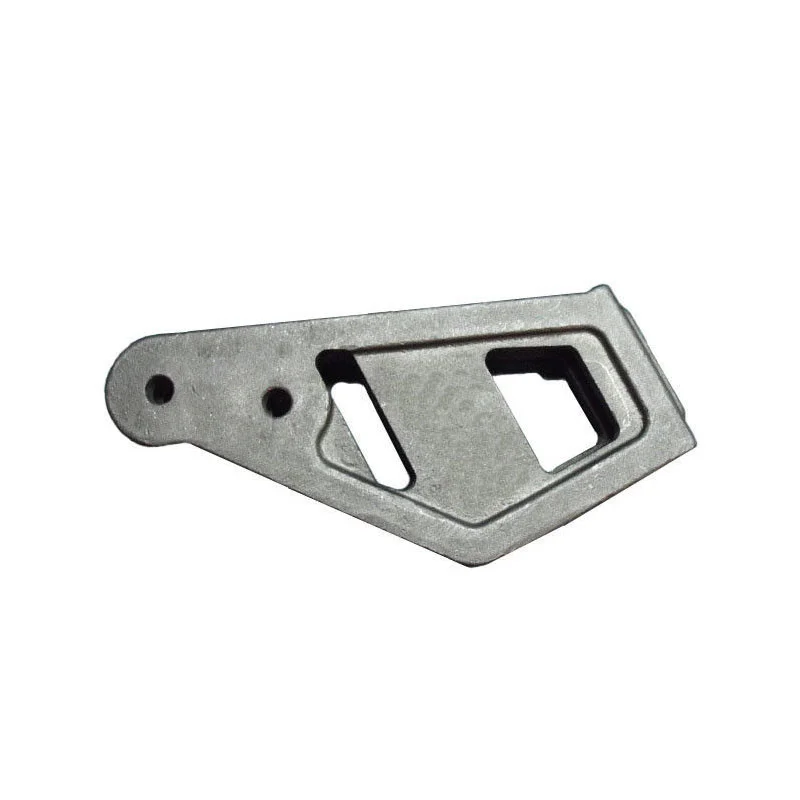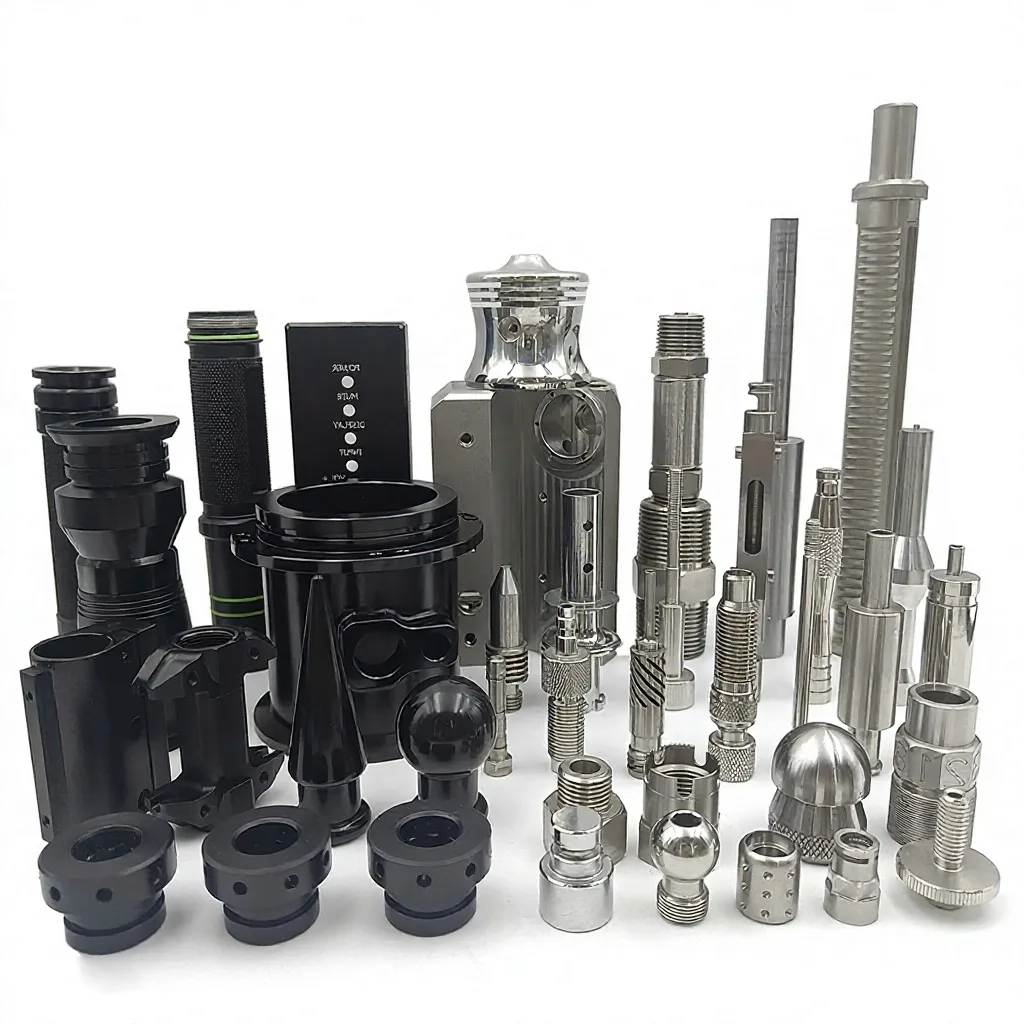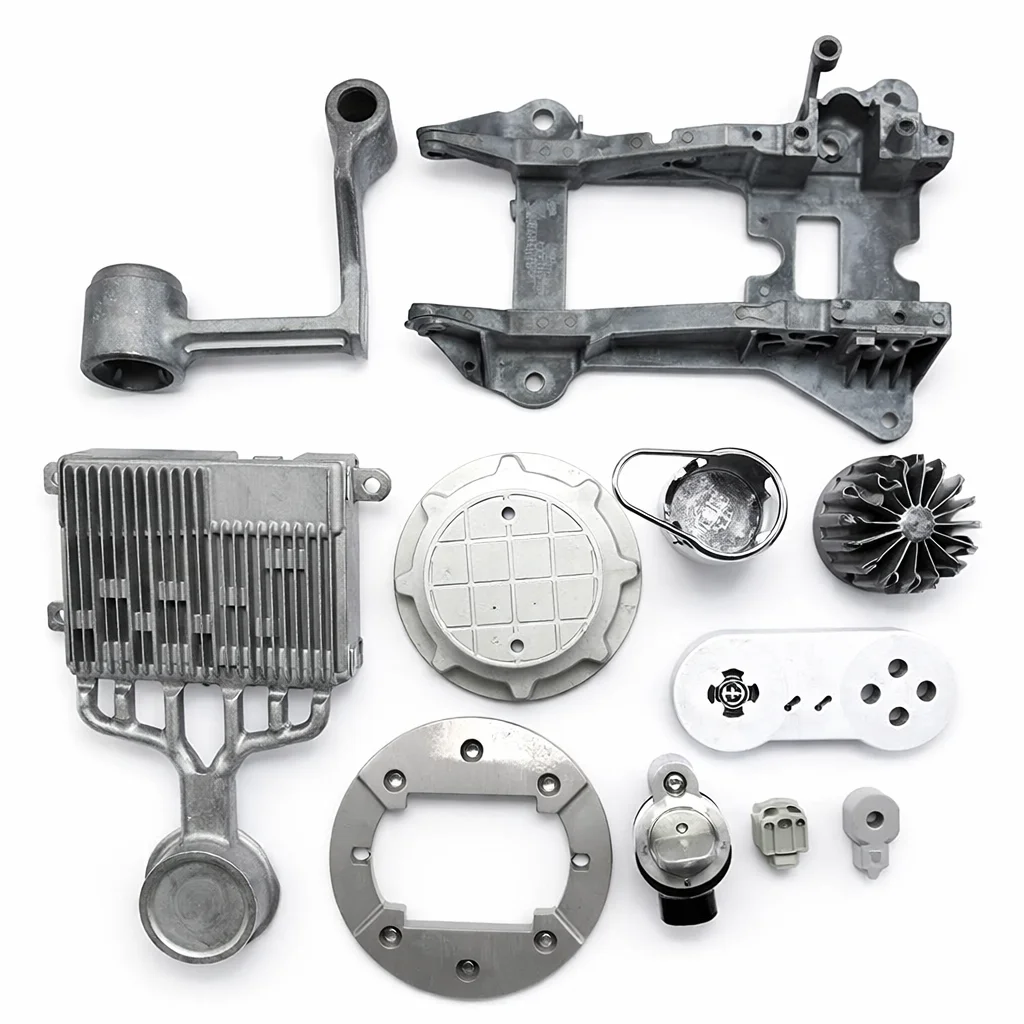
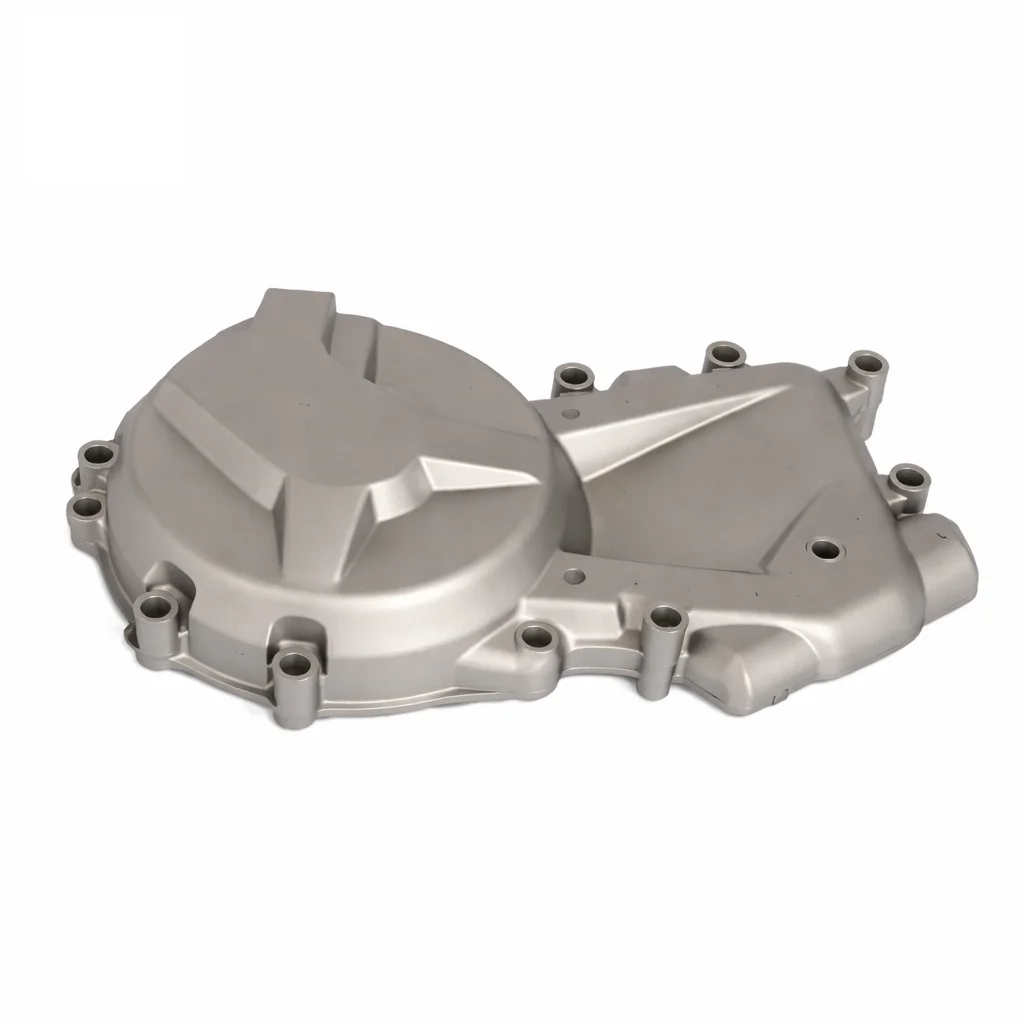
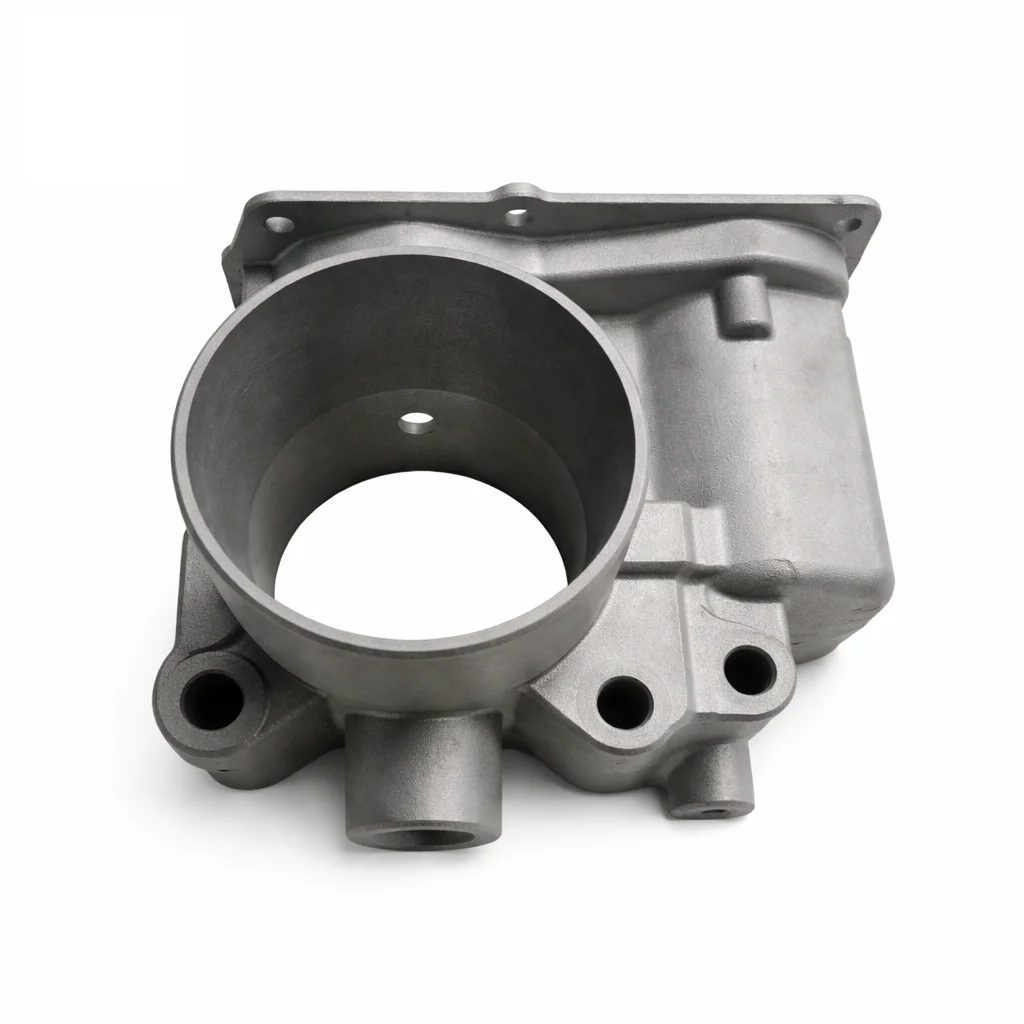
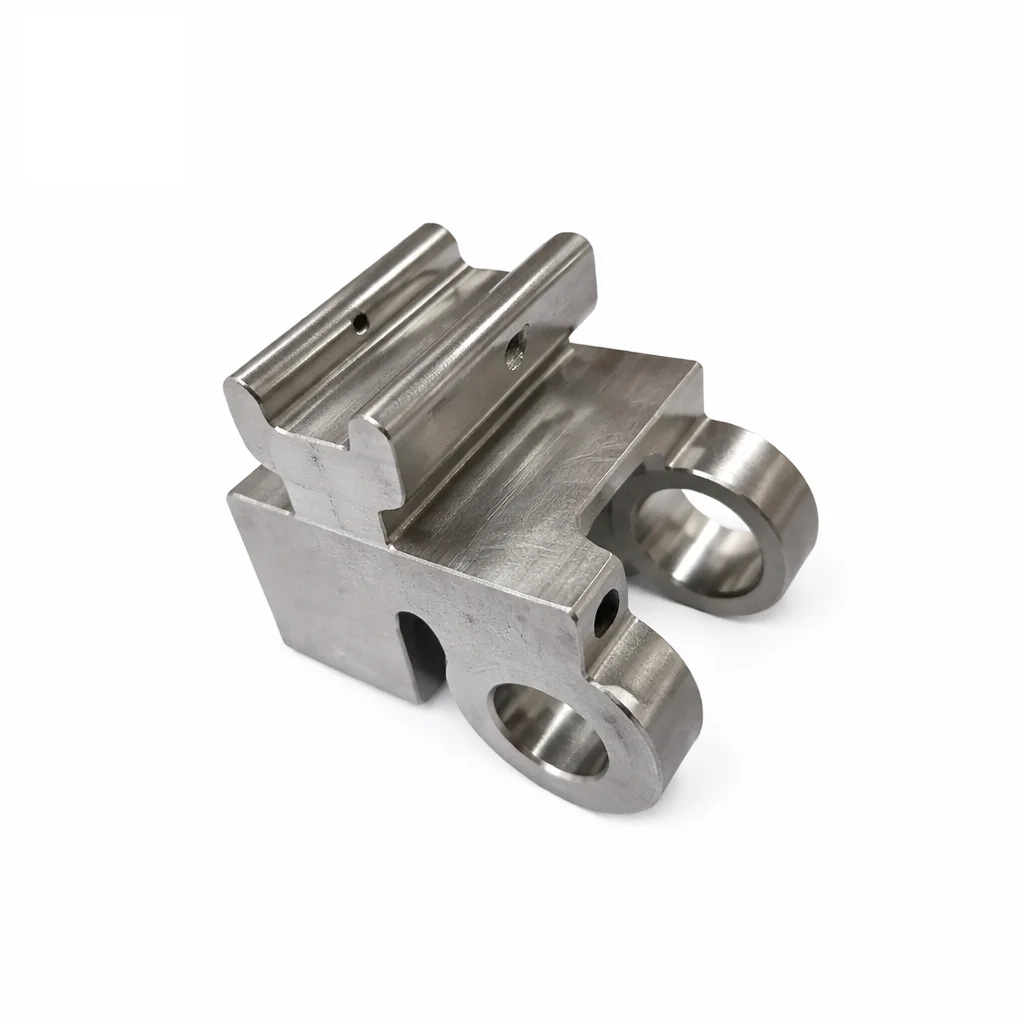
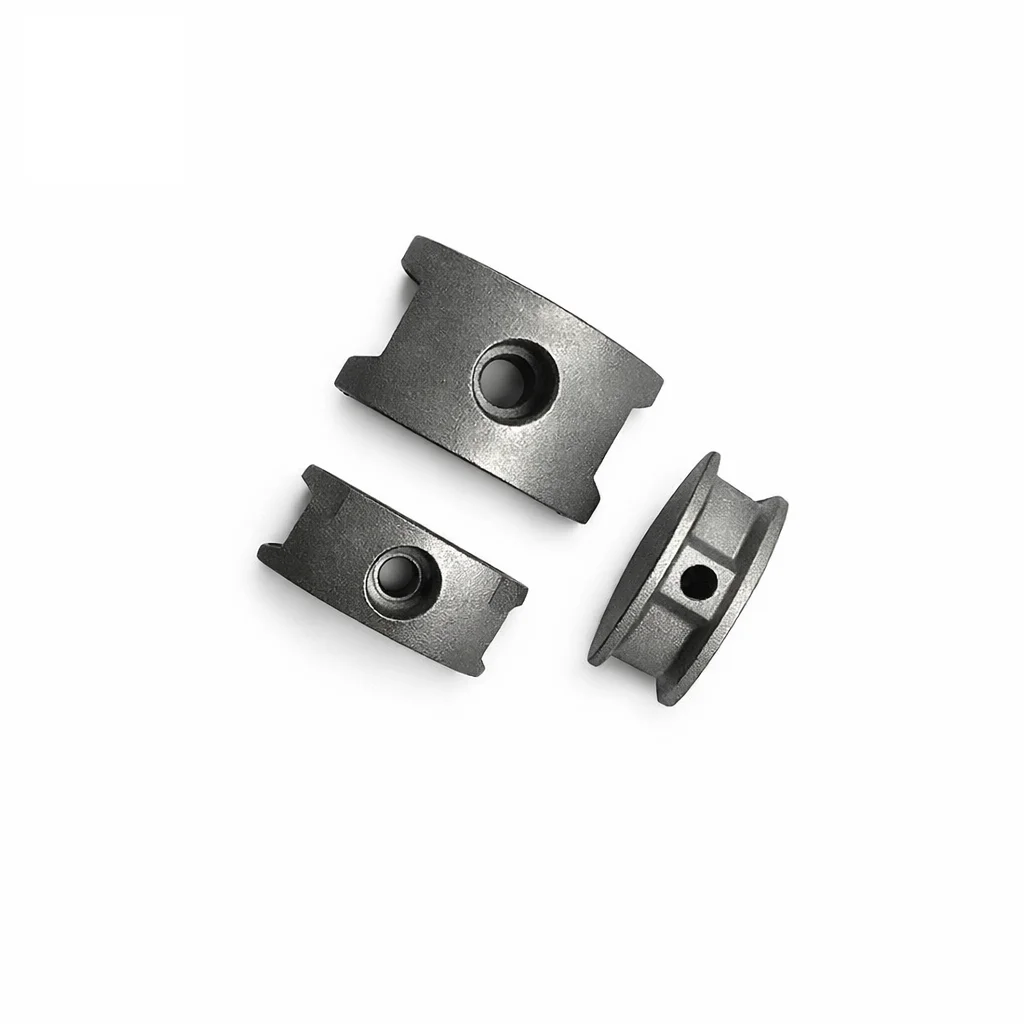
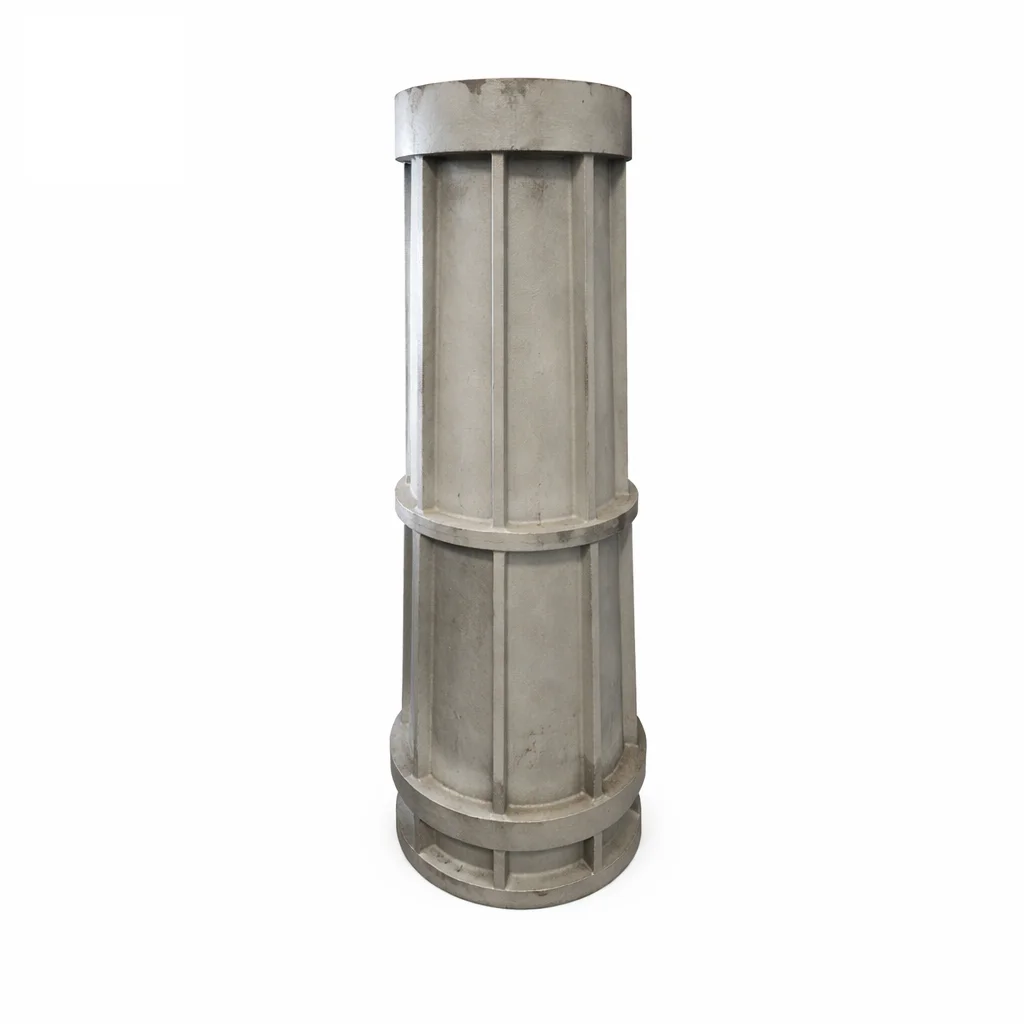
Relia OEM/ODM Metal-Parts Manufacturing: Custom Sand and Die-Casting Services
Direct factory support
Get a quote that fits your project
Send your drawing or product reference, material grade and required quantity. Relia will review the requirements with you.
- Drawing & specification review
Confirm the supply scope and critical requirements.
- Samples before custom production
Review inspected samples before approving a batch.
- Inspection documents
Agree material and dimensional records for your part.
-
MaterialAluminum, Brass, Bronze, Copper, Hardened Metals, Precious Metals etc.
-
ProcessDie casting, Sand casting, Investment casting, Lost foam casting etc.Heat treatmentQuenching & tempering; solution & aging
-
Surface treatmentPowder coating, Zinc plating, Laser engraving, Sandblasting etc.InspectionMetallographic analysis, MT, UT, RT, 100% visual+100%gauge, CMM etc.
-
OEM/ODMAcceptApplicationAuto, Motorcycle, Energy, Medical device, Robotics etc.
-
Drawing Format2D(PDF/CAD), 3D(IGES/STEP)CertificationISO9001:2015/IATF16949
-
StandardASTM, AISI, DIN, BS, JIS, NF, AS
Define the custom metal part by its material, final condition and required acceptance before selecting the manufacturing sequence. This OEM/ODM casting enquiry combines route, heat-treatment and finishing requests for an actual component. Each selected process should address the chosen alloy and drawing rather than be treated as a mandatory step for every item.
Match the Material to the Casting Route
Material capabilities include aluminum, brass, bronze, copper, hardened metals and precious metals. Select the complete designation and a suitable die, sand, investment or lost-foam casting route for the component. Automotive, motorcycle, energy, medical-device and robotics applications need their own duty and approval requirements.
Specify the Required Heat and Surface Condition
Heat-treatment requests include quenching and tempering or solution treatment and aging, chosen for the alloy and required condition. State which treatment and final material requirements belong to the selected part. Surface choices can then be defined against that condition and the working or visible areas on the drawing.
- Powder coating can be allocated to the specified component surfaces.
- Zinc plating can be agreed for the actual substrate and final condition.
- Laser engraving can follow the required component marking or design.
- Sandblasting can be specified with its coverage and surface acceptance.
Allocate Examination Coverage Explicitly
Inspection includes metallographic analysis, MT, UT, RT and CMM. Visual and gauge checks have stated 100% coverage; the other methods need their relevant areas, coverage and acceptance defined separately. Use the component drawing to identify what each examination must establish.
Complete the Technical Approval Request
Drawing formats are PDF, CAD, IGES and STEP, with ASTM, AISI, DIN, BS, JIS, NF and AS as standard-family references. Name the actual governing document and grade and request applicable ISO9001:2015 and IATF16949 documentation and scope. Include quantity and final-condition criteria so the casting, treatment and inspection proposal can be reviewed as one defined component supply.