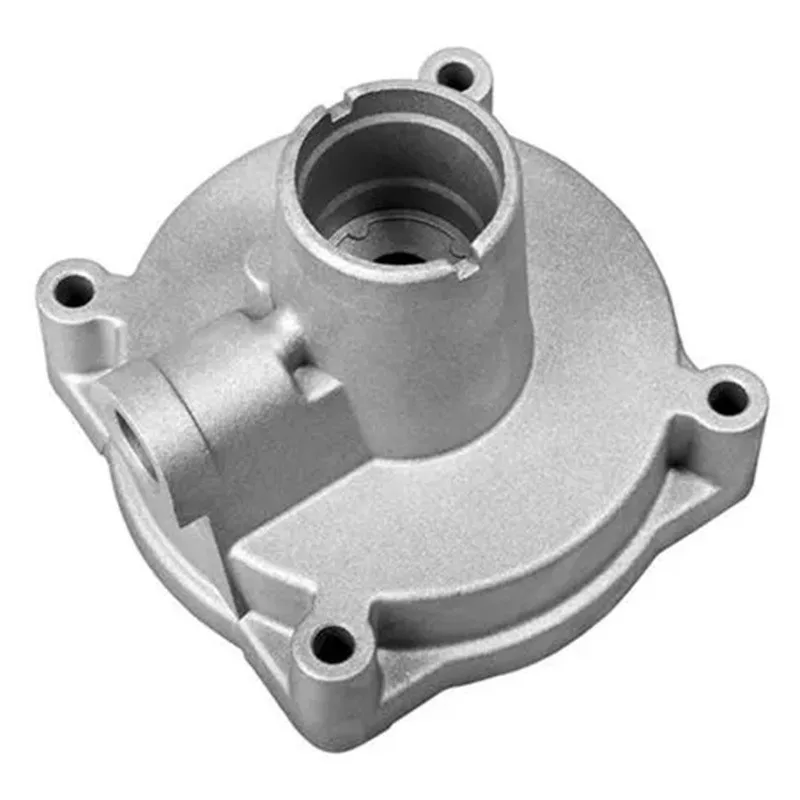
Relia ZL114 Low Porosity Aluminum Sand Castings for Sealed Component Pressure Vessel Enquiries and Separate Die CNC Parts
Direct factory support
Get a quote that fits your project
Send your drawing or product reference, material grade and required quantity. Relia will review the requirements with you.
- Drawing & specification review
Confirm the supply scope and critical requirements.
- Samples before custom production
Review inspected samples before approving a batch.
- Inspection documents
Agree material and dimensional records for your part.
-
Brand NameRelia
-
Product namecast aluminum productSurface treatmentShot Blasting, Polishing,Anodizing, Electroplating
-
ProcessDie Casting MachiningApplicationAuto, Motorcycle, Industrial
-
Our ServiceOEMODM CNC machining,as per customer's requirementQuality control100 Inspection
-
MachiningCNC Machining
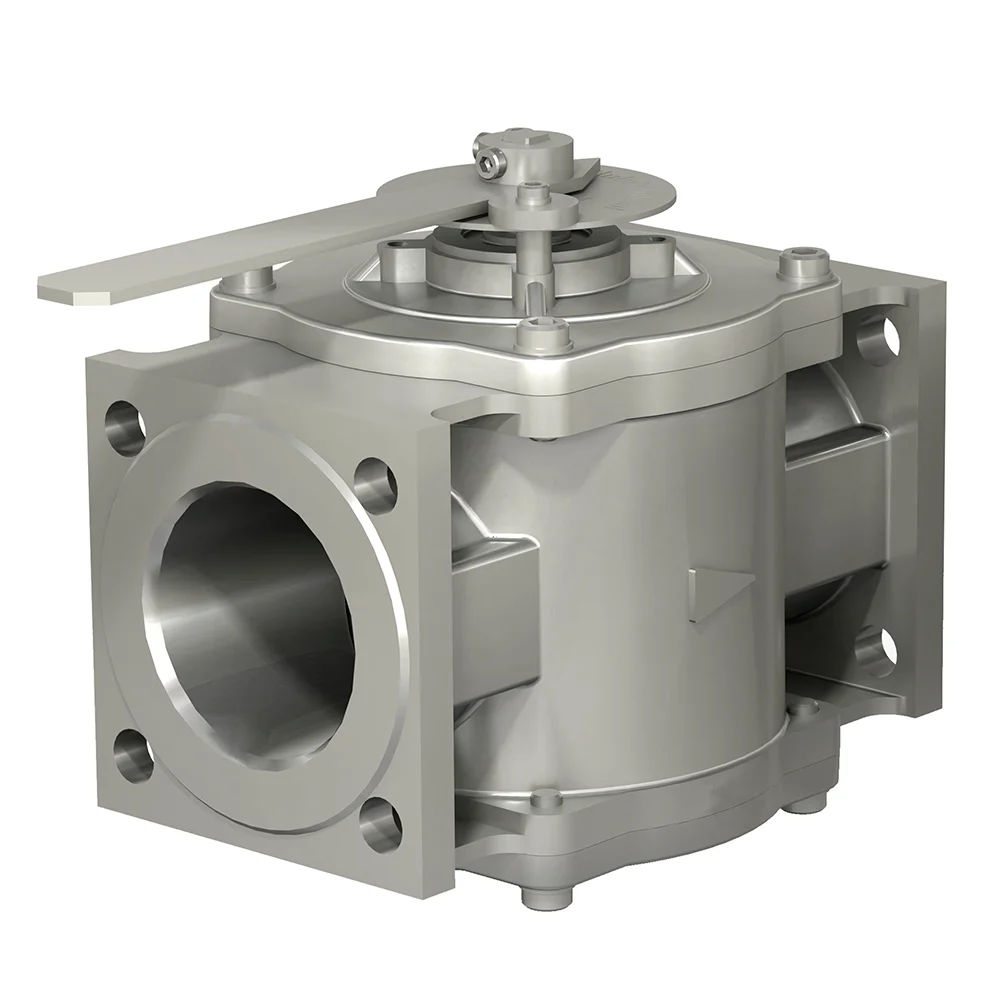
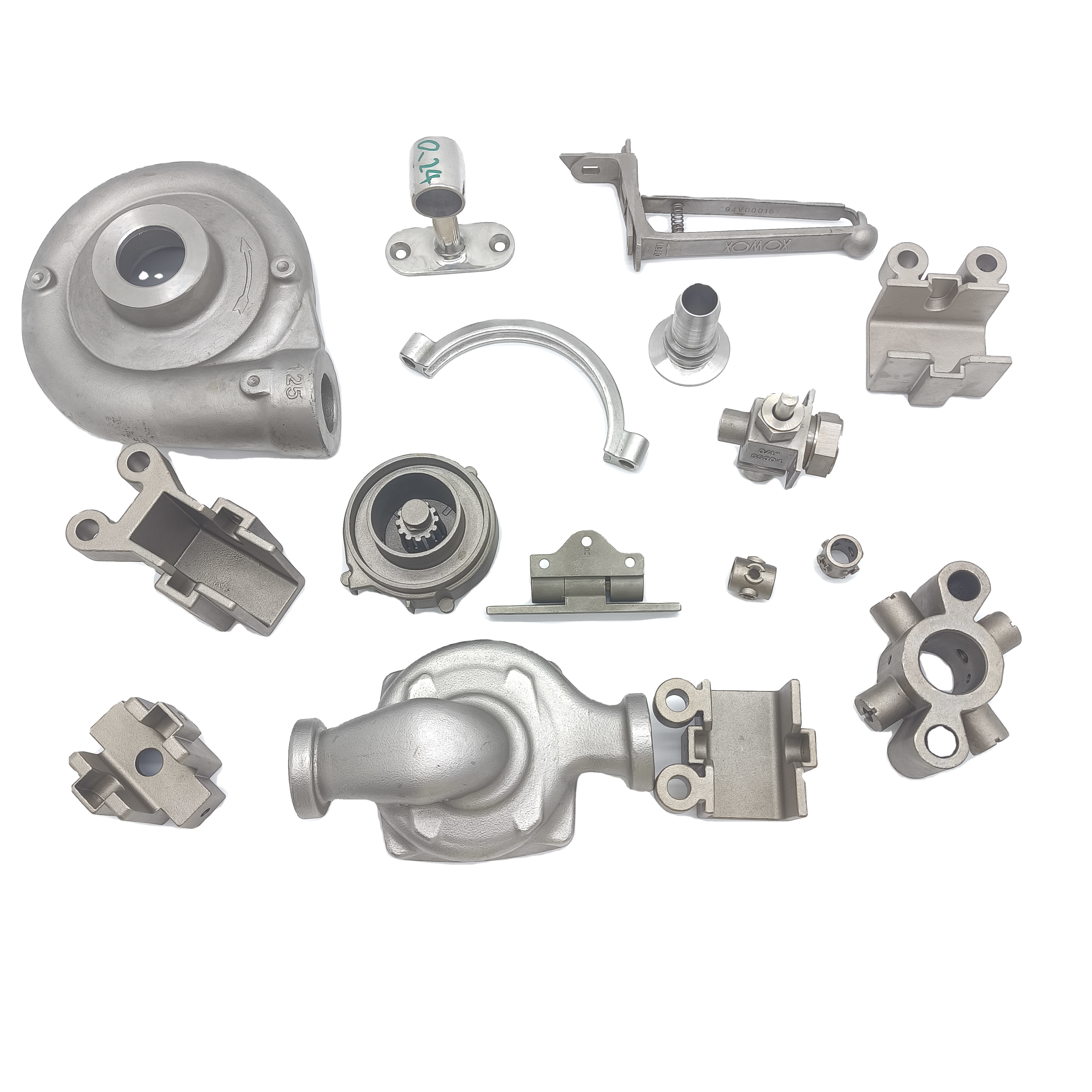
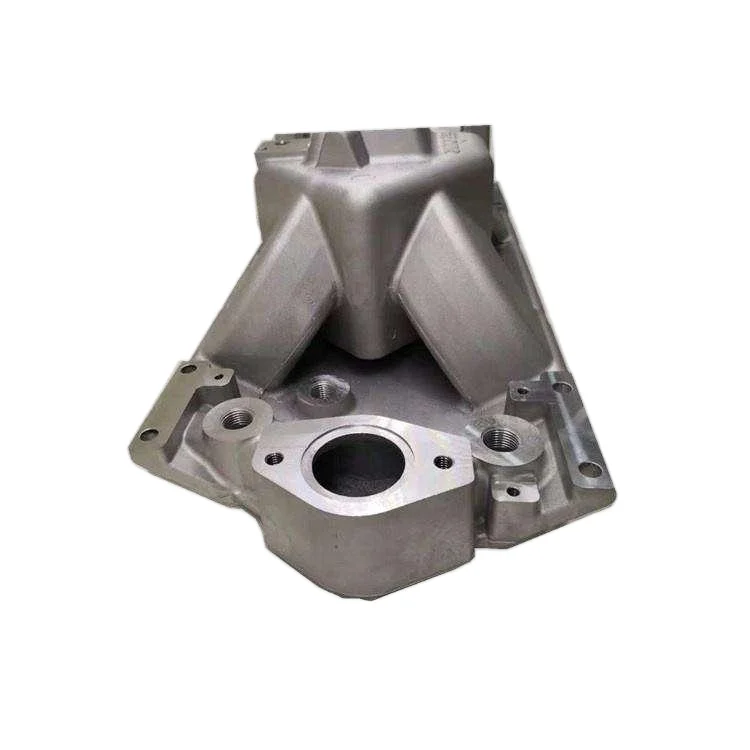
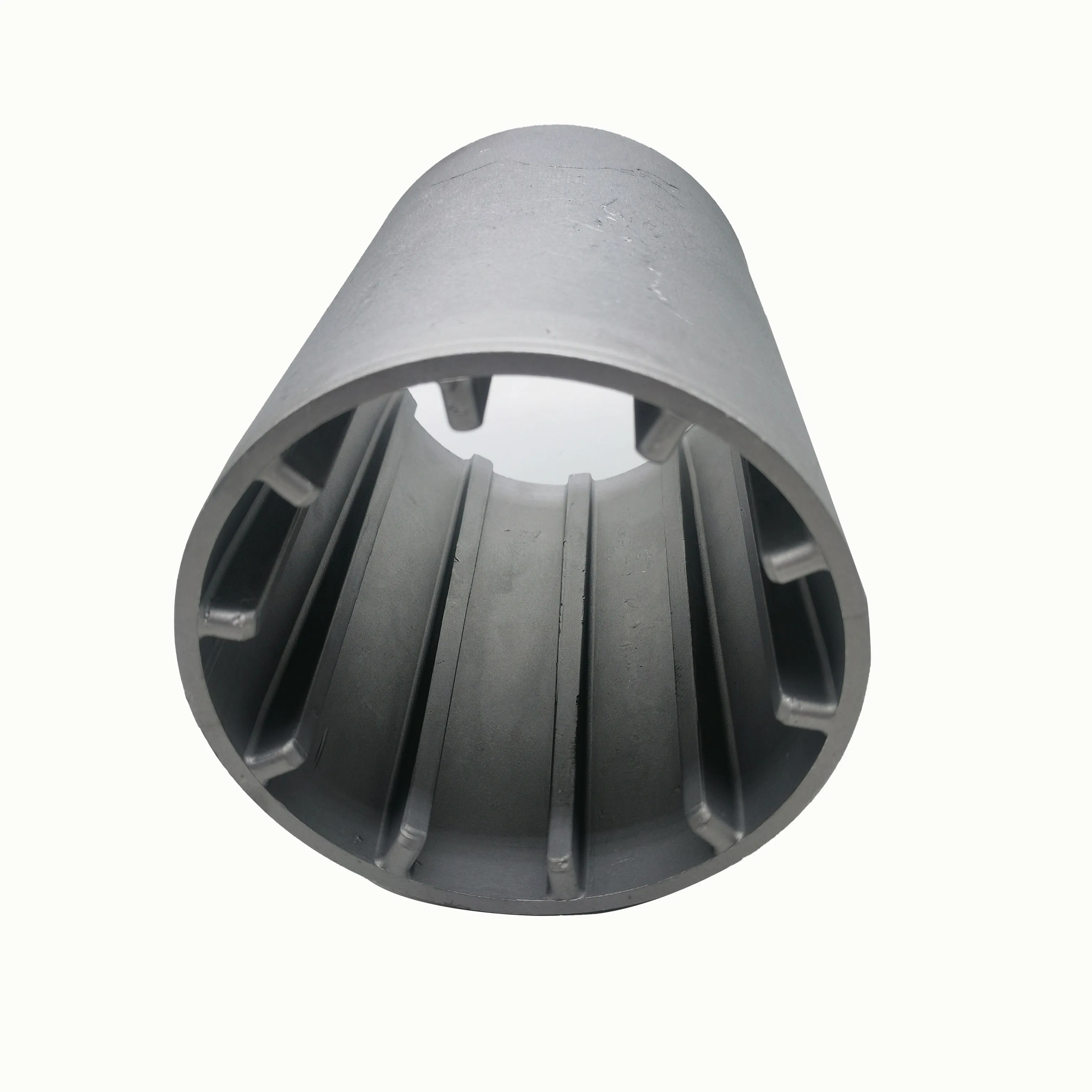
Relia ZL114 aluminum-alloy sand-casting enquiries include low-porosity requirements for sealed components or pressure-vessel designs. Separately selected die-cast and CNC-machined automotive, motorcycle or industrial parts need their own component definition. Specify the complete alloy and actual manufacturing route for each drawing.
Define porosity and service acceptance
State the allowed porosity, sealing interfaces and service conditions required by the selected design. Identify the pressure or leak checks and supporting records needed for approval. Put the actual component duty and acceptance criteria into the brief before agreeing its supplied configuration.
Locate the CNC-controlled geometry
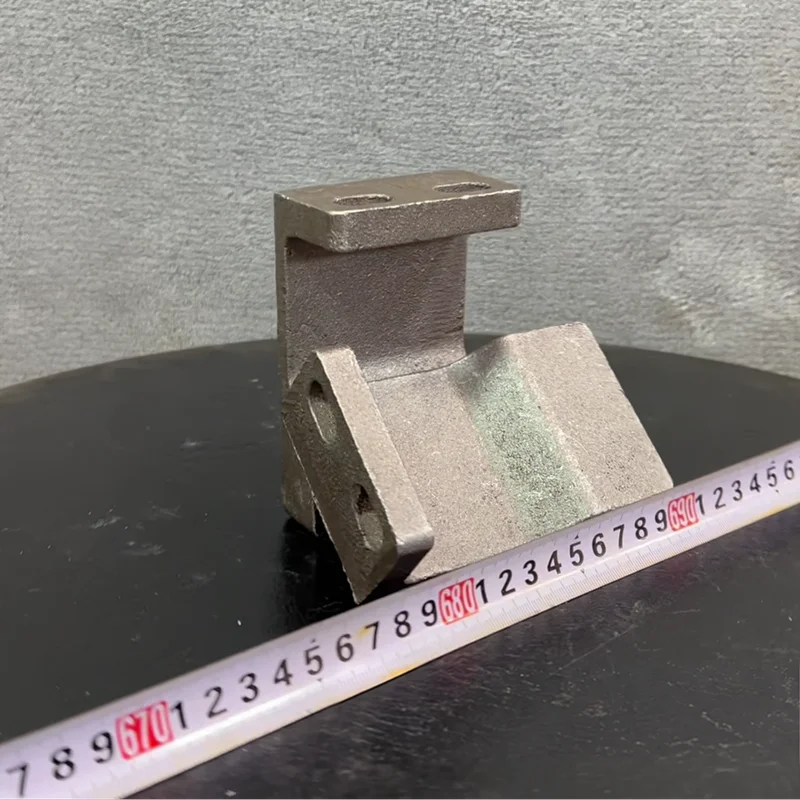
OEM/ODM CNC work follows customer requirements. Mark datums and finished dimensions at mounting, mating and working interfaces. Distinguish general cast form from geometry requiring final machining, with measurement conditions identified for the supplied stage.
Set the surface and inspection requirement
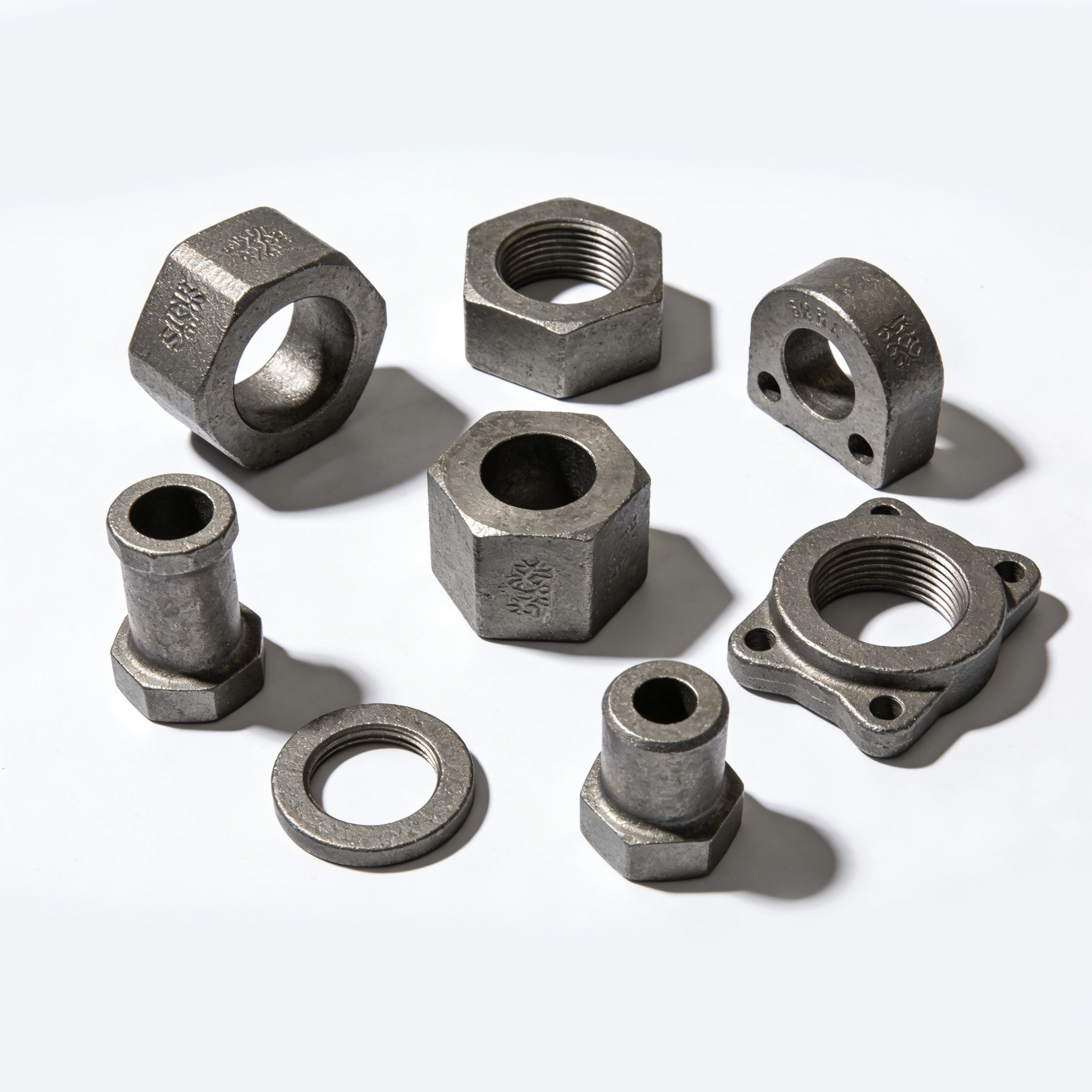
Shot blasting, polishing, anodizing and electroplating are finish choices. Define coverage, appearance and masking for a compatible substrate. Specify the inspection quantity or coverage together with actual methods and reporting, identifying the material, dimensional and surface characteristics assessed for acceptance. Identify the inspection stage used to assess porosity and the finished sealing interfaces.
- Provide quantity and the controlling component revision.
- Identify the required material condition.
- Explain what an initial component must demonstrate.
- Retain approved porosity, geometry and finish requirements with the order.
Keep acceptance tied to the selected sealed-component or separate casting design and its actual delivered state.