Sand-Casting Patterns and Complex Moulds by 3D Printing — Metal SLM, Rapid Prototypes and Low-Volume Part Enquiries
Direct factory support
Get a quote that fits your project
Send your drawing or product reference, material grade and required quantity. Relia will review the requirements with you.
- Drawing & specification review
Confirm the supply scope and critical requirements.
- Samples before custom production
Review inspected samples before approving a batch.
- Inspection documents
Agree material and dimensional records for your part.
-
Application Fieldsautomotive parts, Medical & Healthcare, industrial parts, Awards and Corporate Gifts, Display Models and Scale Models, Prototyping and Functional Prototypes, Anime Figures and Collectibles, Equipment Enclosures and Housings, Custom Jewelry, Art and Sculptures, Home Decor, Aerospace and AviationGeneral Tolerances±0.005mm
-
Surface Roughness Measurement InstrumentsPer seller requestHeat Deflection TemperaturePer seller request
-
Supported File FormatsSTP, STL, obj, 3MF Files, Step, IGES FilesTechnologySLM
-
Tolerance0.05mmMaterialMetal Powder
-
ProcessMetal SLMSurface treatmentCustomer's Request
-
ApplicationAutomotive, Aerospace, IndustrialColorCustomized Color
-
Layer Thickness0.05-0.3mm(FDM)/0.025-0.1mm(SLA)Build Size200x200x200mm or Custom
-
Post ProcessingSupport Removal
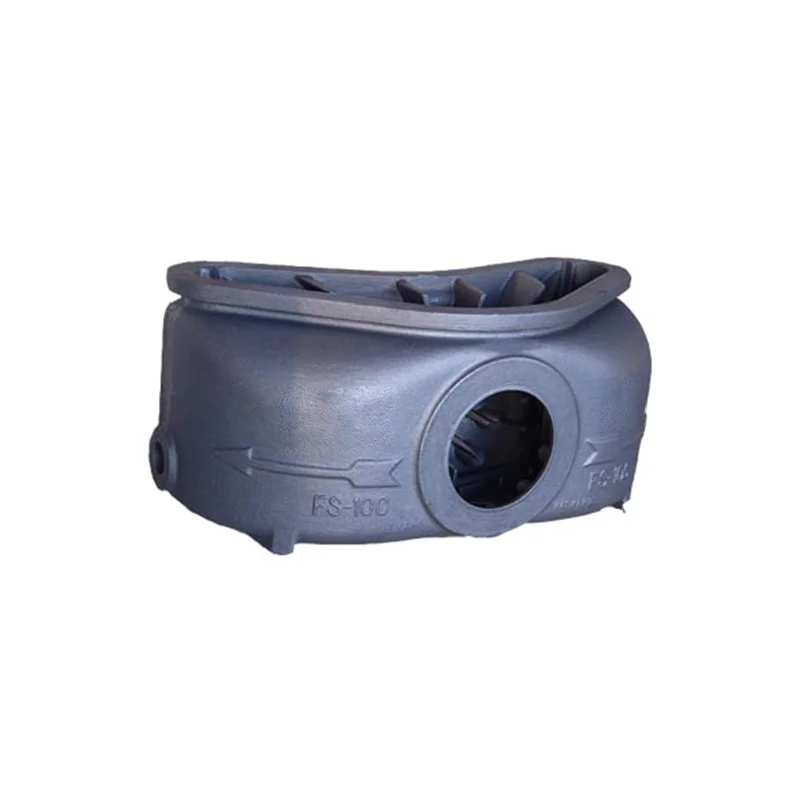
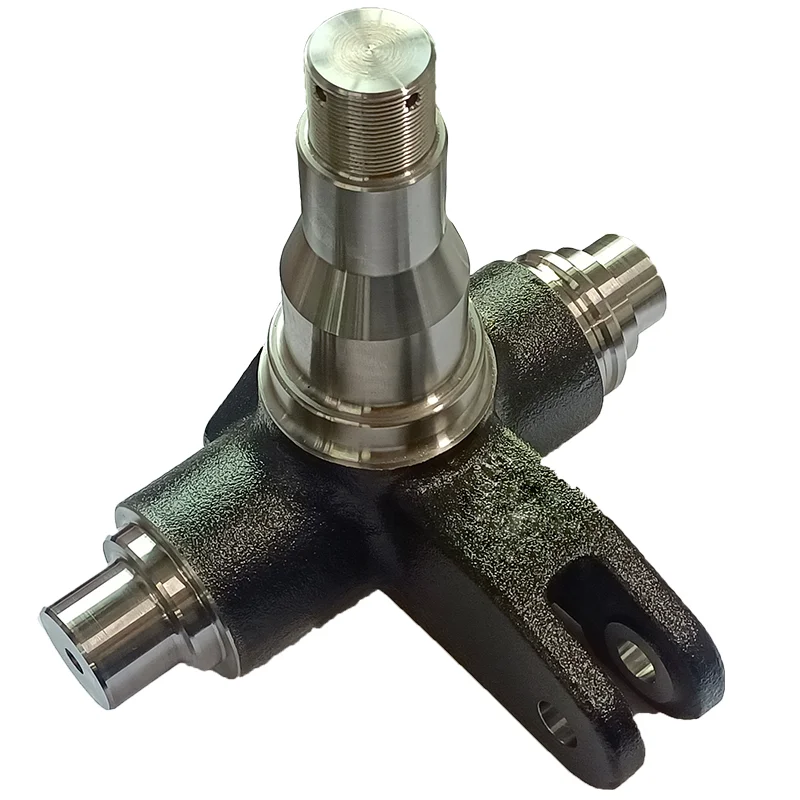
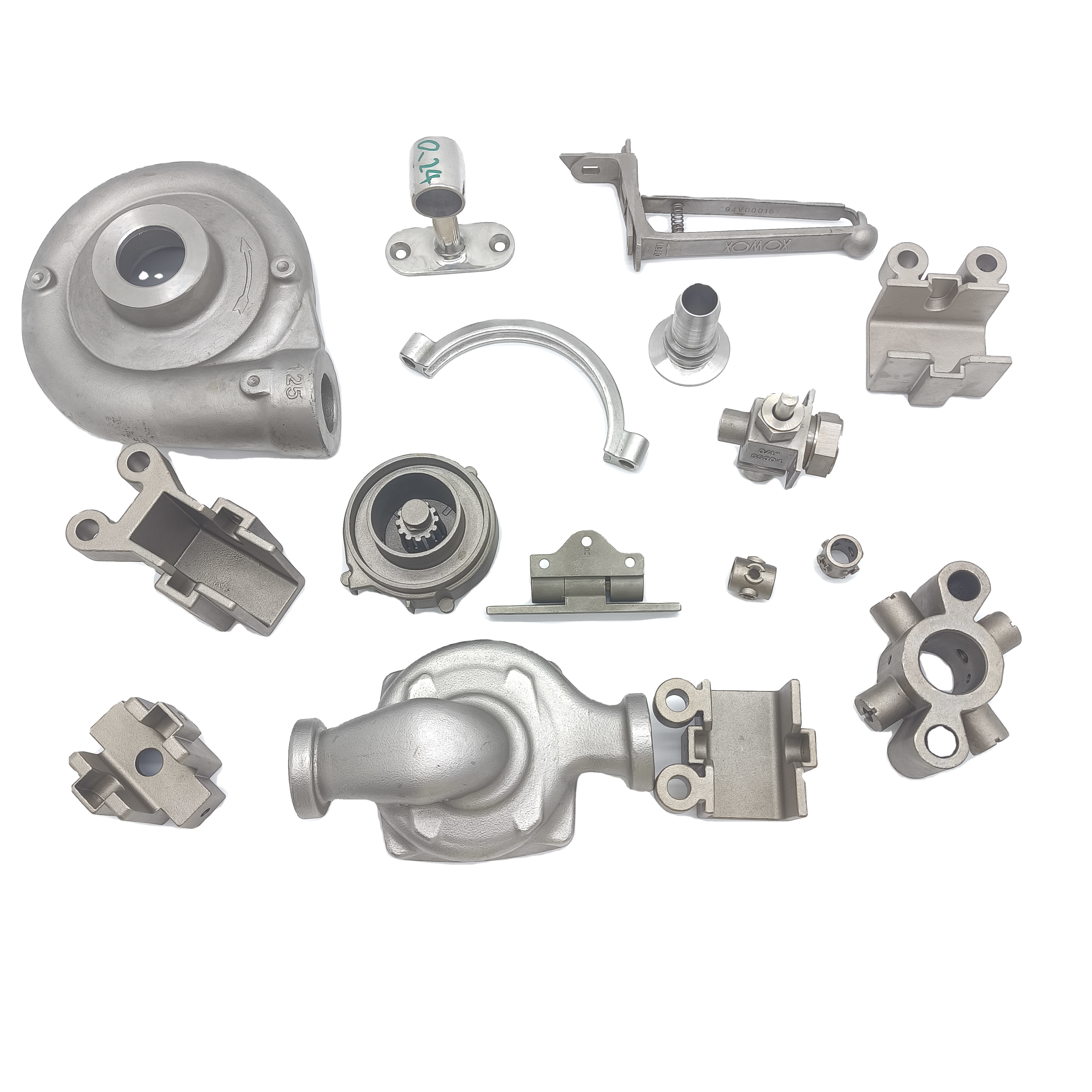
Printing enquiries should identify the pattern, mould, prototype or low-volume part required by the project. This service includes metal SLM with metal powder, sand-casting-pattern requests and complex mould enquiries. Other technologies include FDM, white inkjet printing, laser-cladding deposition, MJF, DLP, SLA, SLS and binder jetting.
Match the material to a compatible technology
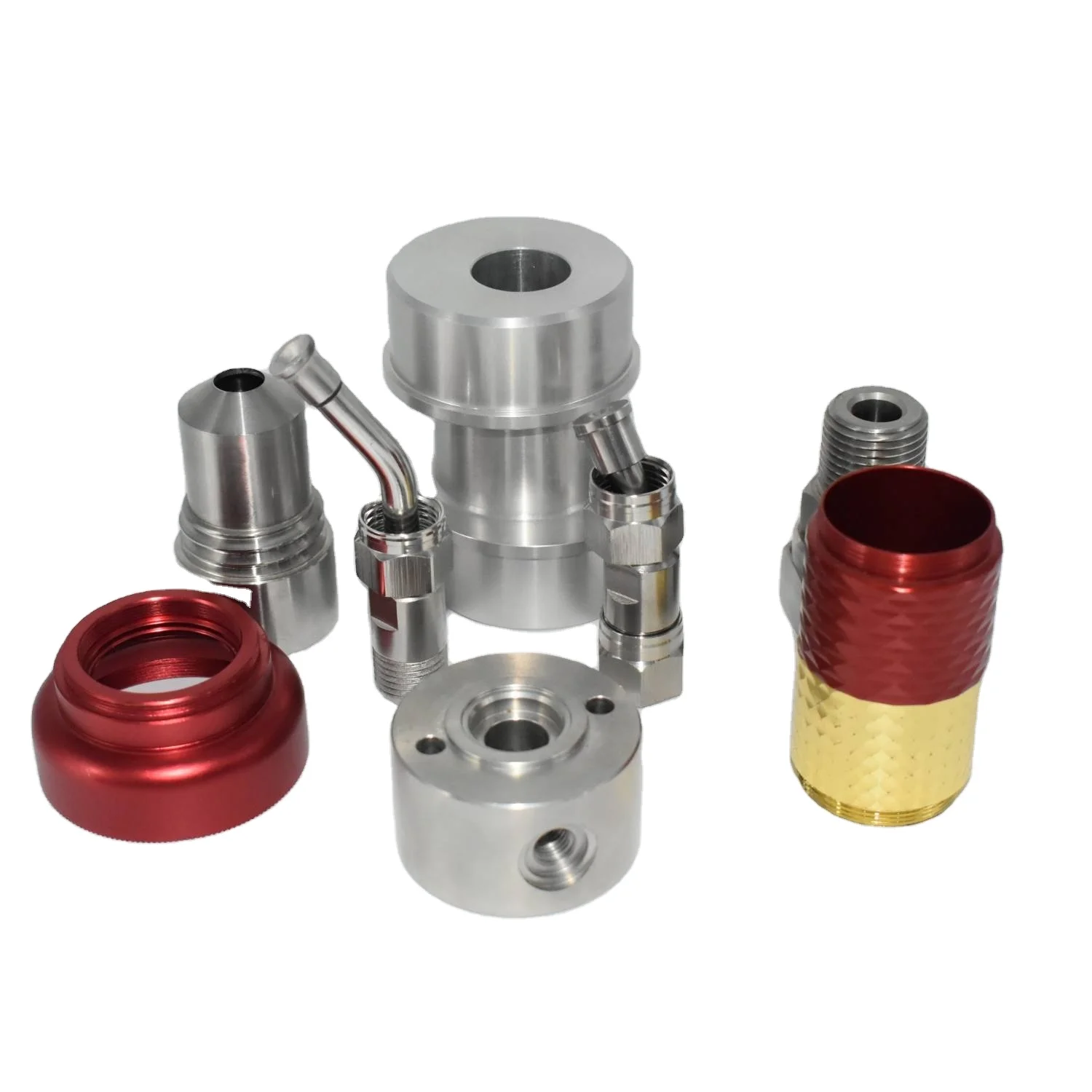
Material enquiries name stainless steel, polypropylene, aluminum alloys, high-performance resin, titanium and titanium alloys, ABS-like photopolymer, PEI with the Ultem 9085/1010 reference, PA11/PA12 nylon and ABS/ASA. Select a viable material/technology pair for the intended item. Metal SLM and polymer printing requests should retain their own process requirements.
Define build, layer and tolerance requirements
The build reference is 200 × 200 × 200 mm or custom. Layer thickness is referenced as 0.05–0.3 mm for FDM and 0.025–0.1 mm for SLA. Separate tolerance references are ±0.005 mm and 0.05 mm; identify the applicable dimensions, route, stage and acceptance basis rather than applying both to every printed surface.
- Provide STP/STEP, STL, OBJ, 3MF or IGES data.
- Identify the printed deliverable and evaluation purpose.
- Select material, technology and required build scope.
- Mark acceptance dimensions and surface requirements.
- Specify post-processing and required supplied condition.
- State quantity and application-document requirements.
Agree post-processing and intended-use acceptance
Support removal is named post-processing, with customized surface treatment and color. Roughness-measurement and heat-deflection requirements should be agreed for the selected material. Applications range from industrial, automotive, medical and aerospace projects to housings, models, awards, jewelry, collectibles and decor. Define the actual intended use and any qualification requirements for that item. Sample evaluation can be addressed separately from the material and technology selection.