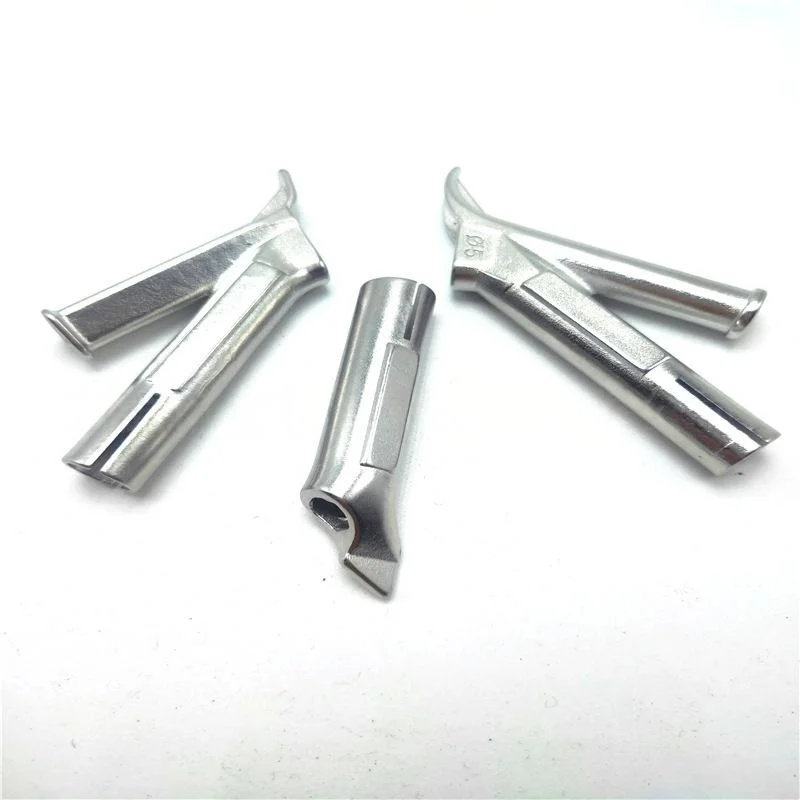
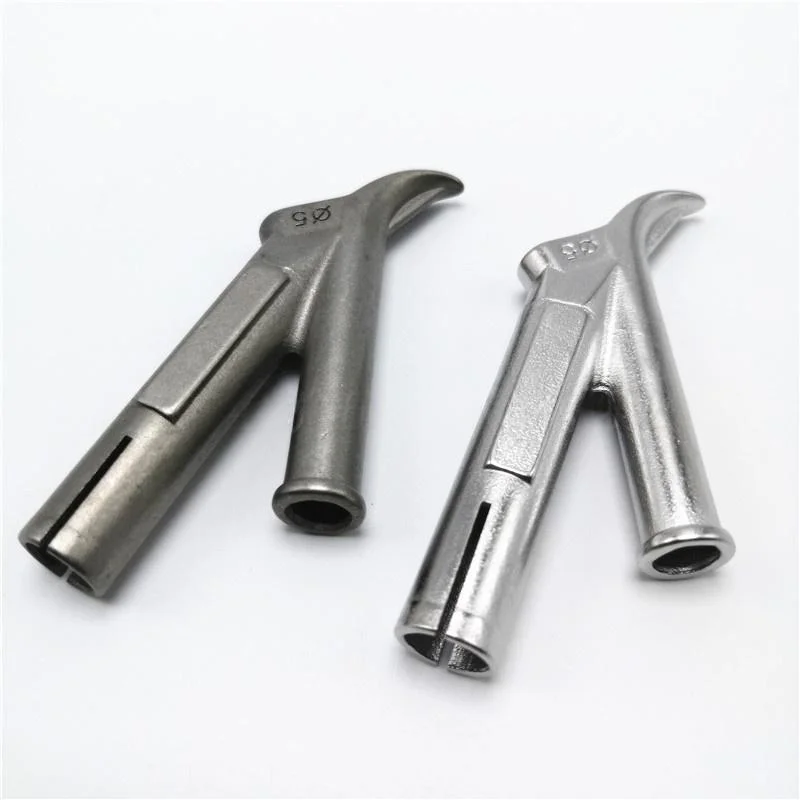
Stainless Steel Precision Casting Services — Sand Casting and Lost-Wax Investment Casting Enquiries
Direct factory support
Get a quote that fits your project
Send your drawing or product reference, material grade and required quantity. Relia will review the requirements with you.
- Drawing & specification review
Confirm the supply scope and critical requirements.
- Samples before custom production
Review inspected samples before approving a batch.
- Inspection documents
Agree material and dimensional records for your part.
A stainless-steel casting enquiry should define the component and the condition in which it must be supplied. Sand casting and lost-wax investment casting are separate route options for discussion. Begin with the required steel grade, drawing and intended duty so the process proposal can be evaluated against an actual finished part.
Specify the stainless grade and duty
Name the material designation and applicable standard required for the component. Include the operating conditions relevant to the intended application and the quantity being requested. The selected grade and its required condition should remain attached to the part geometry throughout the enquiry.
Choose a route for the geometry
Identify the process called for by the drawing or request a proposal based on the component shape and supplied condition. Keep the sand-casting and lost-wax investment enquiries distinct when comparing the manufacturing approach. The proposed route should address the particular part requirement.
- Provide the component drawing and current revision.
- Mark critical dimensions and their acceptance requirements.
- Identify surfaces that need machining or a selected finish.
- State the required inspection and delivered condition.
Give precision a defined acceptance basis
Agree numerical tolerances and the measurement criteria relevant to the ordered stainless component. Include tooling and material-condition requirements when establishing the supply scope. A clear component specification lets the buyer evaluate the proposed casting against the intended geometry and duty, while keeping the grade, process and finished-part acceptance requirements connected.