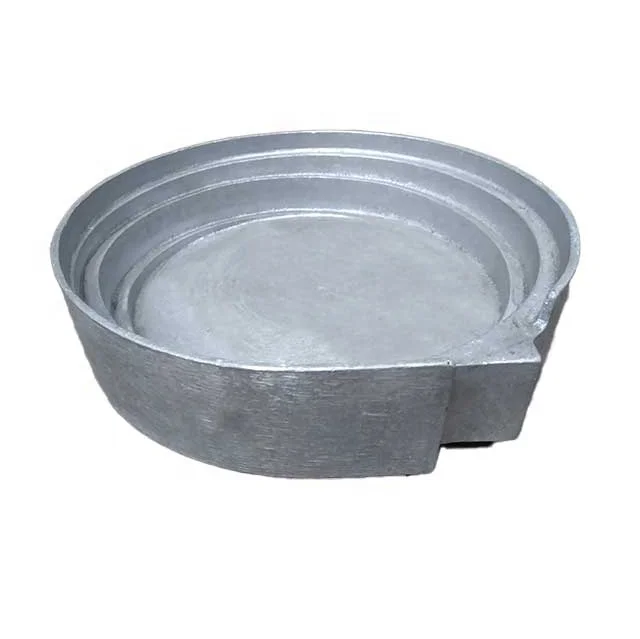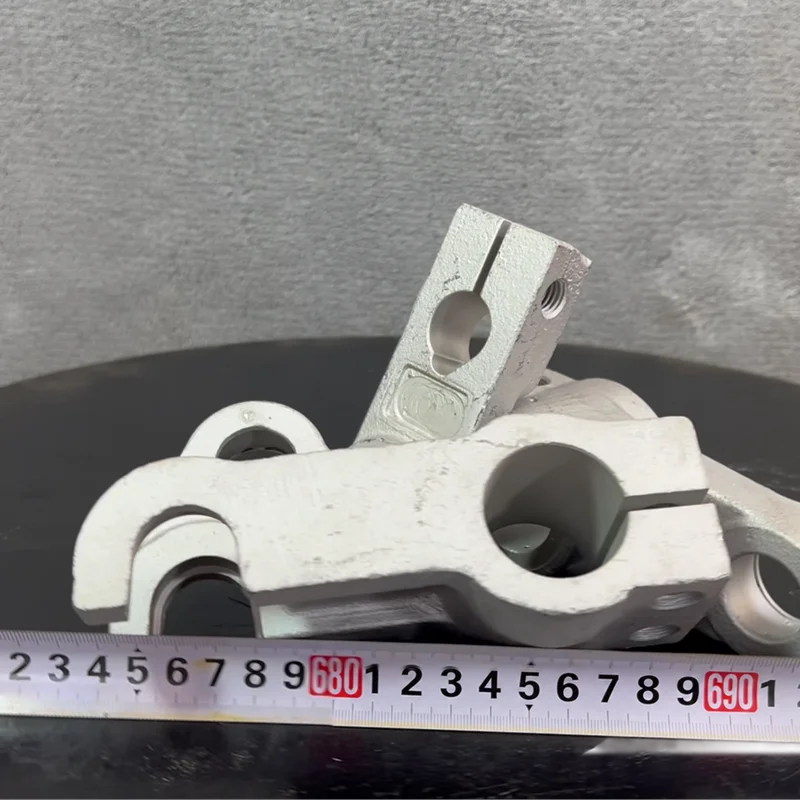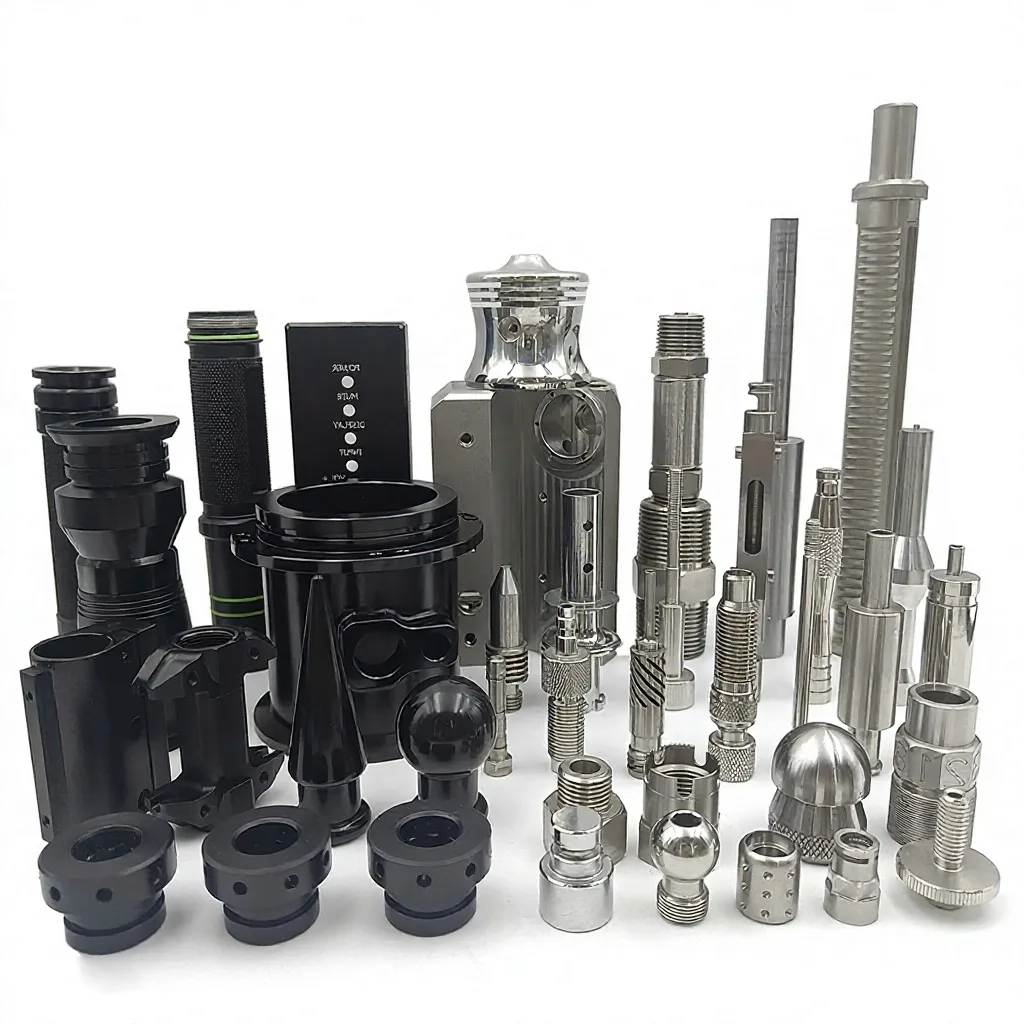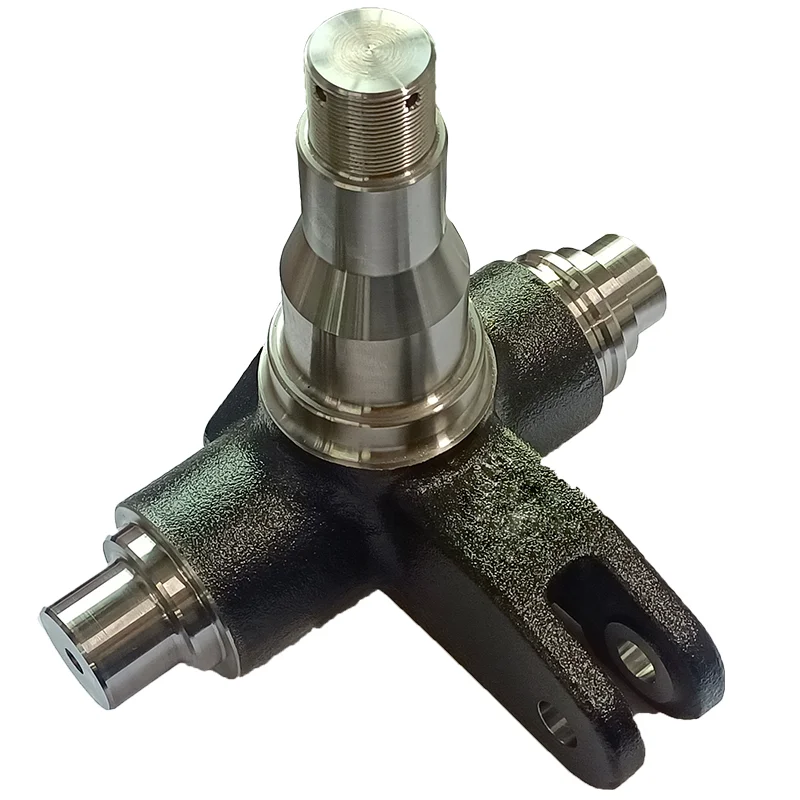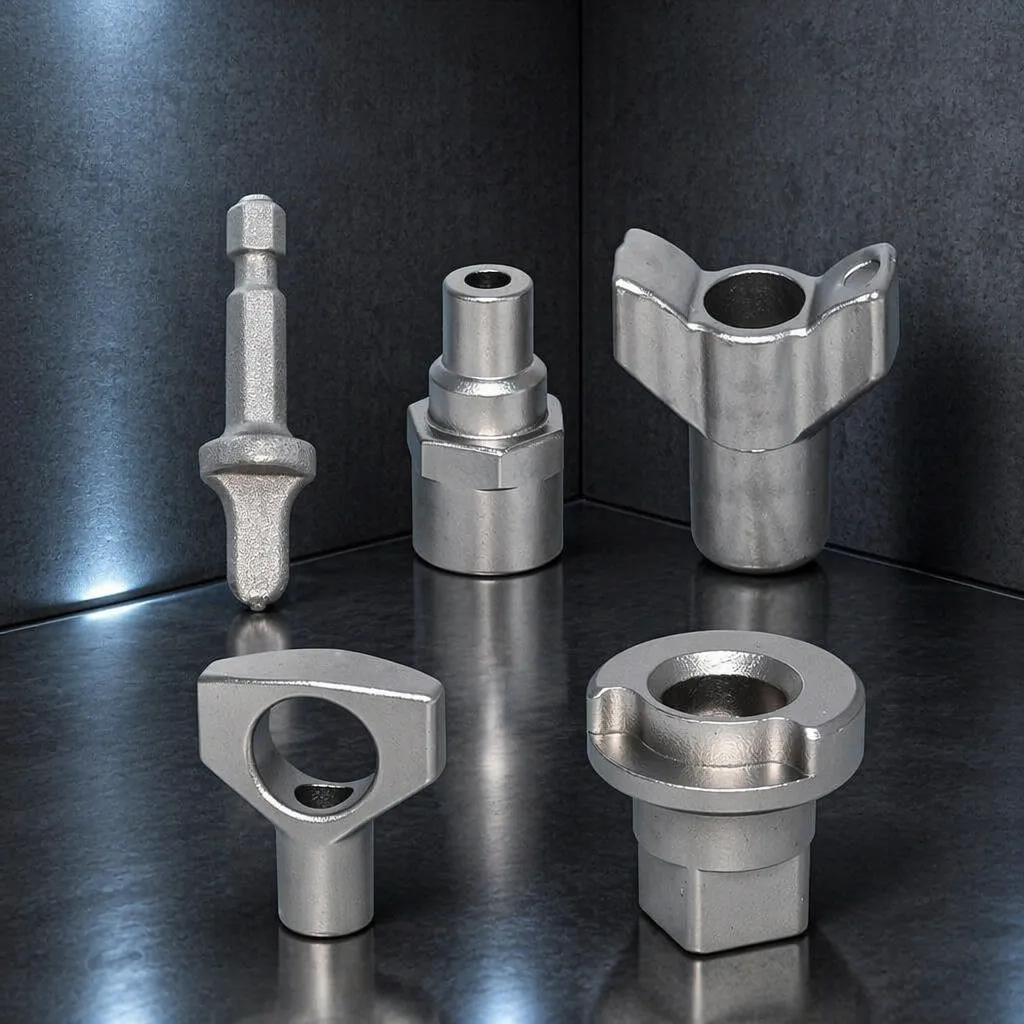
Custom 201 316 Stainless Steel Mechanical Hardware Castings Clay Green Sand or Silica Sol Routes with ±2 mm Accuracy Reference
Direct factory support
Get a quote that fits your project
Send your drawing or product reference, material grade and required quantity. Relia will review the requirements with you.
- Drawing & specification review
Confirm the supply scope and critical requirements.
- Samples before custom production
Review inspected samples before approving a batch.
- Inspection documents
Agree material and dimensional records for your part.
-
Processing Trade FormDrawing & Sample Processing, Sample Processing, Drawing ProcessingSurface Finishing ProcessPolishing, Brushed, Polishing, Sandblasting
-
Sand Casting TypeClay Green Sand CastingDimensional Accuracy±2mm
-
Processable MaterialsStainless Steel Casting, Stainless Steel 201, 316 Stainless SteelCasting ProcessSilica Sol Precision Casting, Silica Sol Casting
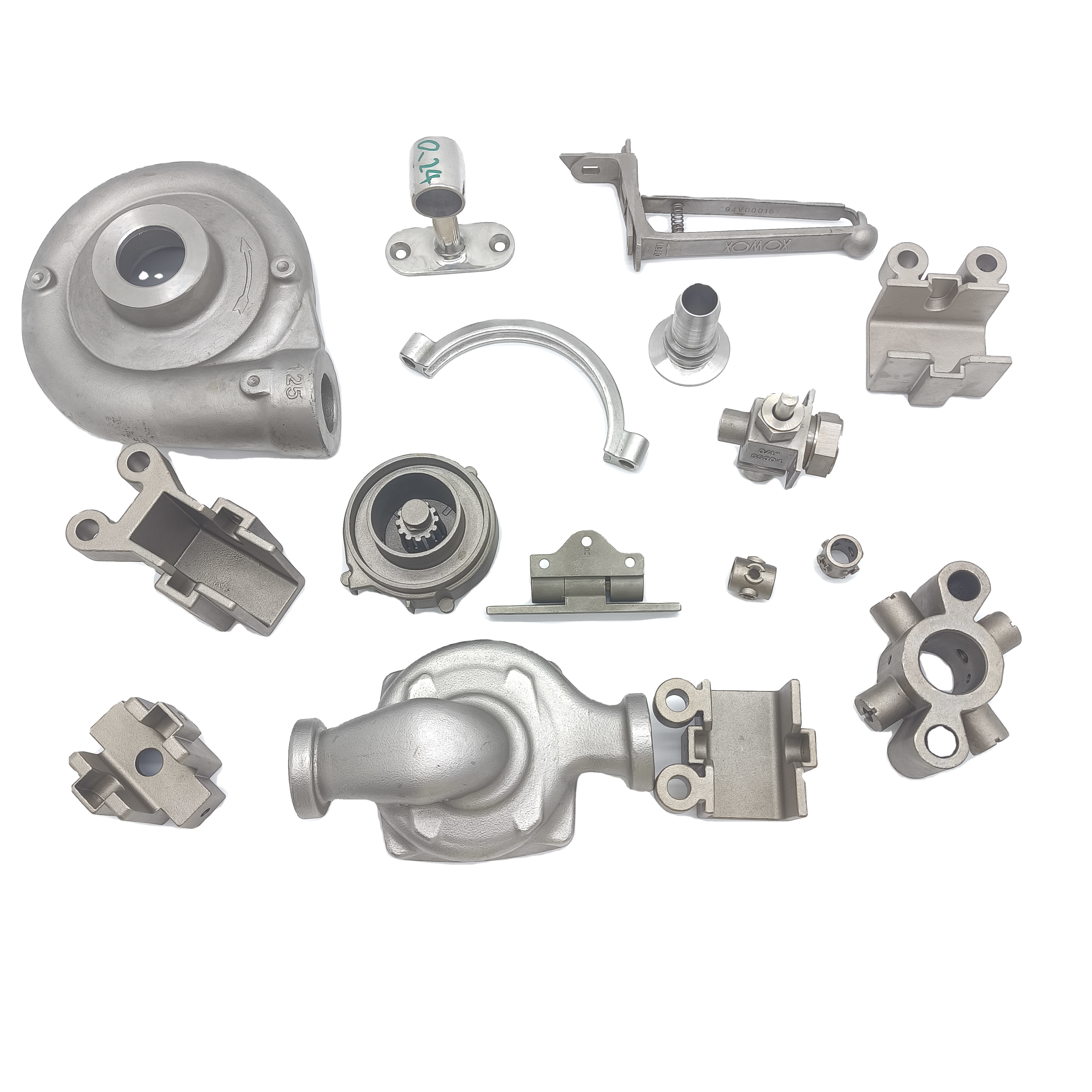
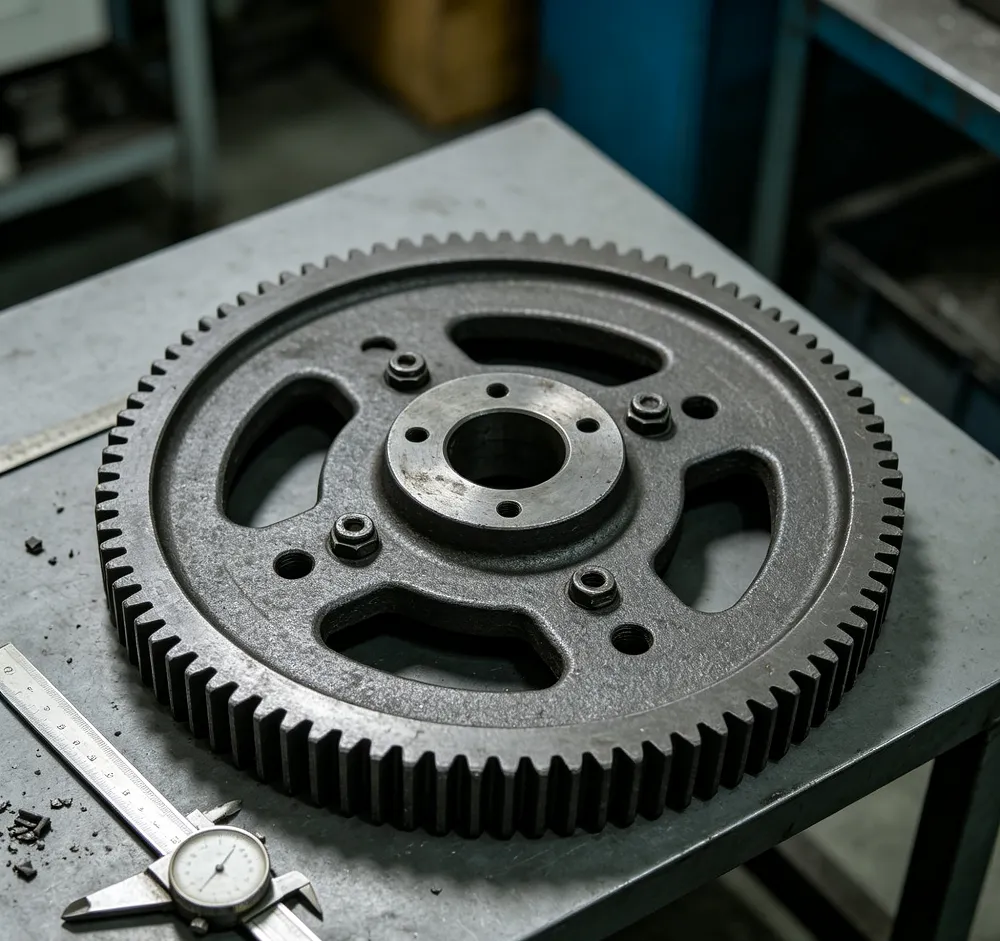
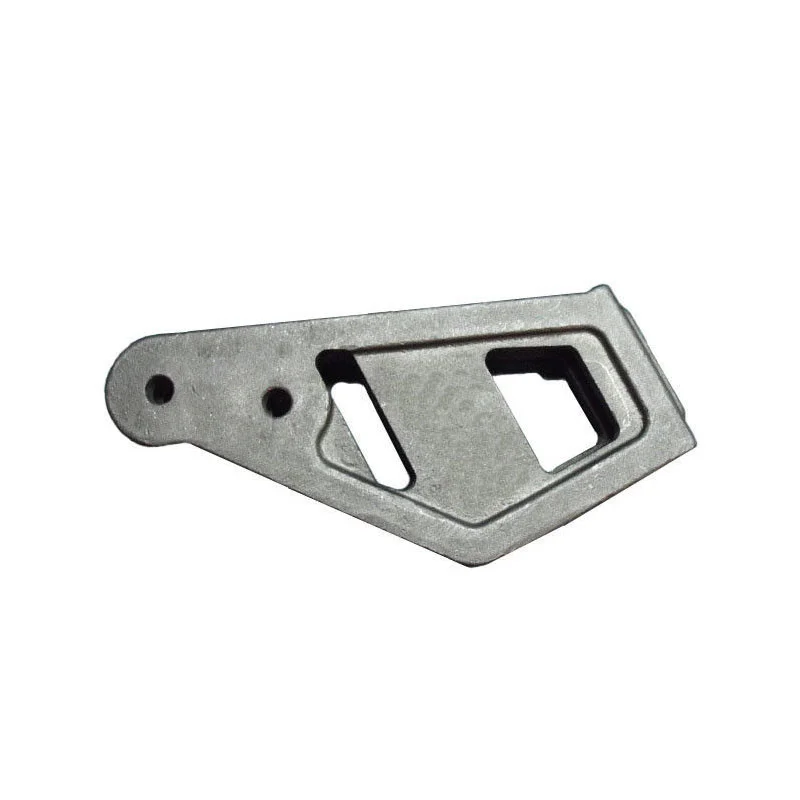
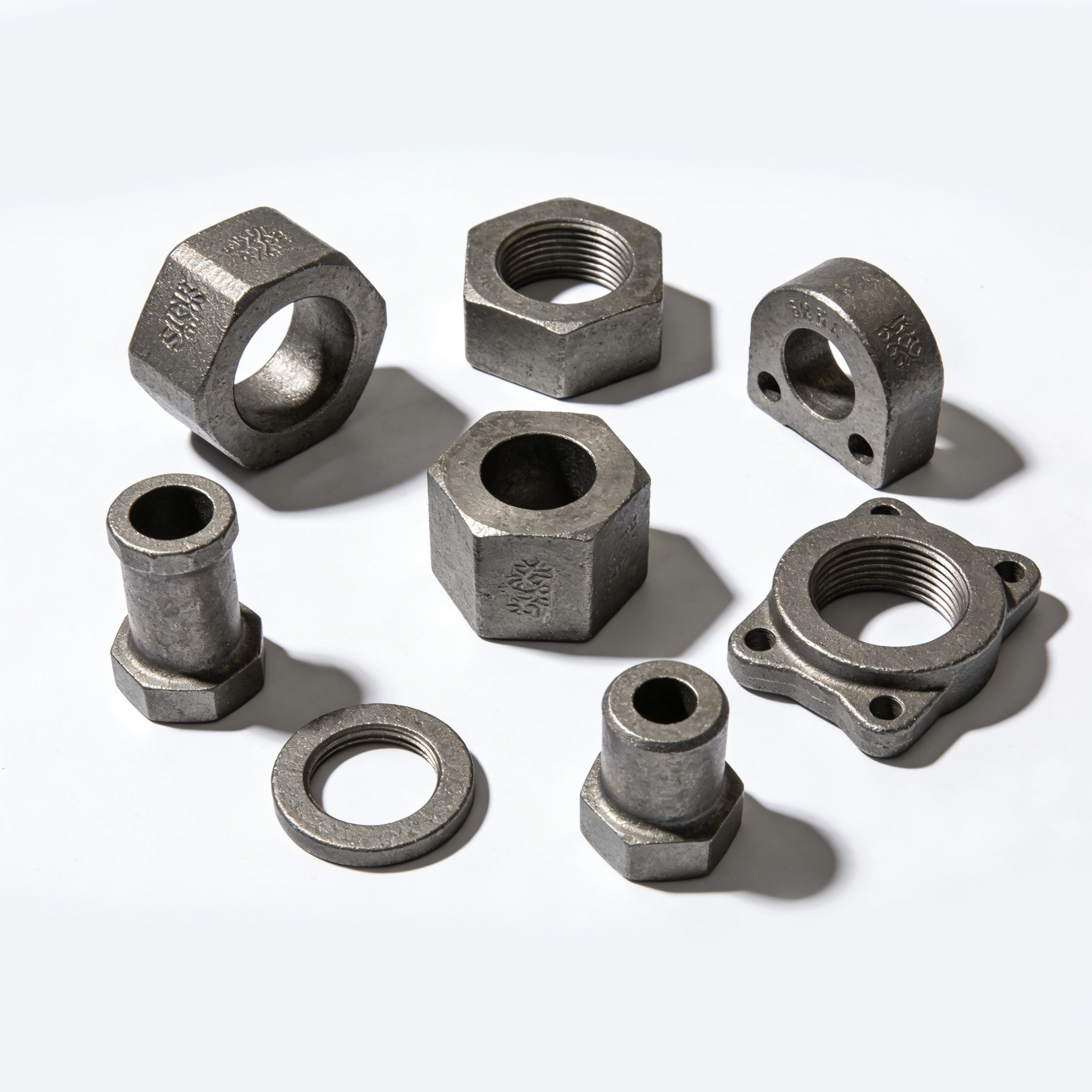
Nonstandard stainless-steel mechanical hardware can be requested through drawing- or sample-based casting services. Material references include 201 and 316, with the complete specification selected for the actual item. Choose clay-green-sand or silica-sol precision casting as the agreed route for that component.
Establish the controlling drawing or sample
Processing can be drawing-only, sample-only or combined drawing-and-sample work. Identify what the reference item is intended to demonstrate and which dimensions control approval. Keep the selected hardware geometry and material condition together when defining the order.
Assign the dimensional-accuracy reference
The stated accuracy is ±2 mm. Define the applicable features, supplied stage and acceptance limits for that reference. Specify required wall thickness independently, with locating datums and measurement conditions for the interfaces governing fit.
Choose the finished appearance
Polishing, brushing and sandblasting are named surface options. Mark the faces receiving the selected operation and describe the final appearance or contact result. Distinguish these areas from cast-state regions and define any additional machining requested for the actual hardware component.
Confirm the hardware acceptance package
State quantity and the controlling design revision, identifying the mating parts and required supplied state. Specify material, dimensional and surface records needed for approval of the selected item. Retain accepted sample, grade and finishing decisions in the component brief used for repeat production. Include the adjoining hardware relationship when defining the initial component assessment.