Custom Aluminum Alloy Die Cast Industrial Parts with Separate Sand Casting and OEM ODM 3D Drawing Services
Direct factory support
Get a quote that fits your project
Send your drawing or product reference, material grade and required quantity. Relia will review the requirements with you.
- Drawing & specification review
Confirm the supply scope and critical requirements.
- Samples before custom production
Review inspected samples before approving a batch.
- Inspection documents
Agree material and dimensional records for your part.
-
MaterialAluminumSurface treatmentCustomers' Demand
-
Product nameDie casting parts serviceProcessCasing
-
ServiceOEM ODM CustomisedCertificationISO9001:2015
-
ColorCustomized ColorSizeCustomer's 3D Drawing
-
ApplicationIndustryDimensionsCustmer's Drawings
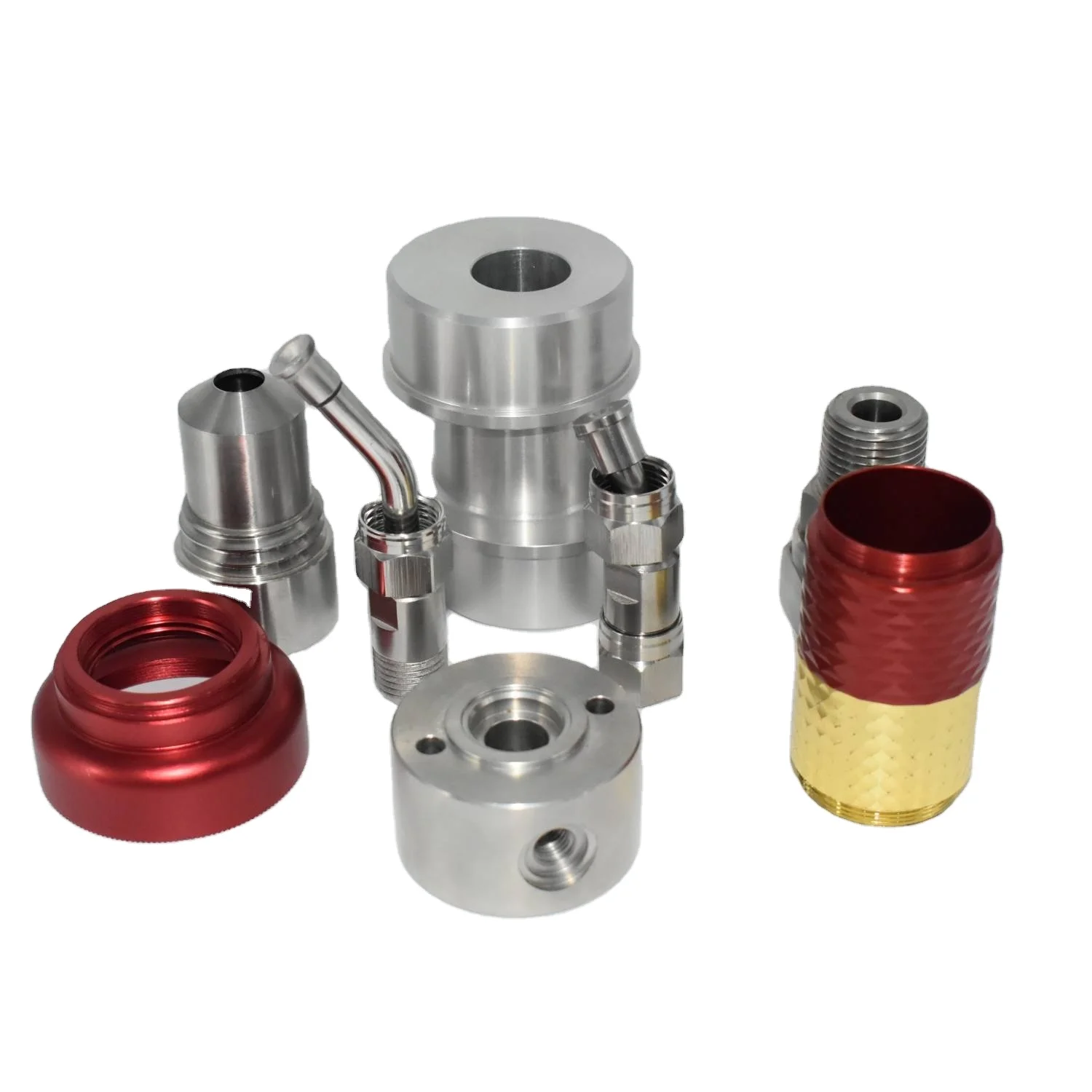
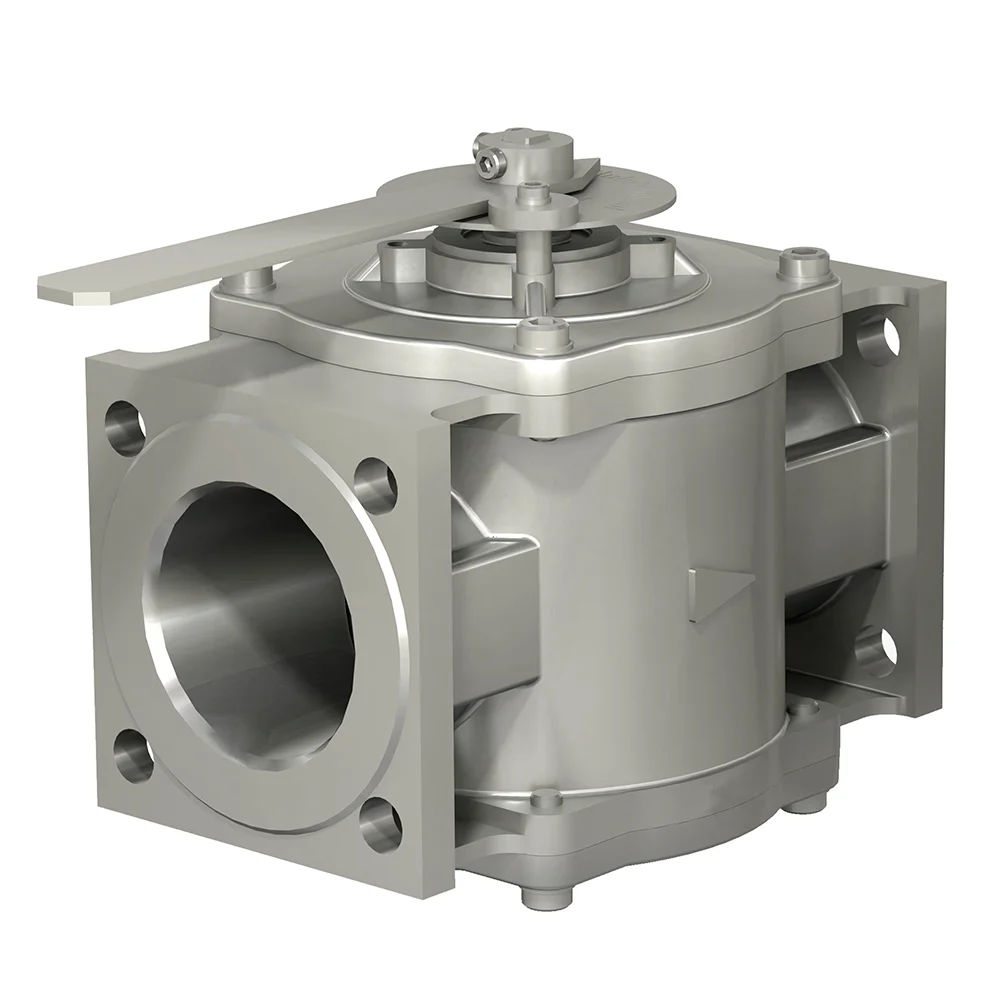
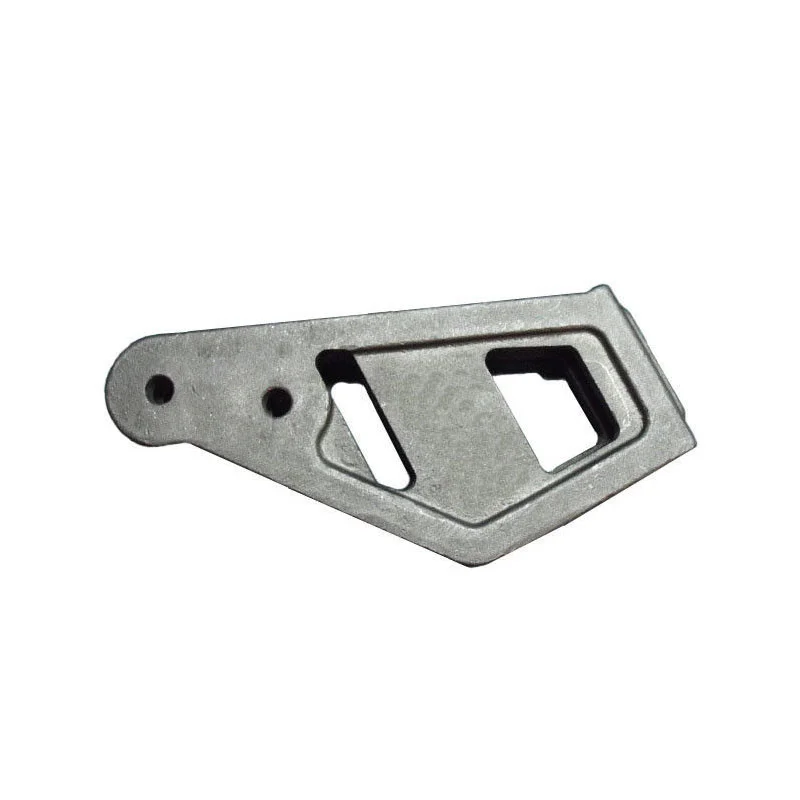
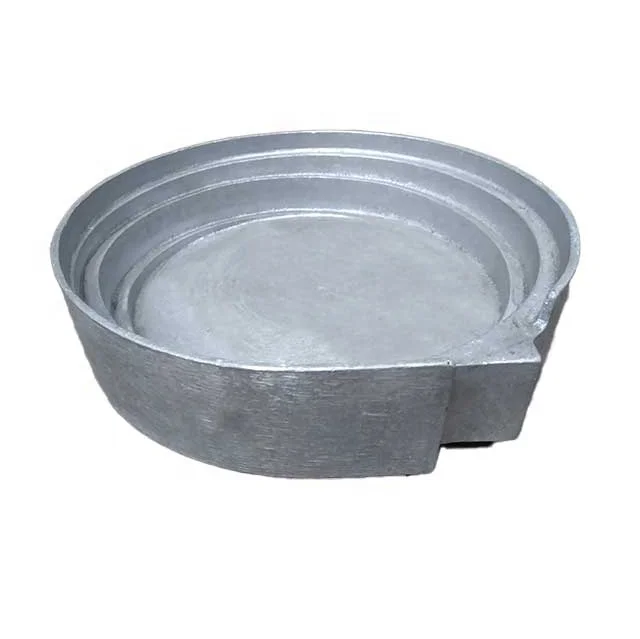
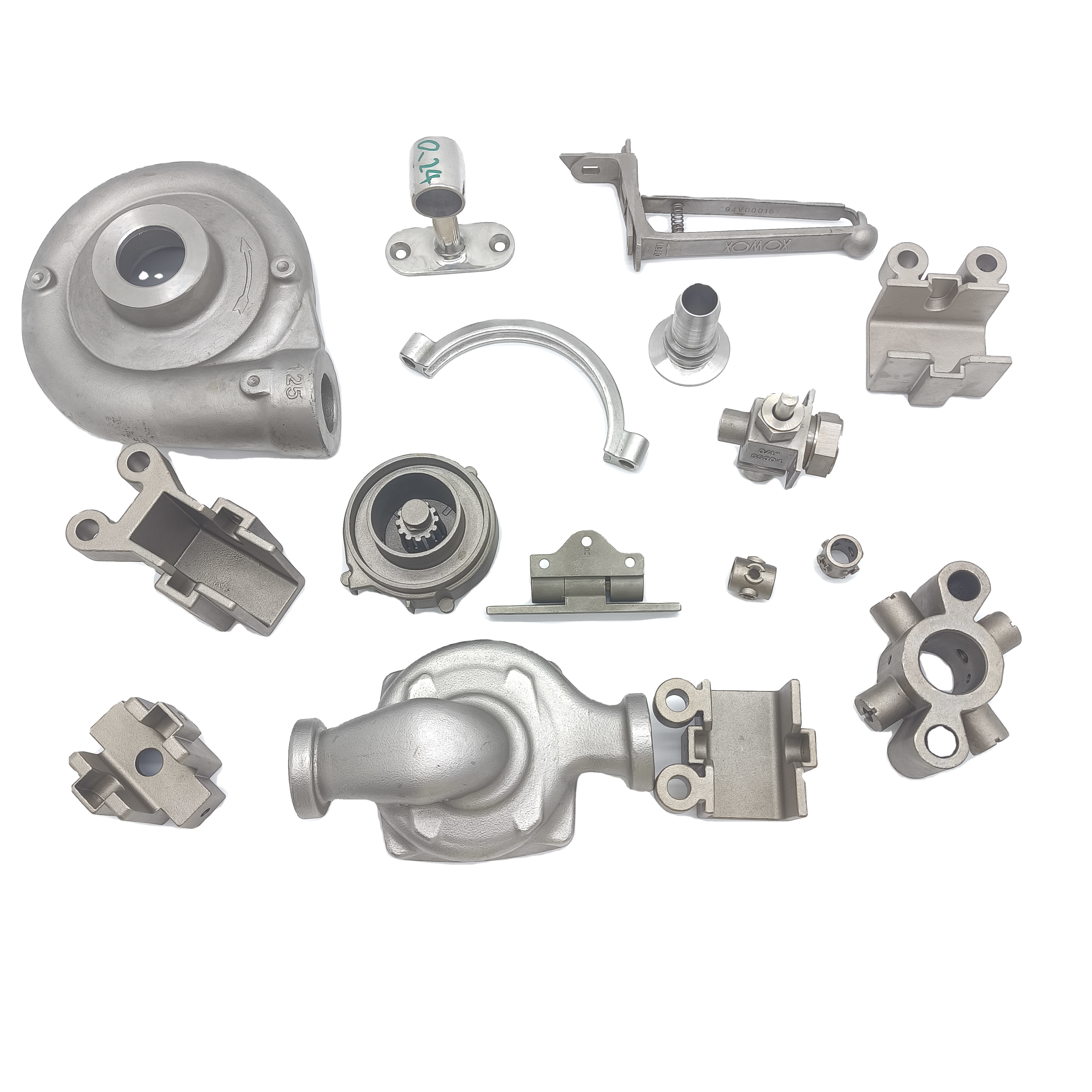
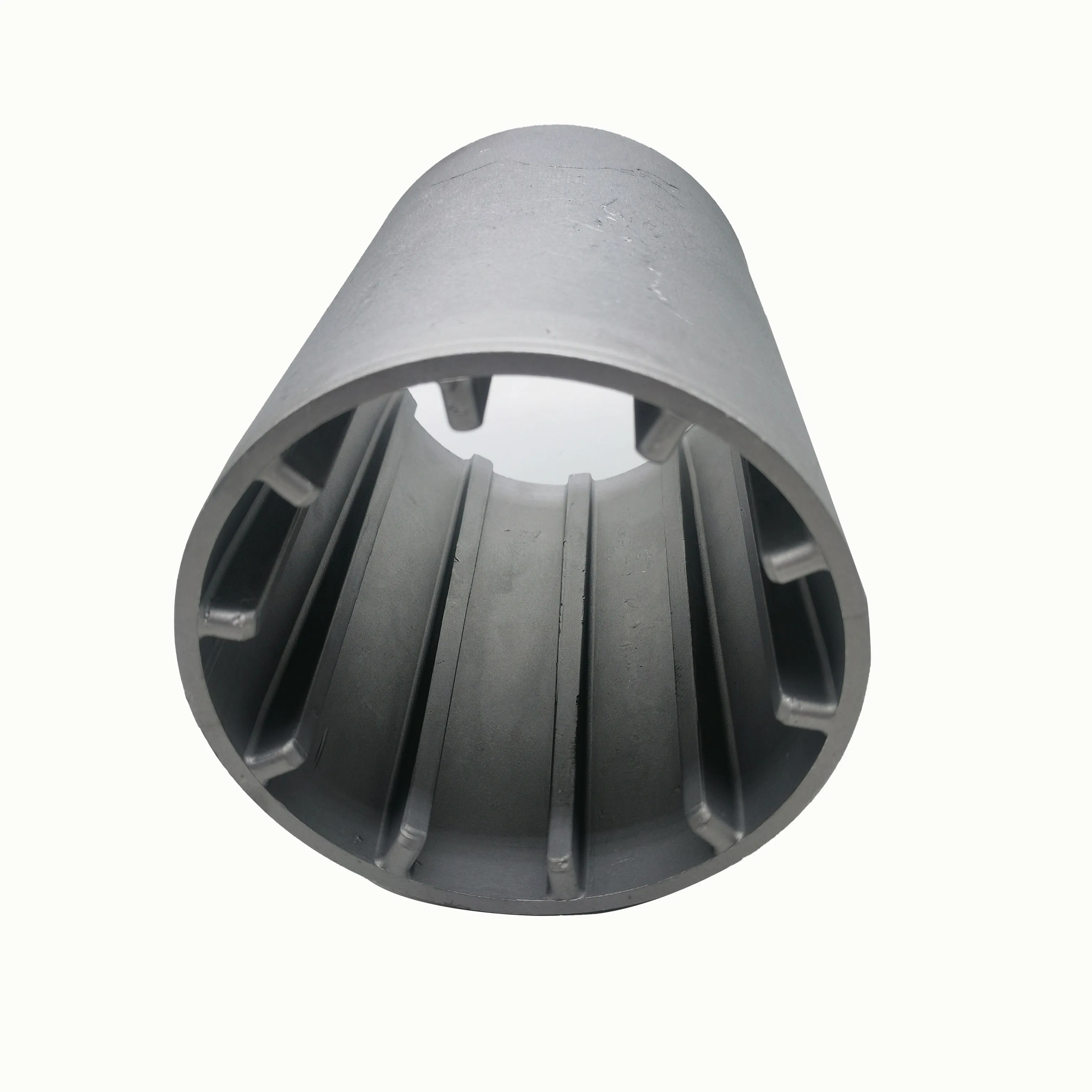
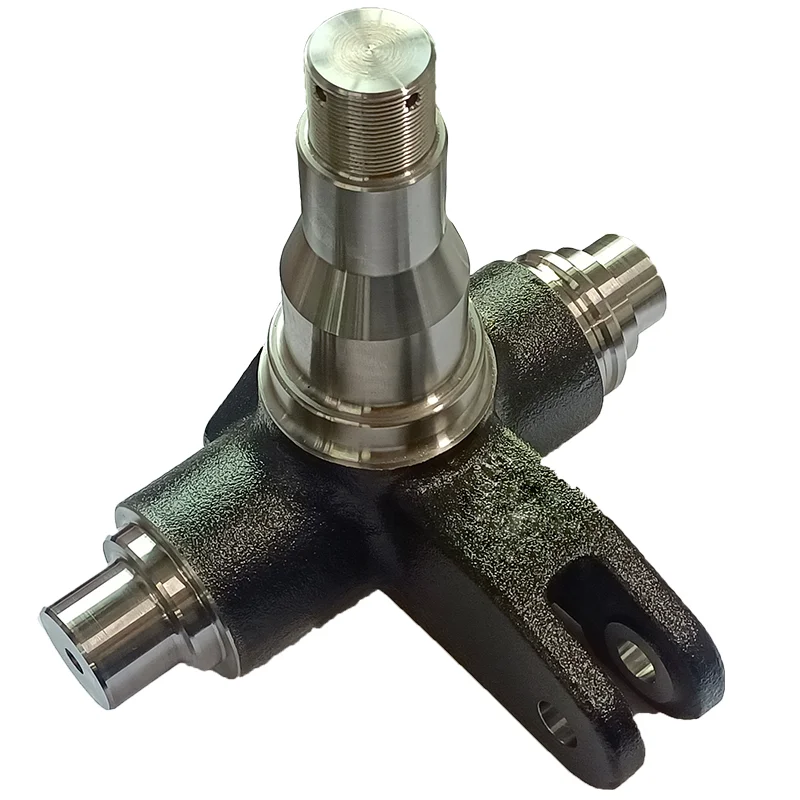
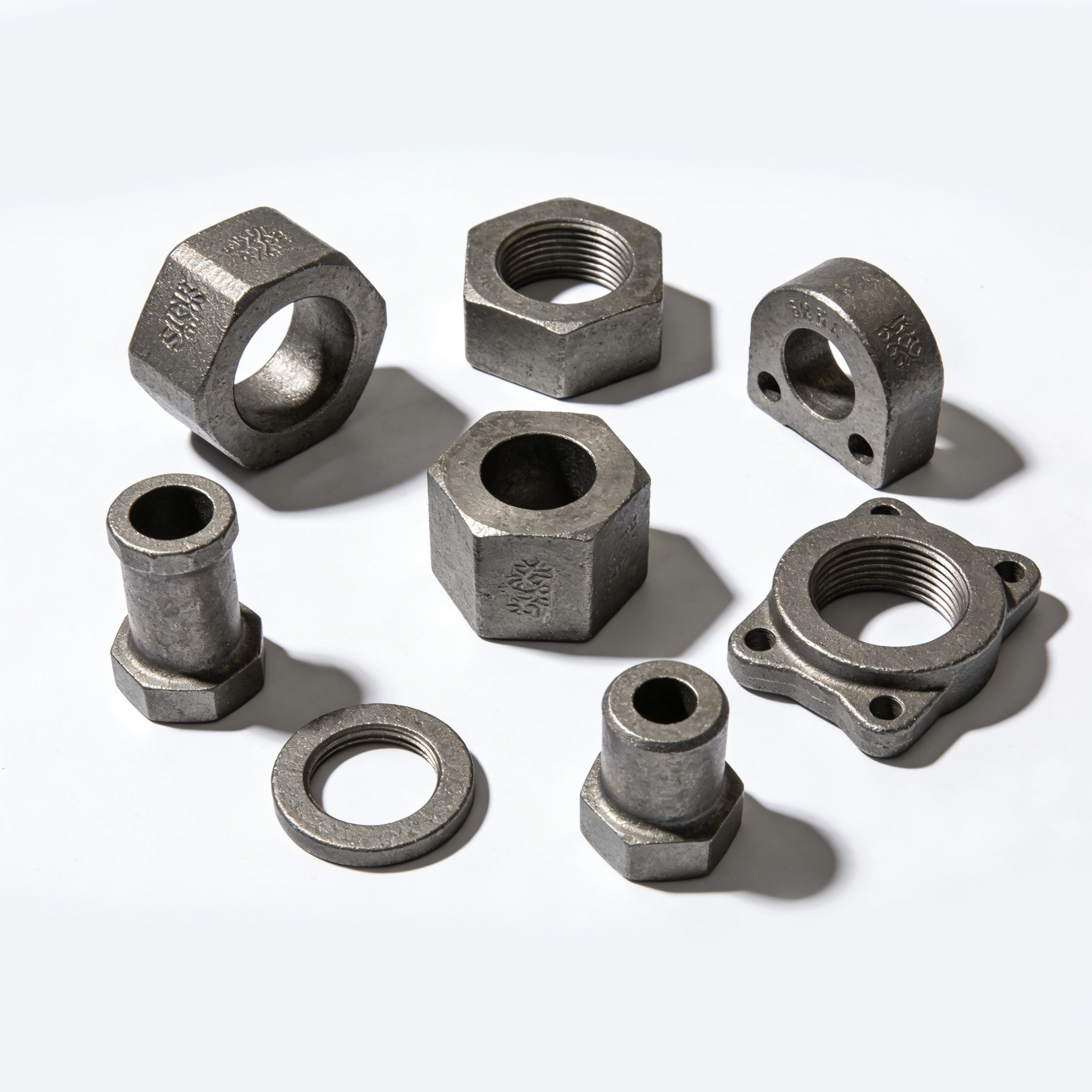
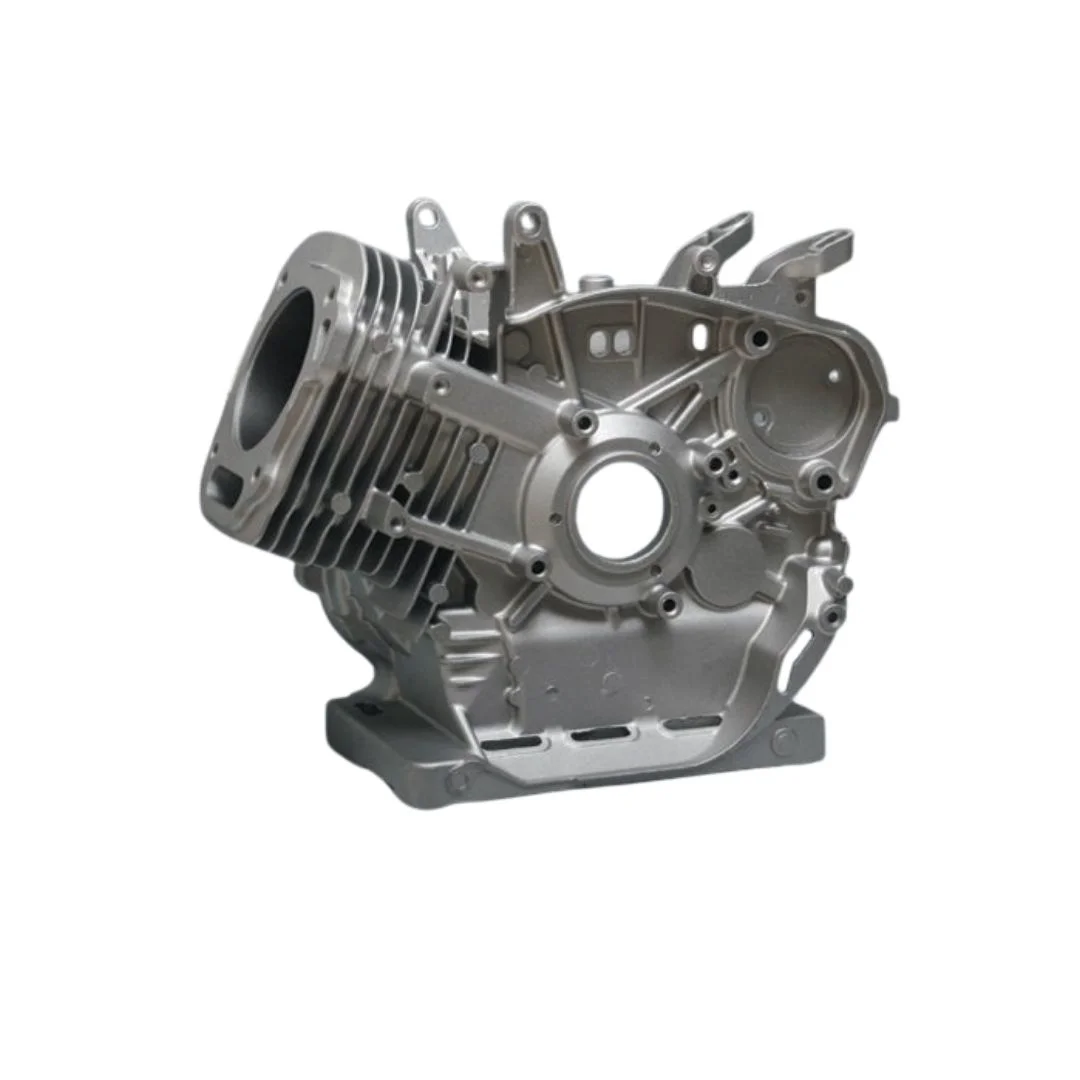
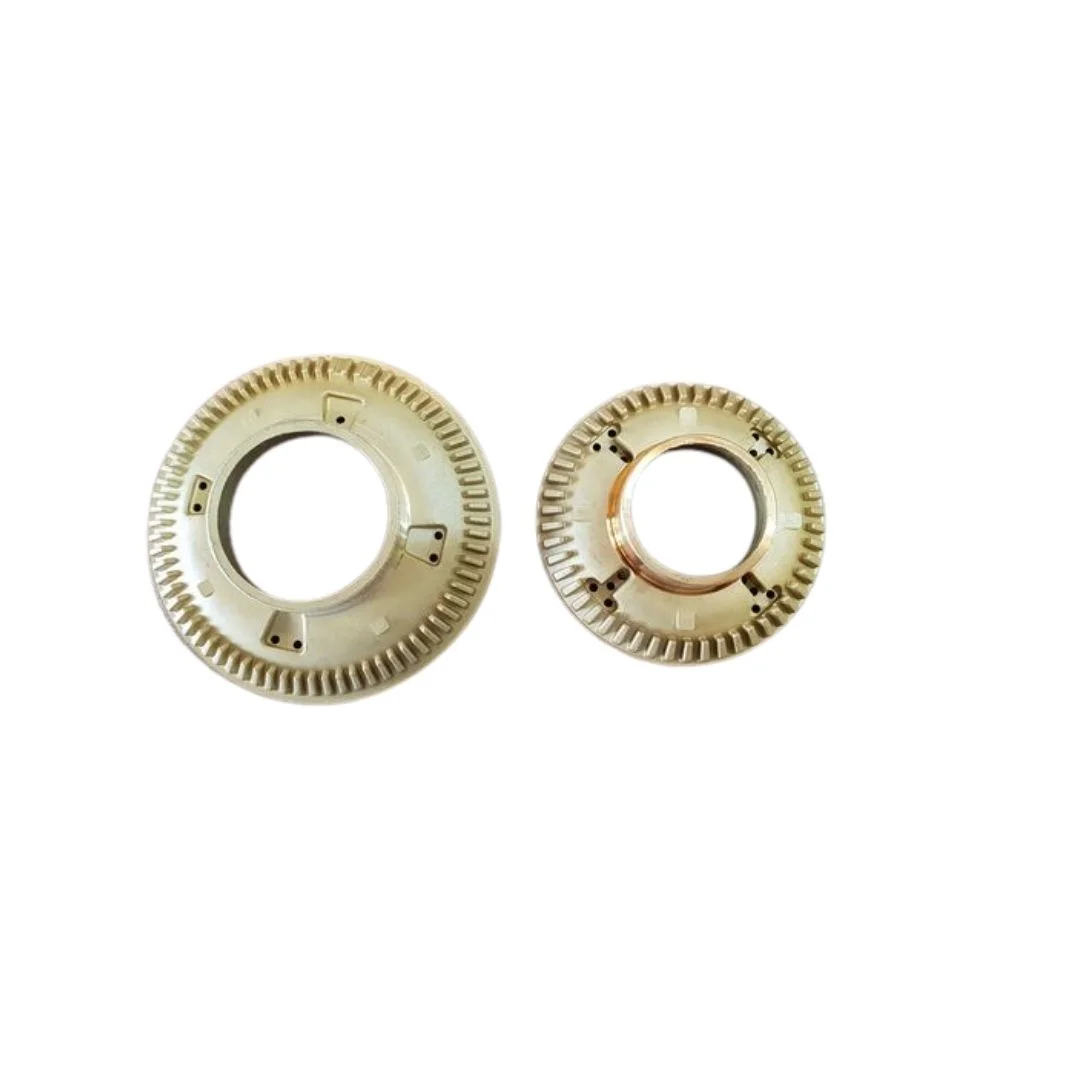
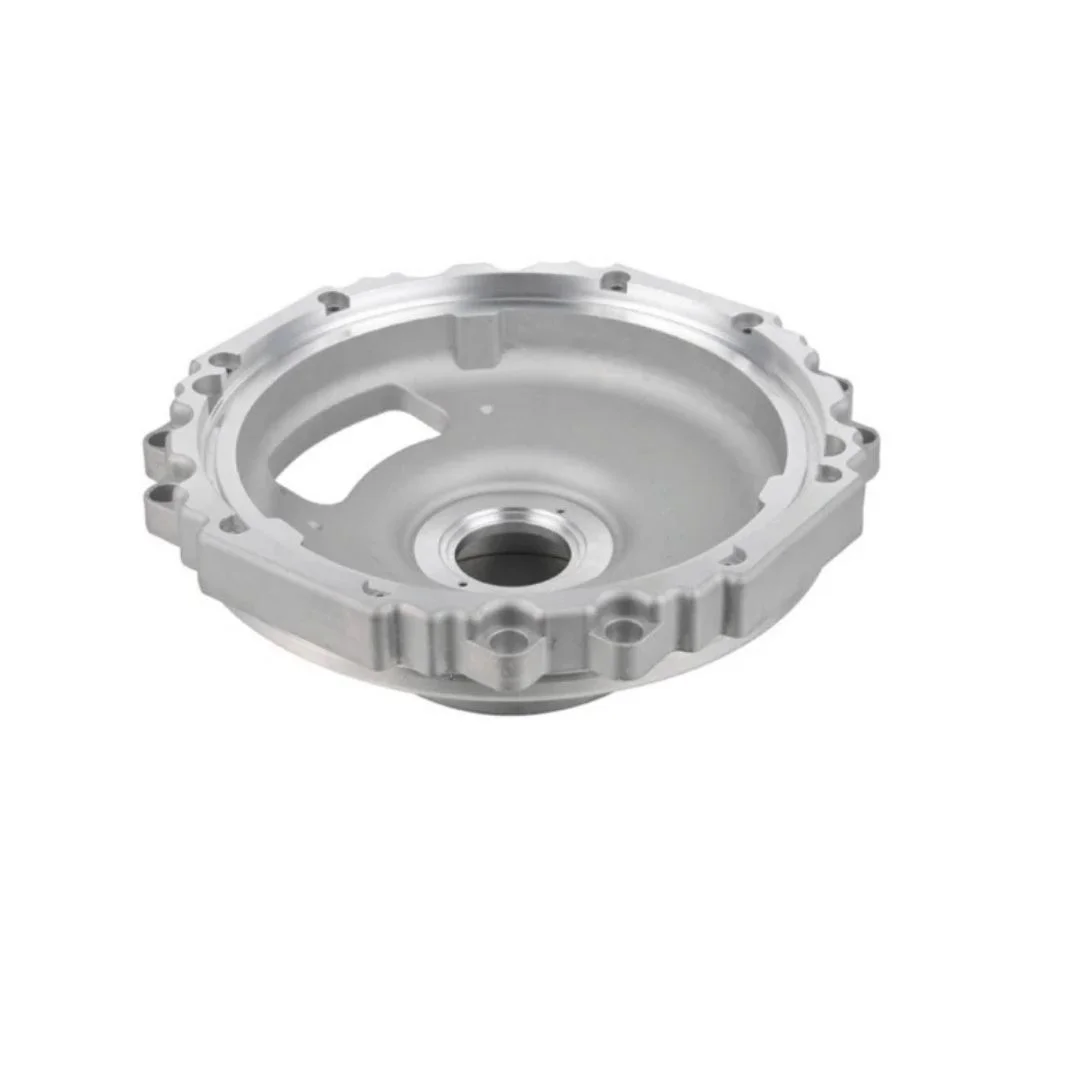
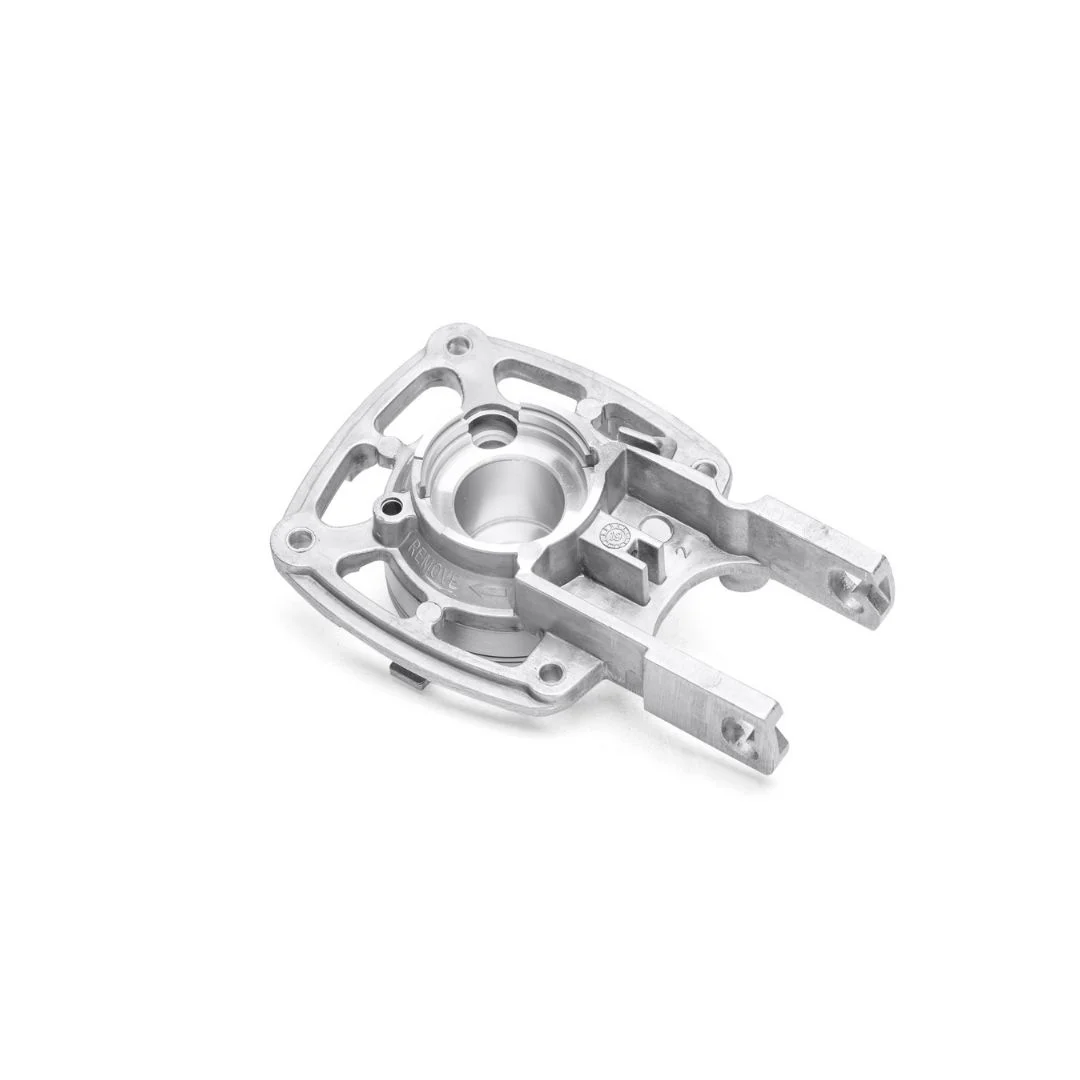
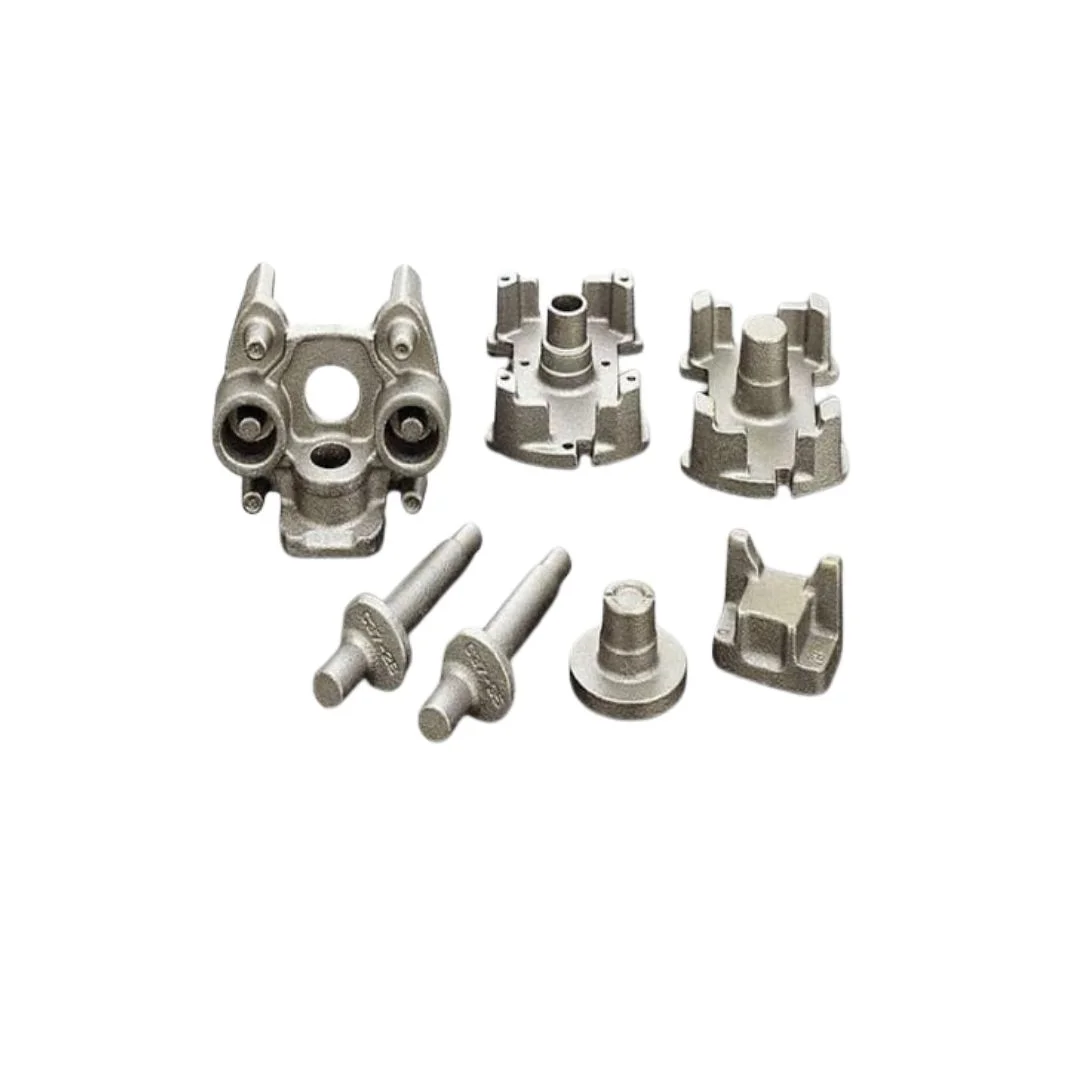
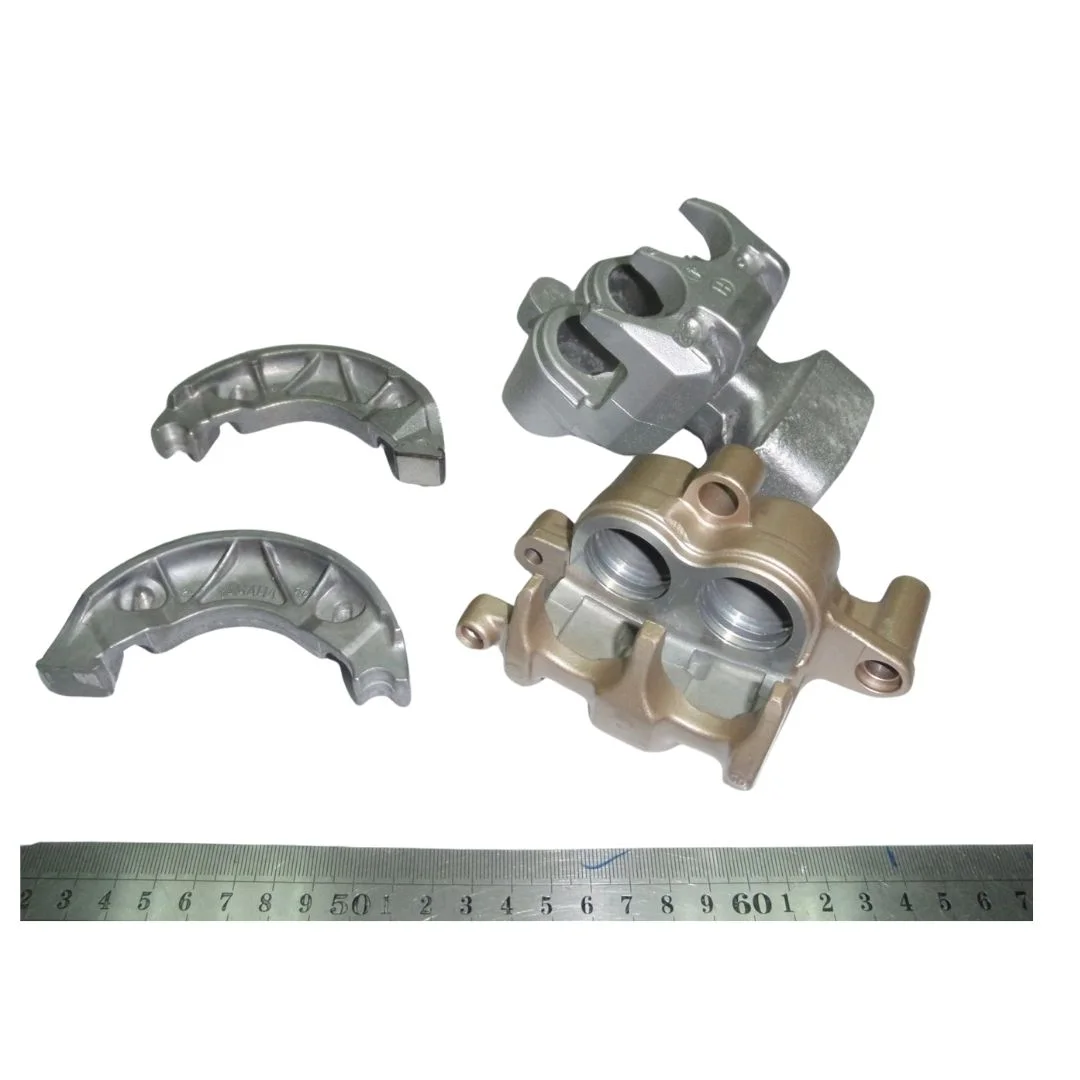
Industrial aluminum-component enquiries include die-cast parts and a separately selected sand-casting route. Custom sizes and dimensions follow customer 3D drawings. Specify the full alloy grade, geometry and quantity so the manufacturing request concerns the actual part rather than a combined description of different routes.
Use the model to explain the supplied component
Identify mounting faces, openings and contact areas that establish how the part joins the industrial assembly. Provide drawing requirements for dimensions and datums that need controlled acceptance. Keep the model revision consistent with any accompanying dimensional instructions and the required material condition.
- State the complete aluminum-alloy designation.
- Choose the casting route requested for quotation.
- Mark the interfaces controlling assembly fit.
- Identify final surface and color requirements.
- Define records for component approval.
- State the required supplied condition.
Describe the custom appearance in practical terms
Surface treatment and color follow customer requirements. Supply an appearance reference and identify the faces to which it applies. Define any masking, coverage limits or contact-surface condition needed where the finish interacts with the part’s fit or intended use.
Set the OEM or ODM approval scope
Agree material, dimensional and visual acceptance for the chosen component, including any sample needed to establish the result. Identify applicable ISO9001:2015 documentation and certificate scope. Connect those arrangements to the controlled drawing and selected manufacturing request so subsequent production has a consistent basis for approval.