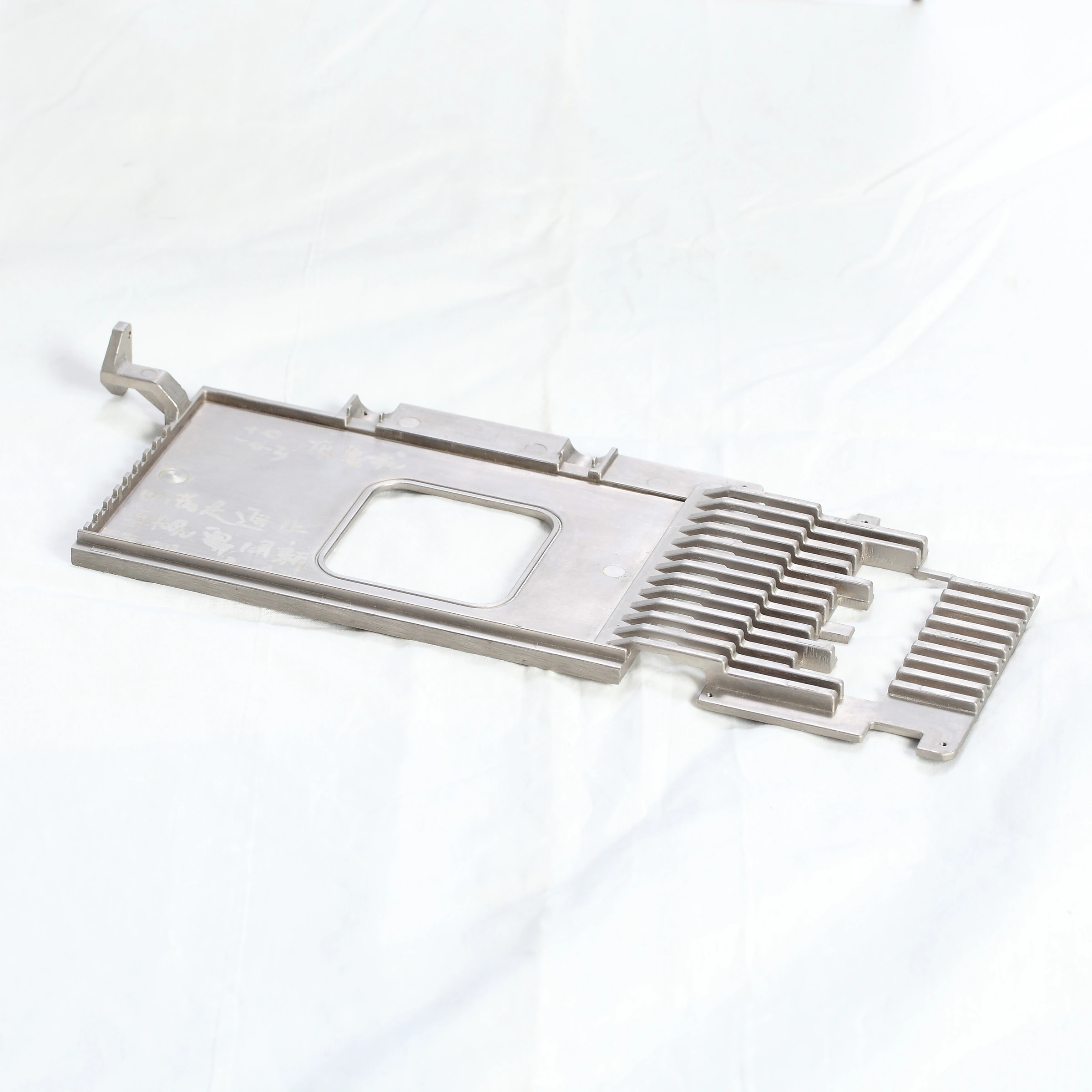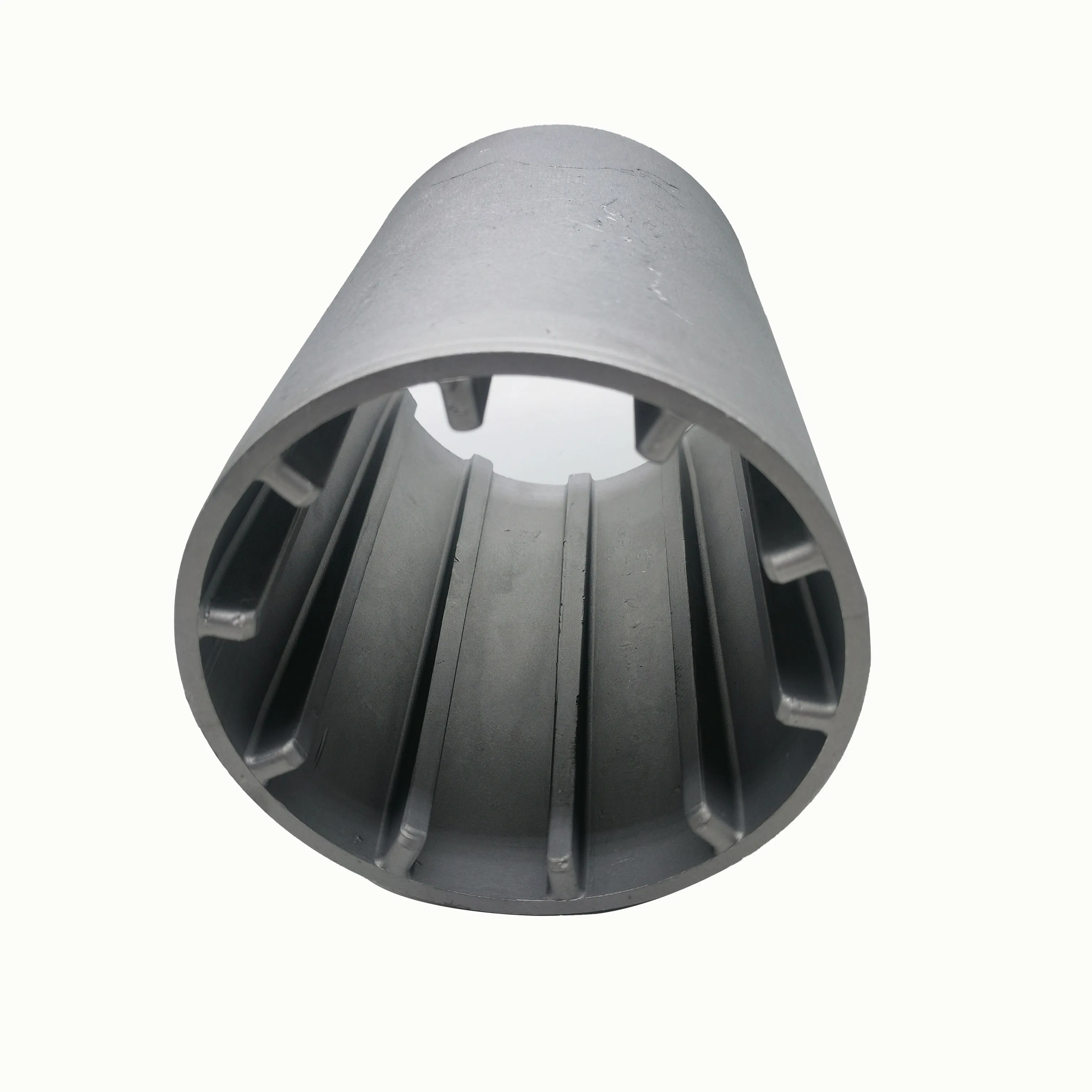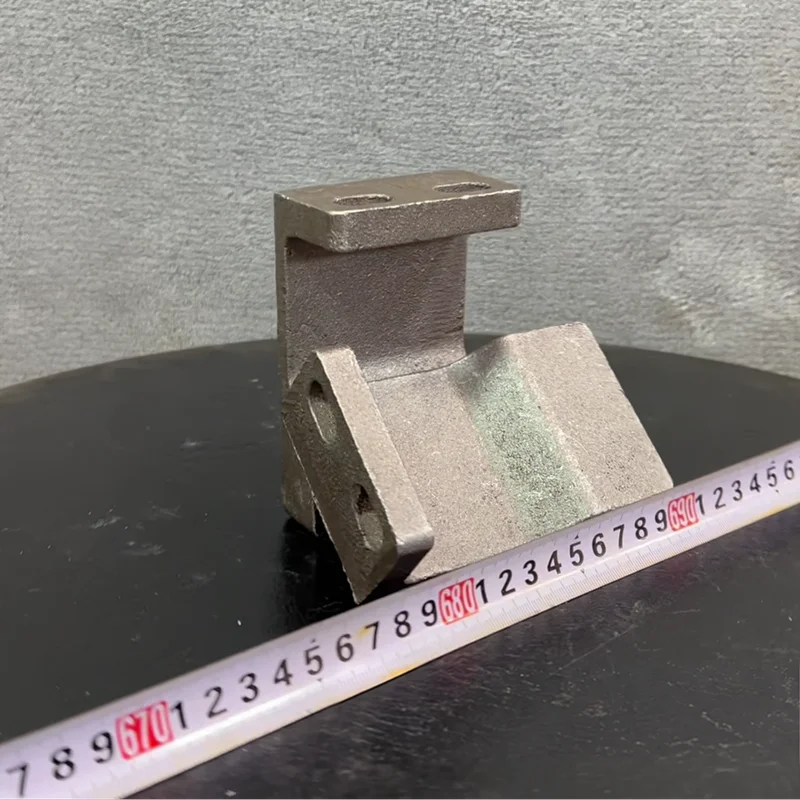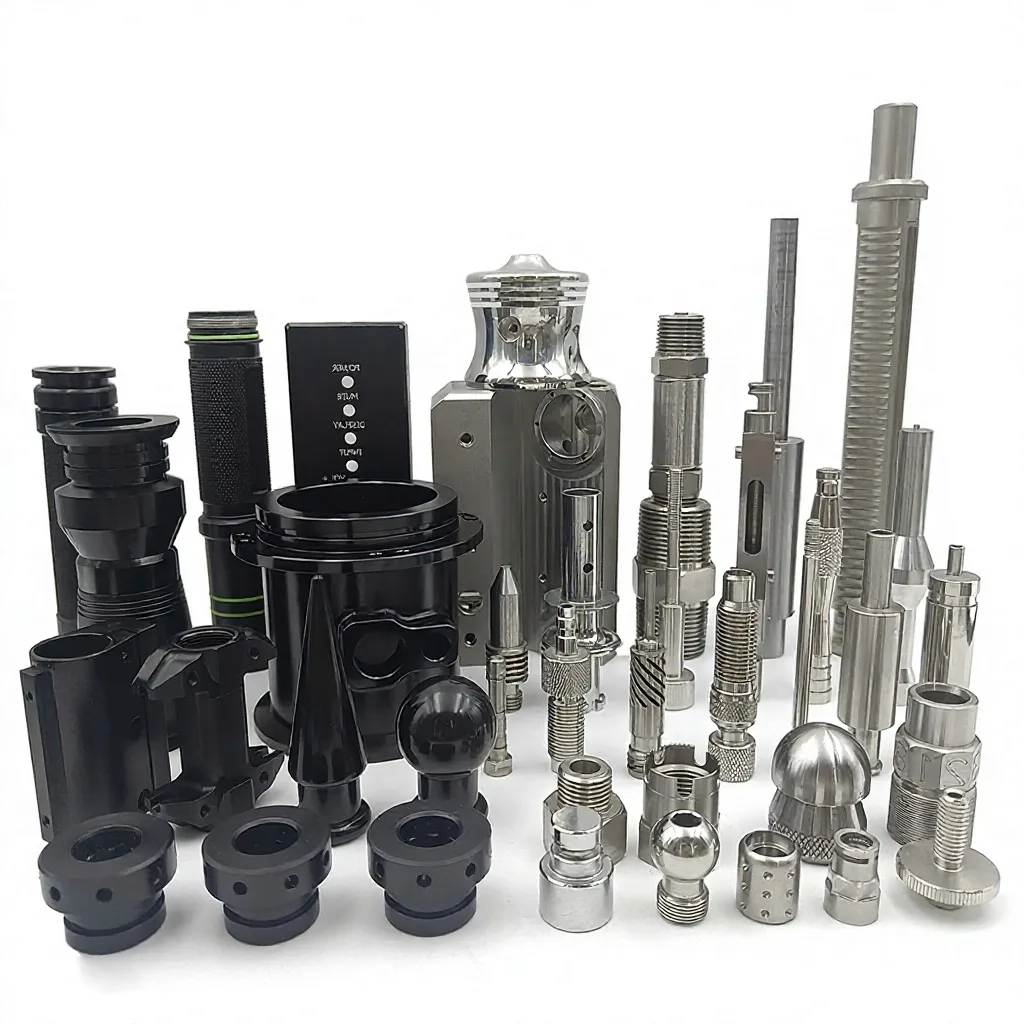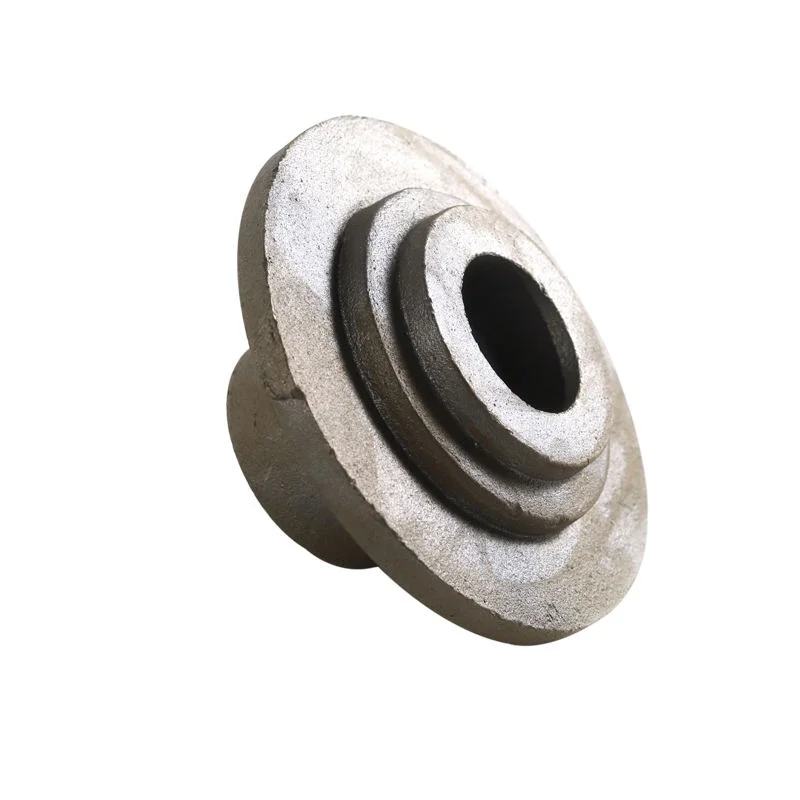
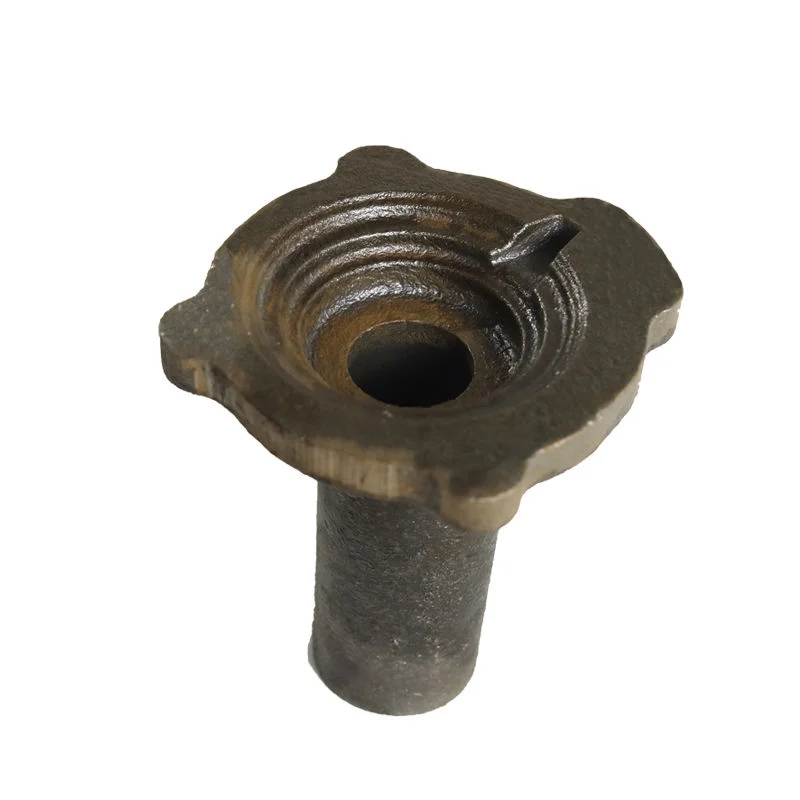
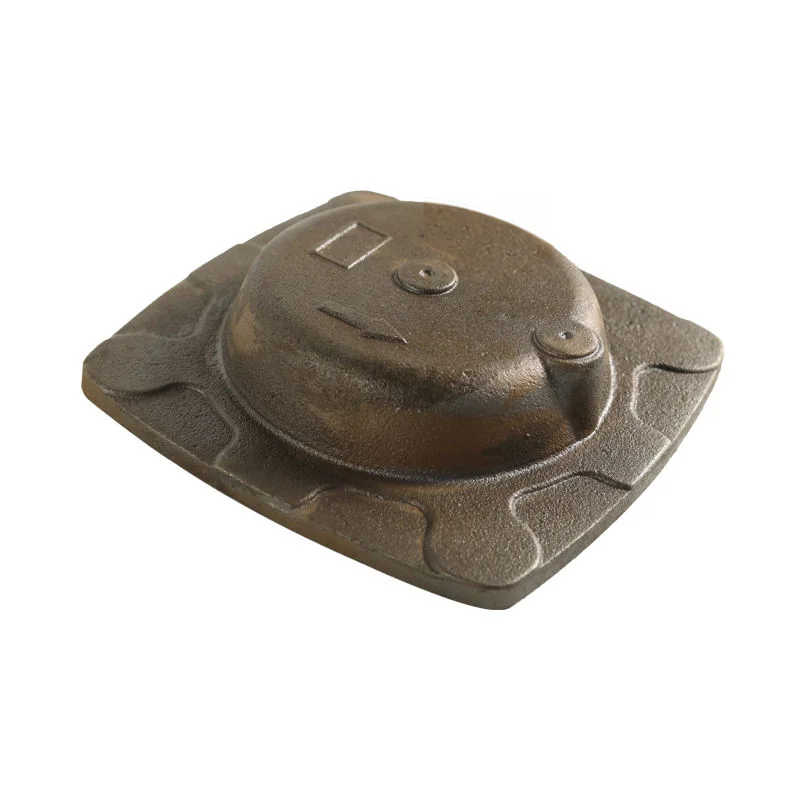
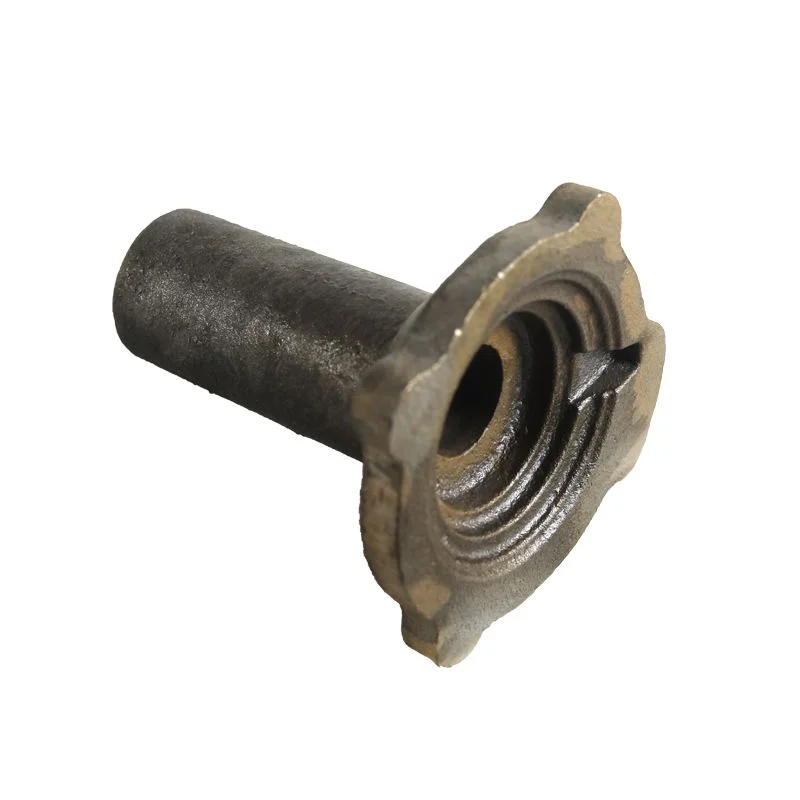
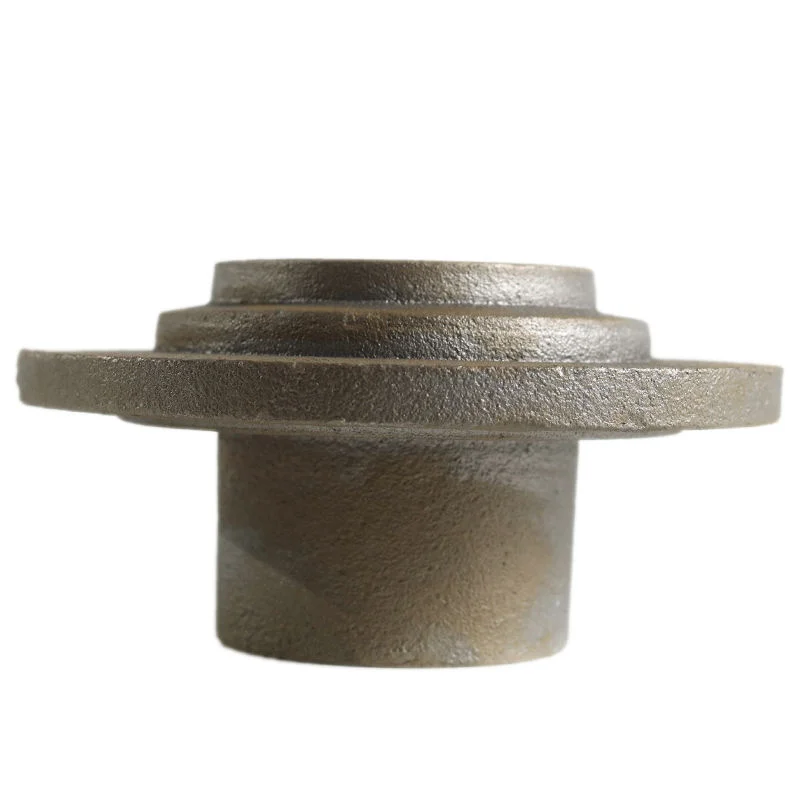
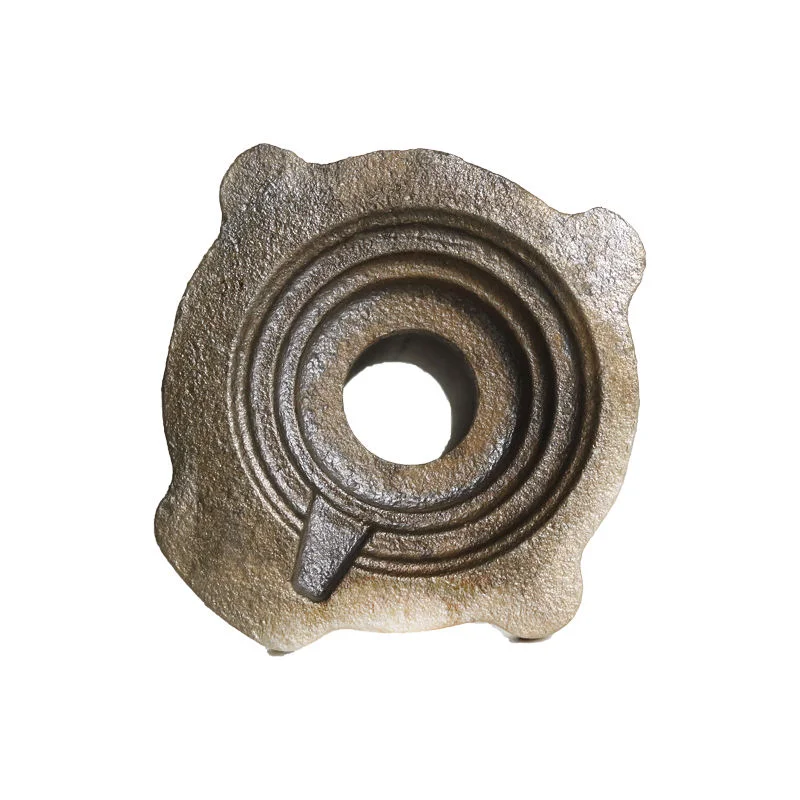
Custom Aluminum Industrial Cast Parts and Separate Brass Sand Investment Casting Enquiries with Polishing and Optional Machining
Direct factory support
Get a quote that fits your project
Send your drawing or product reference, material grade and required quantity. Relia will review the requirements with you.
- Drawing & specification review
Confirm the supply scope and critical requirements.
- Samples before custom production
Review inspected samples before approving a batch.
- Inspection documents
Agree material and dimensional records for your part.
-
MaterialAluminumSurface treatmentPolishing
-
ApplicationIndustryProduct nameCustom Casting Parts
-
ProcessCasting +Machining(if Need)+surface Treatment
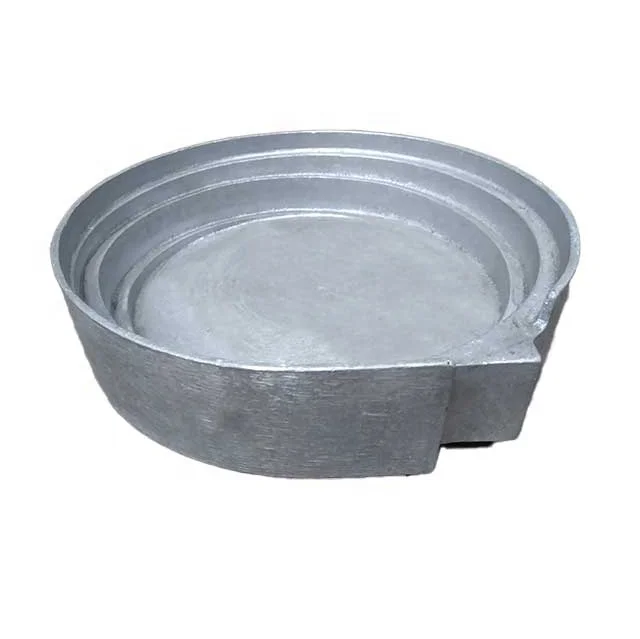
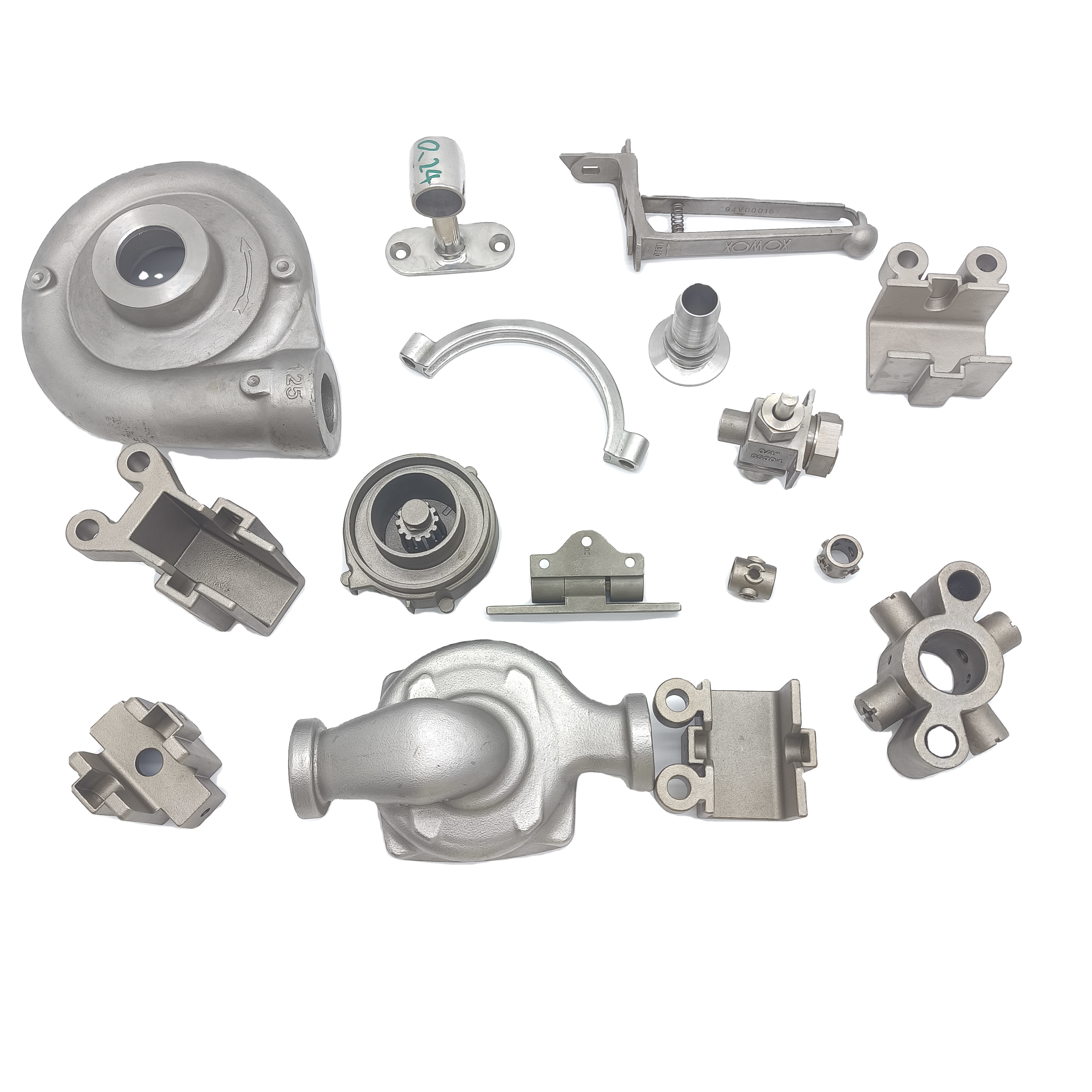
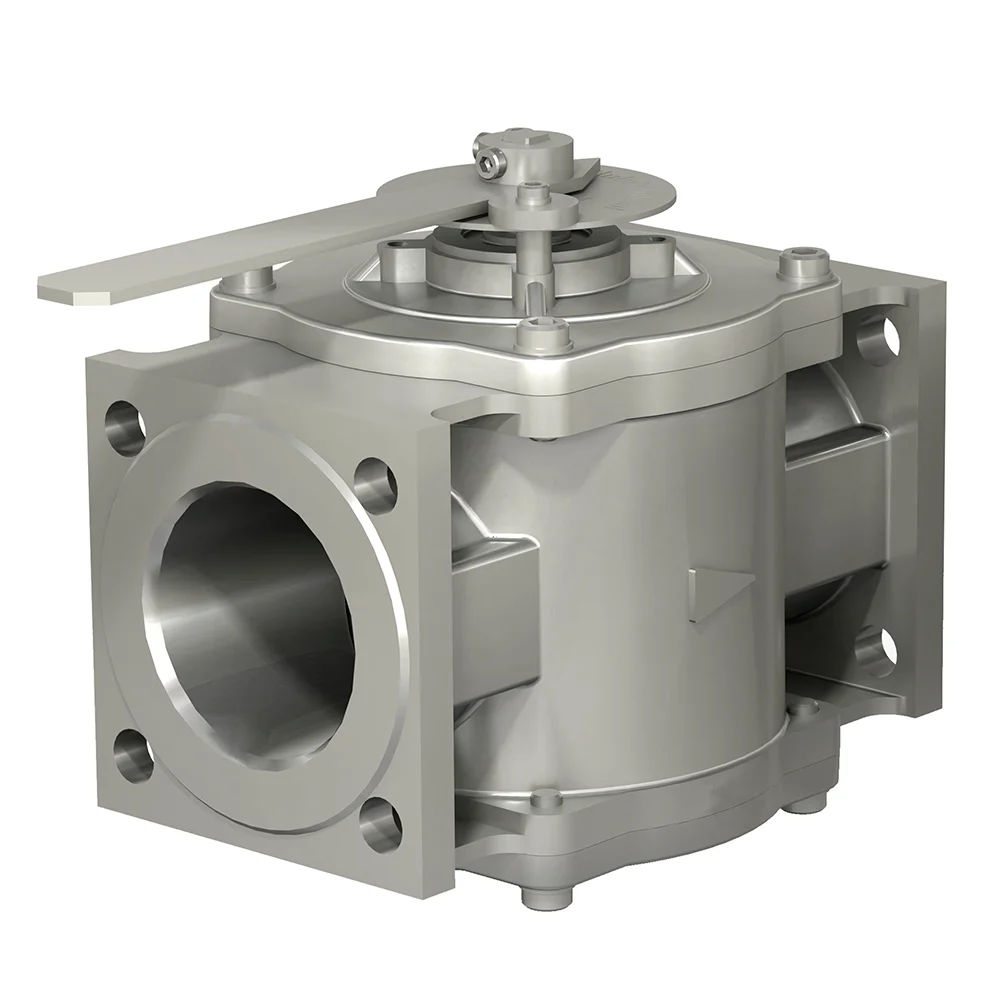
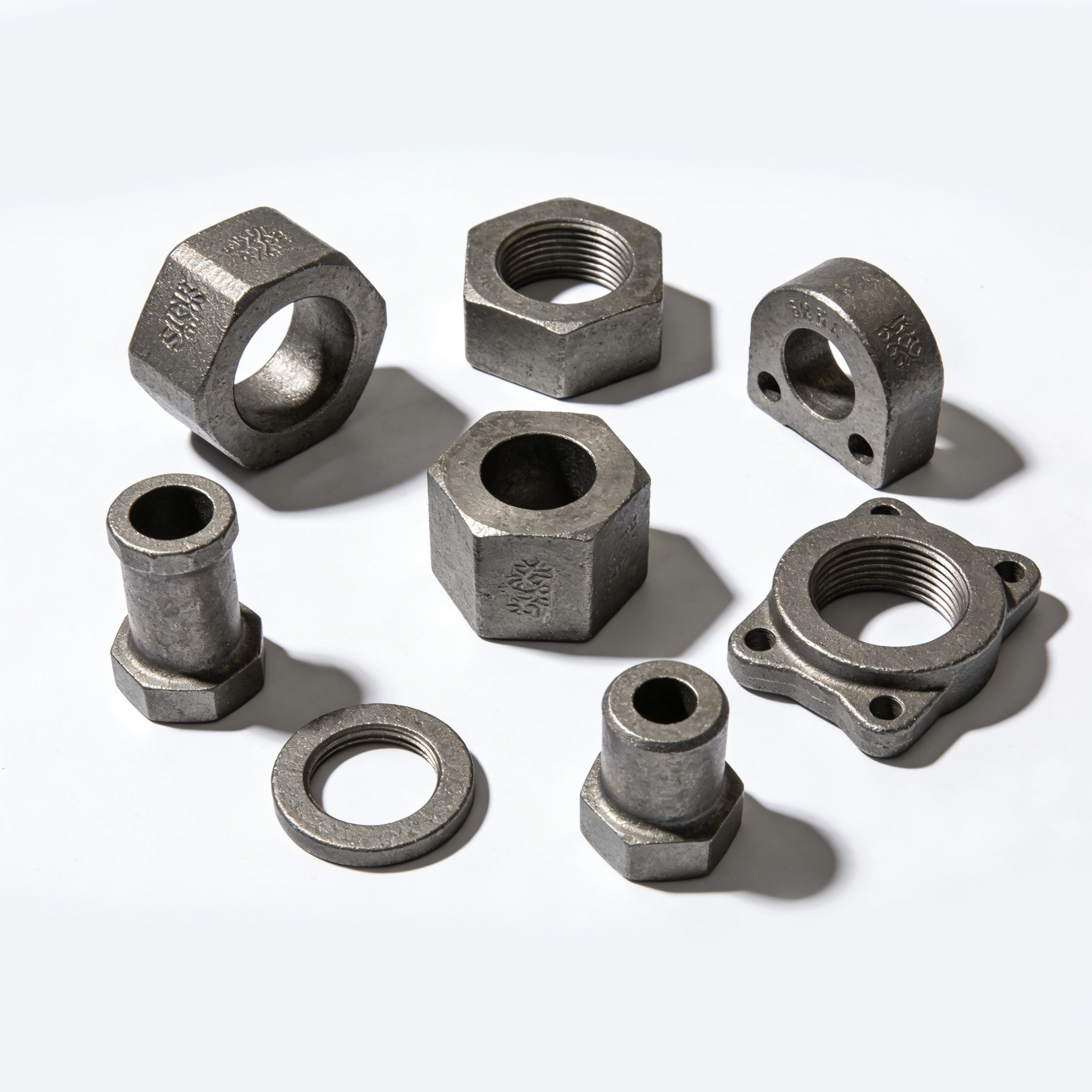
Custom aluminum industrial components are offered with polishing and machining where needed. Separate brass sand-casting and chrome-related investment-casting requests should identify their own material and route. Define the actual component drawing and complete grade before establishing the required supplied condition.
Specify the material and any chrome requirement
Identify whether a chrome-related request concerns alloy composition or a surface finish, with its applicable specification and acceptance. Keep that requirement attached to the actual component. State operating conditions and the material condition relevant to the selected aluminum, brass or other defined part.
Define the working and machined geometry
Show mounting, locating and contact interfaces within the intended equipment. Mark datums and dimensional limits governing fit. Distinguish general cast form from areas needing further work, with the measurement condition and final supplied-interface requirements stated for acceptance.
Set polishing and approval records
Define the coverage and appearance required at the polished surfaces. Identify working contacts and visible areas whose final condition matters to function or installation. Specify material, dimensional and surface records needed to approve the component and explain what an initial item must demonstrate.
- Provide quantity and the controlling revision.
- Identify the selected sand or investment route.
- Define cast-state and finished-interface boundaries.
- Retain approved grade and surface changes with the drawing.
Keep production acceptance connected to the actual part and selected material, machining and finished-surface requirements.