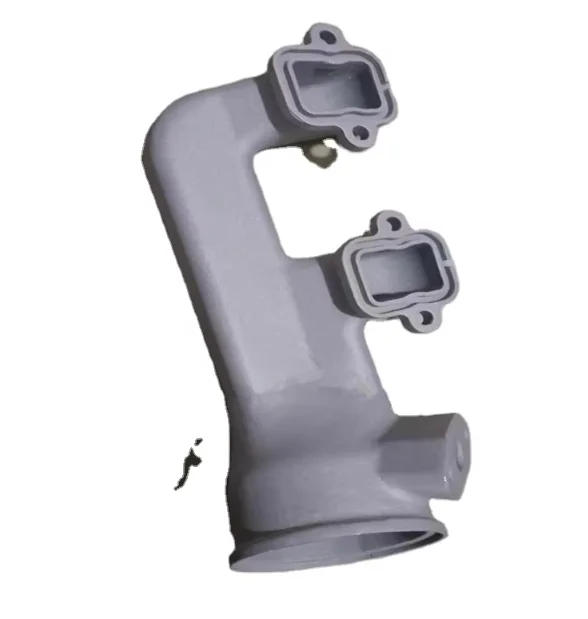
Custom Brass, Copper, Zinc, Iron, Steel and Aluminum Castings — Lost-Wax, Sand, Vacuum or Die Routes with Five-Axis CNC
Direct factory support
Get a quote that fits your project
Send your drawing or product reference, material grade and required quantity. Relia will review the requirements with you.
- Drawing & specification review
Confirm the supply scope and critical requirements.
- Samples before custom production
Review inspected samples before approving a batch.
- Inspection documents
Agree material and dimensional records for your part.
-
Drawing Format2D/(PDF/CAD/DWG/DXF)3D(IGES/STEP/VDA)
-
CertificationGB/T19001-2016/ISO9001:2015standardSizeCustomized Size
-
Surface finishAnodized Powder Coating Polishing.sandblastingProduct nameinvestment casting
-
Materialgrey iron, ductile iron, steel, stainless steel, aluminum, copperApplicationIndustry, automotive, agriculture, aviation, construction, electrical
-
ProcessCasting, CNC, turning, milling, 5 AxisToleranceCustomer's Drawing Request
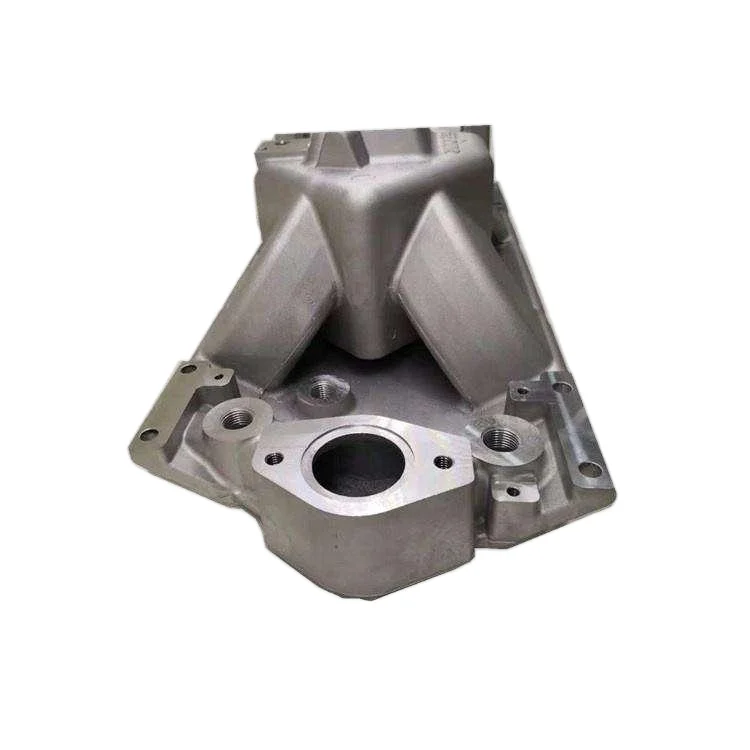
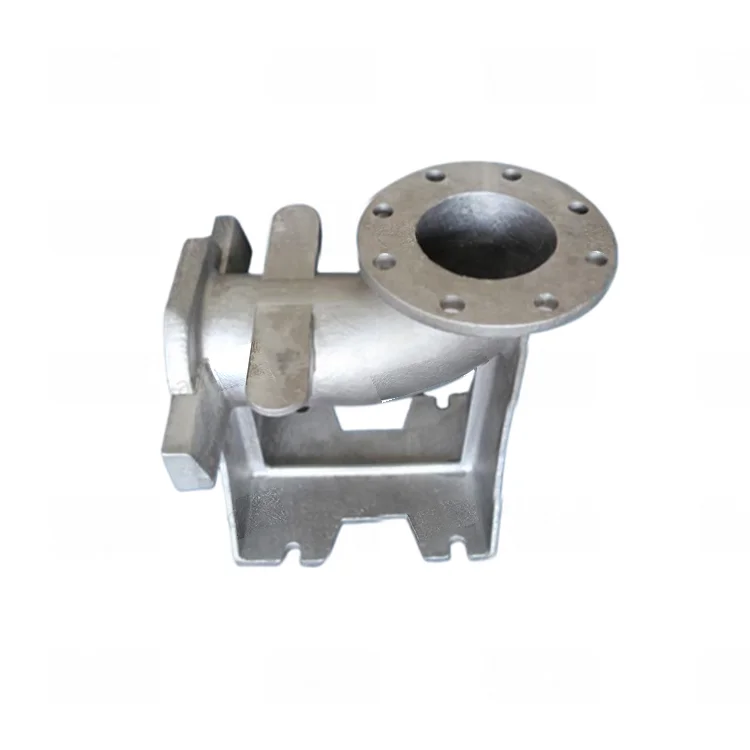
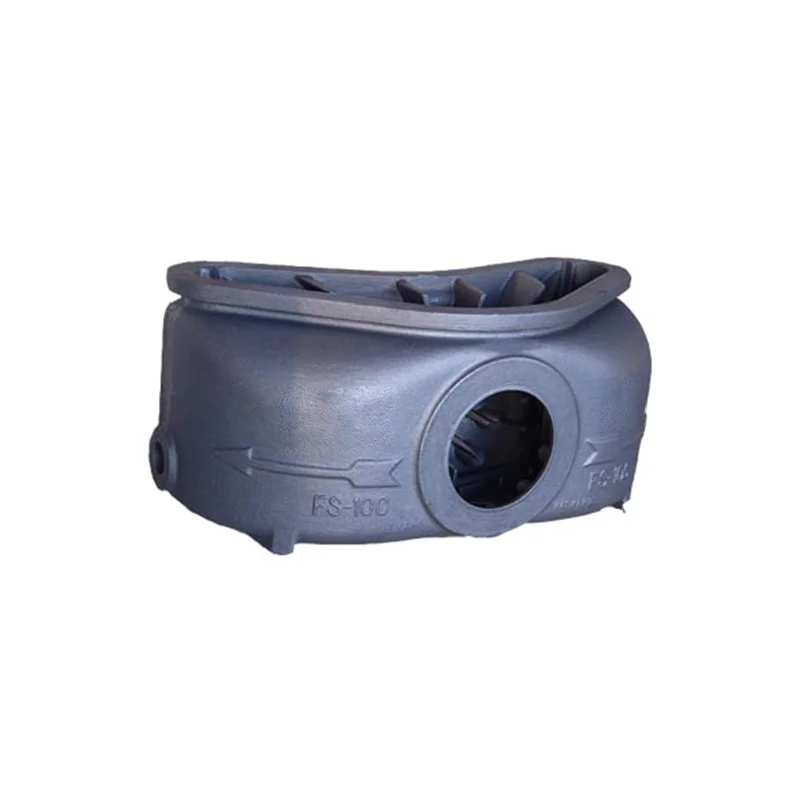
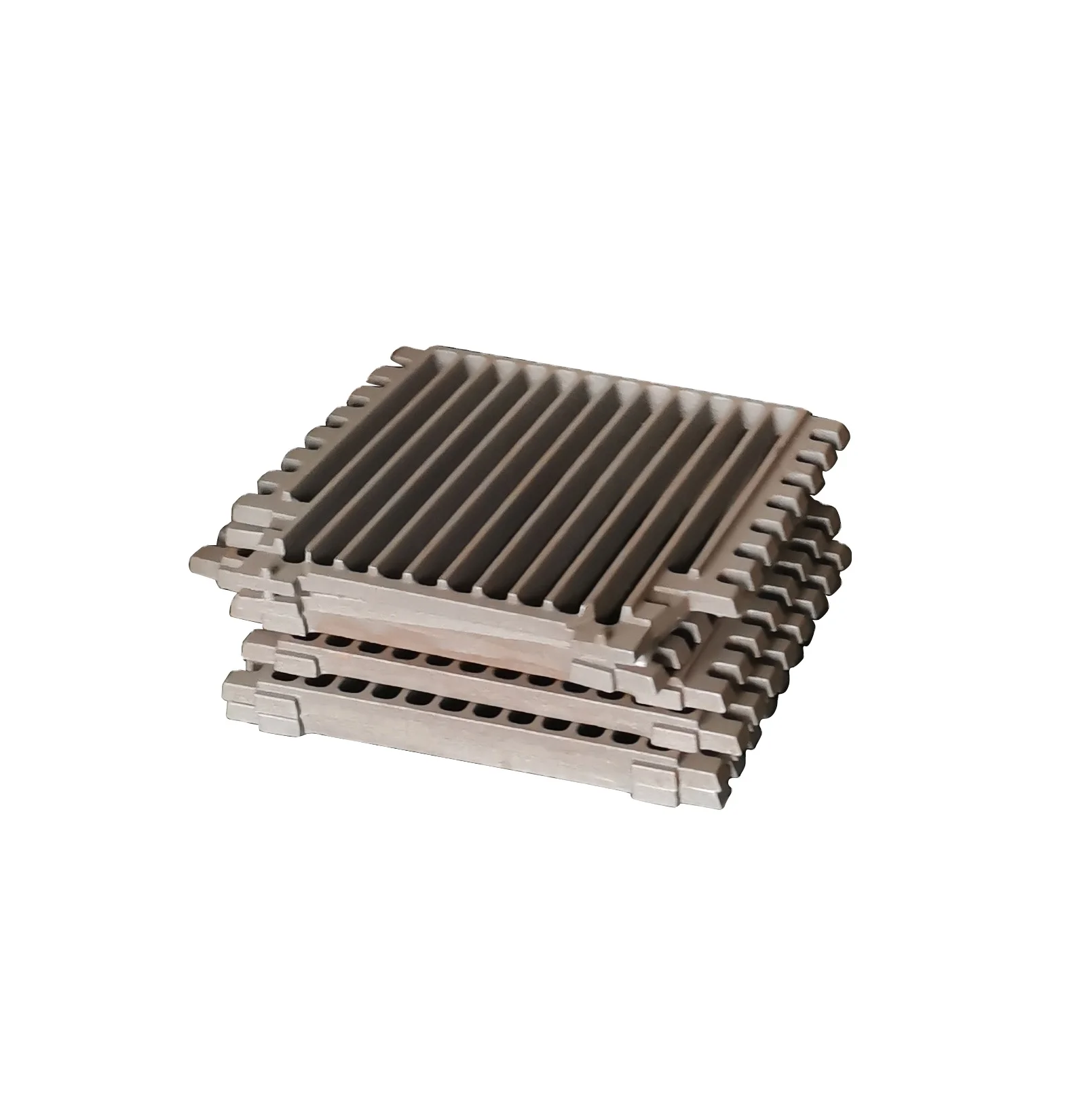
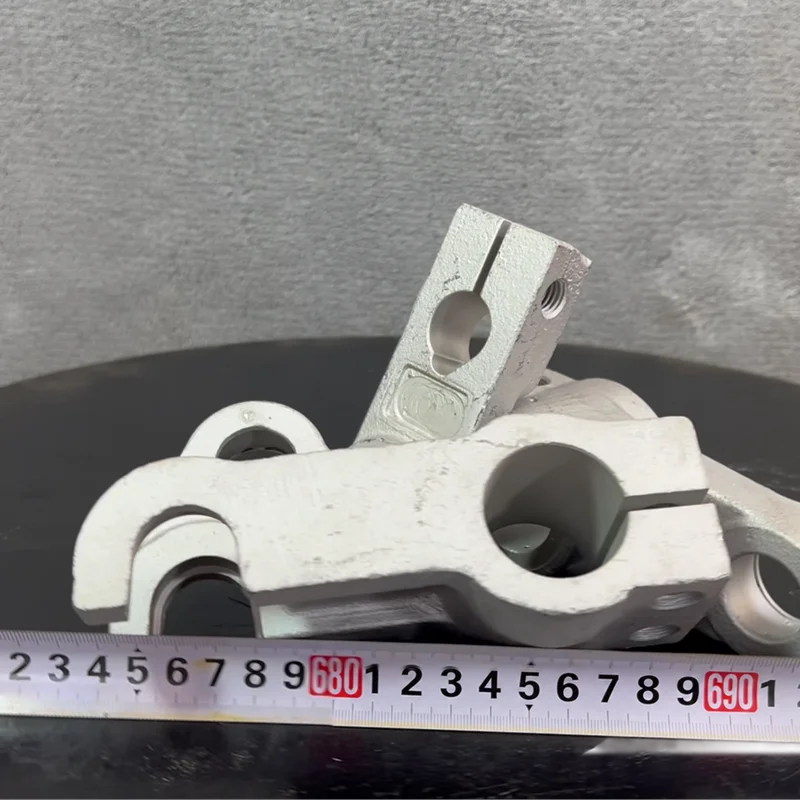
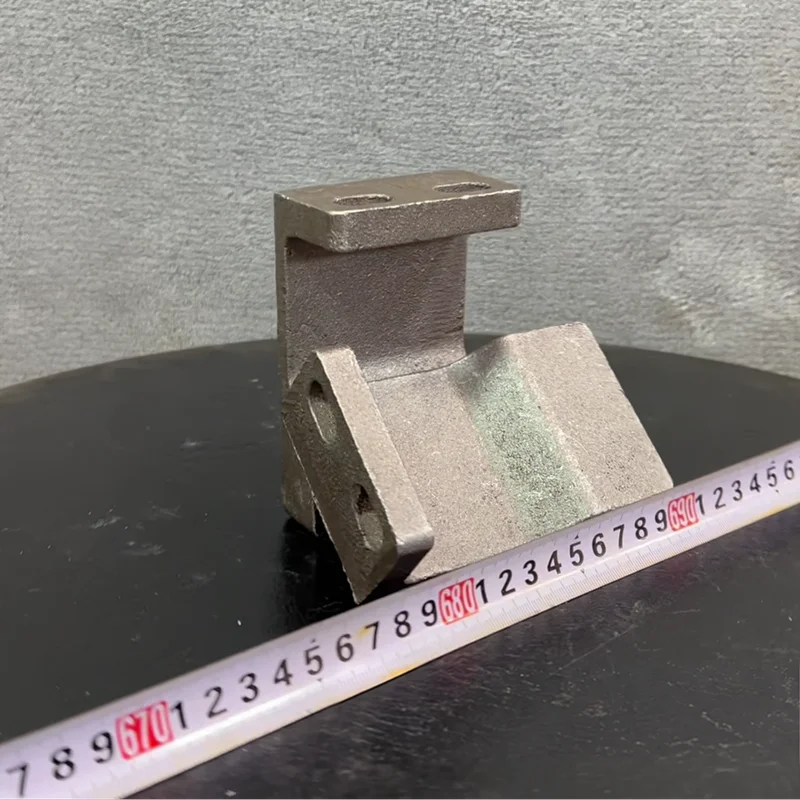
Custom casting enquiries can combine a selected metal and blank route with the machining required by the finished part. This service includes grey iron, ductile iron, steel, stainless steel, aluminum, copper, brass and zinc requests. Lost-wax/investment, sand, vacuum and die casting are route choices for the actual design.
Choose the metal grade and incoming blank
Specify the complete material designation and governing standard for the component. Identify the casting route already required by the project or request a proposal for the selected geometry. The route and material should be agreed together rather than treated as every possible combination.
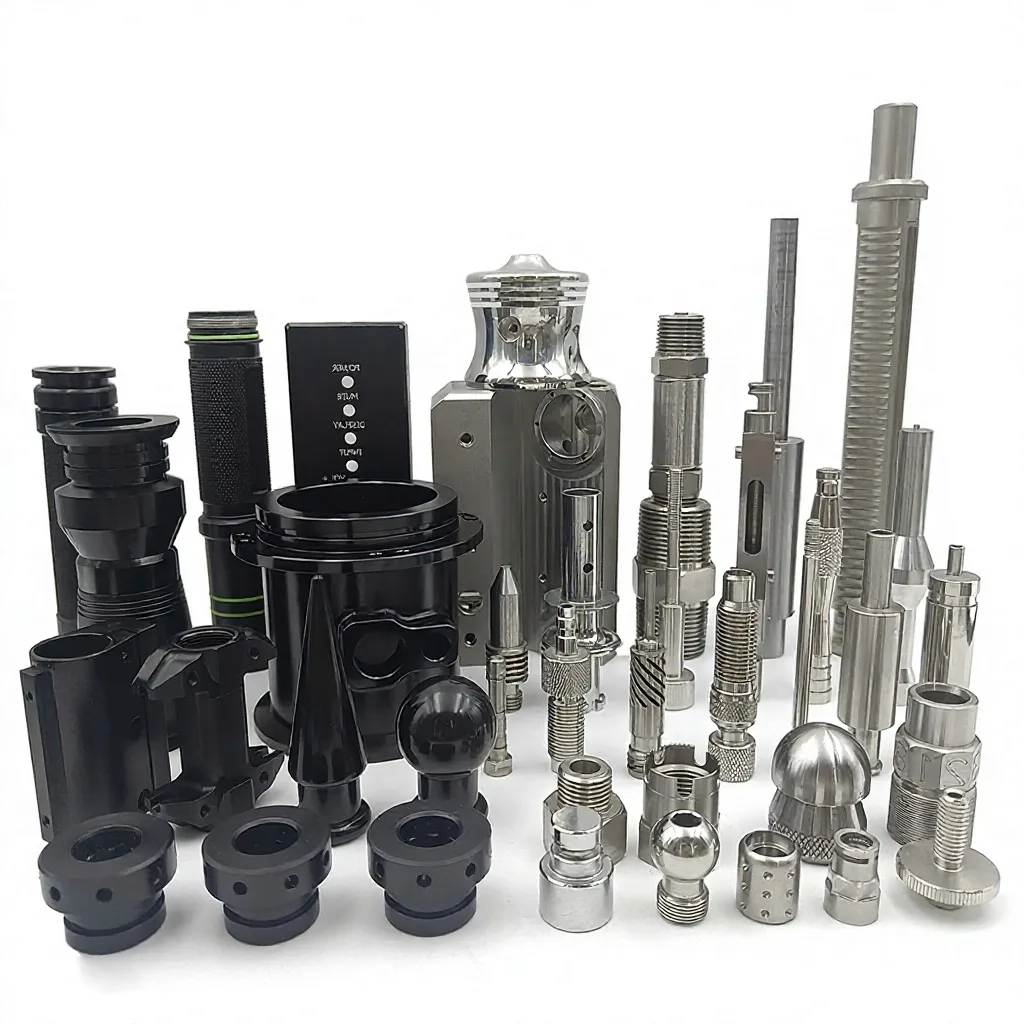
Define CNC and five-axis work on the drawing
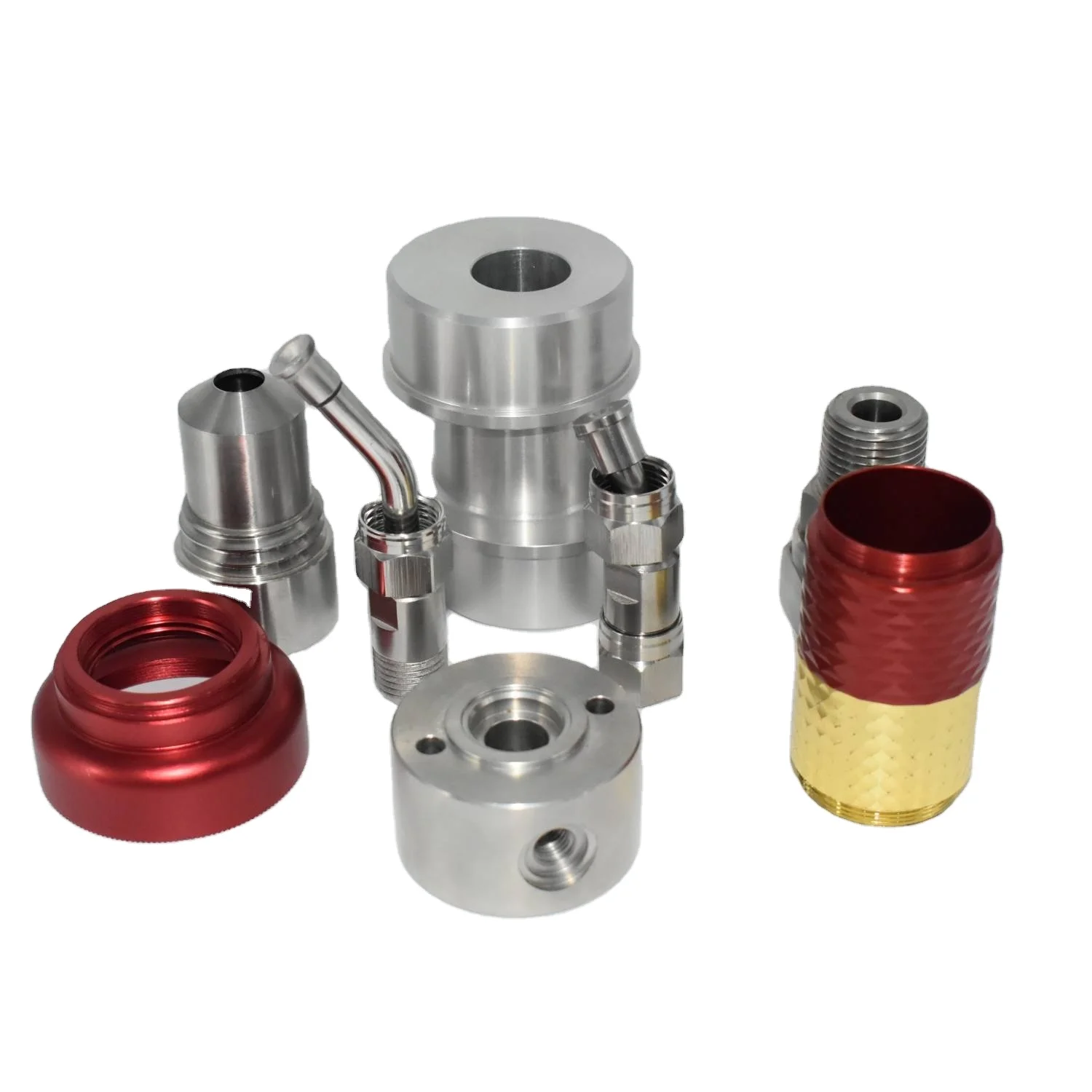
CNC, turning, milling and five-axis processing are named options. Mark the interfaces needing machining and state their finished limits and datums. Size and tolerances follow customer requirements, so the drawing should separate casting dimensions from the machined acceptance.
- Provide 2D PDF/CAD/DWG/DXF information.
- Include available 3D IGES/STEP/VDA geometry.
- Select material, route and required quantity.
- Identify machining and finish requirements by surface.
Select the surface treatment for the component
Anodizing, powder coating, polishing and sandblasting are named finishes. Choose the treatment for the selected metal and identify areas where finishing instructions affect contact or measurement. The delivered-part description should include the required surface condition.
Identify application and qualification needs
Industrial, automotive, agricultural, aviation, construction and electrical projects should supply component-specific acceptance requirements. GB/T19001-2016 and ISO9001:2015 are qualification references for which applicable documents and scope should be identified. Keep those requirements with the drawing and selected material specification.