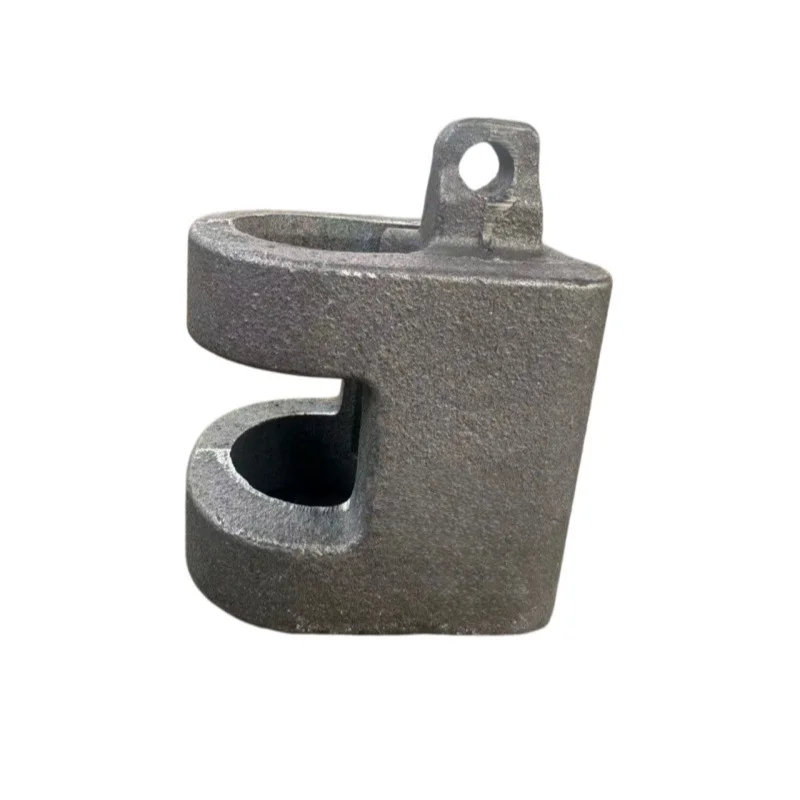
Custom Ductile Iron Machinery Part 013 High Pressure Clay Wet Sand Casting
Direct factory support
Get a quote that fits your project
Send your drawing or product reference, material grade and required quantity. Relia will review the requirements with you.
- Drawing & specification review
Confirm the supply scope and critical requirements.
- Samples before custom production
Review inspected samples before approving a batch.
- Inspection documents
Agree material and dimensional records for your part.
-
Processing customizationyesPrototype cycle4-7 days
-
Part Number012Dimensional accuracy0.3
-
Processing cycle8-15 days
-
Minimum machining size0.2Casting processHigh pressure casting
-
Types of sand castingClay wet sand mold
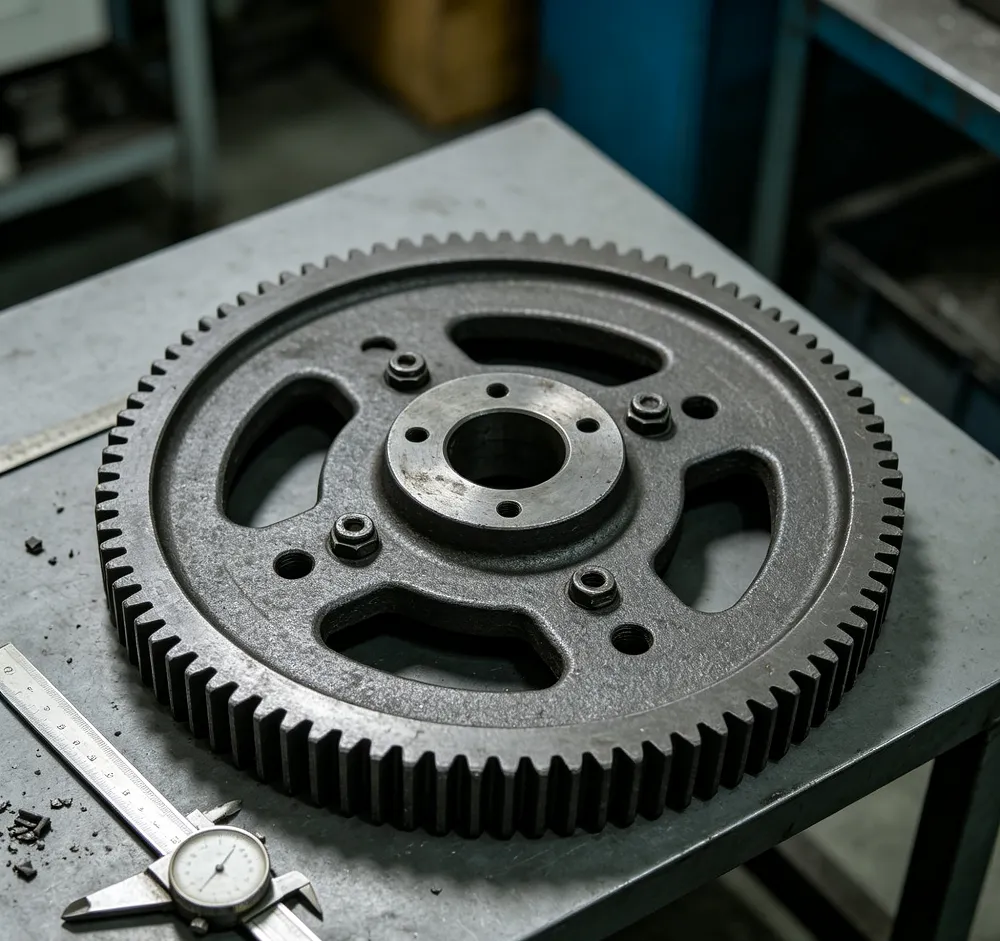
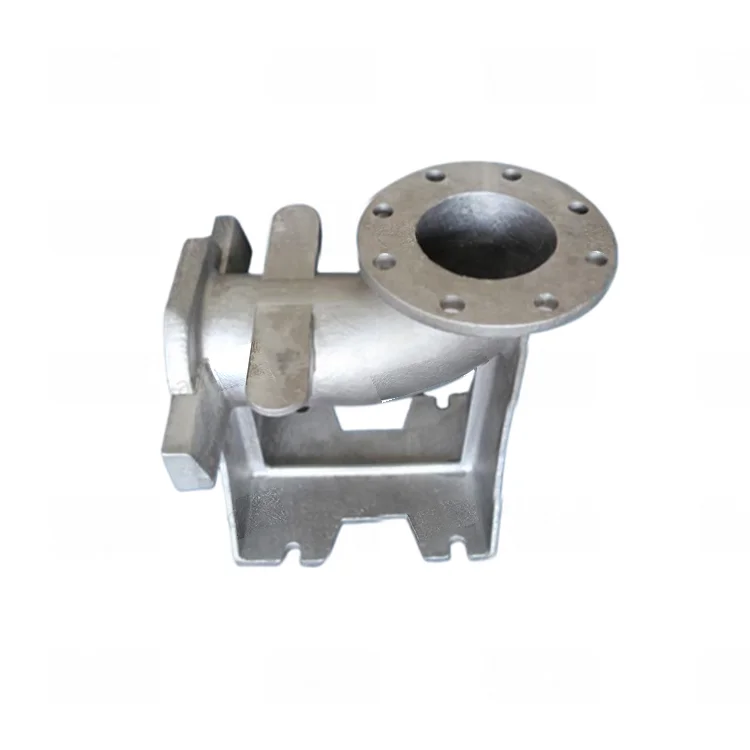
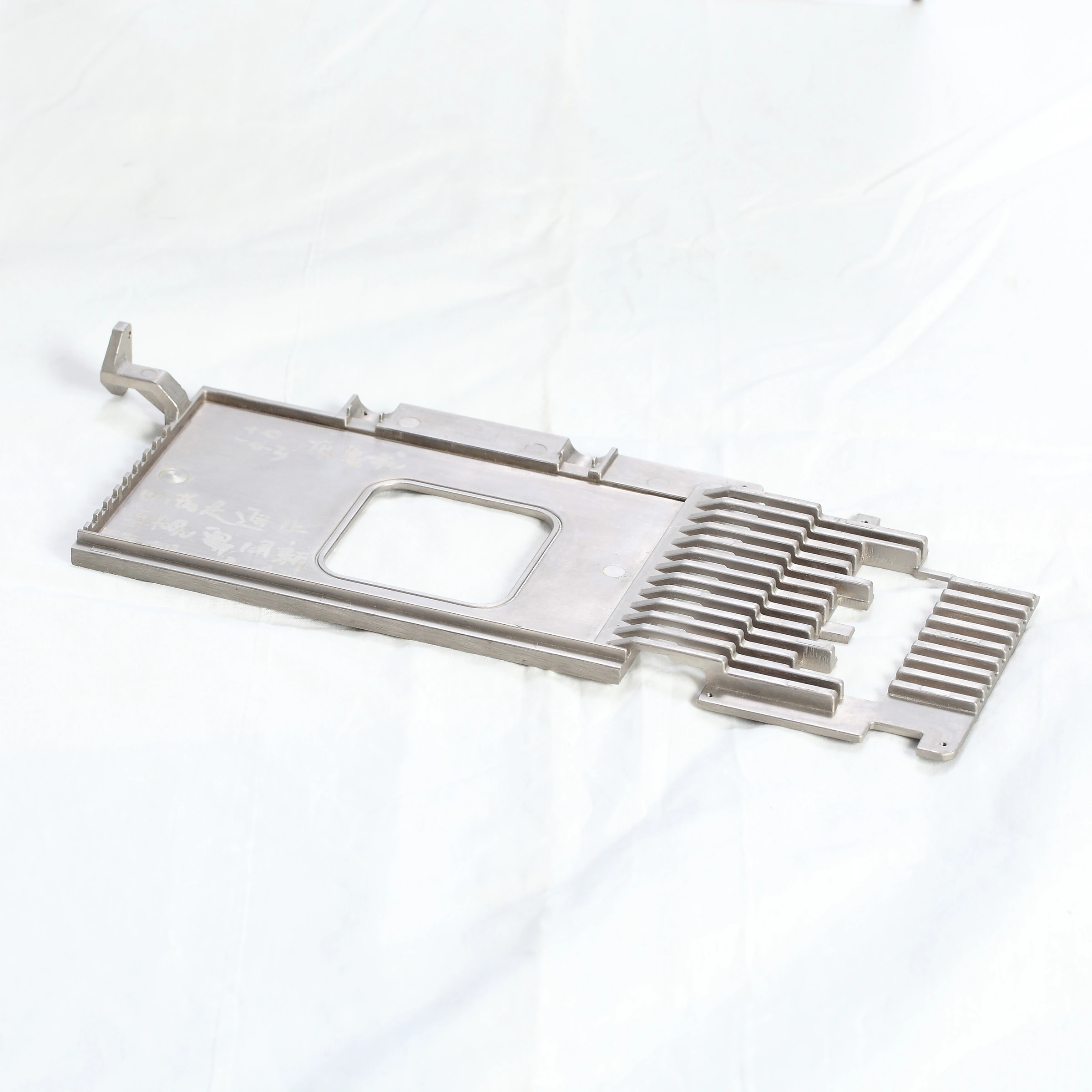
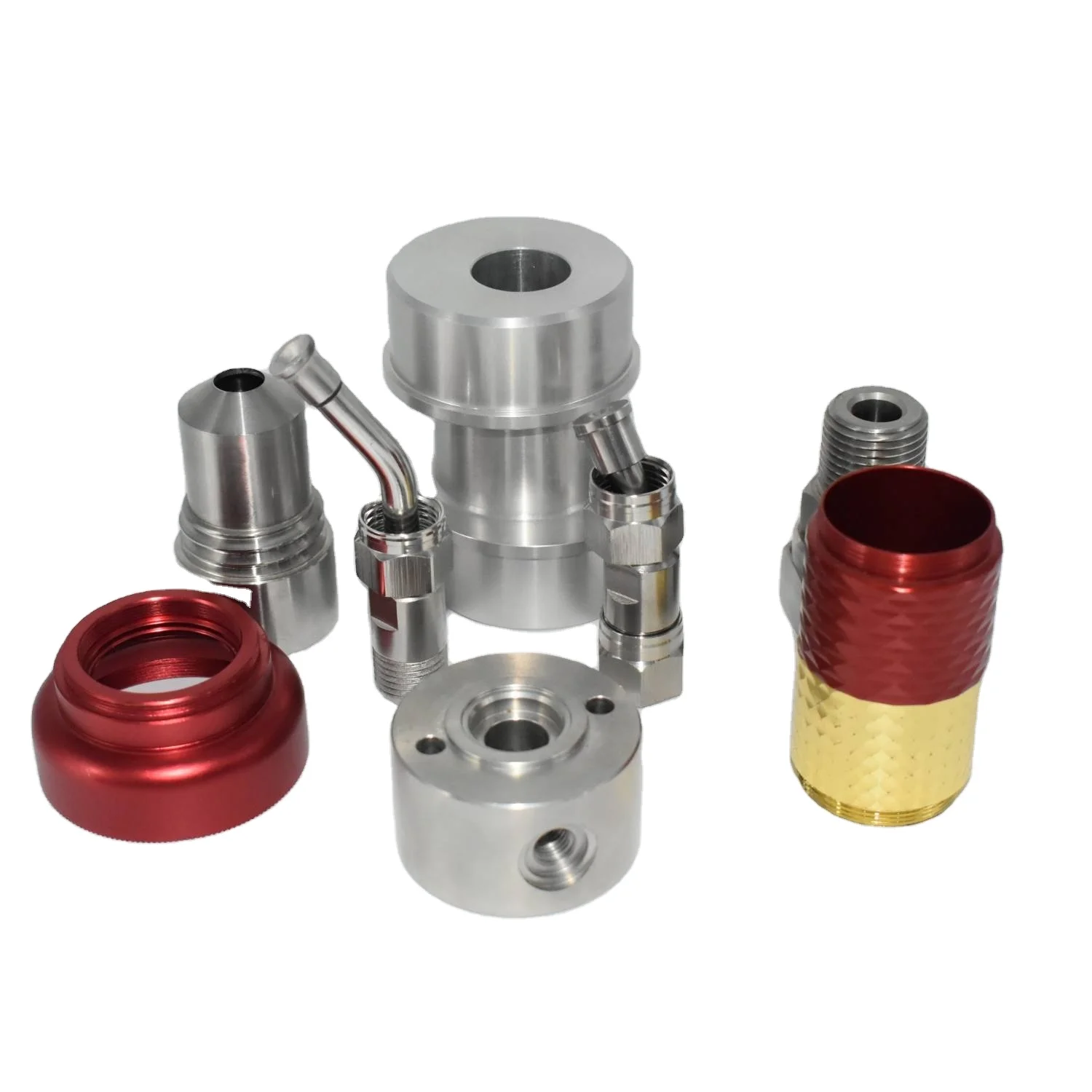
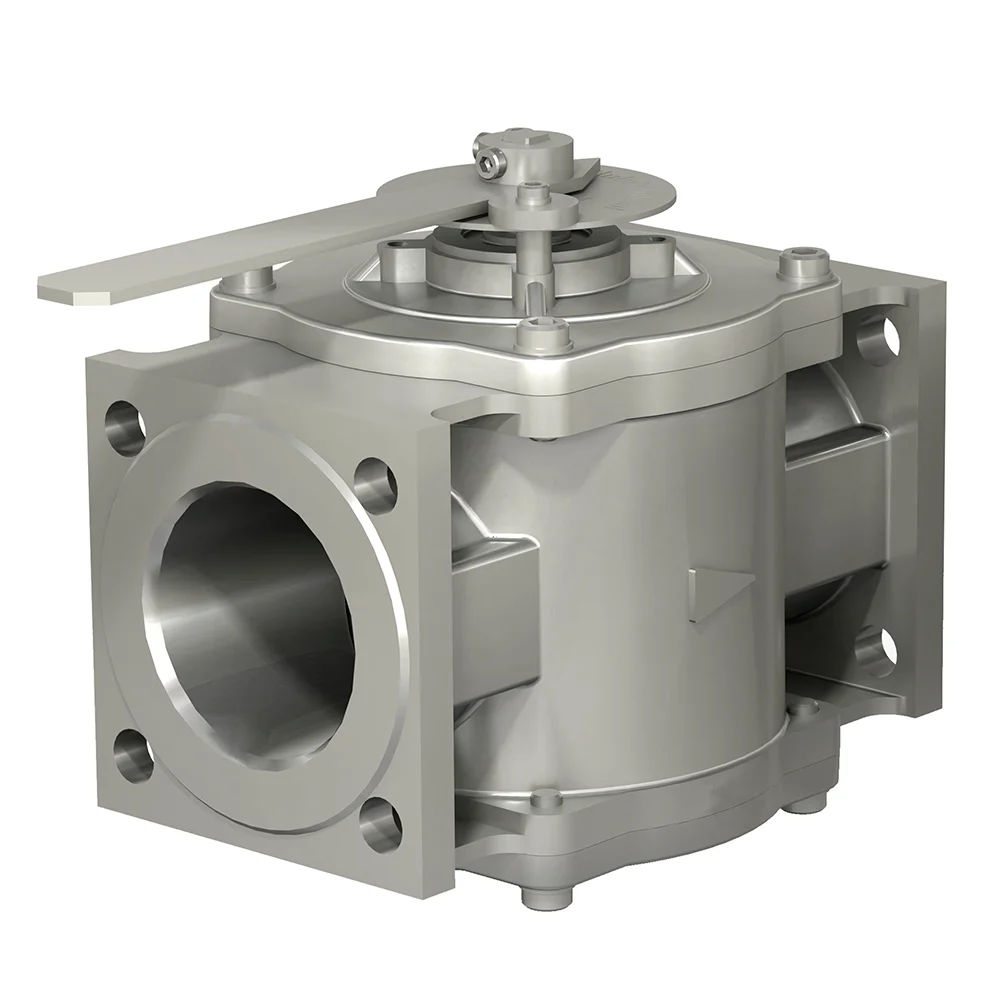
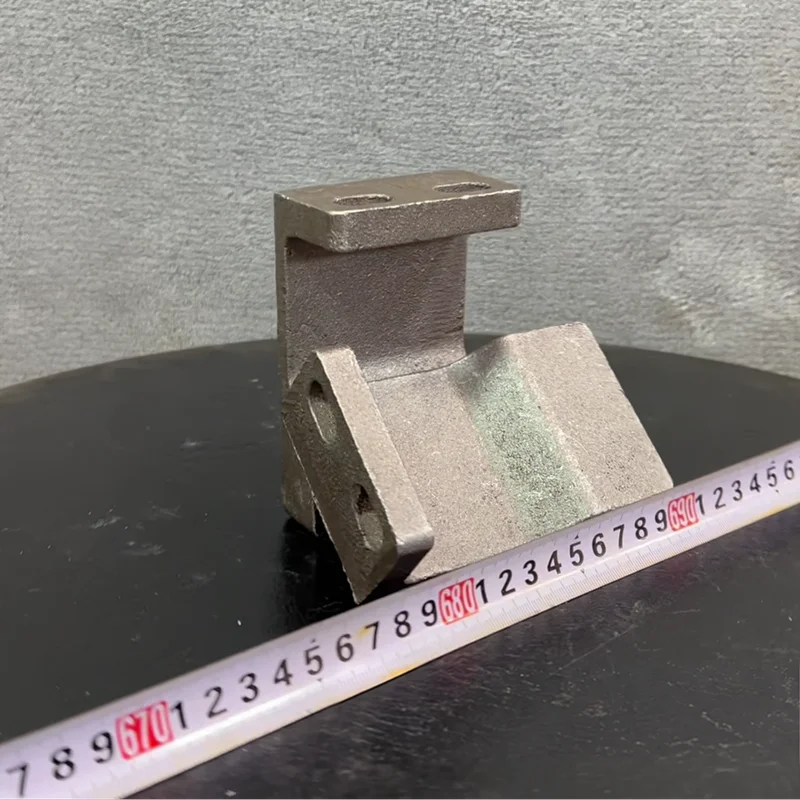
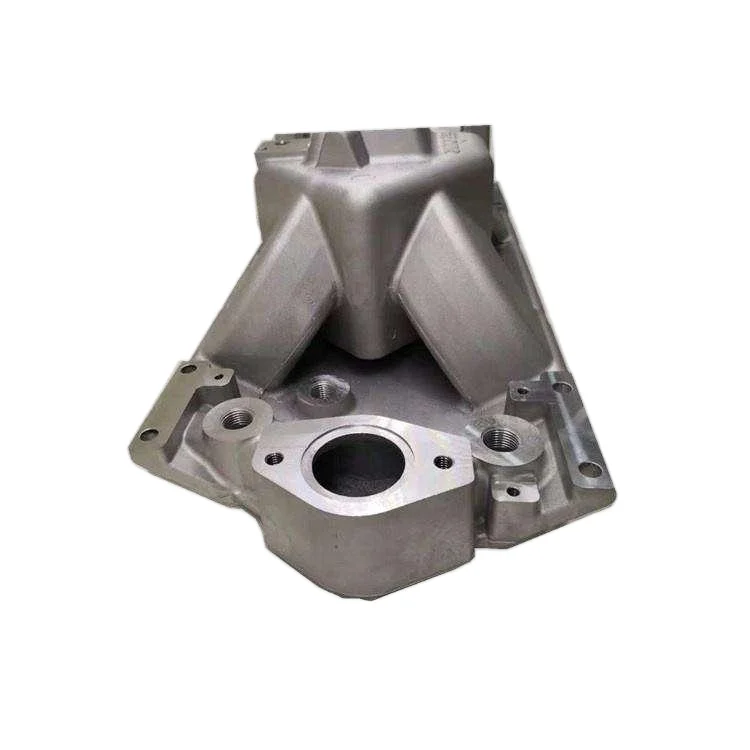
Selectable reference 013 identifies a custom ductile-iron machinery-part enquiry using clay wet-sand molding with high-pressure casting requests. Include the controlled drawing and any 012 part reference used in the component definition so that the ordered geometry and supplied condition are clear.
Define the part within its machinery assembly
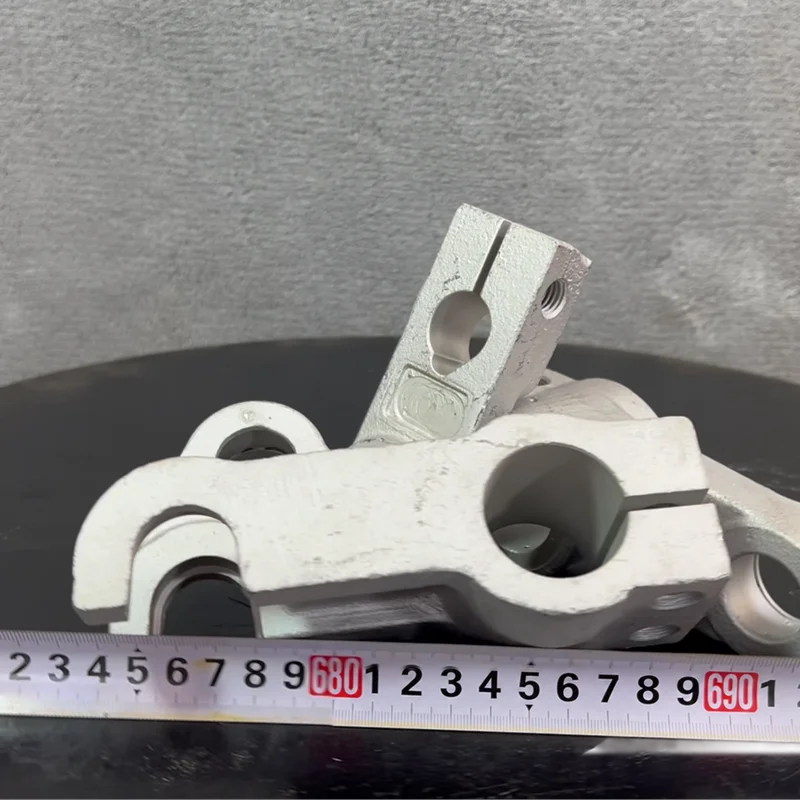
Show the mounting points, mating surfaces and clearances that determine fit. Specify the complete iron grade and required material condition for the actual design. A sample or existing part should be accompanied by the dimensions that govern acceptance, including any areas affected by wear.
- Provide the drawing revision and required quantity.
- Mark functional datums and controlled interfaces.
- Identify the required final surface and supplied condition.
- Define material and dimensional approval records.
Assign the dimensional references to the drawing
The dimensional-accuracy reference is 0.3 and the minimum-machining-size reference is 0.2. Establish their units, relevant dimensions and delivered stages for the selected part. The measurement arrangement should explain how those requirements relate to the actual component rather than leaving them as unassigned values.
Scope the molding and approval work
Define the required high-pressure production scope within the selected sand-molding enquiry. Include any additional work requested for finished interfaces and the inspection basis used to approve it. Agree the prototype and processing schedule for the actual quantity and scope, with sample acceptance tied to the same drawing, grade and supplied condition required for subsequent production.