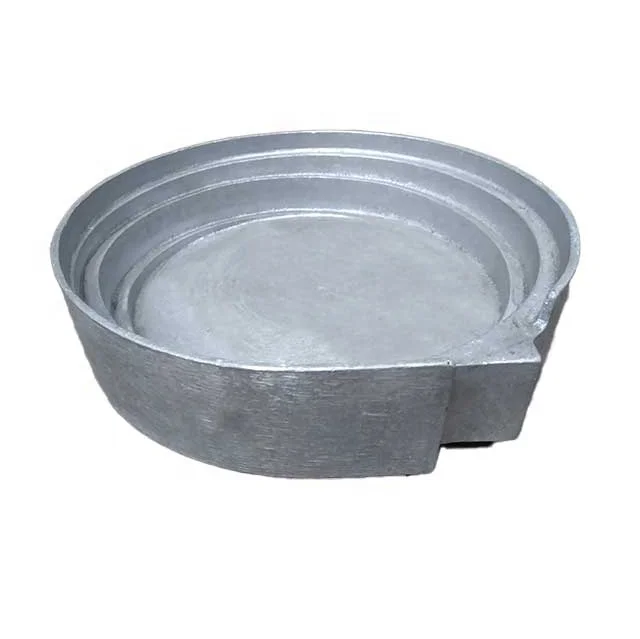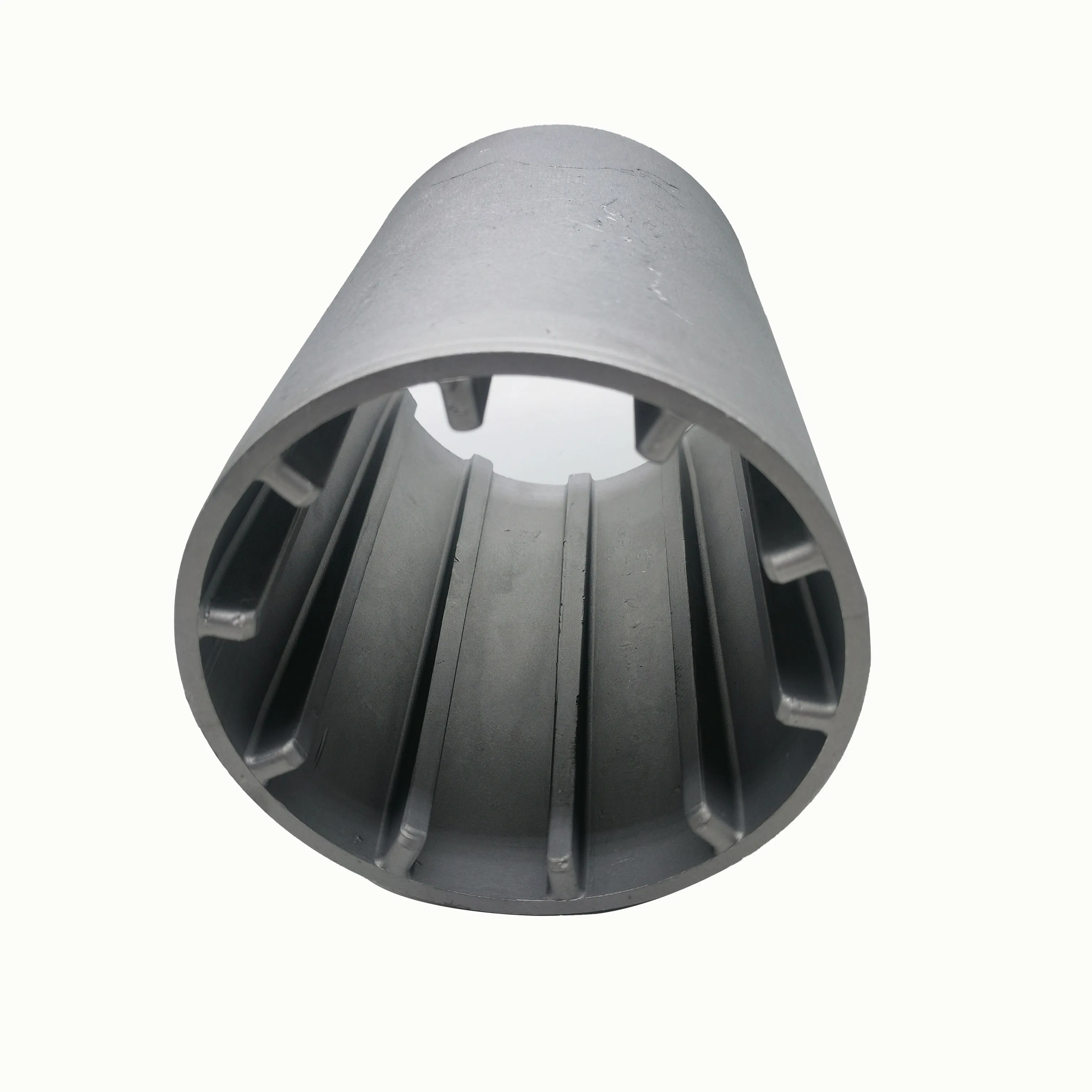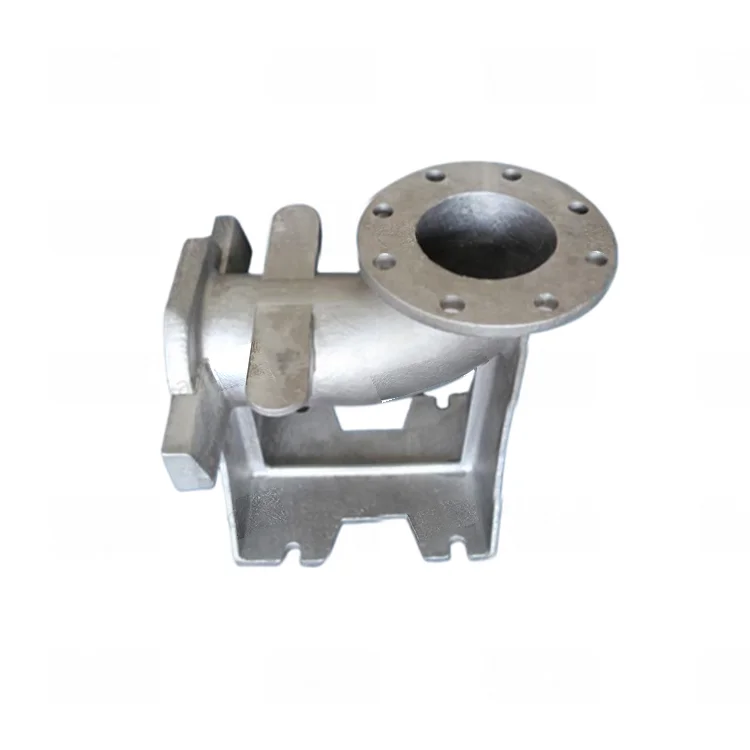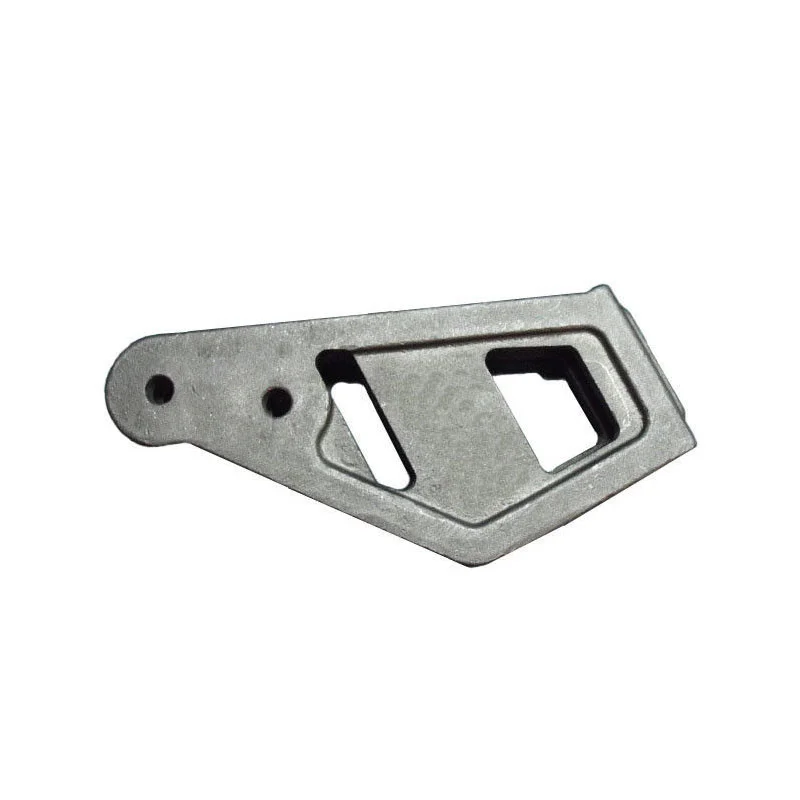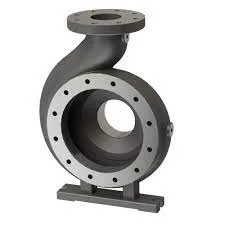
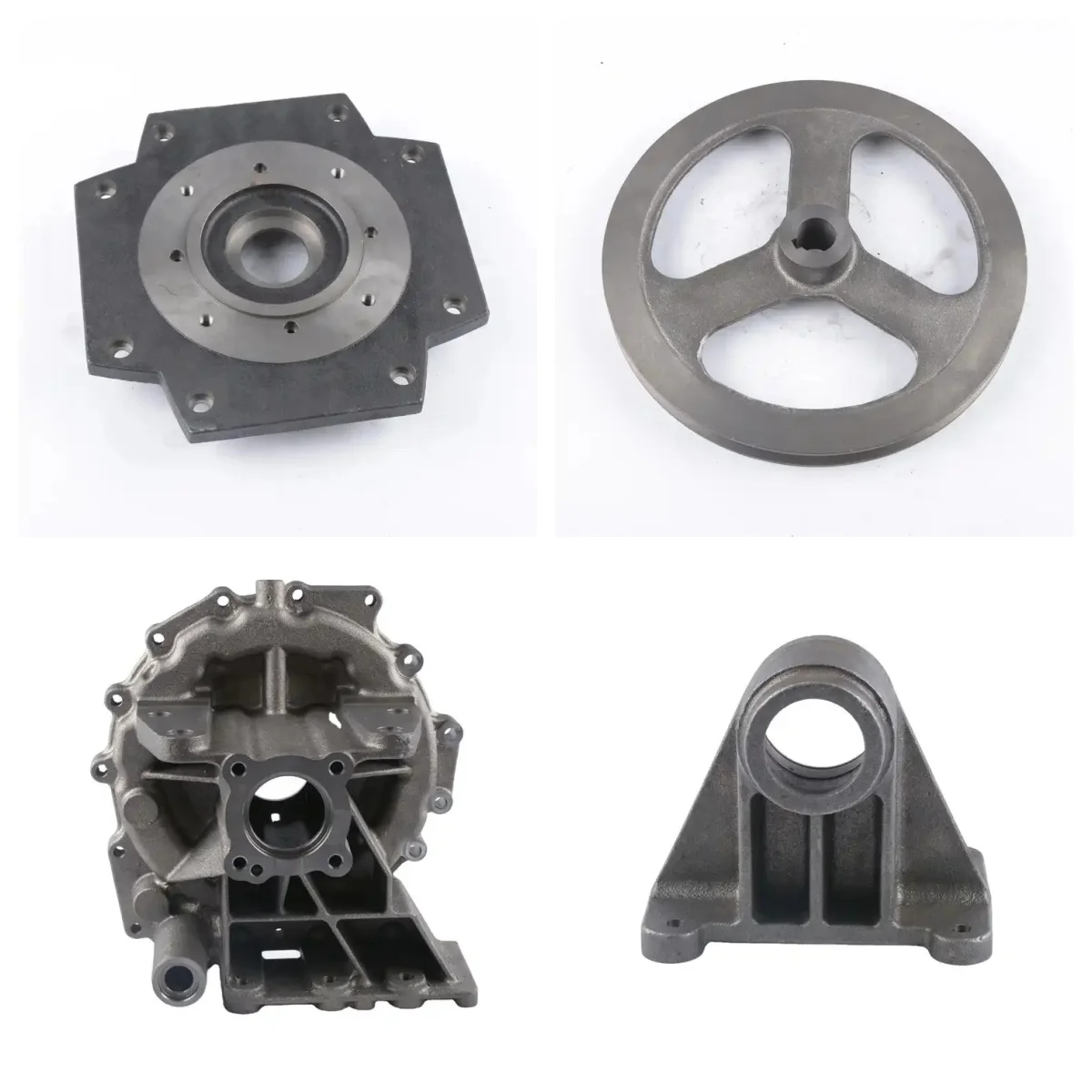
Custom Gray Ductile Iron Sand Casting Parts for Industrial Machinery with OEM ODM Drawing Based Sizes
Direct factory support
Get a quote that fits your project
Send your drawing or product reference, material grade and required quantity. Relia will review the requirements with you.
- Drawing & specification review
Confirm the supply scope and critical requirements.
- Samples before custom production
Review inspected samples before approving a batch.
- Inspection documents
Agree material and dimensional records for your part.
-
MaterialDuctile Iron & Grey iron
-
ApplicationIndustry MachineryProcessSand casting
-
ServiceOEM\ODMCertificationISO9001
-
DimensionsCustomized SizesQuality Control100% Inspected /ISO9001 System
-
ToleranceCustomer's Drawing Request
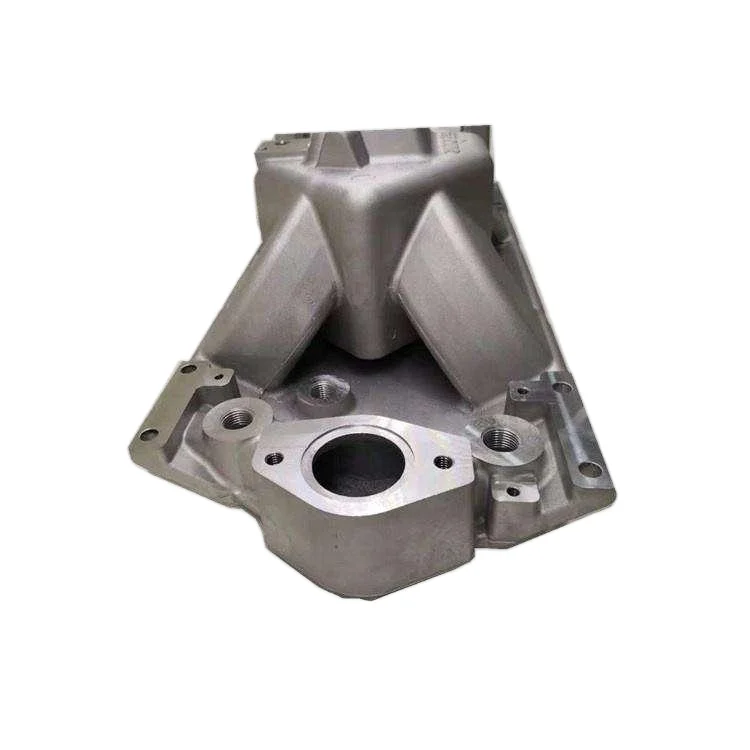
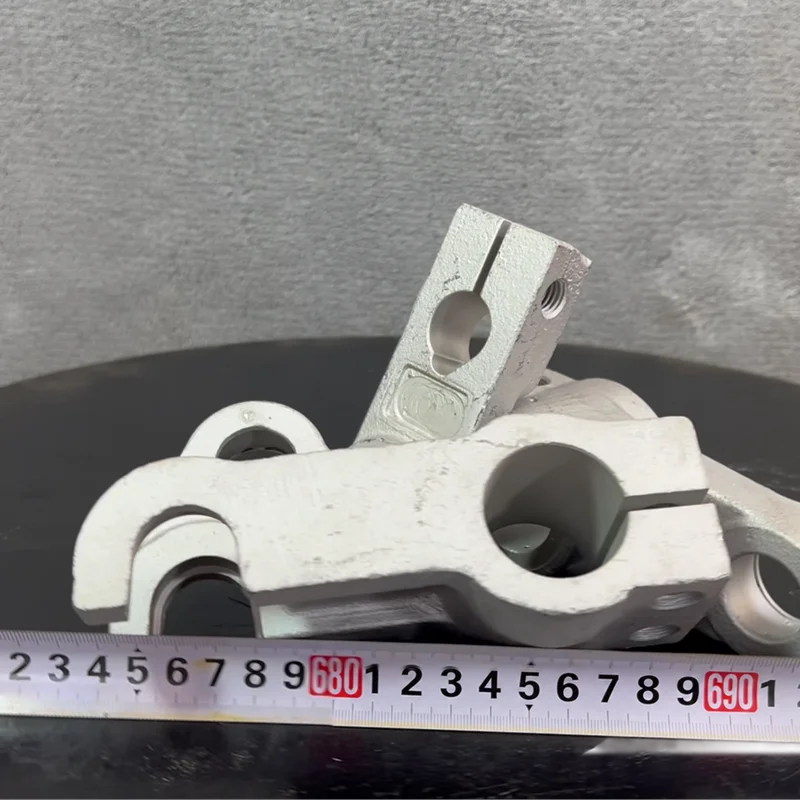
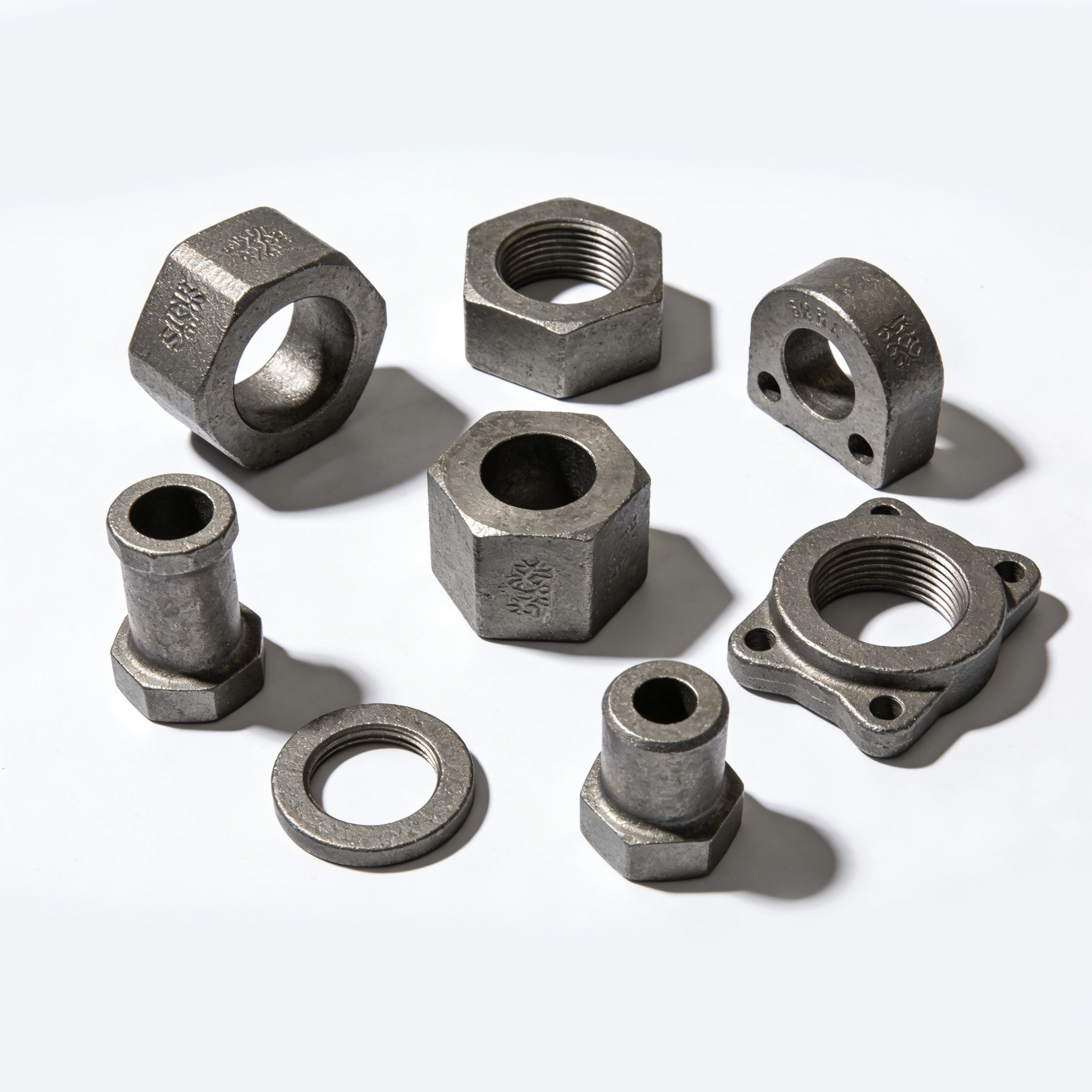
Industrial-machinery casting enquiries offer gray- or ductile-iron sand-cast components in customized sizes. Select the full iron grade and provide the required part drawing for OEM/ODM work. The supplied condition and drawing-based tolerances should describe the component that will be accepted for the machinery assembly.
Locate the component in its machinery
Identify the mounting points, fitted openings and contact surfaces that establish its position or function. Show sections where internal form and changes in wall geometry affect the part definition. Mark the datum relationships and dimensions used to judge the required interfaces.
Assign acceptance to the chosen supplied state
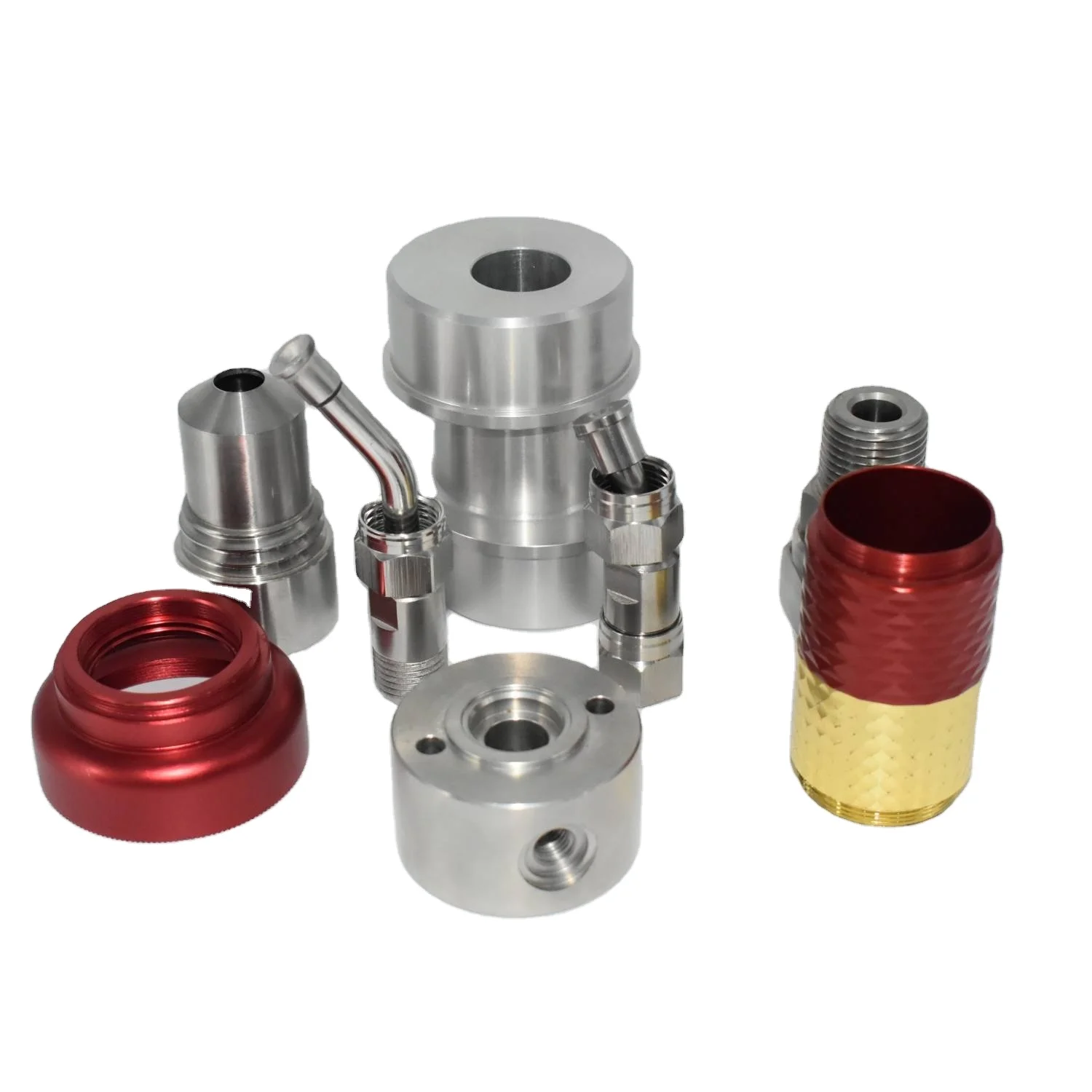
State the material condition and final surface needed for the working environment. Distinguish geometry approved in the cast state from any additional work requested in the quotation. Dimensional limits and measurement stage should correspond to the condition in which the component is delivered.
- Provide quantity and the controlled revision.
- Identify the governing material requirement.
- Mark functional and visible areas.
- Define sample-approval records for the part.
Connect the inspection plan to the drawing
The casting’s stated 100% inspection under an ISO9001-system reference should address agreed characteristics and acceptance limits. Identify the actual checks and material, dimensional or visual records needed for approval. Request the relevant certificate scope alongside those requirements. Use the same grade, drawing and supplied-state definition for subsequent production acceptance so the industrial component has a consistent procurement basis.