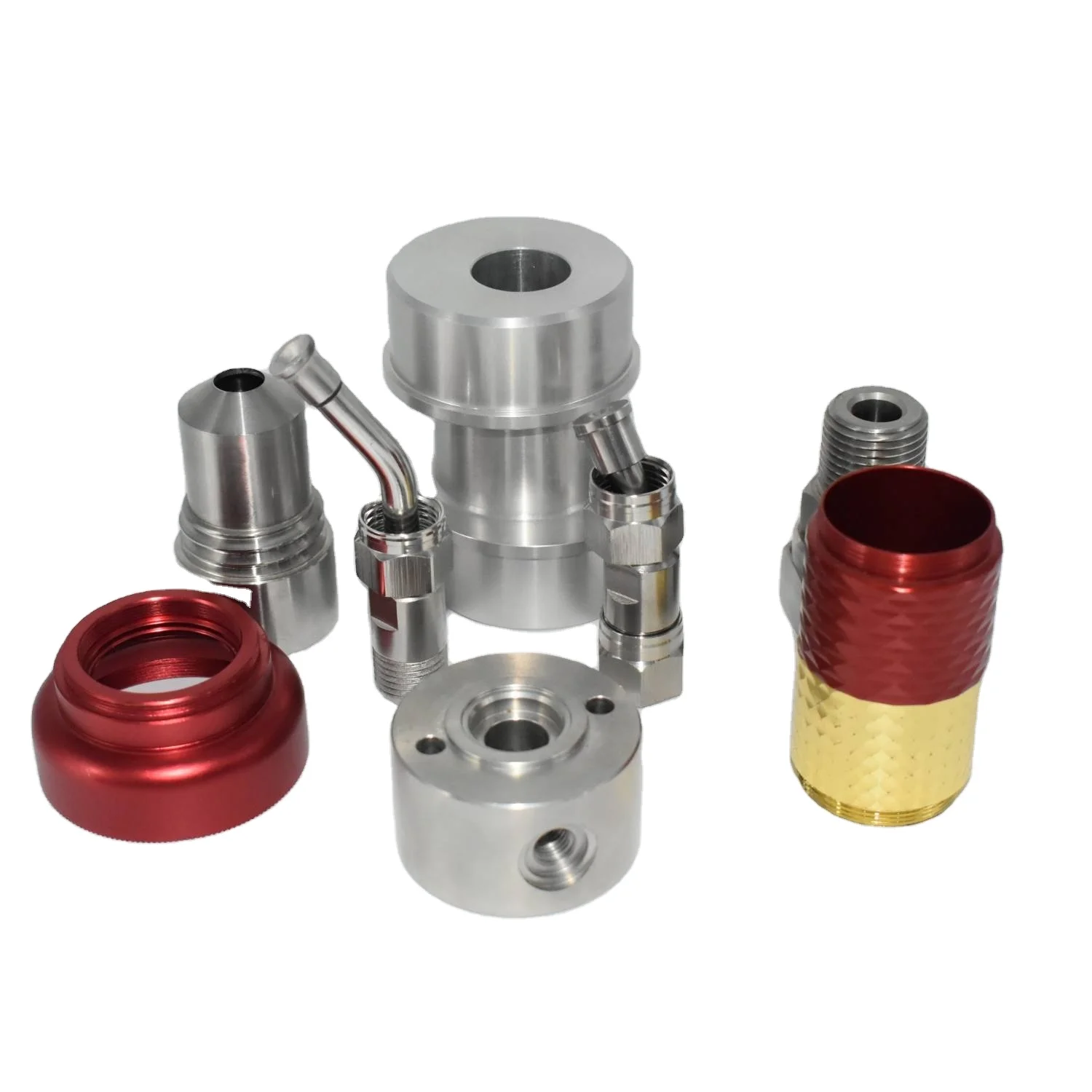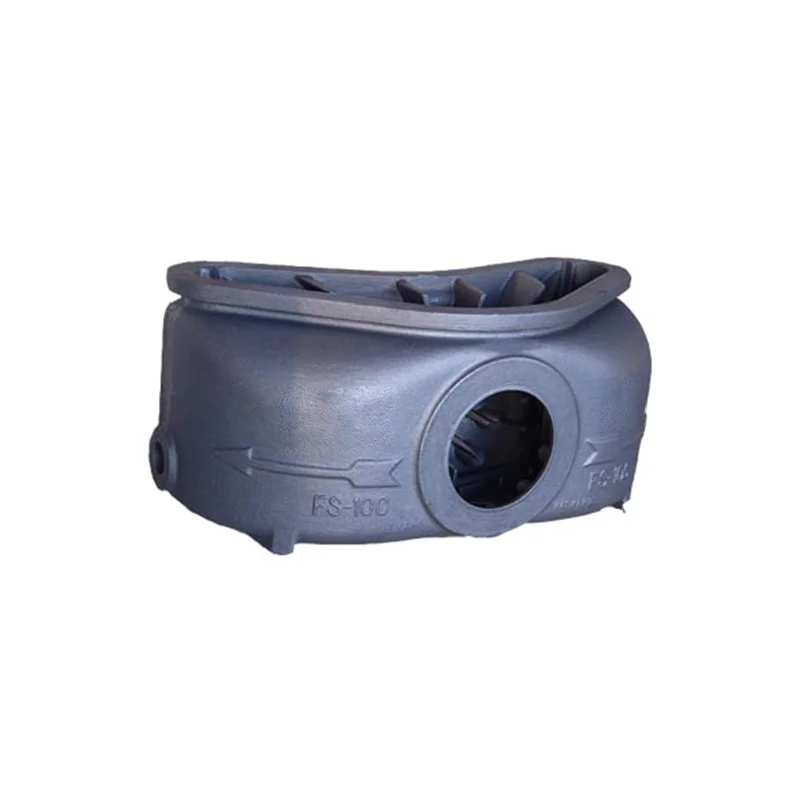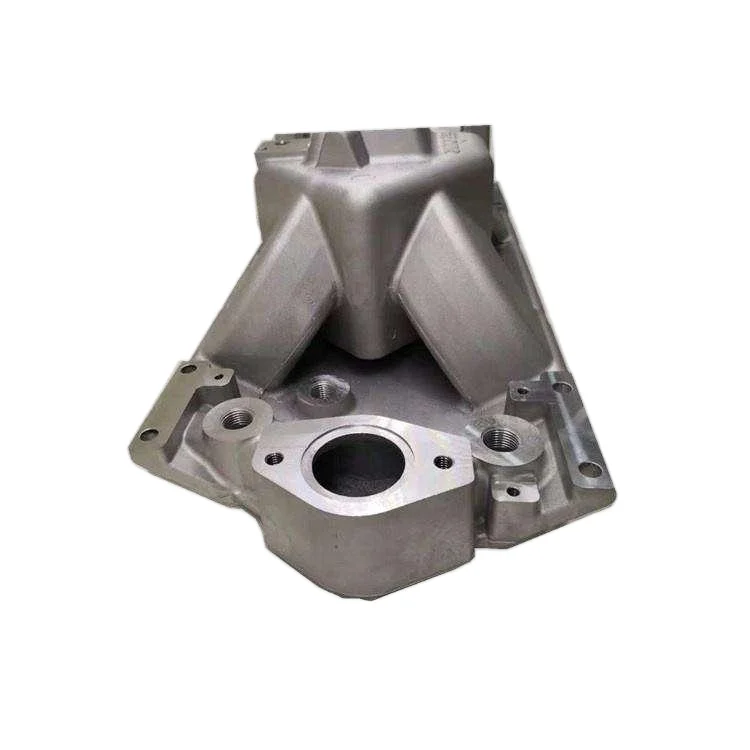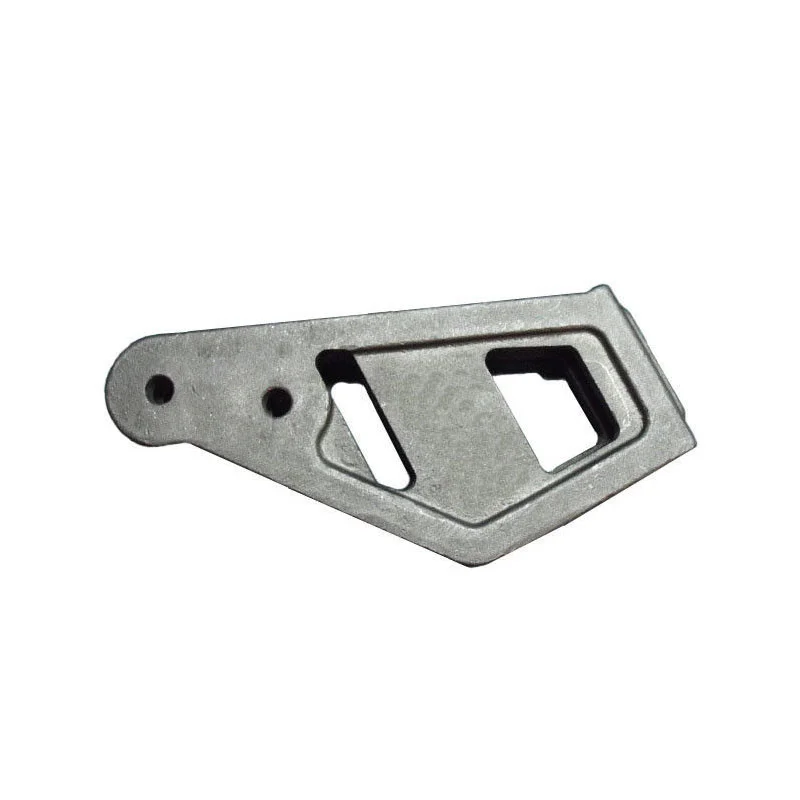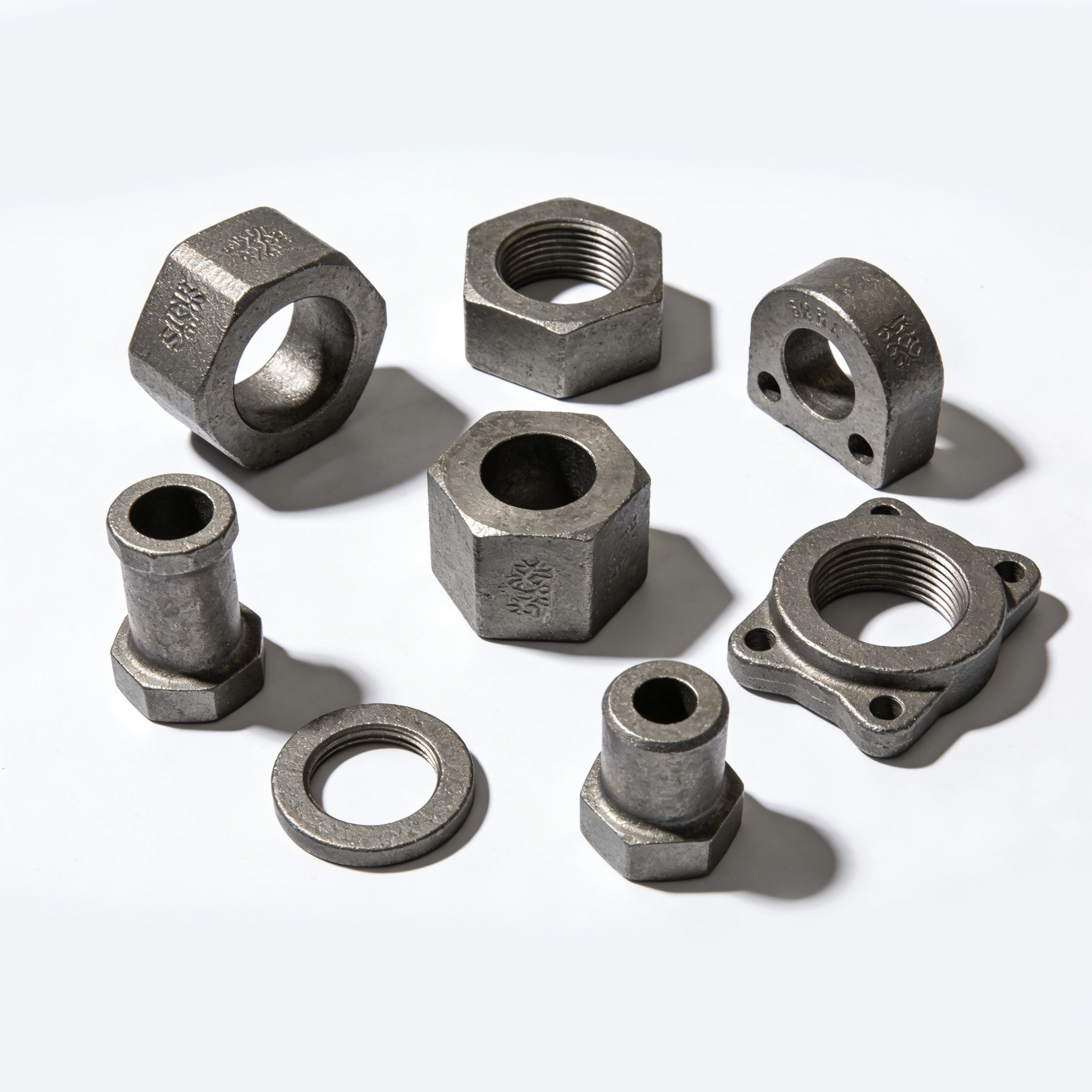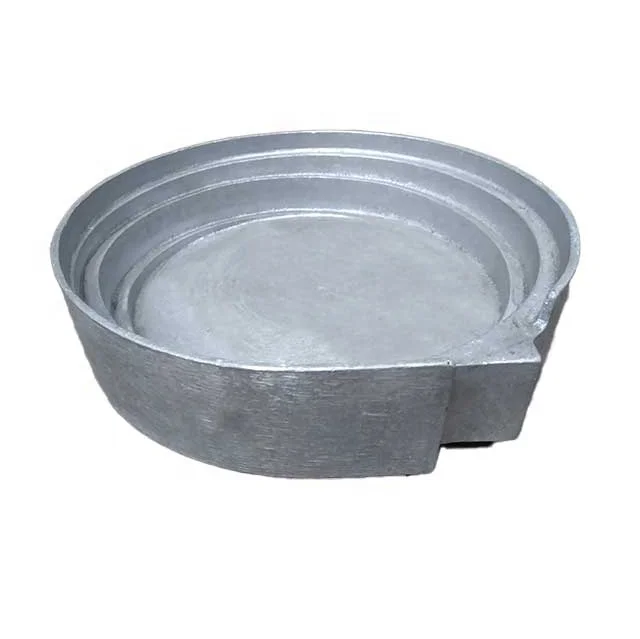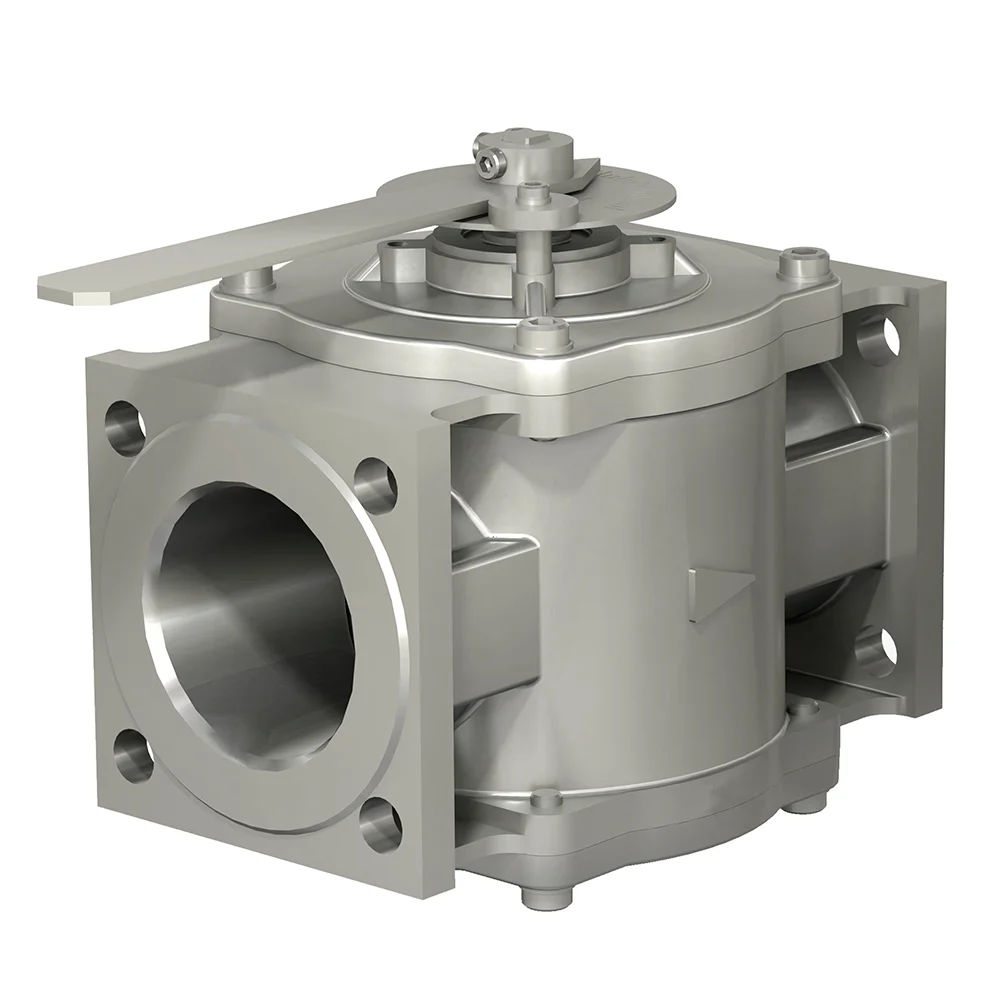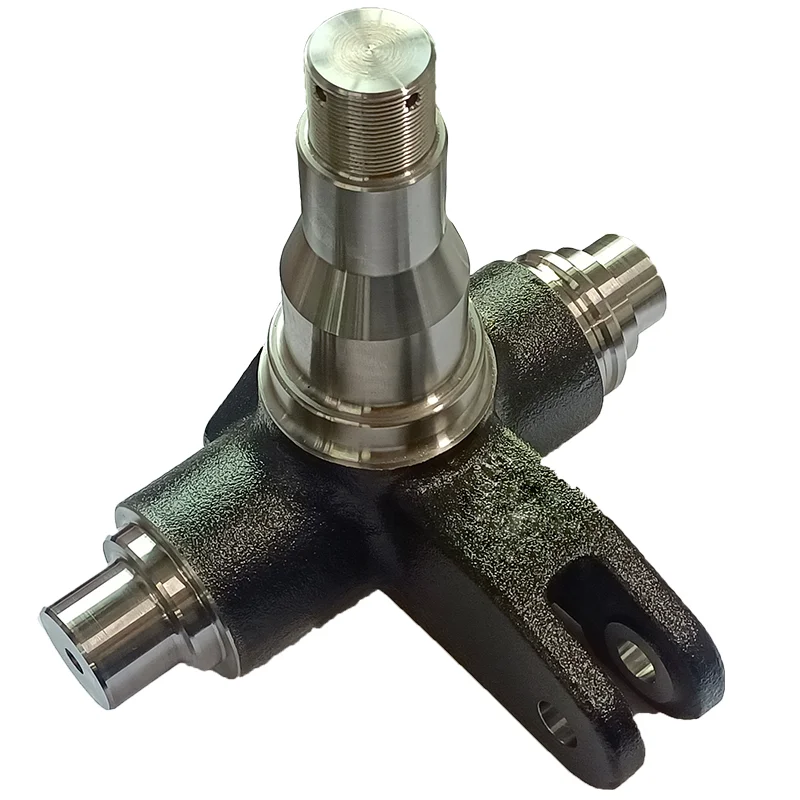
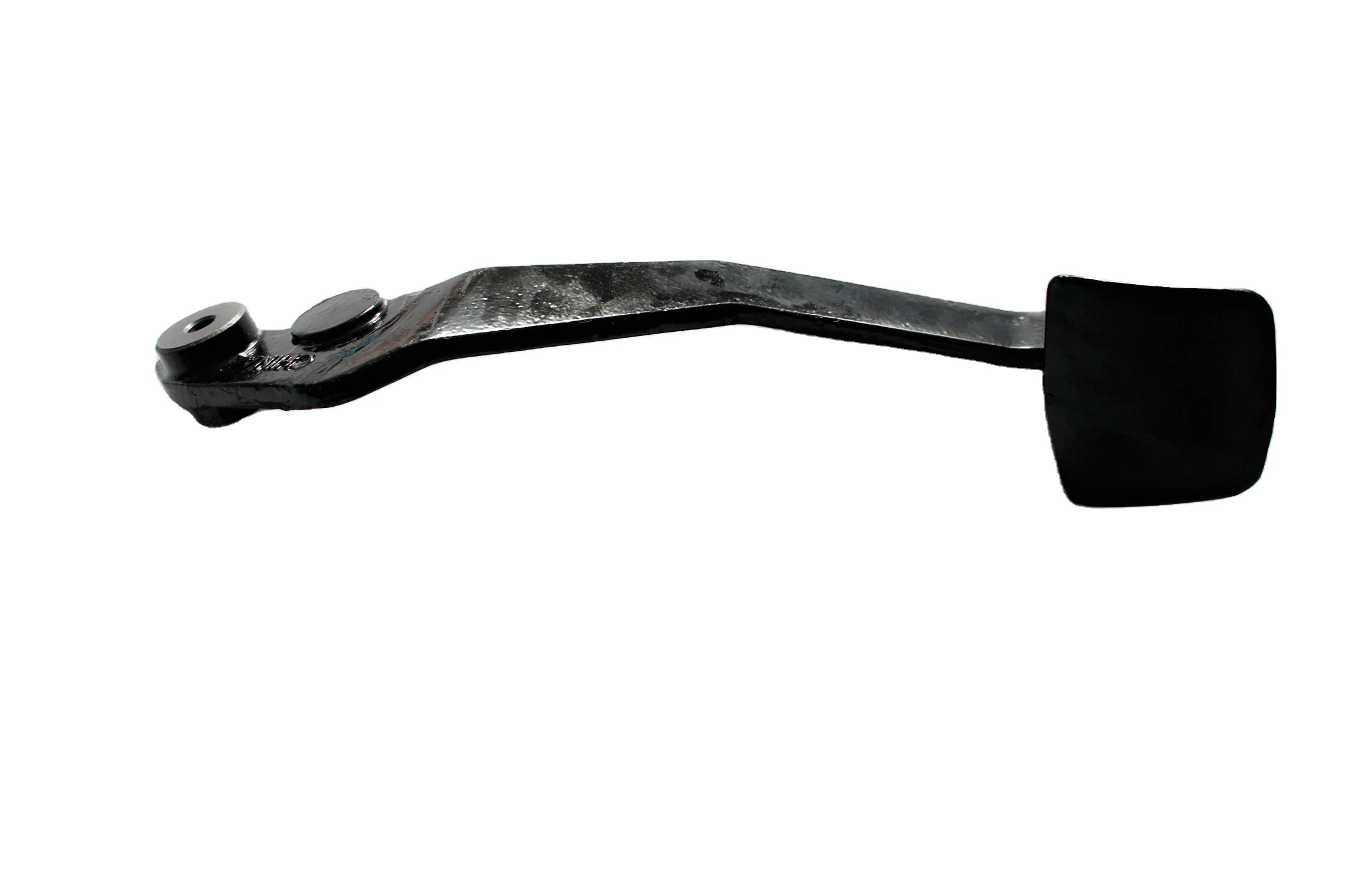
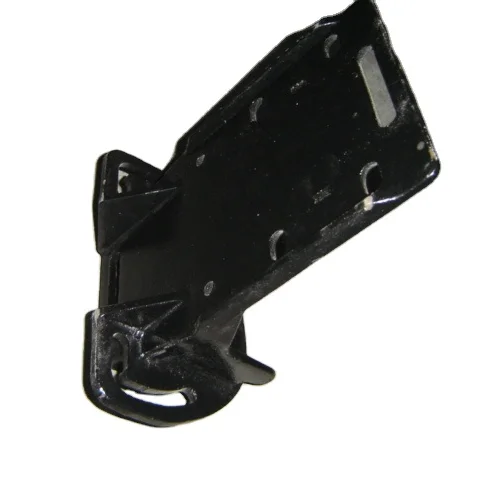
Custom Gray Ductile Iron Sand Casting with OEM ODM Machining Surface Treatment and GB ASTM AISI DIN BS Enquiries
Direct factory support
Get a quote that fits your project
Send your drawing or product reference, material grade and required quantity. Relia will review the requirements with you.
- Drawing & specification review
Confirm the supply scope and critical requirements.
- Samples before custom production
Review inspected samples before approving a batch.
- Inspection documents
Agree material and dimensional records for your part.
-
Product nameCustom Casting Parts
-
StandardGB ASTM AISI DIN BSMaterialMetal
-
CertificationISO9001:2008/TS 16949ToleranceCustomer's Drawing Request
-
ProcessCasting +Machining(if Need)+surface TreatmentSurface treatmentBlasting, Polishing, Powder Coating, Zinc Plating, Chrome plating
-
ServiceOEM ODM
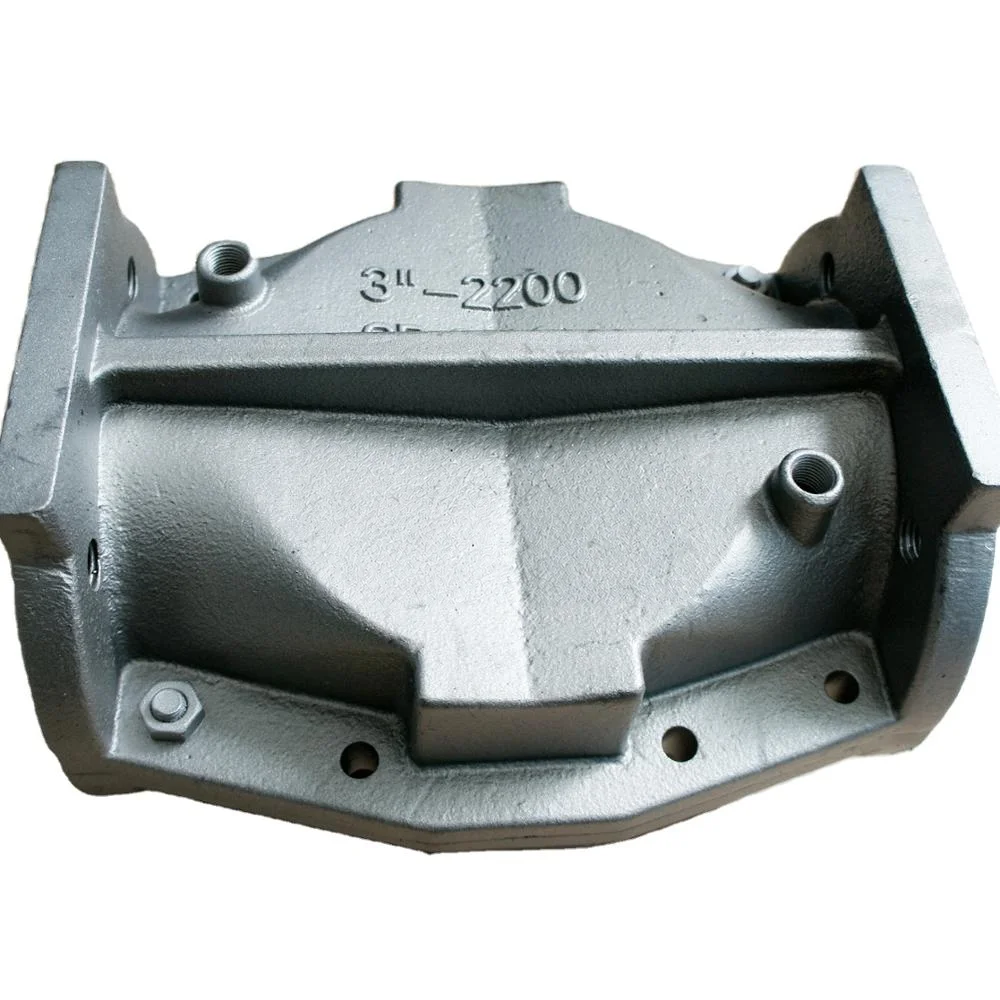
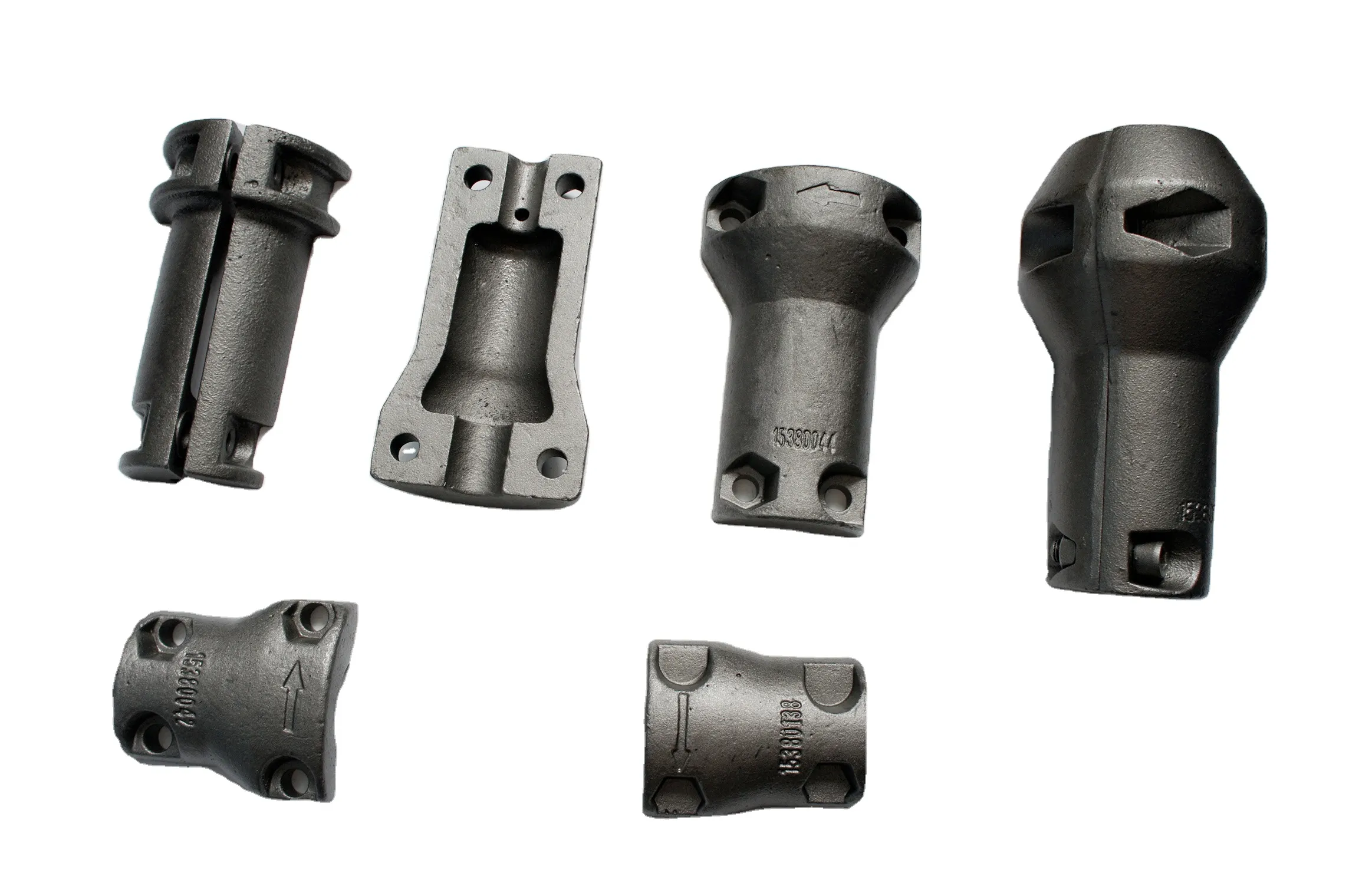
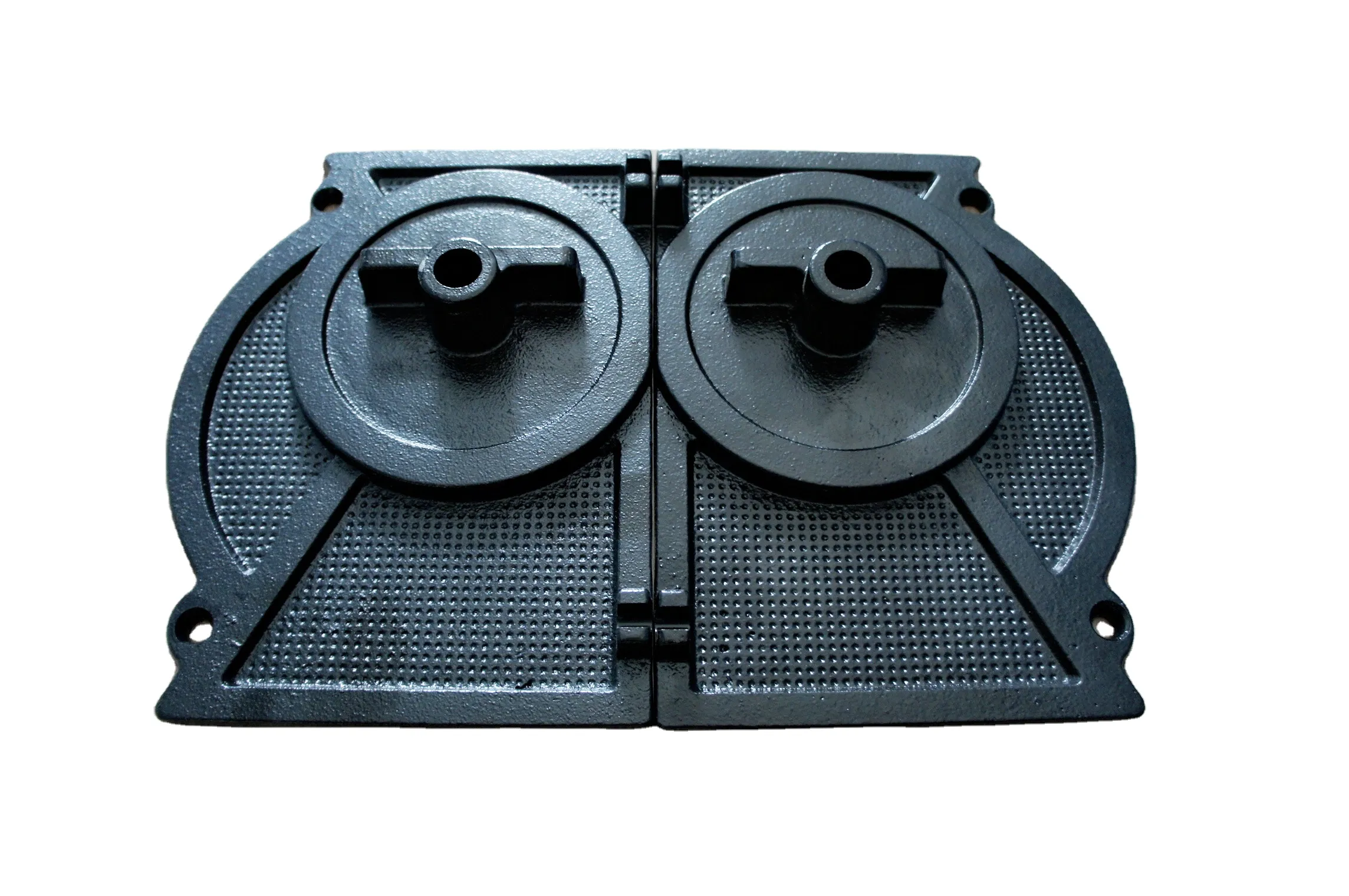
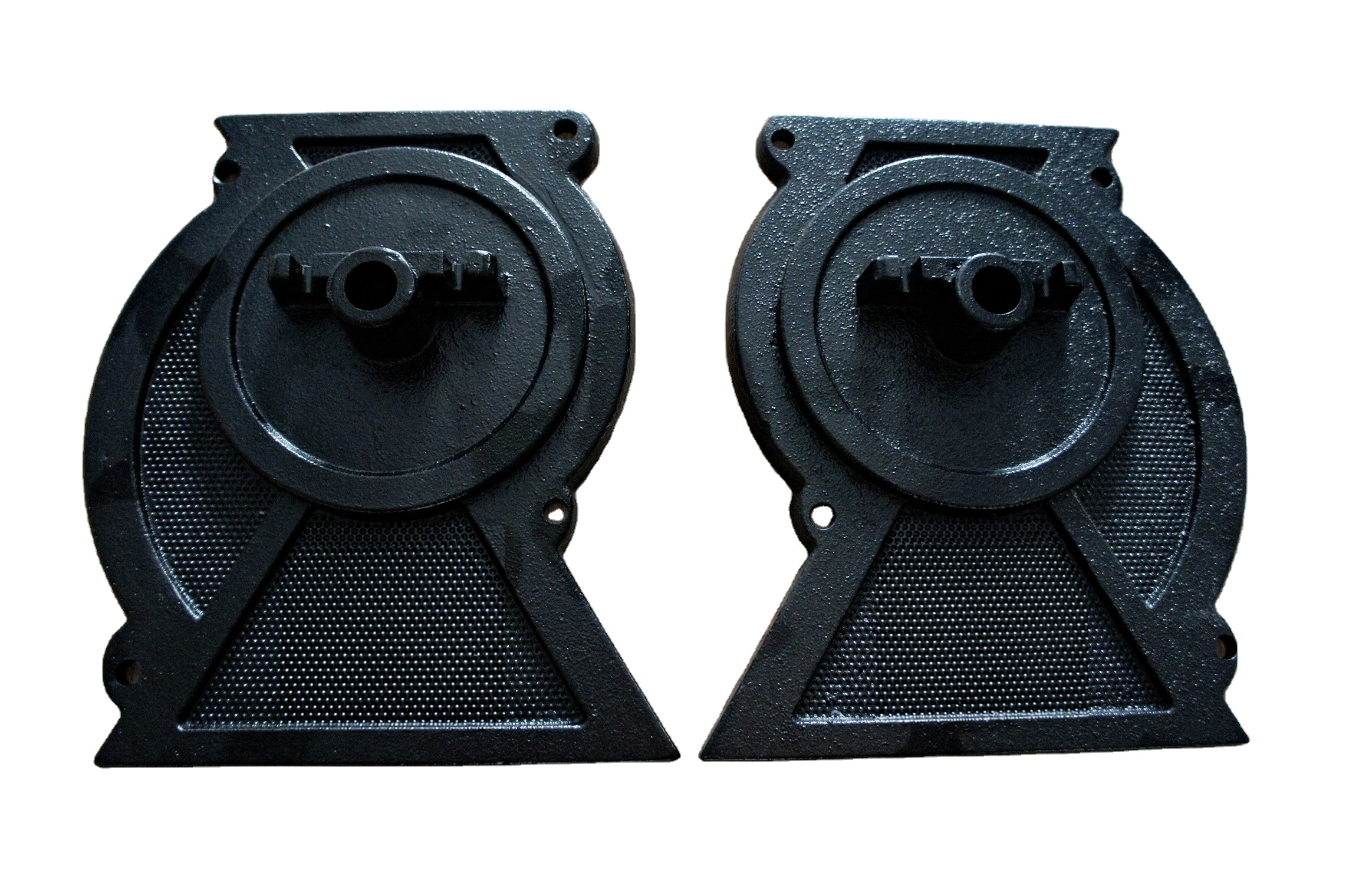
Custom gray- and ductile-iron sand castings can include machining where needed and a selected surface treatment. OEM/ODM work follows the component drawing. Specify the complete grade and required supplied condition so the foundry request concerns the iron and geometry required by the application.
Choose the governing material requirement
GB, ASTM, AISI, DIN and BS are the listed standard families. Identify the actual document, edition and grade needed for the order. Connect its material condition and approval records with the component’s working requirements rather than treating different document families as equivalent specifications.
Mark the geometry requiring final work
Tolerances follow the customer drawing. Show mounting faces, locating details and dimensions that determine the part’s fit. Distinguish cast-state requirements from interfaces needing subsequent machining, with the datum system and acceptance stage clear for each controlled dimension.
Select treatment by surface function
Choose from blasting, polishing, powder coating, zinc plating or chrome plating for the selected application. Define coverage, masking and appearance at the relevant faces. State any particular contact condition where treatment interacts with fit or installation.
Complete the qualification and approval request
Identify relevant ISO9001:2008 and TS16949 documents and confirm current certificate scope. Include quantity and the controlled revision alongside material, dimensional and surface acceptance requirements. Where a sample establishes the intended result, identify its role against the drawing. Carry that definition into production approval so the casting order retains one agreed material and delivered-state basis.