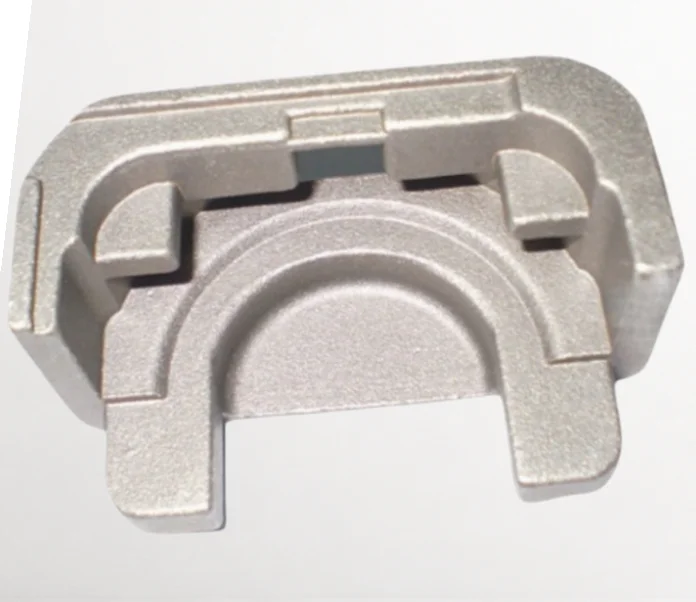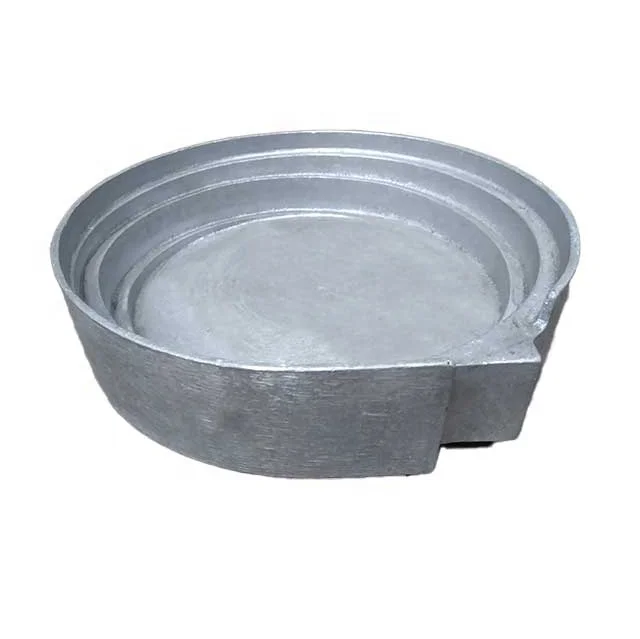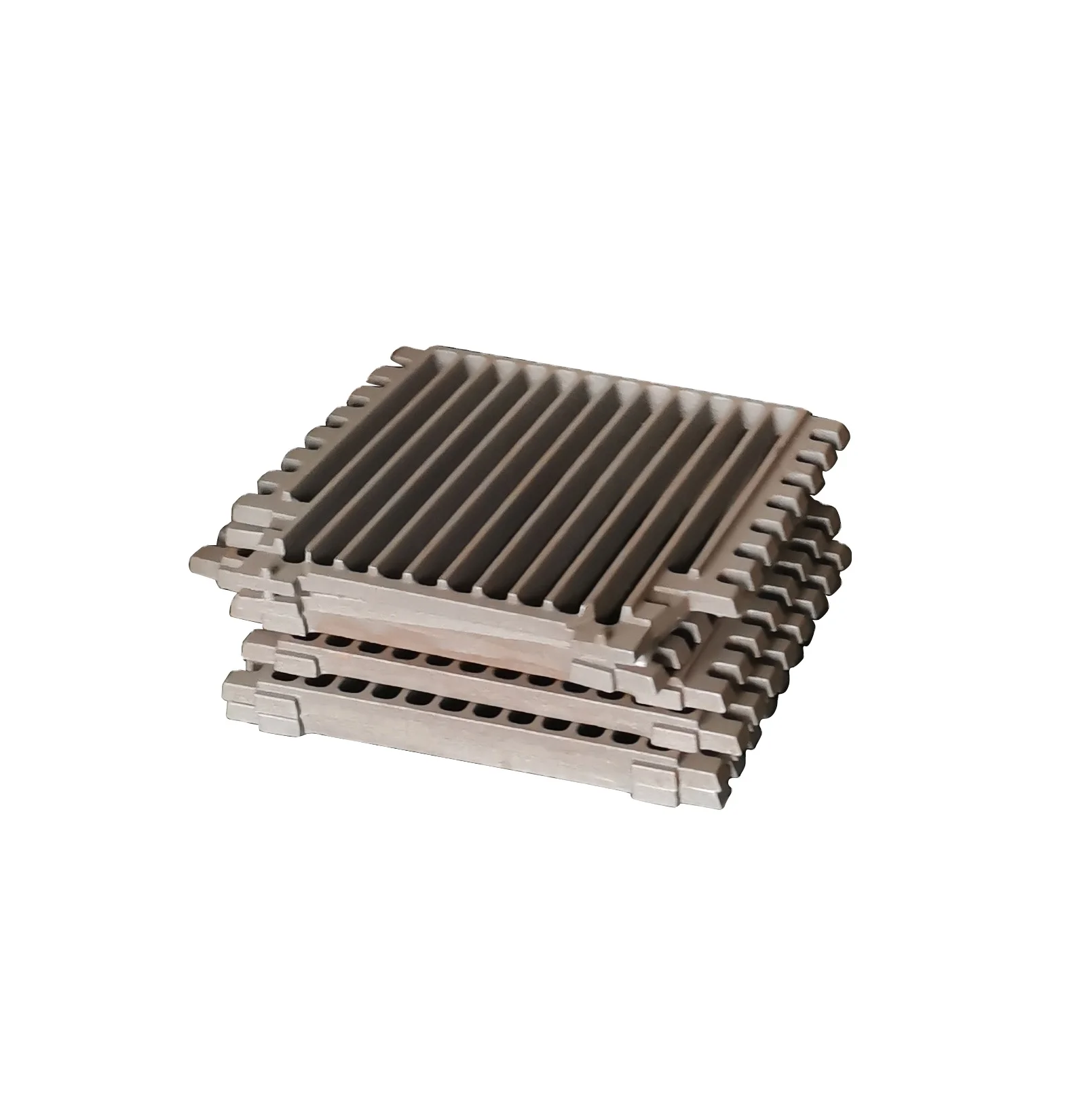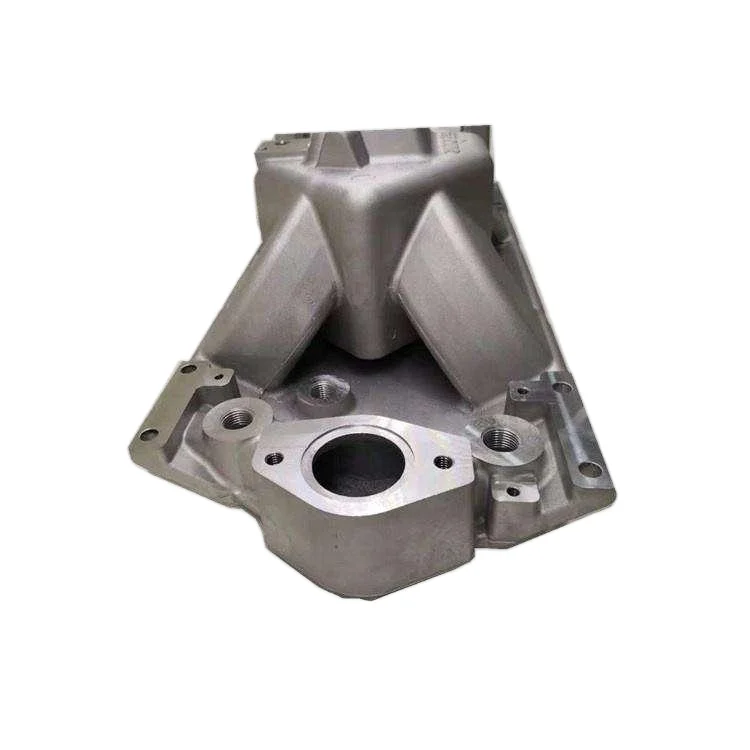
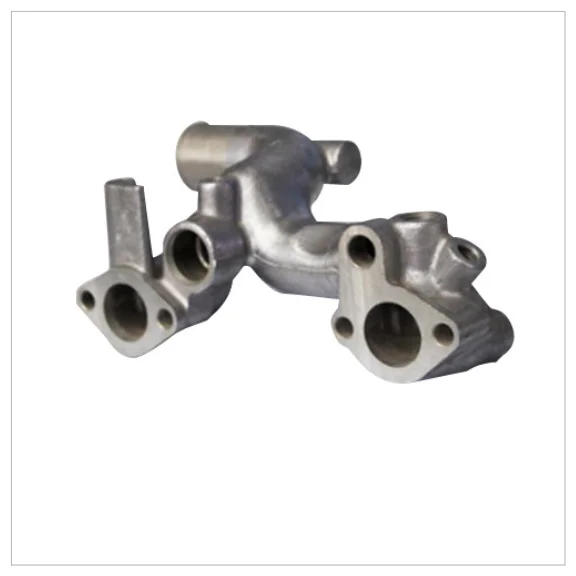
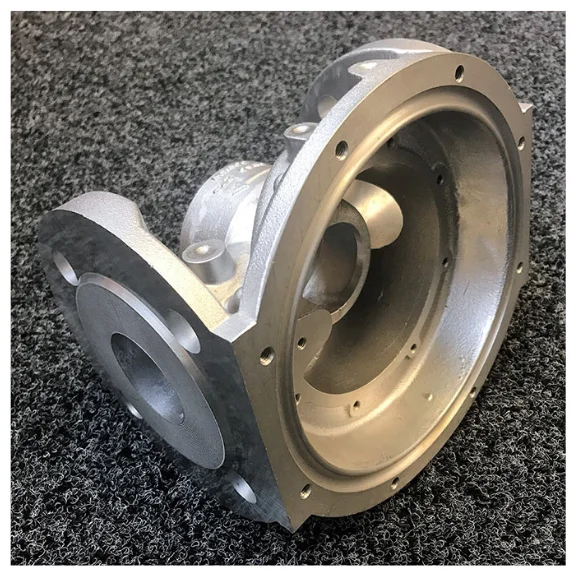
Custom Industrial Gravity Sand Casting Components and Separate Carbon Steel Aluminum Alloy Forging Enquiries
Direct factory support
Get a quote that fits your project
Send your drawing or product reference, material grade and required quantity. Relia will review the requirements with you.
- Drawing & specification review
Confirm the supply scope and critical requirements.
- Samples before custom production
Review inspected samples before approving a batch.
- Inspection documents
Agree material and dimensional records for your part.
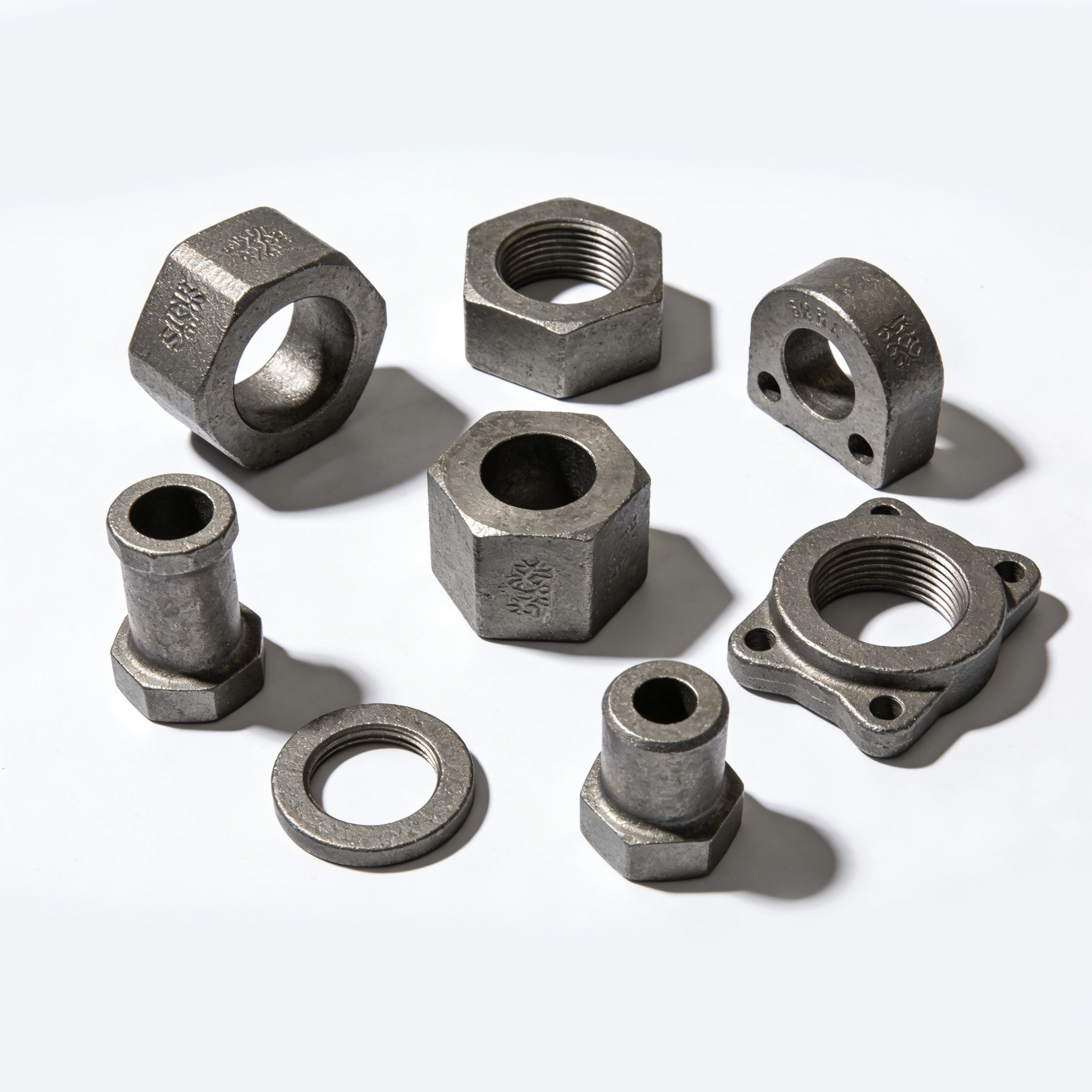
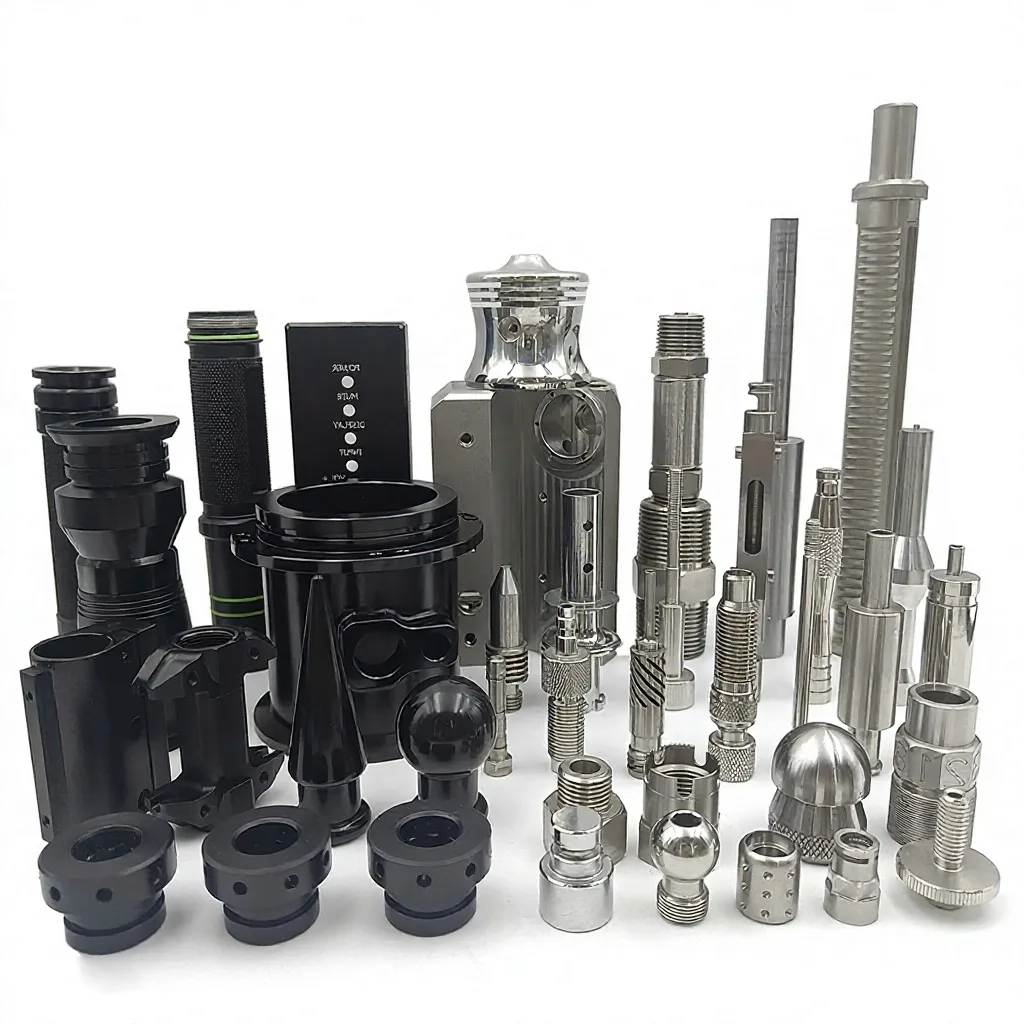
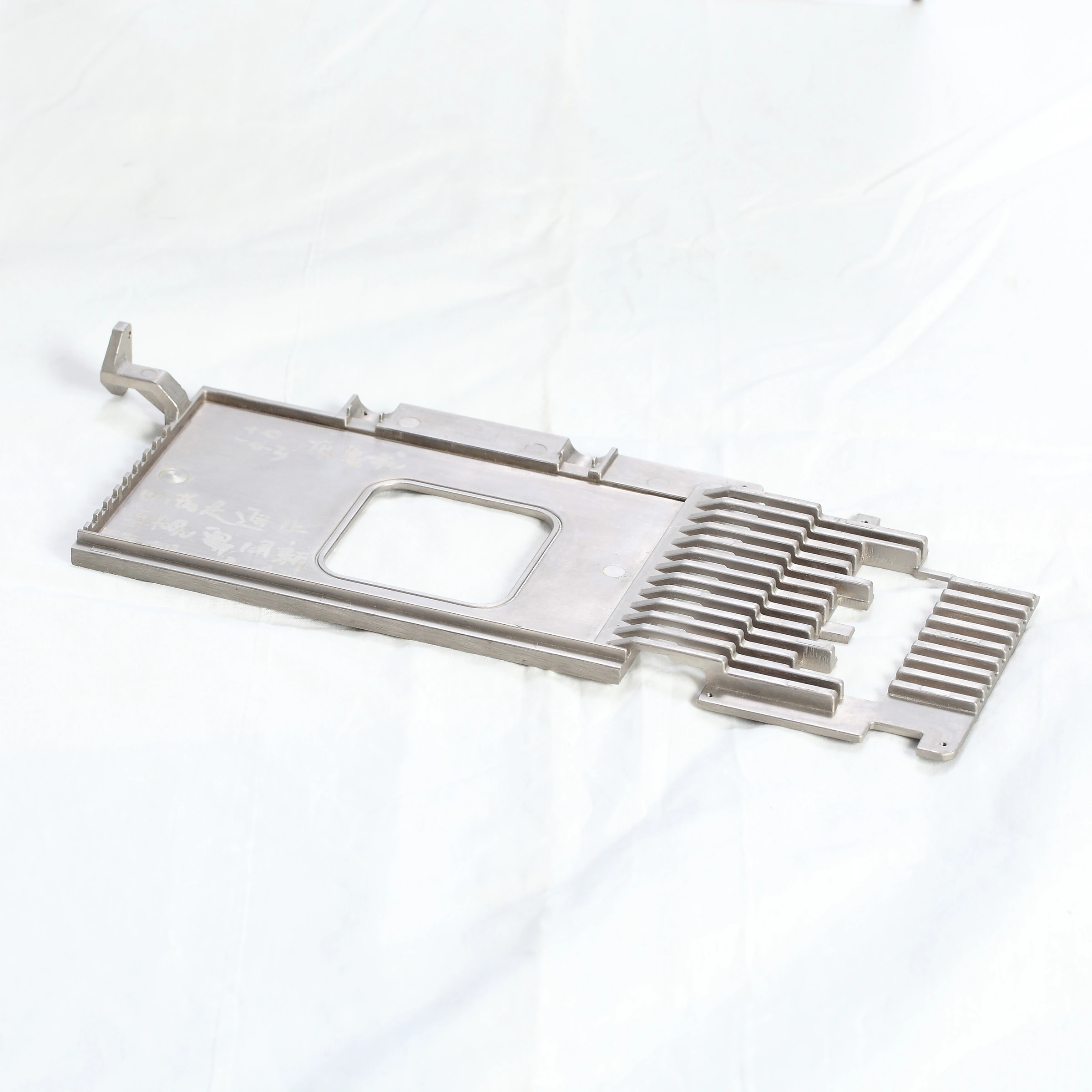
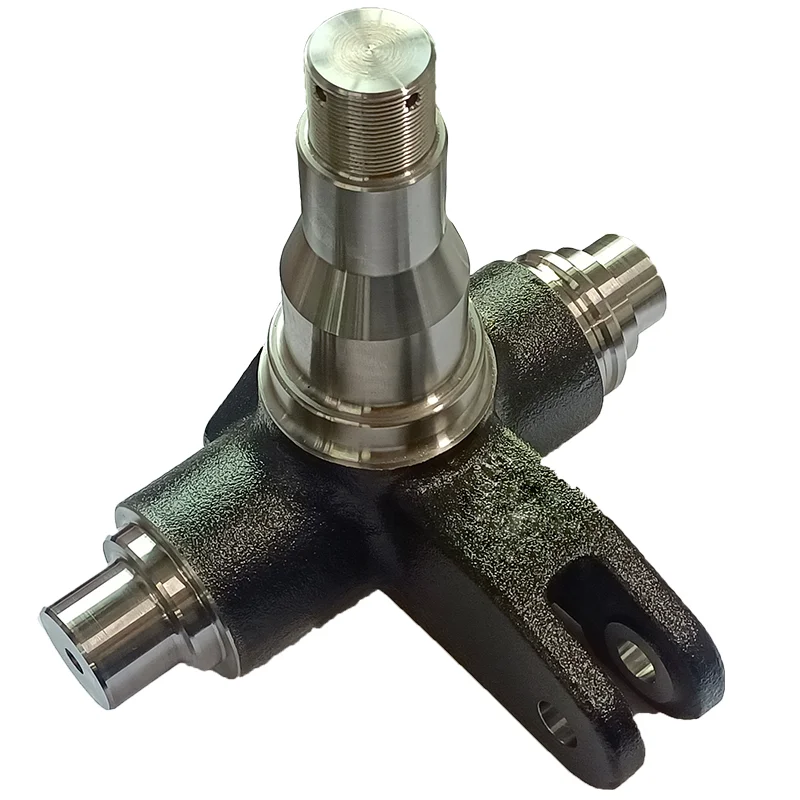
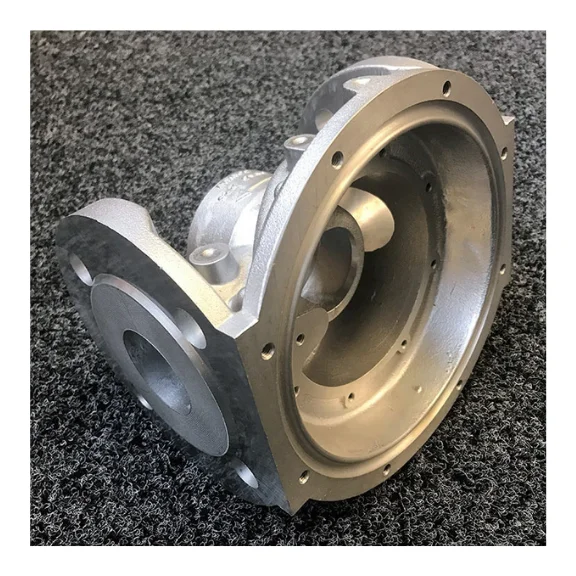
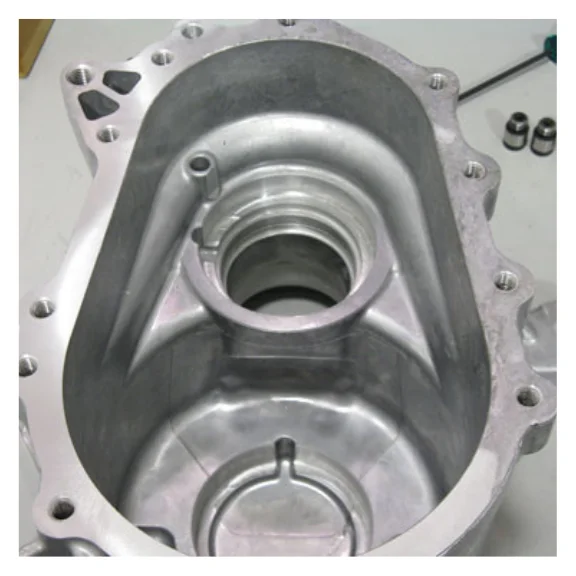
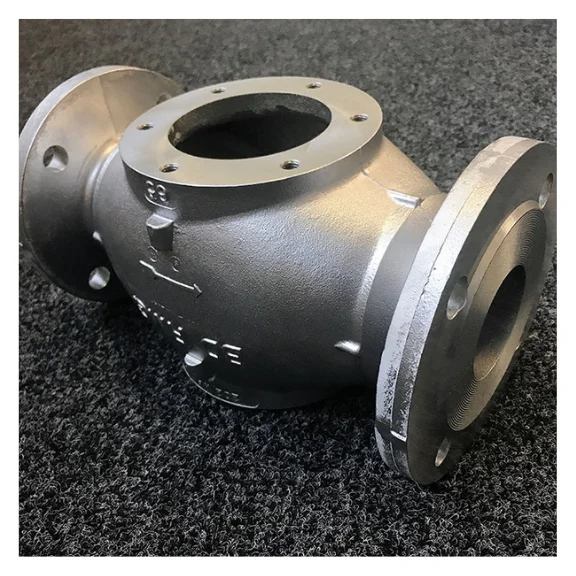
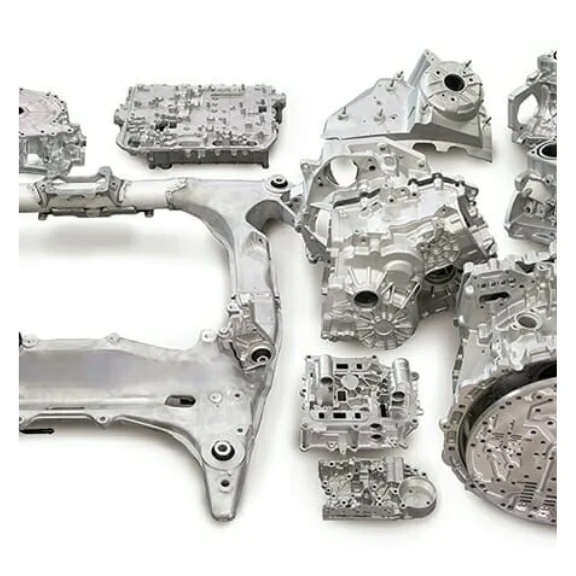
Custom industrial component enquiries cover gravity casting, sand casting and separately specified carbon-steel or aluminum-alloy forgings. Start with the component drawing and its working role. Select the material family and manufacturing route for each item rather than treating these requests as one interchangeable configuration.
Describe the industrial duty
Explain how the component locates, supports or connects to the surrounding equipment. Show the loading direction, working environment and assembly relationships relevant to its design. These requirements help establish what the selected material and supplied condition must achieve.
Choose the incoming form and final state
Identify whether the request concerns a casting or a separate forging, with the complete alloy grade and condition. Distinguish the required shape from any interfaces needing further work. Define the state in which the part will be accepted so the requested route can be assessed against the actual geometry.
Put fit requirements on the drawing
Mark locating datums, mating dimensions and limits for the surfaces that govern installation. Include measurement conditions for relationships assessed together. Where appearance matters, identify visible areas and the required surface result without assigning an unconfirmed treatment.
Build a component-specific quotation brief
Define how the chosen industrial part will be approved. Keep its acceptance brief tied to the supplied condition needed for its working role.
- Provide the controlling revision, quantity and any initial-approval requirements.
- Specify the material and dimensional records needed for acceptance of that component.
- Keep approved design changes connected to the selected grade and route so a later order remains tied to the same industrial function and supplied condition.