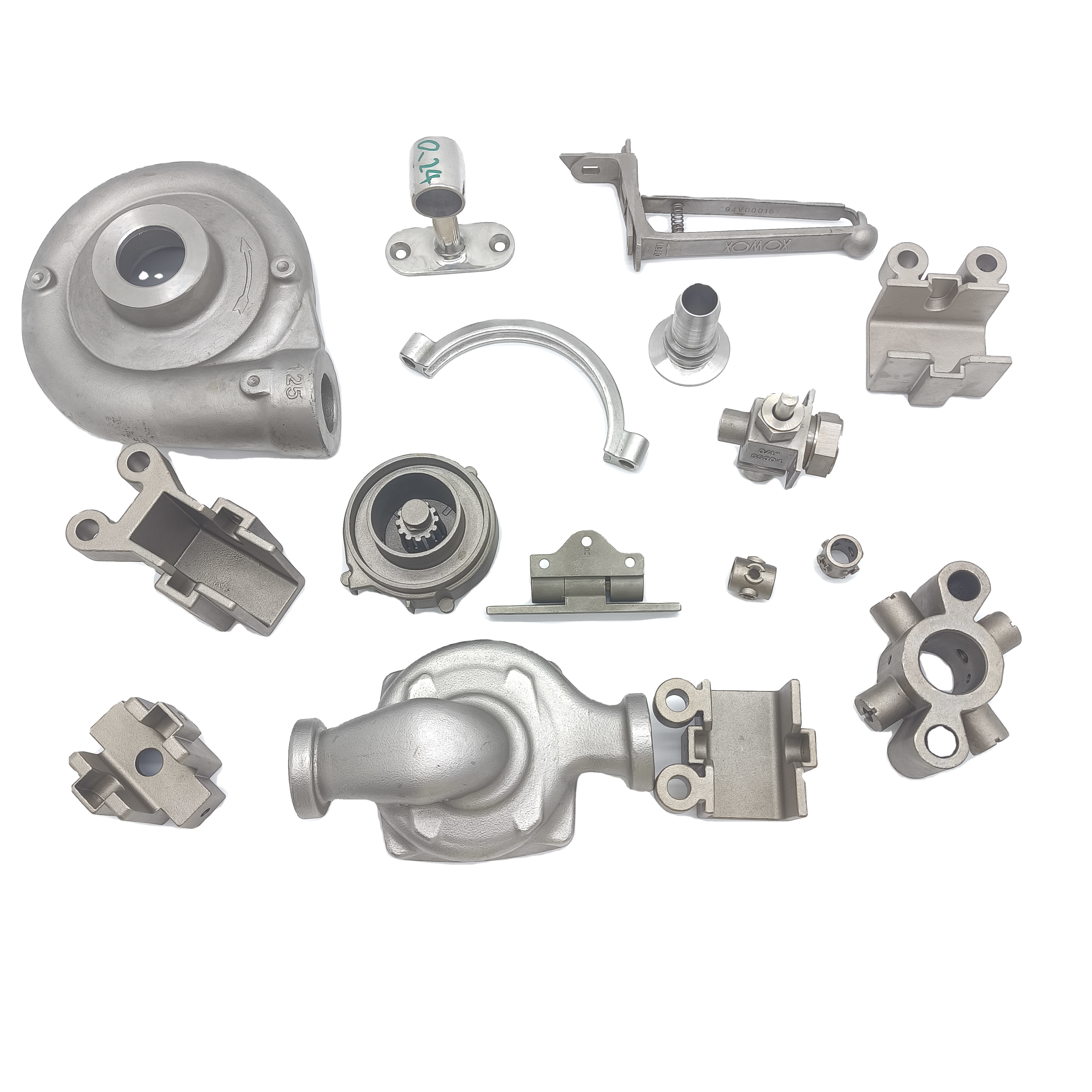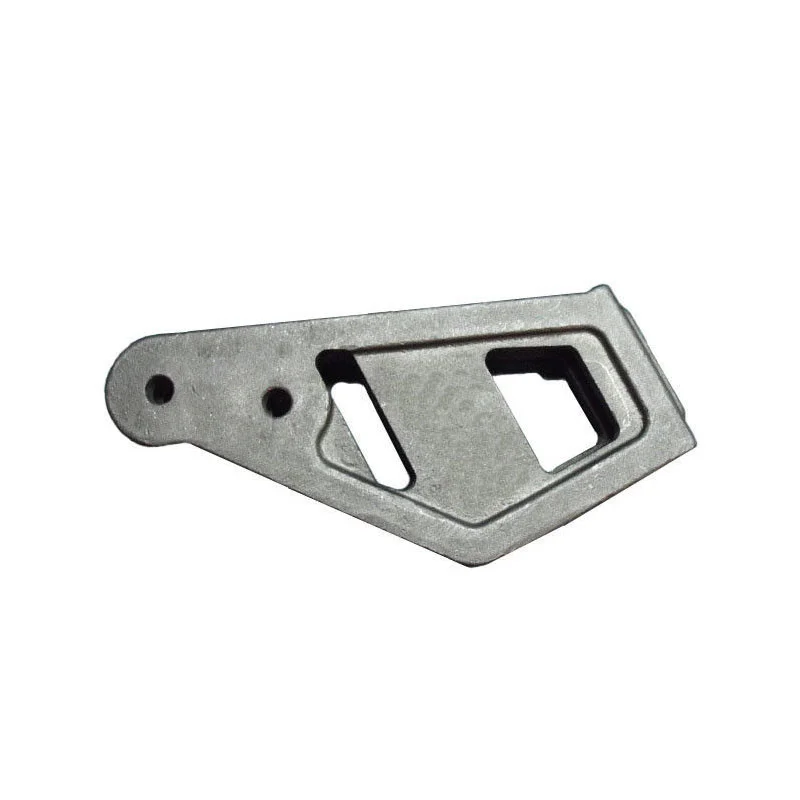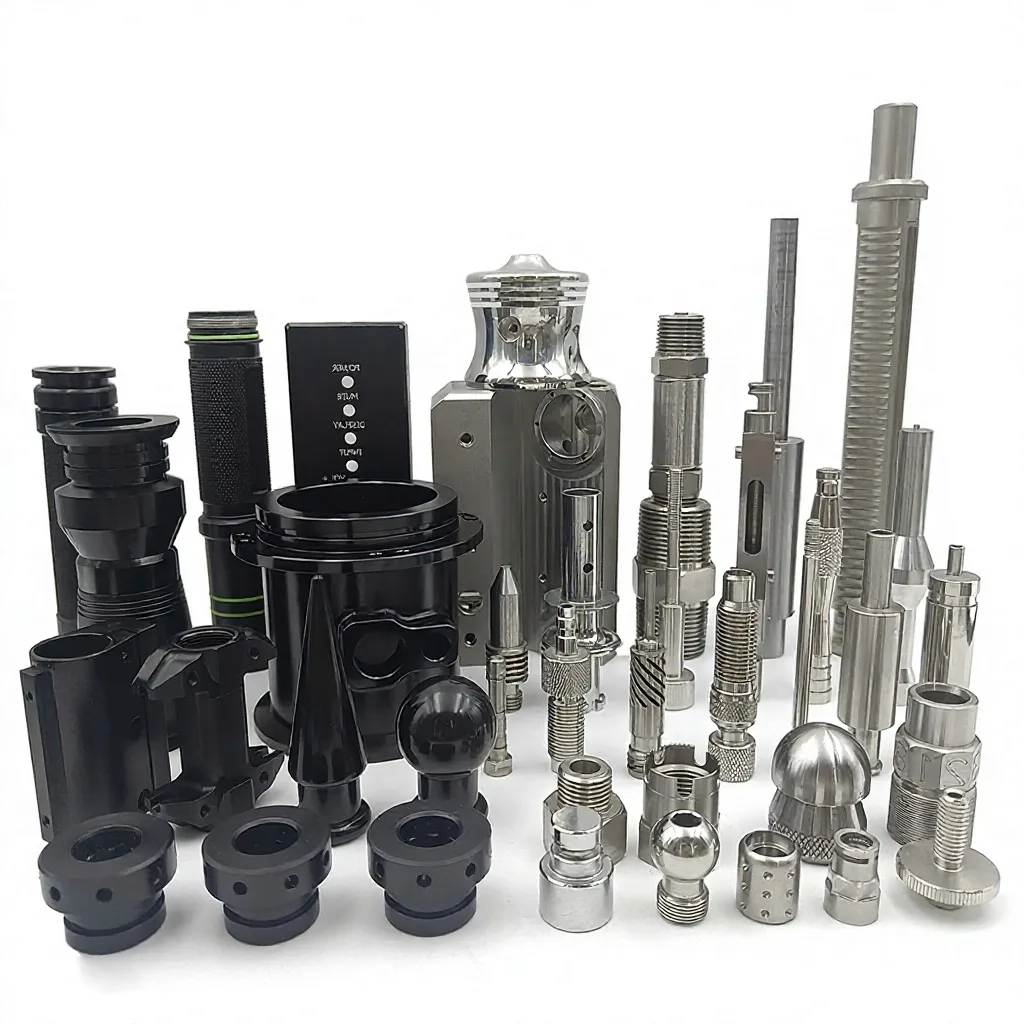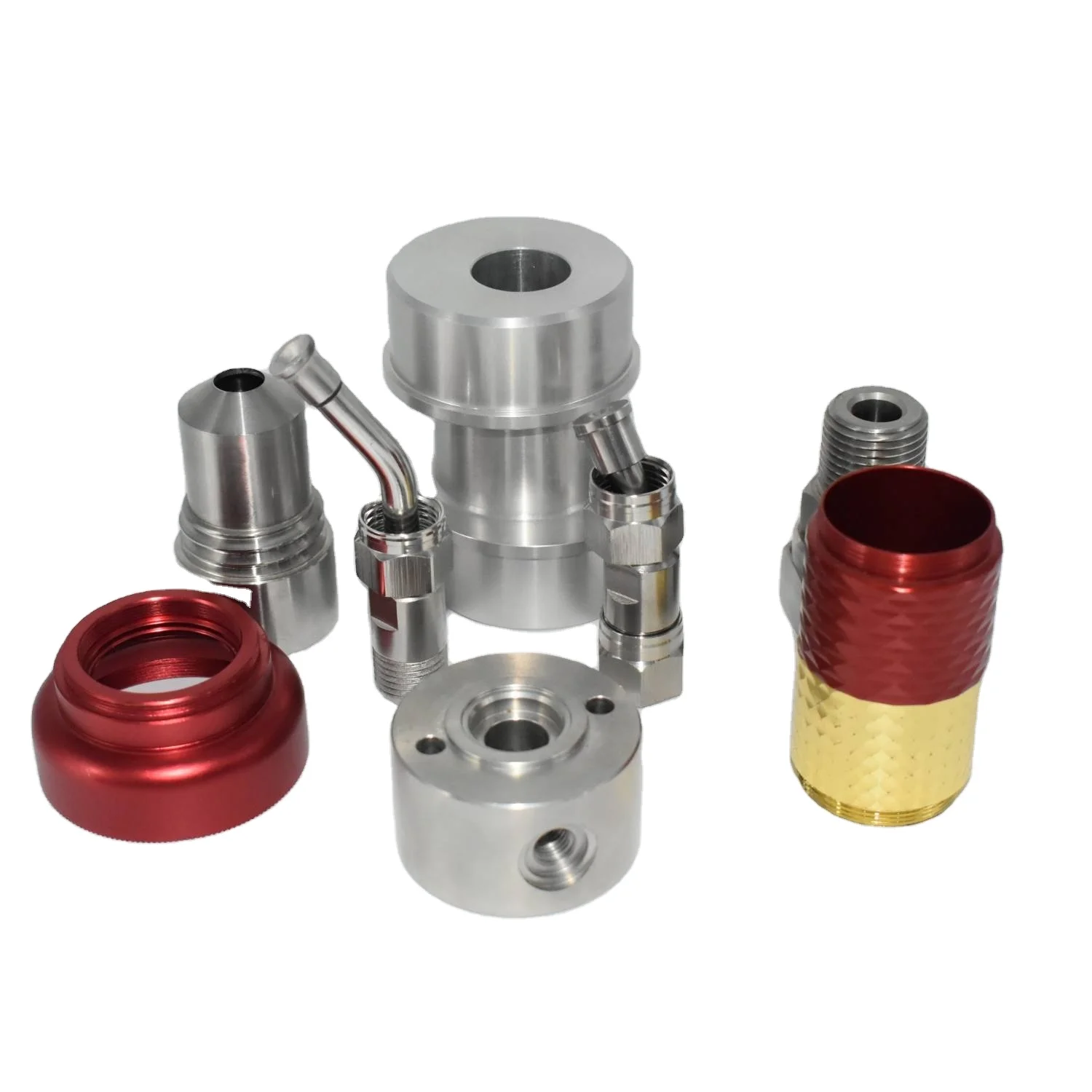
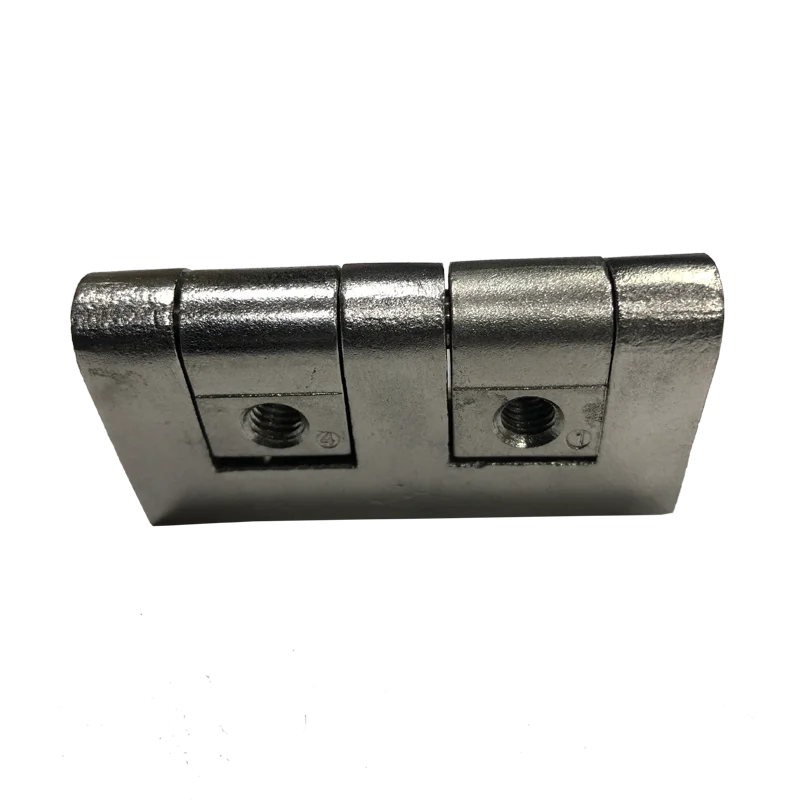
Custom Manufactured A356 Aluminum Investment Die Sand and Gravity Cast Parts with CNC and Separate Iron Enquiries
Direct factory support
Get a quote that fits your project
Send your drawing or product reference, material grade and required quantity. Relia will review the requirements with you.
- Drawing & specification review
Confirm the supply scope and critical requirements.
- Samples before custom production
Review inspected samples before approving a batch.
- Inspection documents
Agree material and dimensional records for your part.
-
Product nameCast Aluminum
-
MaterialIron, AluminumFinishPlating, Paint, Powder Coating
-
MachiningCNCTechnologySand Casting, Die Casting, Gravity Casting
-
StandardASTM & AISI & DINOEMAvailable
-
KeywordAnodized Powder Coating A356 Cast AluminumDimensionsCustomized
-
ApplicationIndustrial
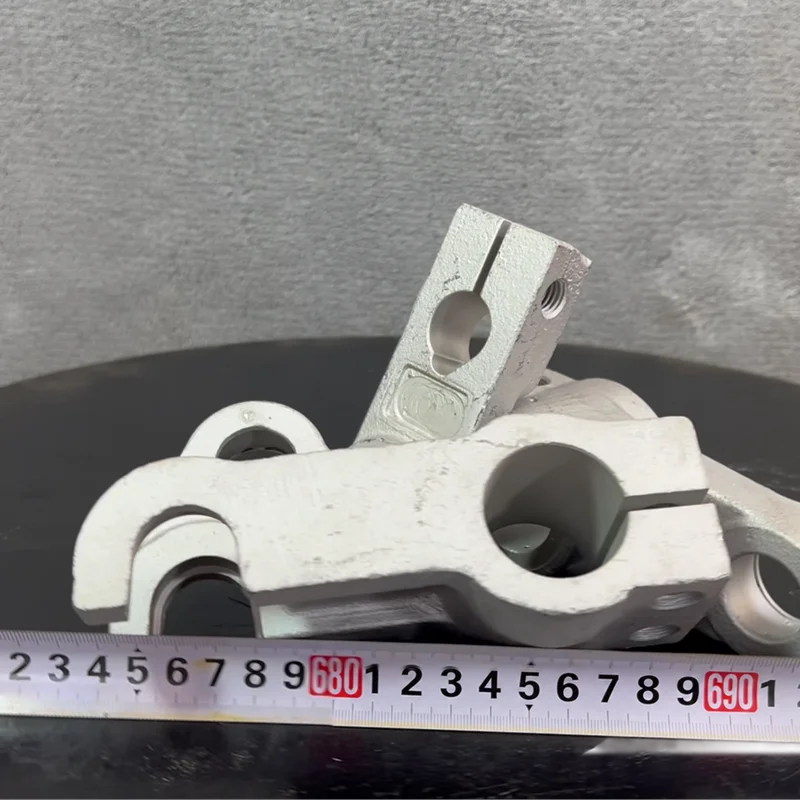
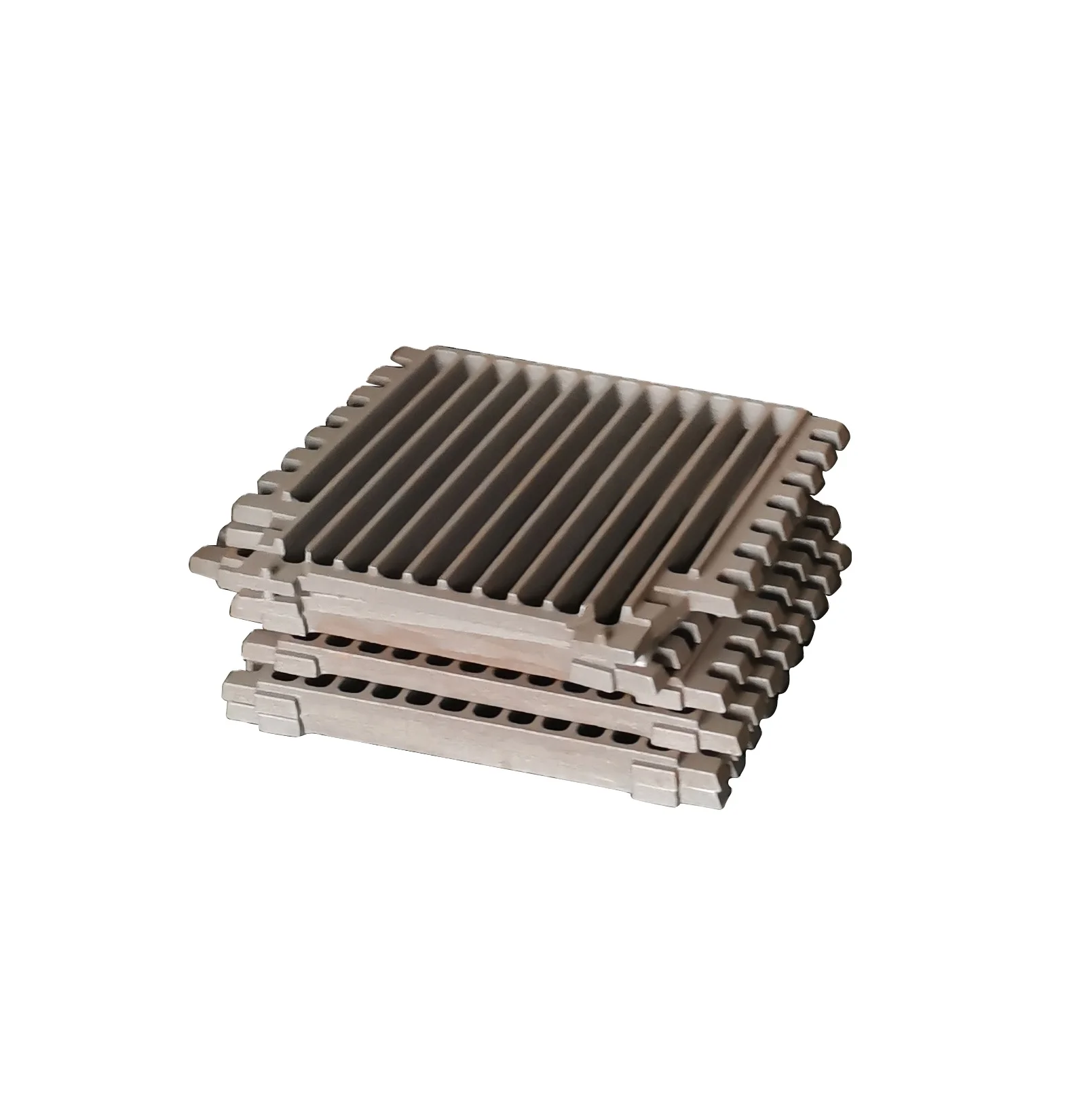
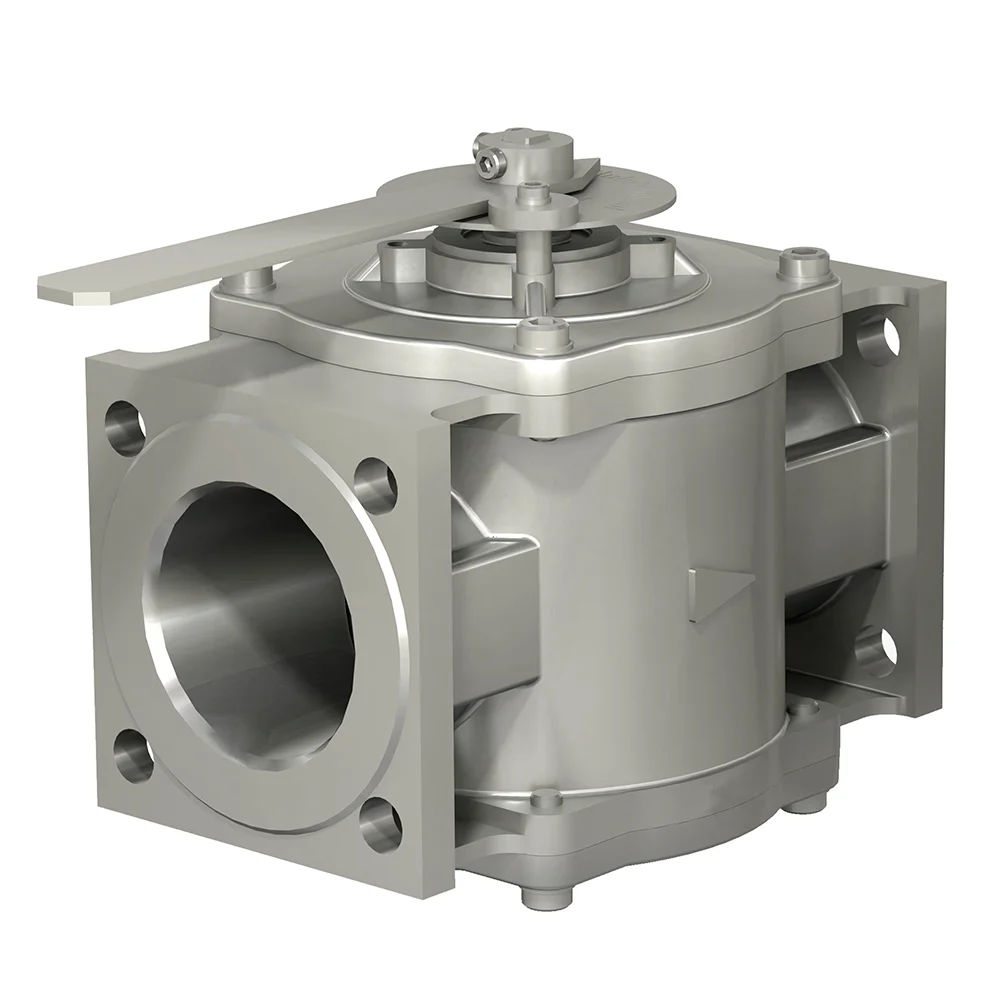
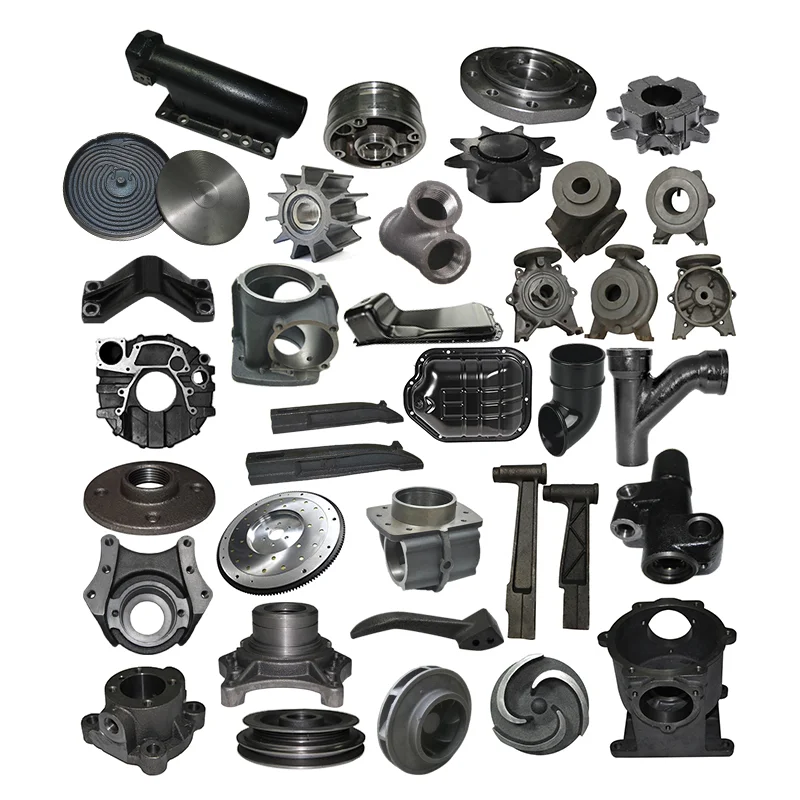
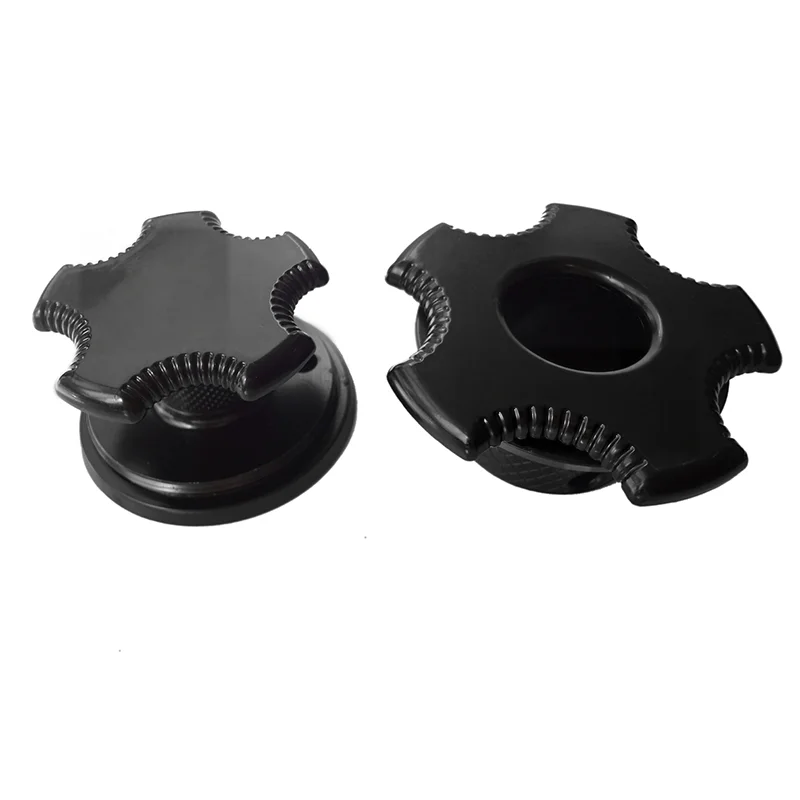
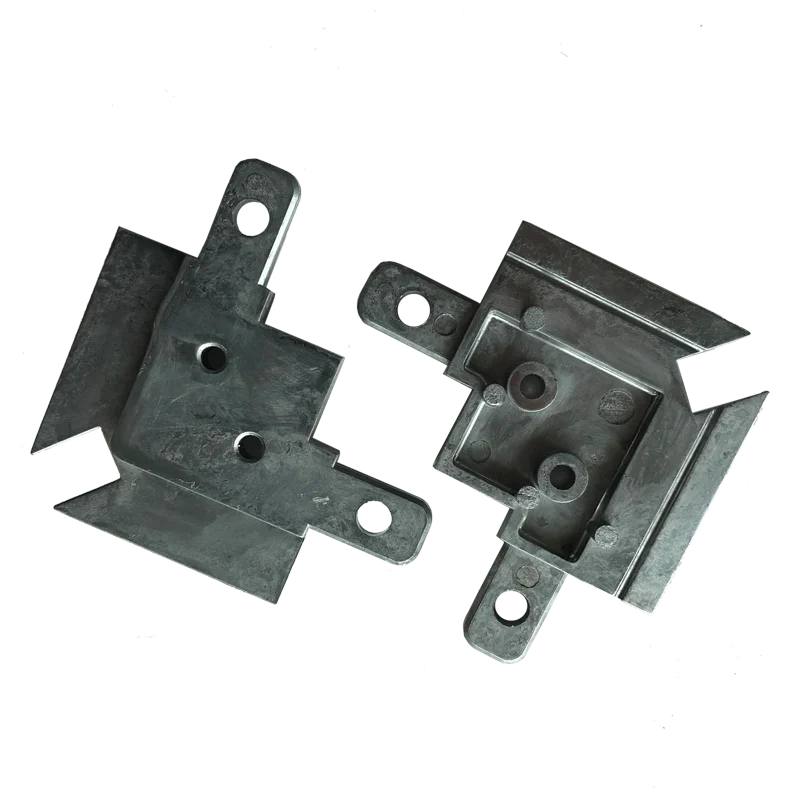
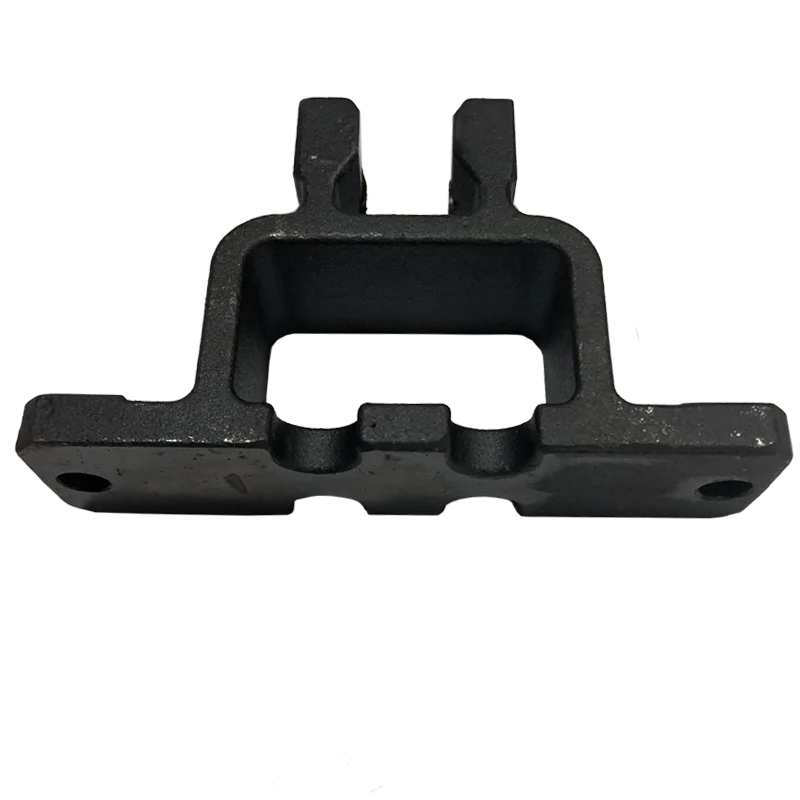
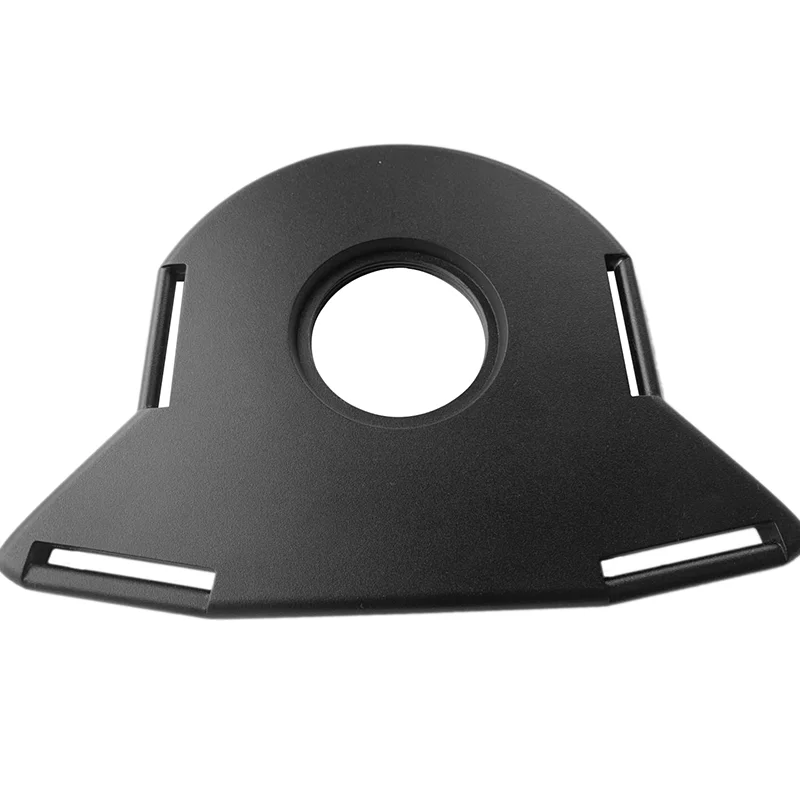
Custom industrial aluminum cast parts, including A356 enquiries, are offered with CNC machining and customer-defined dimensions. Sand casting, die casting, gravity casting and investment casting are route enquiries to be selected for the actual alloy and design. Iron components are a separate material option requiring their own specification.
Match the alloy and manufacturing scope
Choose the complete aluminum or iron grade for the component. Explain its working duty and show the interfaces that govern installation. Identify the selected casting route and the surfaces requiring CNC work. Keep each material request connected to its own compatible route and component drawing.
Define the finish and dimensional condition
Finish choices include plating, paint, powder coating and anodizing where suitable for the chosen material. Mark the relevant surfaces and describe the required result. State dimensional limits for functional interfaces and the condition in which they must be achieved. Separate cosmetic acceptance from the checks that establish assembly fit.
Build the OEM approval brief
OEM service is available, with ASTM, AISI and DIN as standard references. Identify the actual governing documents and grade requirements for the order. Provide the controlled drawing, quantity and any initial component-approval stages.
- Specify the selected alloy and casting route.
- Mark machined interfaces and surface requirements.
- Agree inspection coverage and application-specific qualification records.
Keep approved changes connected to the same component geometry, material and CNC scope. This gives repeat industrial enquiries a clear basis for assessing the cast part and its agreed supplied condition.