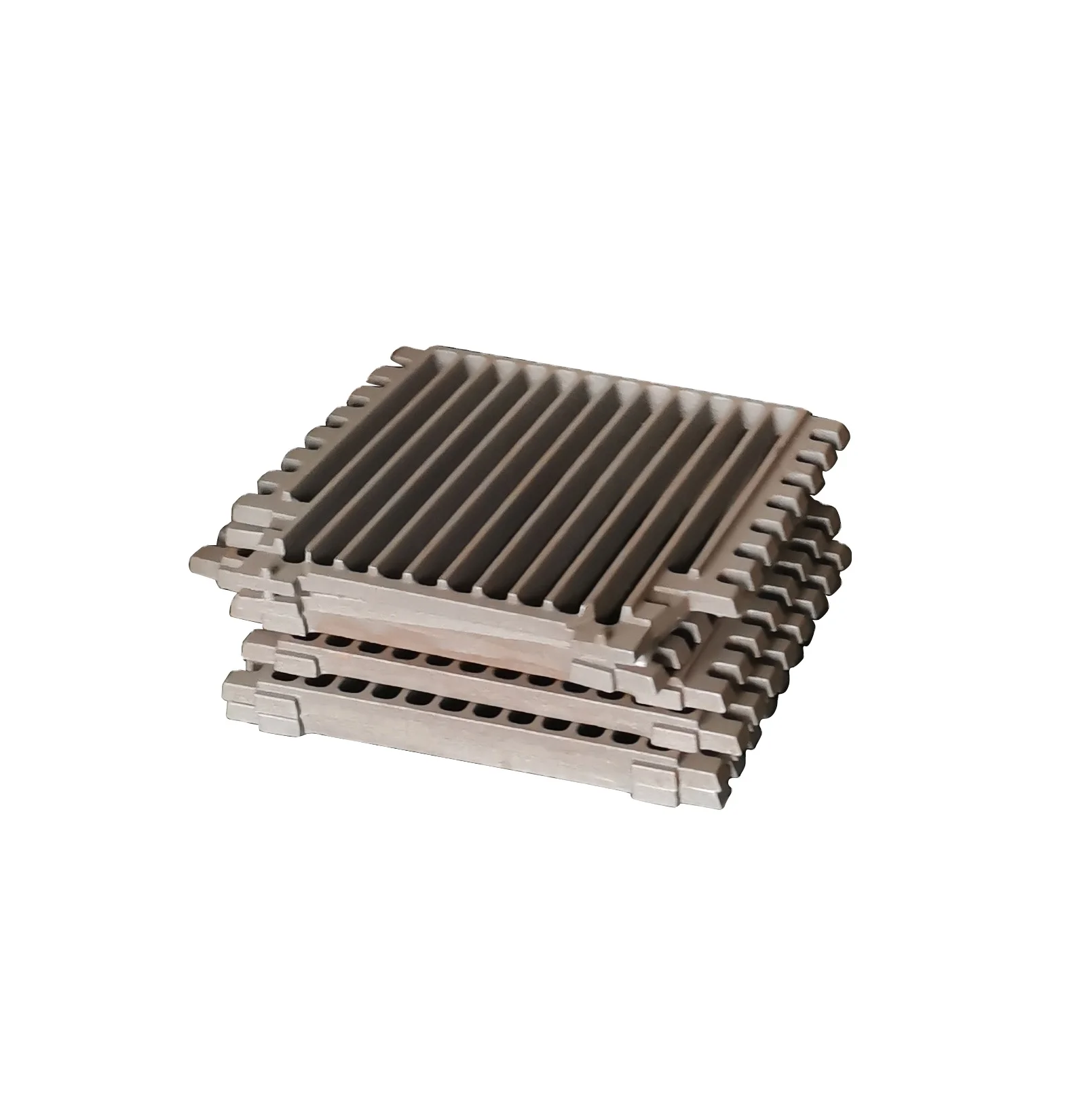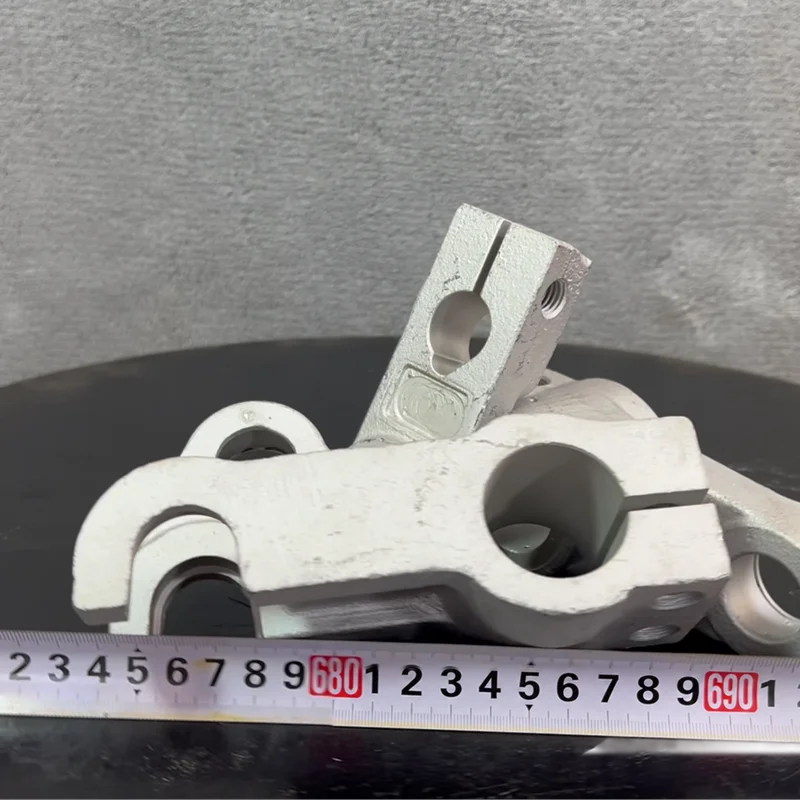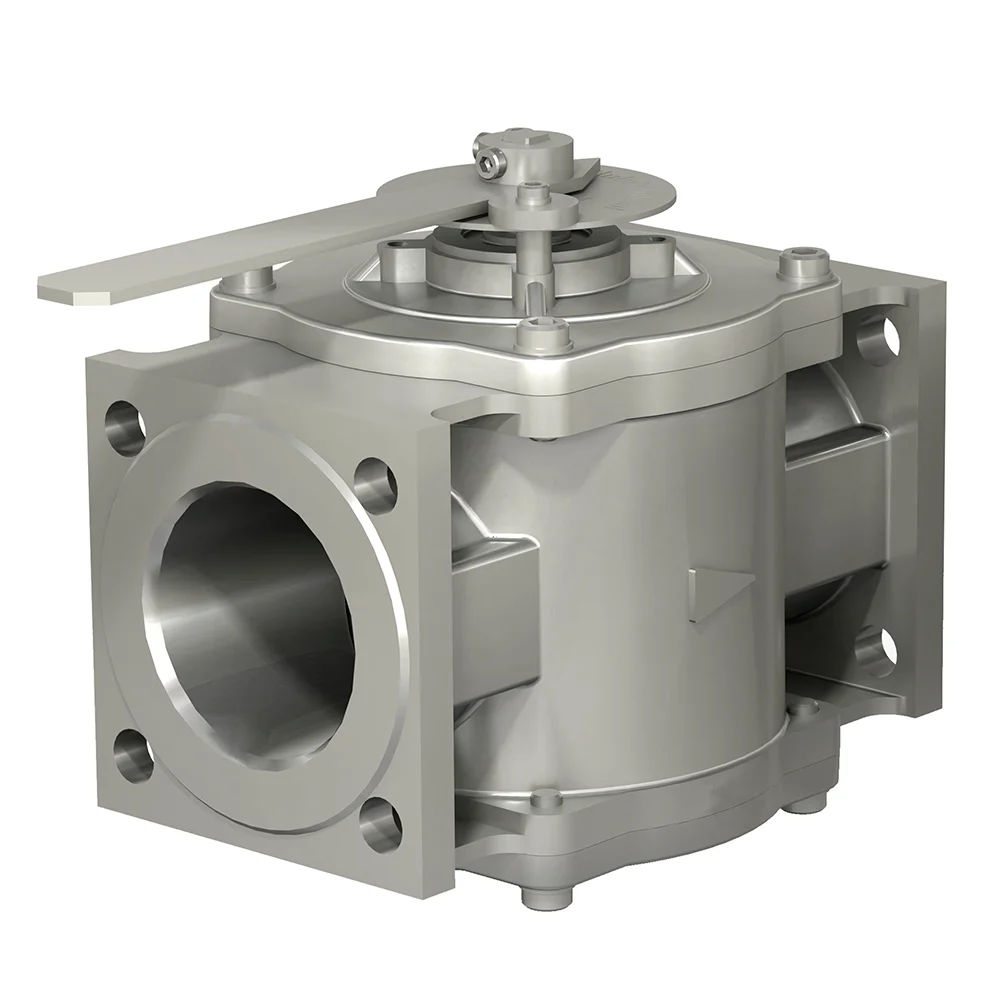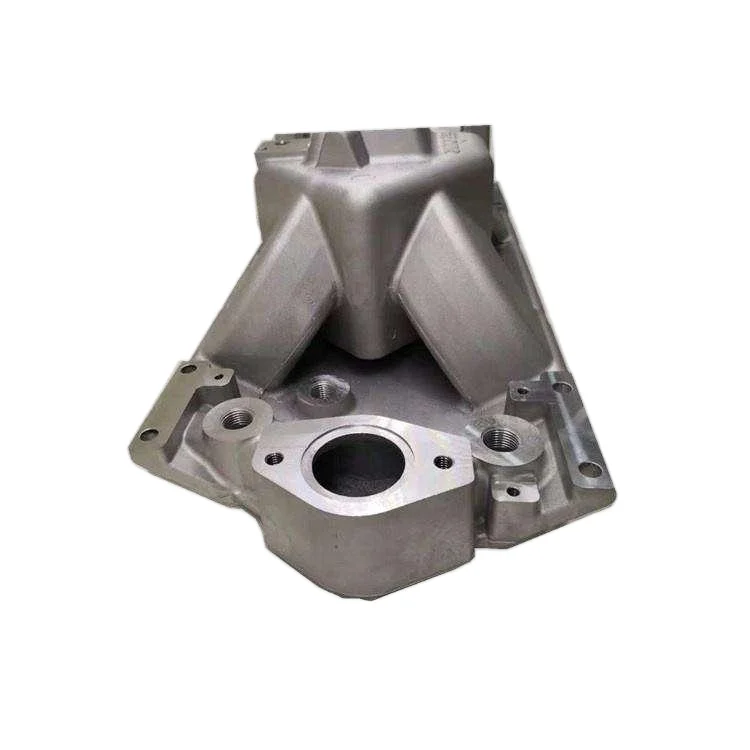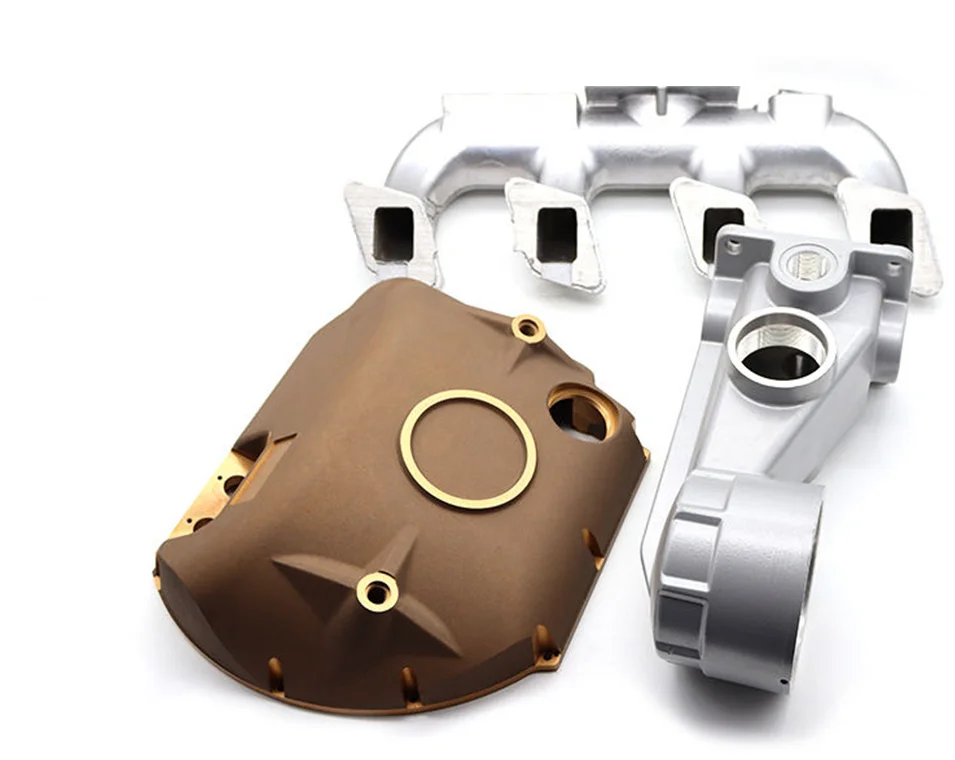
Custom Metal Sand Casting in Steel Grey Iron Stainless Steel and A356 Aluminum with Drilled Threaded Features
Direct factory support
Get a quote that fits your project
Send your drawing or product reference, material grade and required quantity. Relia will review the requirements with you.
- Drawing & specification review
Confirm the supply scope and critical requirements.
- Samples before custom production
Review inspected samples before approving a batch.
- Inspection documents
Agree material and dimensional records for your part.
-
Product nameSand Casting
-
ProcessCasting. Deburring .Drilling .threadingCertificationISO9001
-
ServiceCustomized OEMSizeCustomer's 3D Drawing
-
Surface treatmentCustomers' DemandToleranceCustomer's Drawing Request
-
StandardClient SpecificationColorCustomized Color
-
Quality ControlStrictly 100% Inspection
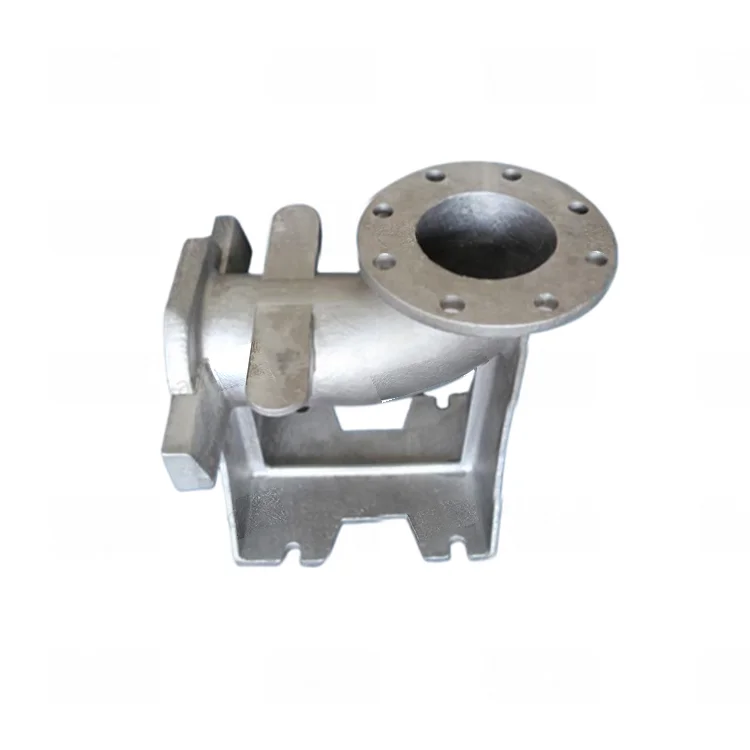
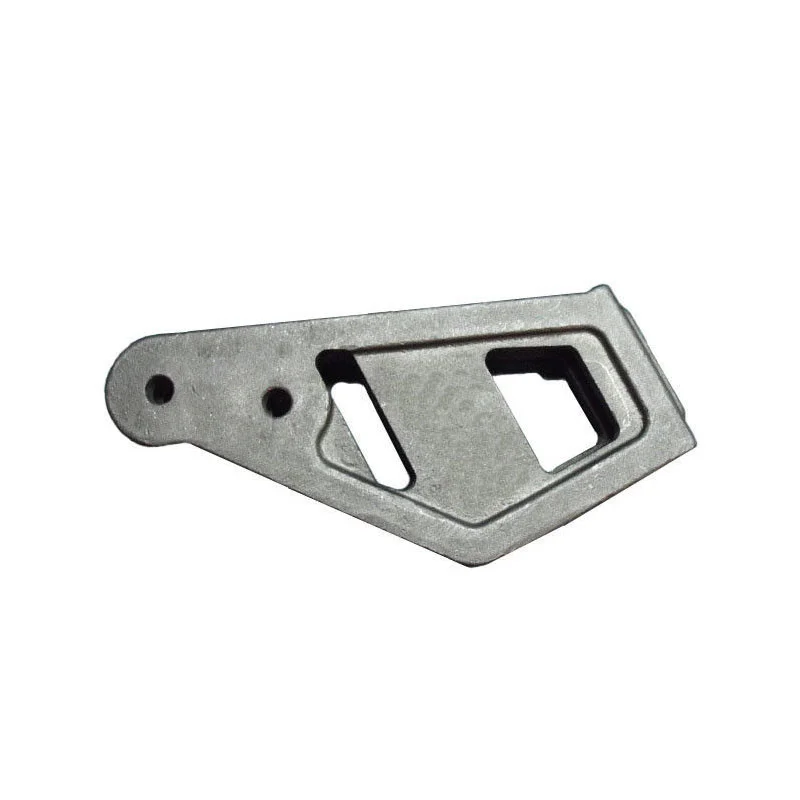
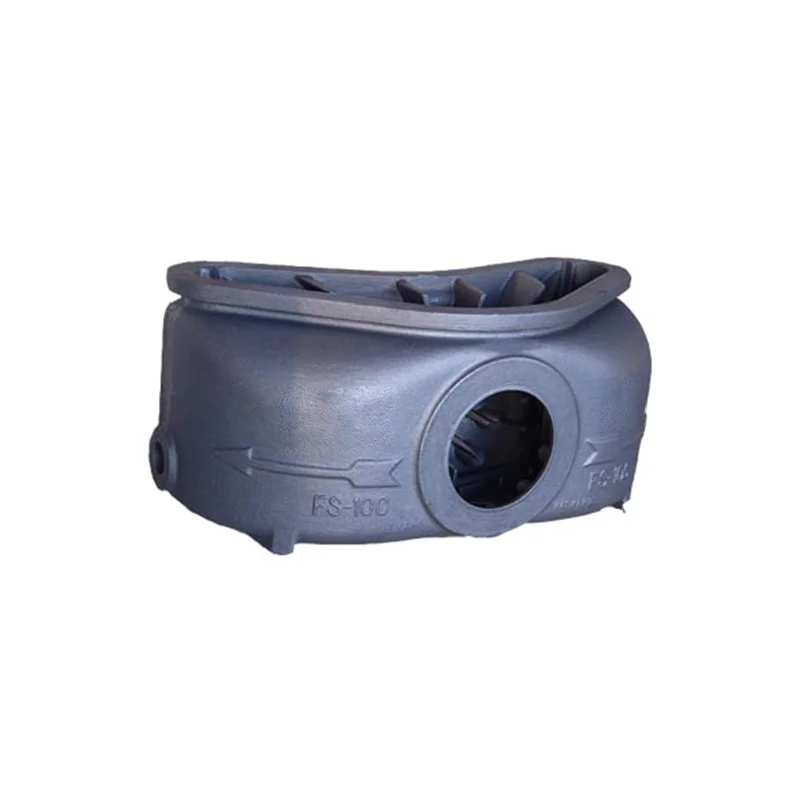
Custom metal sand casting enquiries cover steel, grey iron, stainless steel and aluminum parts, including A356 for the aluminum option. Customized OEM work follows customer 3D drawings. Select the actual metal grade for each component; A356 describes an aluminum choice rather than a steel or iron specification.
Define the geometry and feature requirements
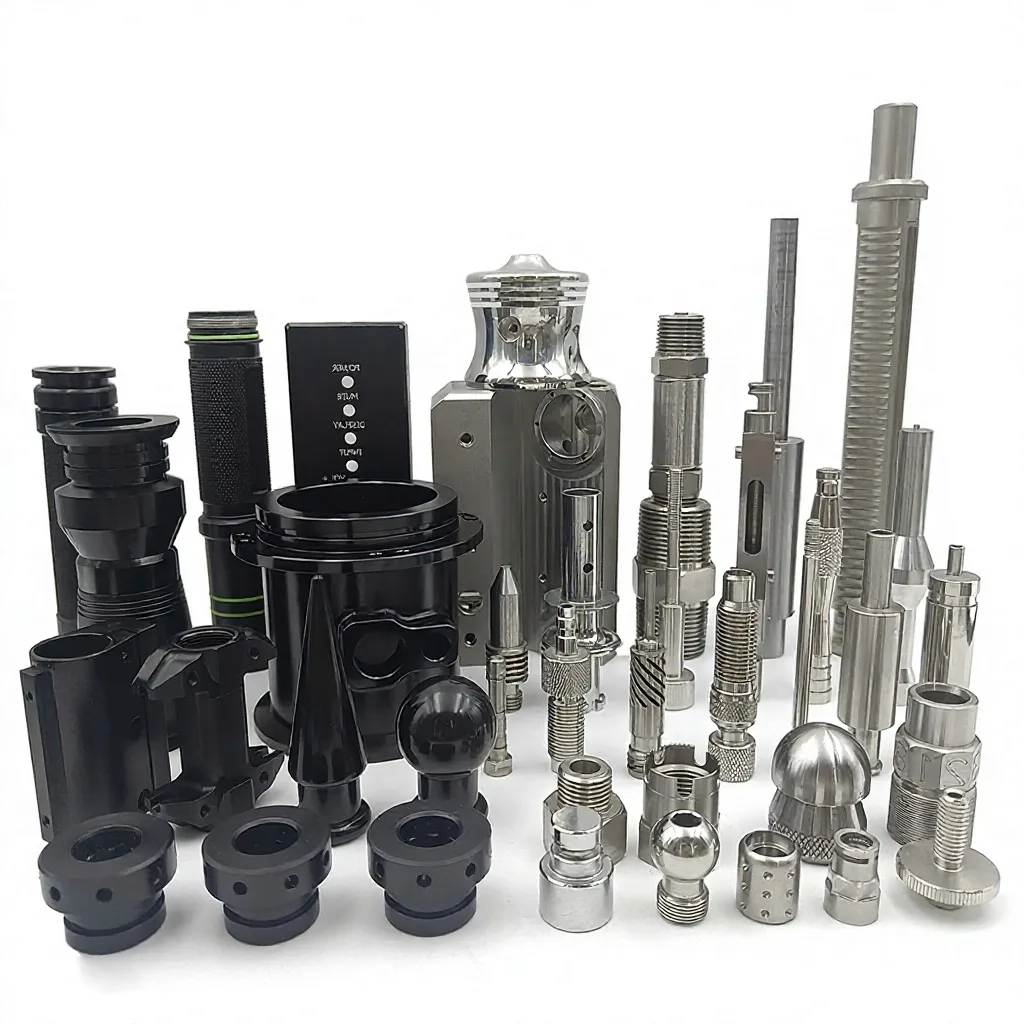
The process includes casting, deburring, drilling and threading. Identify which features require each operation and show the relationships that determine assembly. State the dimensional limits and governing datums on the drawing, with standards following the client specification. For threaded interfaces, include the complete thread requirements needed for acceptance.
Specify the delivered surface condition
Surface treatment and colors follow customer requirements. Mark visible areas separately from functional faces or interfaces. Define the desired finish and the manufacturing stage at which important dimensions must be met. Keep deburring and edge requirements connected to the actual part geometry and handling needs.
Agree inspection against the drawing
Quality control is stated as strict 100% inspection, with ISO 9001 as the certification reference. Identify the checks, coverage and records required for the ordered component and establish the applicable document scope. Keep acceptance tied to the selected material family and supplied condition.
- Provide the controlling 3D drawing and revision.
- State quantity and any initial part-approval requirements.
- Identify application-specific documents and inspection records needed.
Before confirming a revised order, explain changes to the alloy, drilled or threaded features and surface condition so the production enquiry remains tied to the same component specification.