Custom Metal Sand Die Casting and Permanent Mold Aluminum with Separate Ductile Casting Fabrication Enquiries
Direct factory support
Get a quote that fits your project
Send your drawing or product reference, material grade and required quantity. Relia will review the requirements with you.
- Drawing & specification review
Confirm the supply scope and critical requirements.
- Samples before custom production
Review inspected samples before approving a batch.
- Inspection documents
Agree material and dimensional records for your part.
-
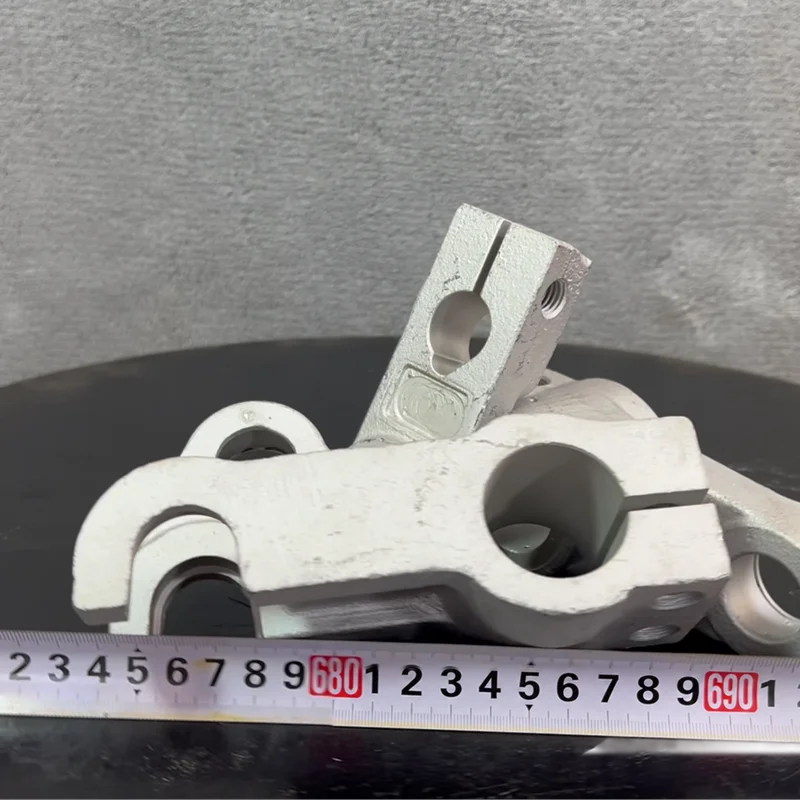
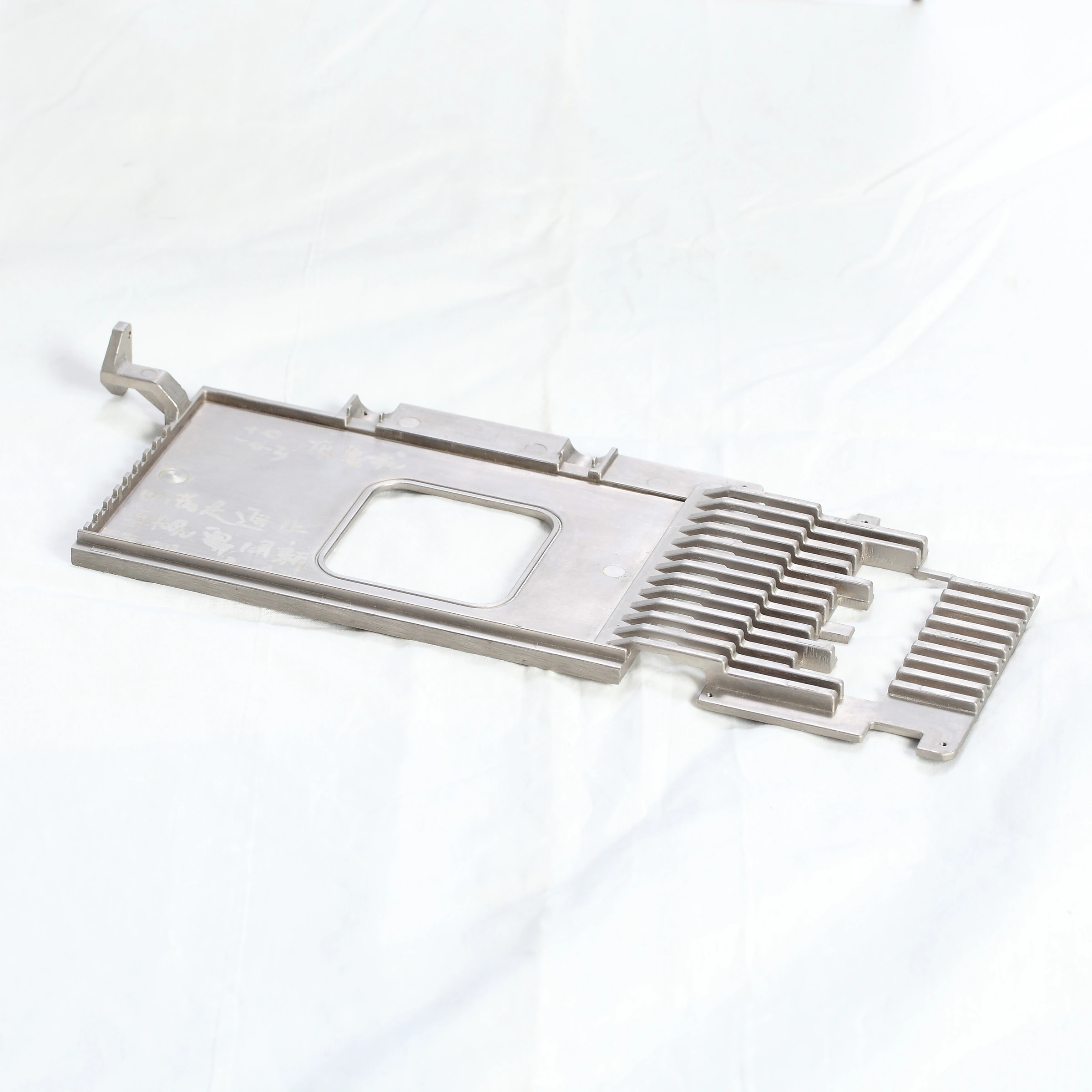
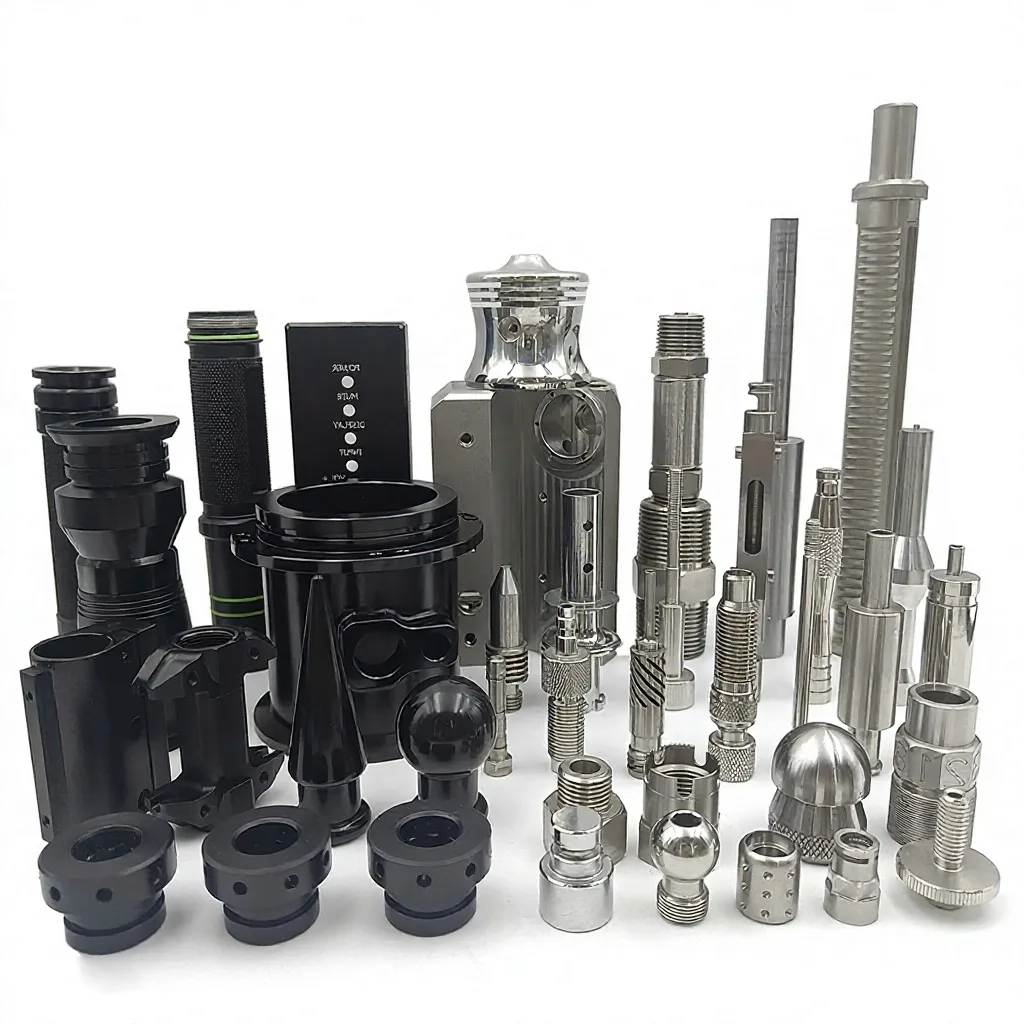
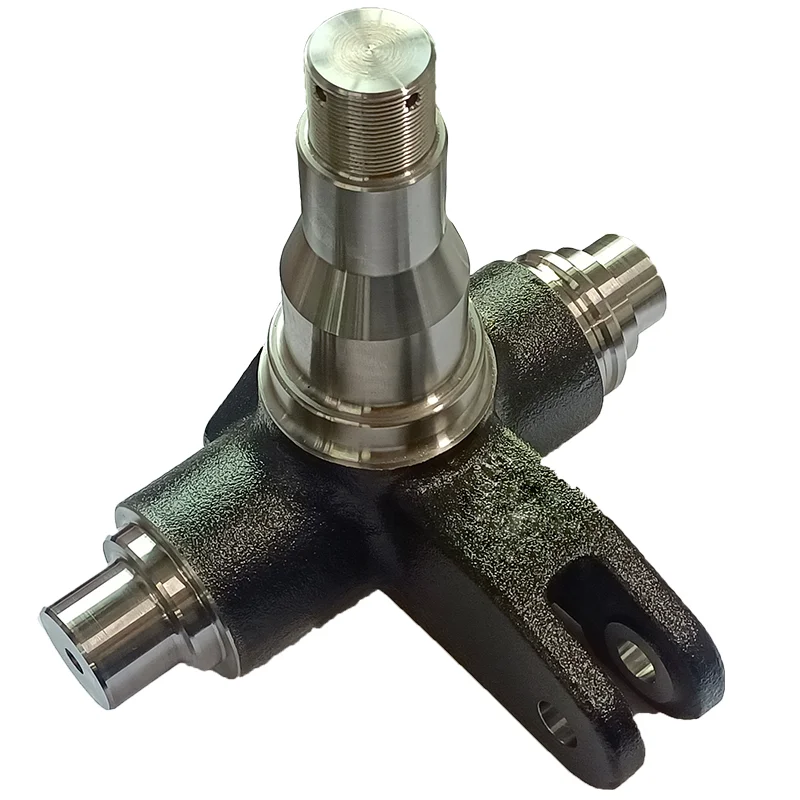
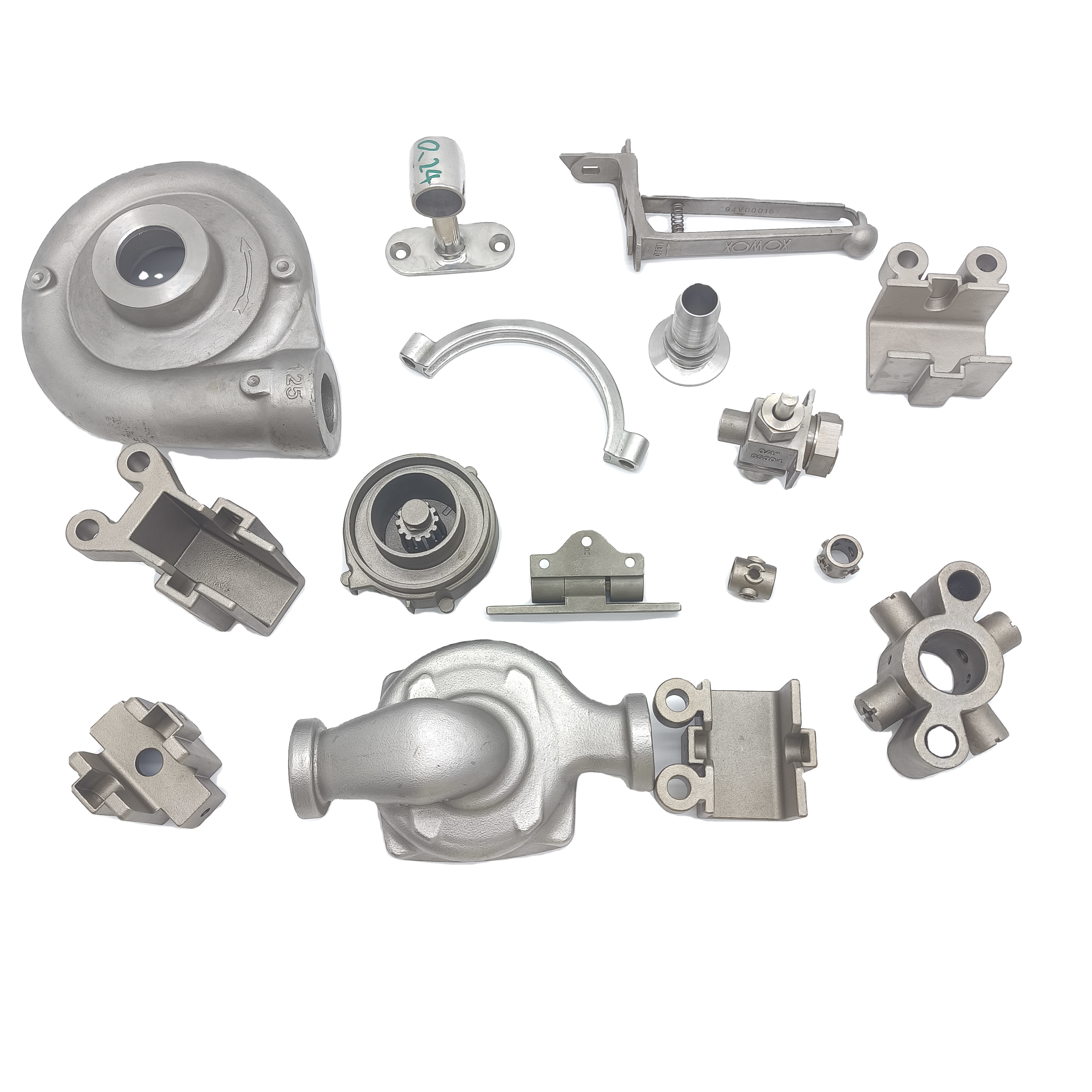
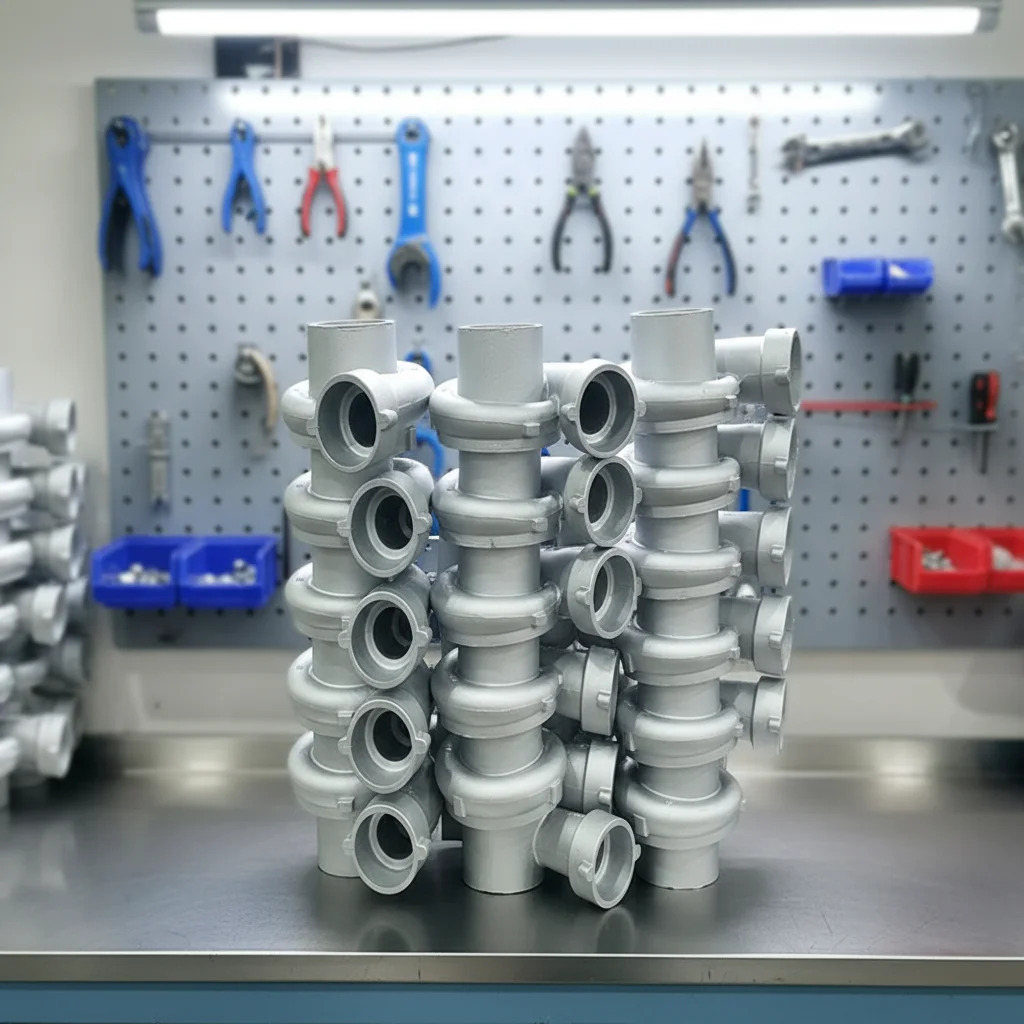
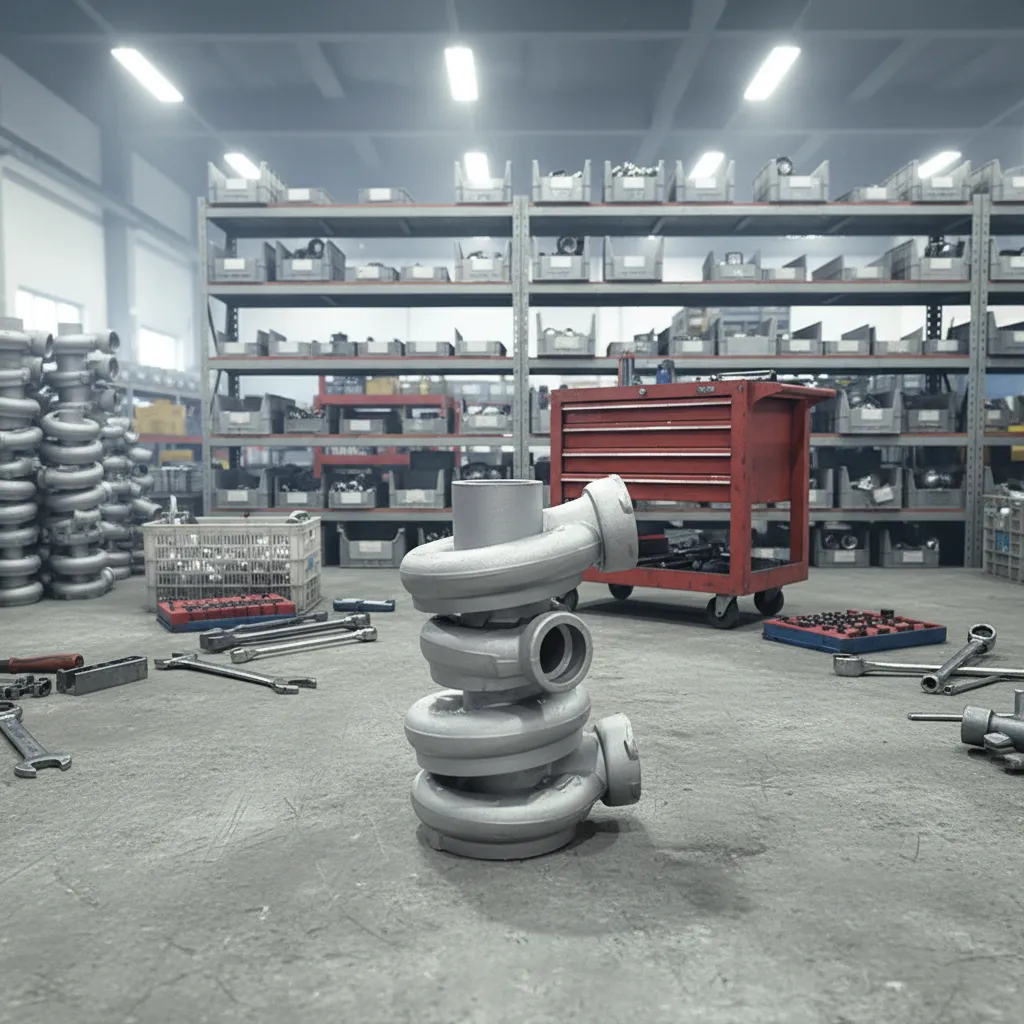
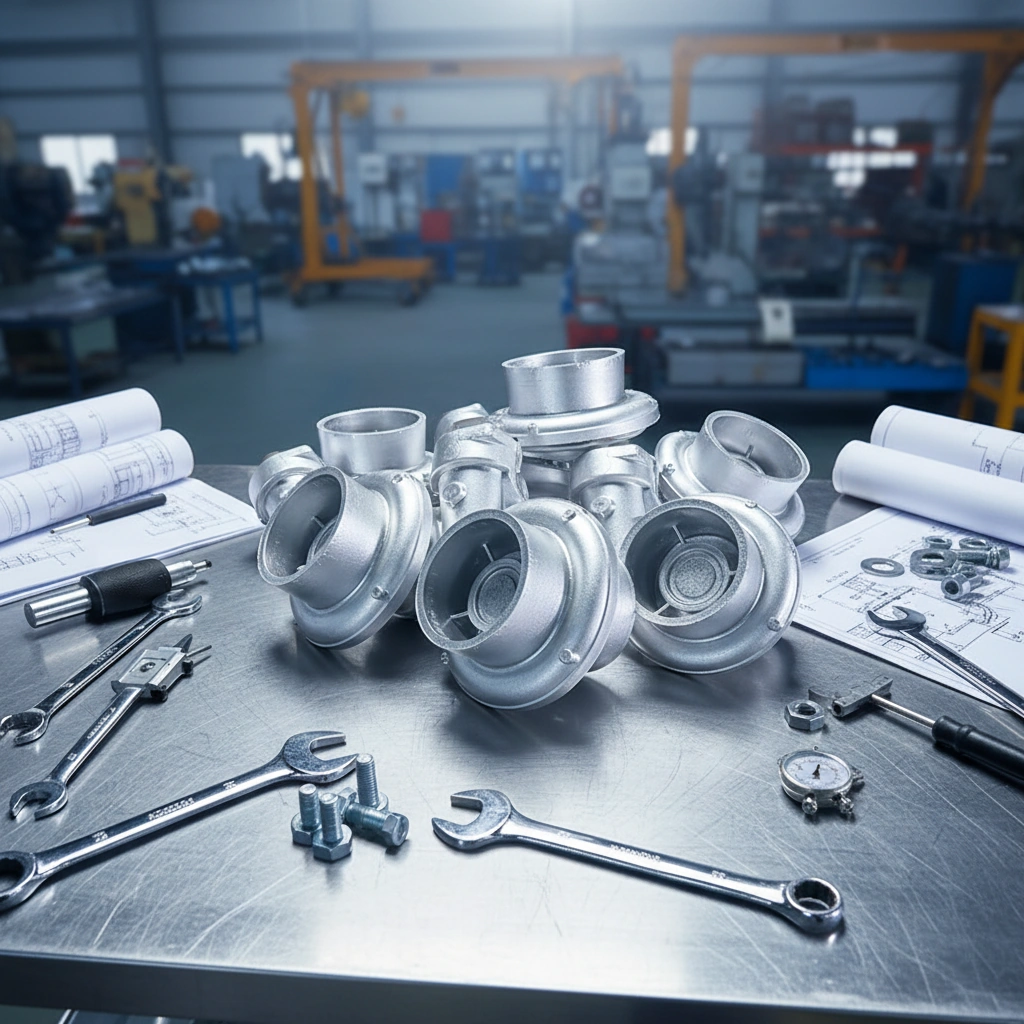
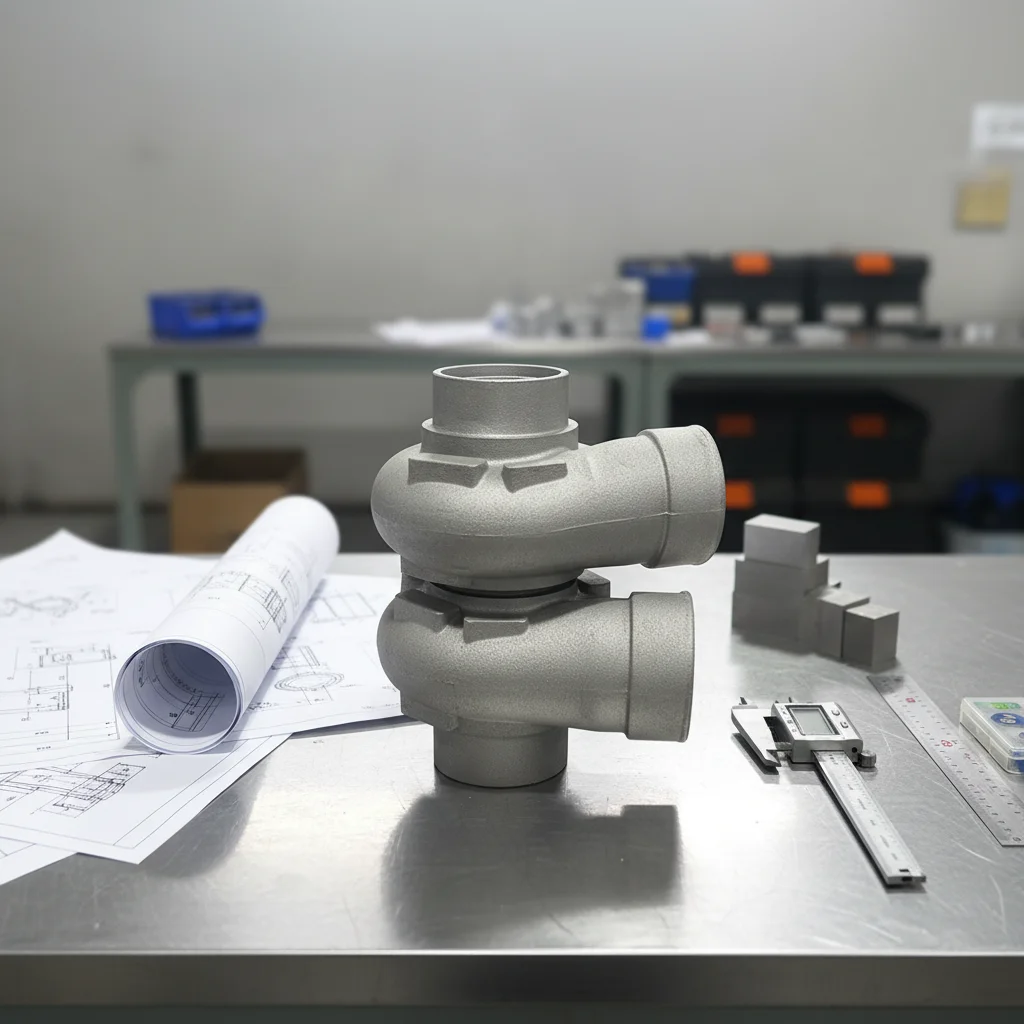
Product nameCasting Supplier Ductile Casting Diecast Precision Metal Sand Casting
-
ThicknessCustomizedMaterialsZinc, aluminum, copper, steel, powder coating, etc.
-
Surface treatmentElectric plating,powder coated,sand blasting,lacquerProcessPunching, stamping, bending, riveting, etc.
-
TestingTestingOEM/ODMAccept
-
ColorCustom AcceptedDrawing format2D/3D/CAD/DWG//STEP/PDF/IGS
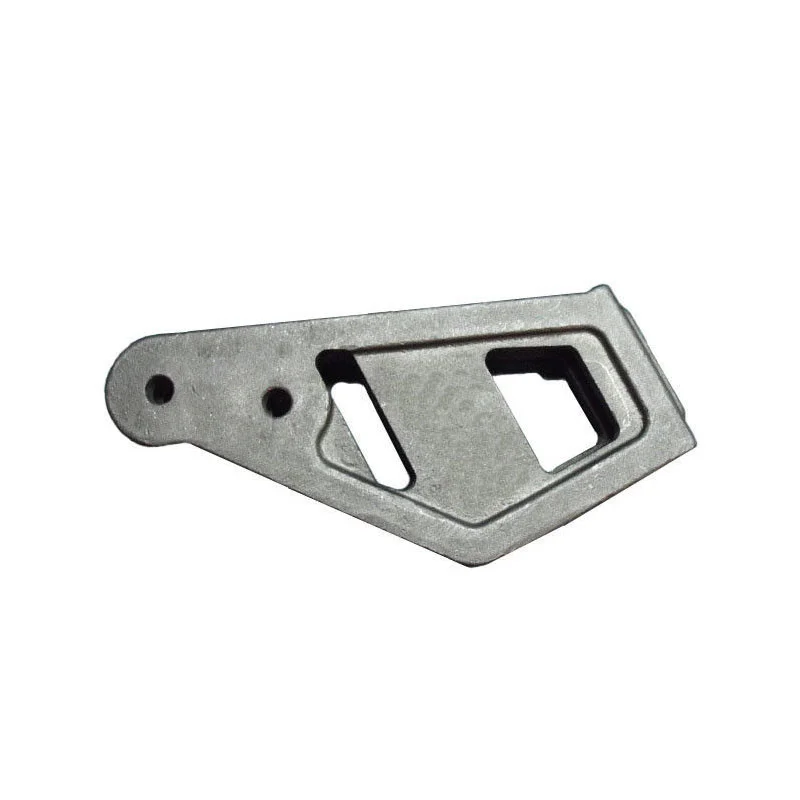
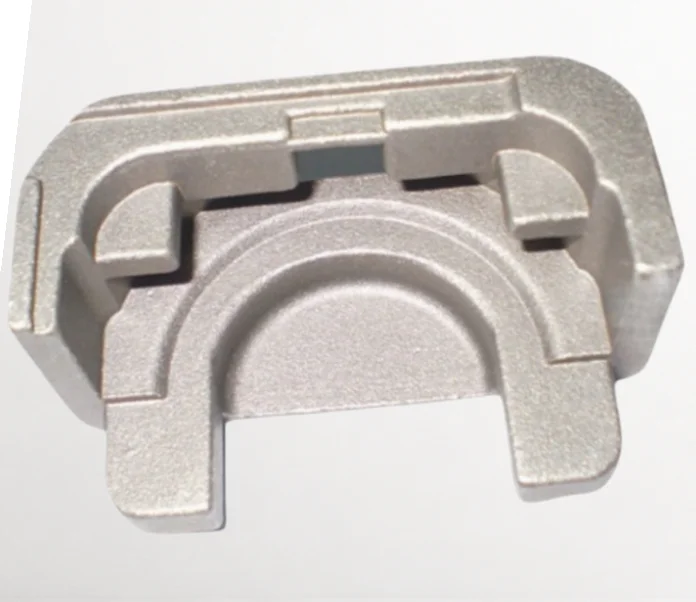
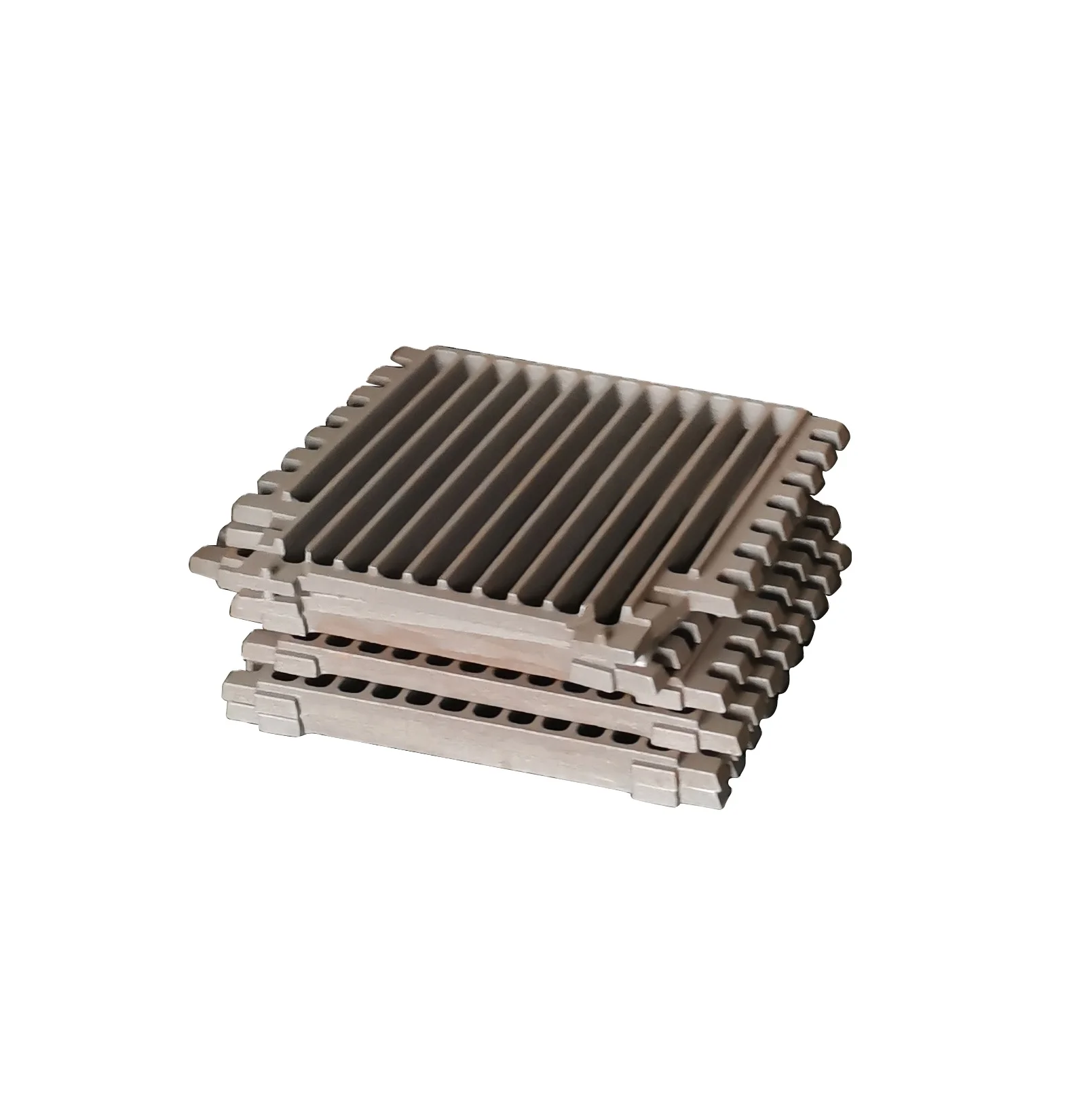
Custom metal-component enquiries cover sand casting, die casting and permanent-mold aluminum requests. Ductile-casting and fabricated-part enquiries need their own complete material and route definition. Specify the actual component drawing and customized thickness so the quotation concerns the geometry and supplied condition required.
Select the metal and suitable work
Listed material options include zinc, aluminum, copper and steel. Punching, stamping, bending and riveting are additional requests for suitable fabricated components. Identify which operations apply to the chosen material and design, keeping fabrication scope distinct from a casting route.
Locate thickness and functional dimensions
Mark the sections requiring a particular wall or sheet thickness, with datum relationships and mating dimensions relevant to the part. Drawing information can include 2D or 3D CAD, DWG, STEP, PDF and IGS. Keep revisions aligned and identify the data governing the final geometry.
- Provide quantity and the complete material designation.
- Mark cast, formed or joined areas.
- Define dimensions requiring measured acceptance.
- Identify the required supplied condition.
Define surface and testing requirements
Electroplating, powder coating, sand blasting and lacquer are named finish choices, with custom color accepted. Select coverage and appearance requirements for the actual substrate. Agree the testing methods, acceptance limits and records needed for the component, together with any sample used for approval. This connects the finished surface and geometry to an explicit, order-specific acceptance brief.