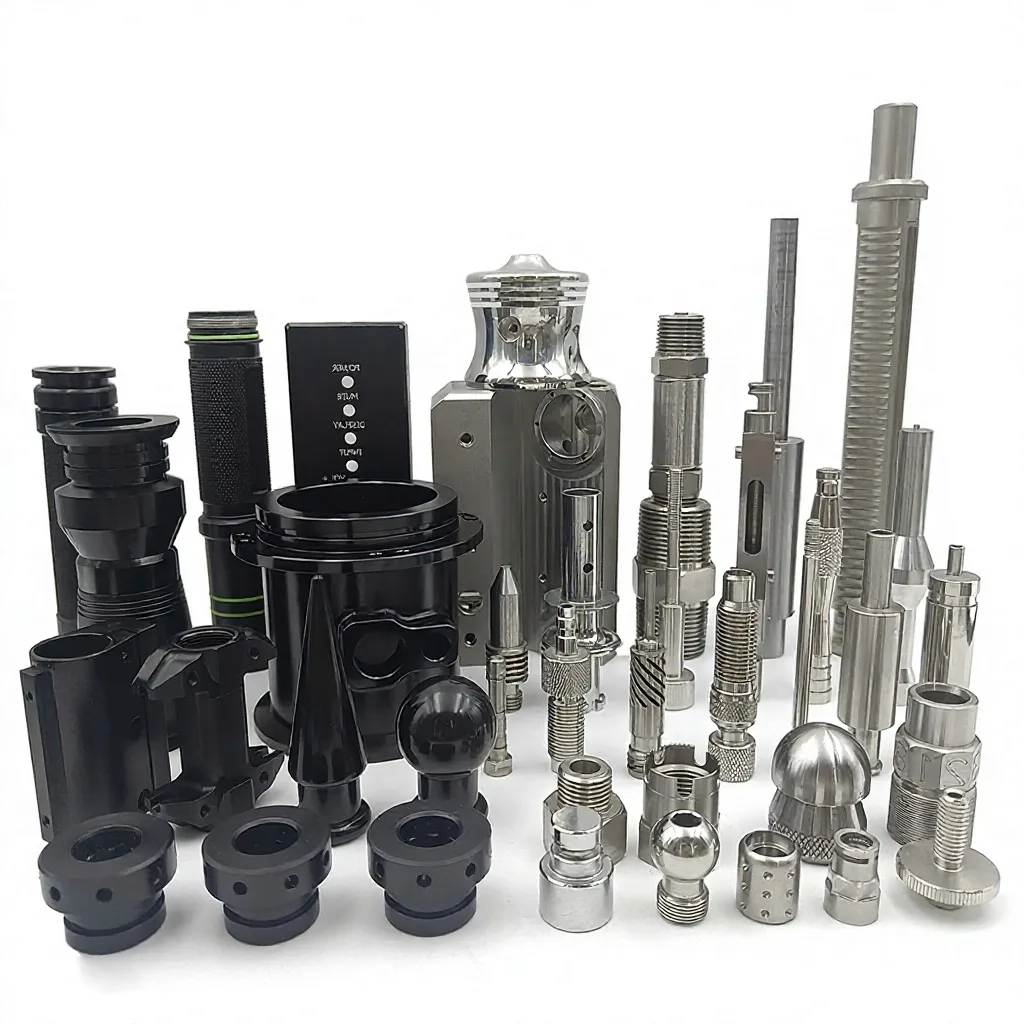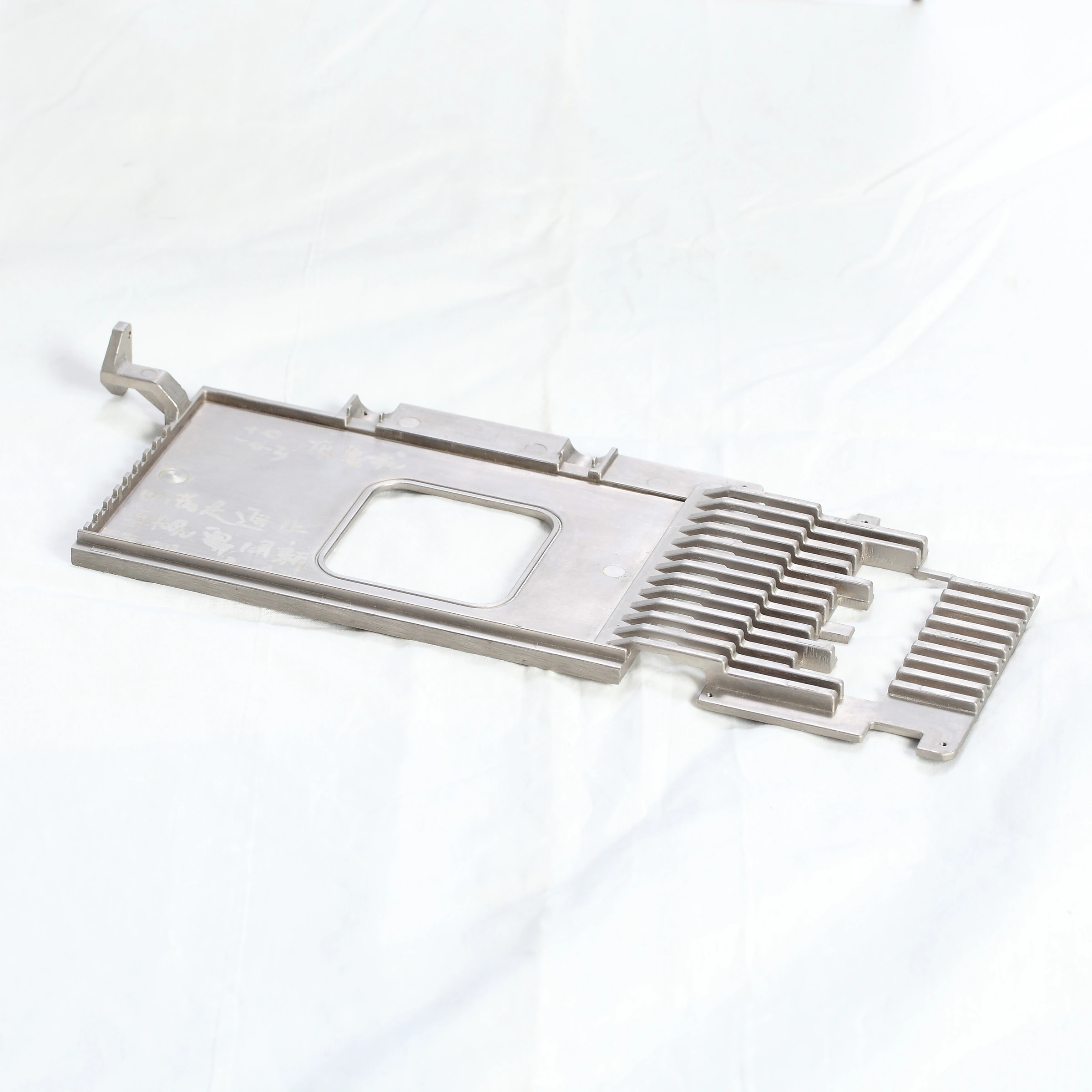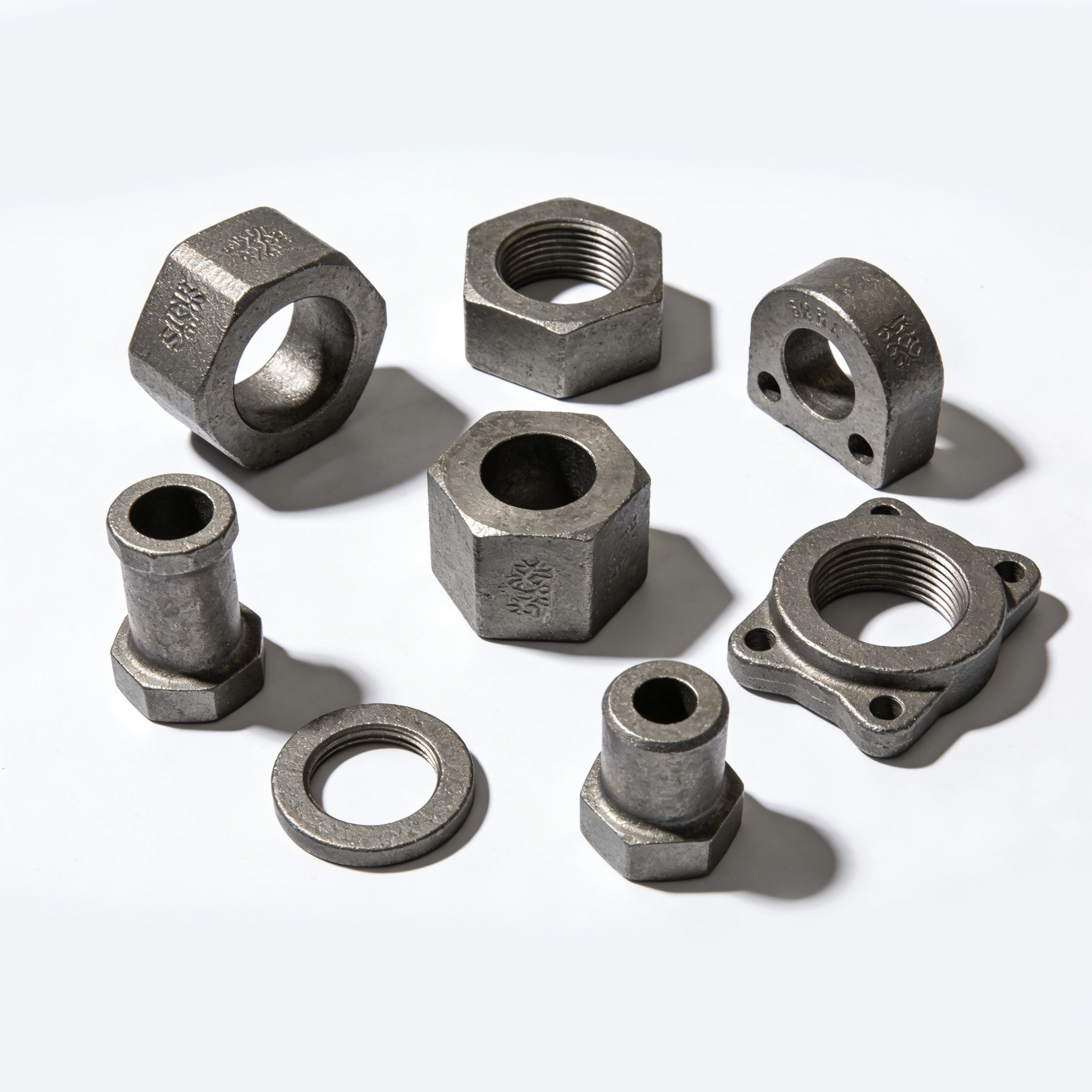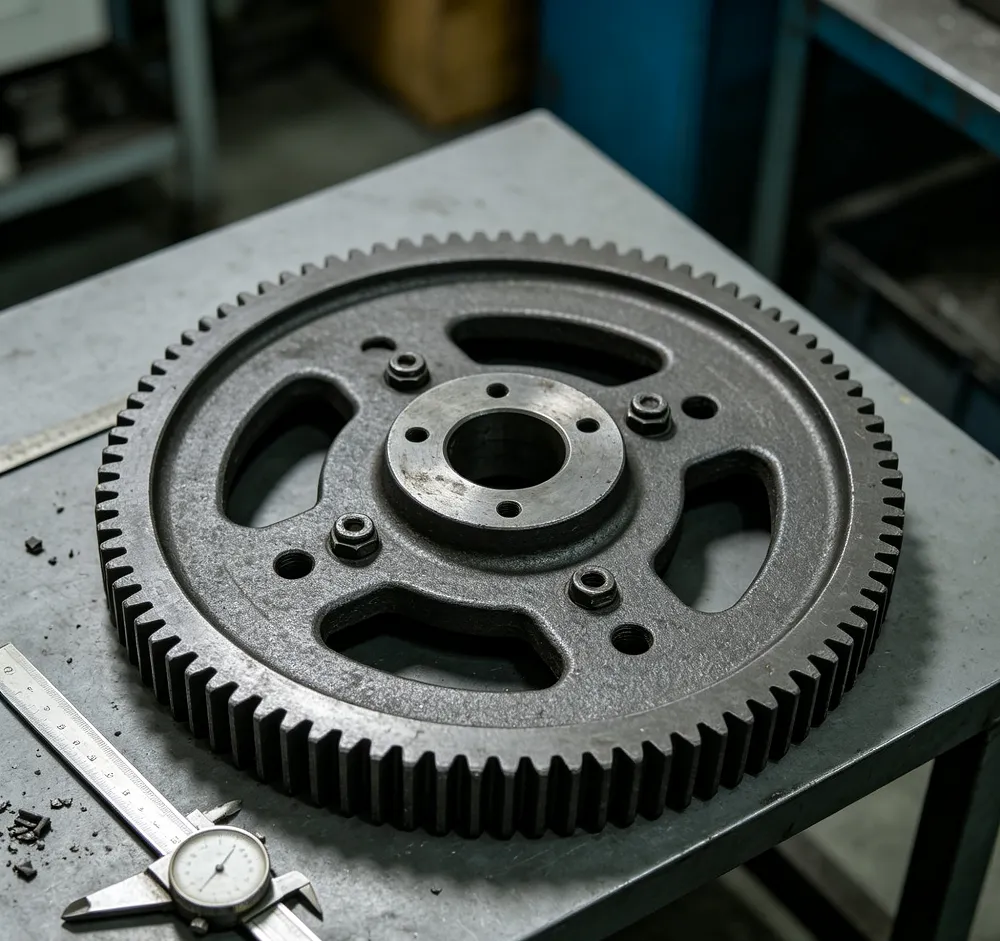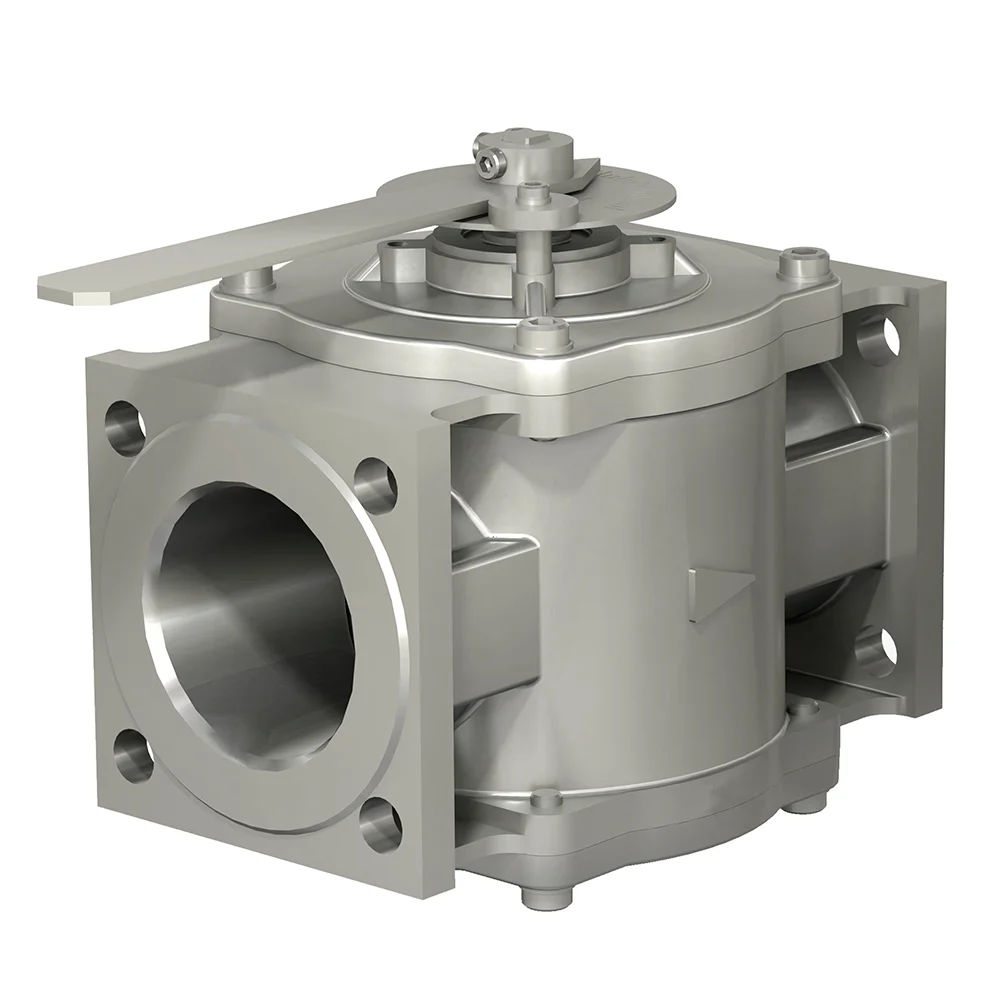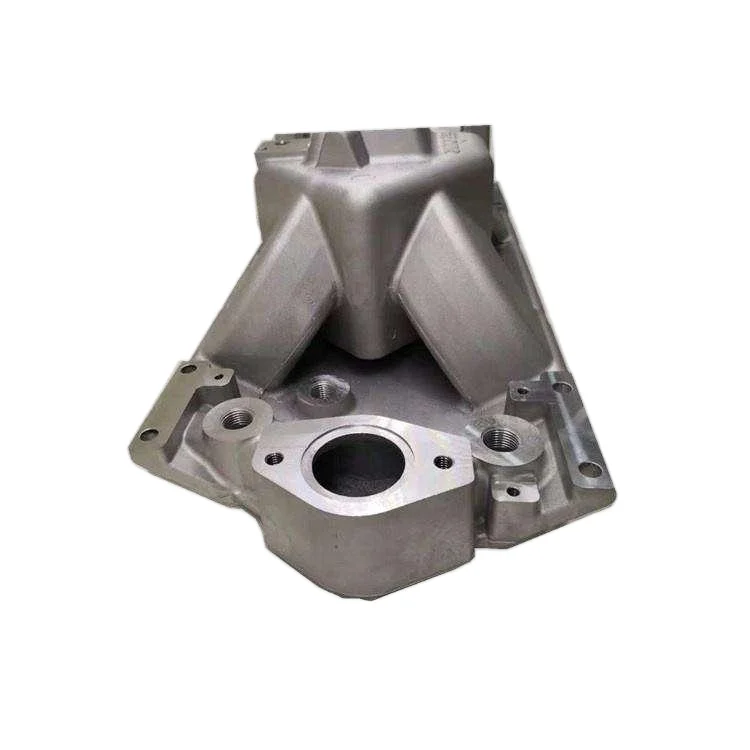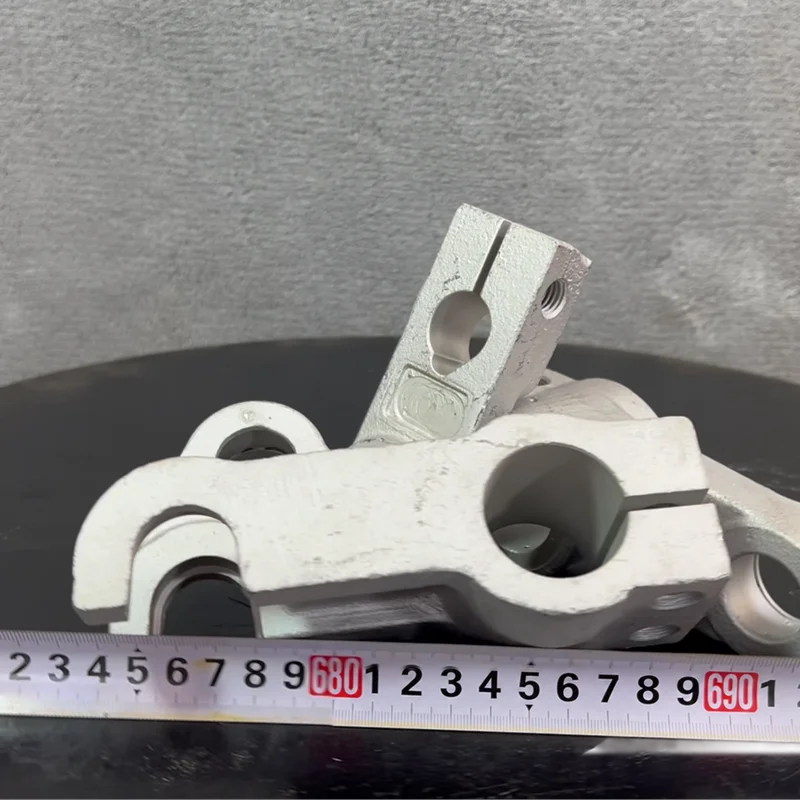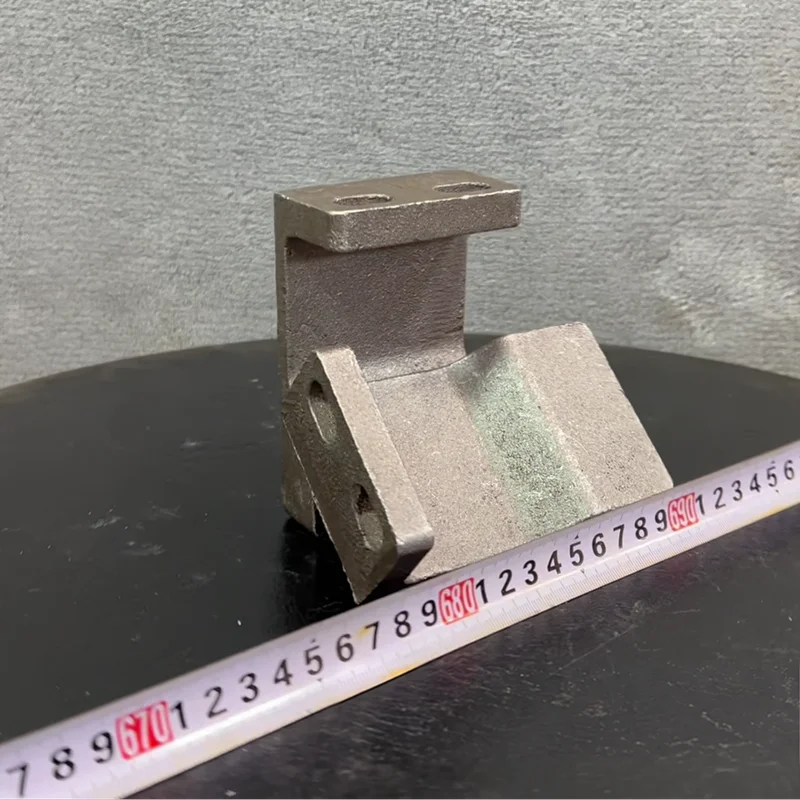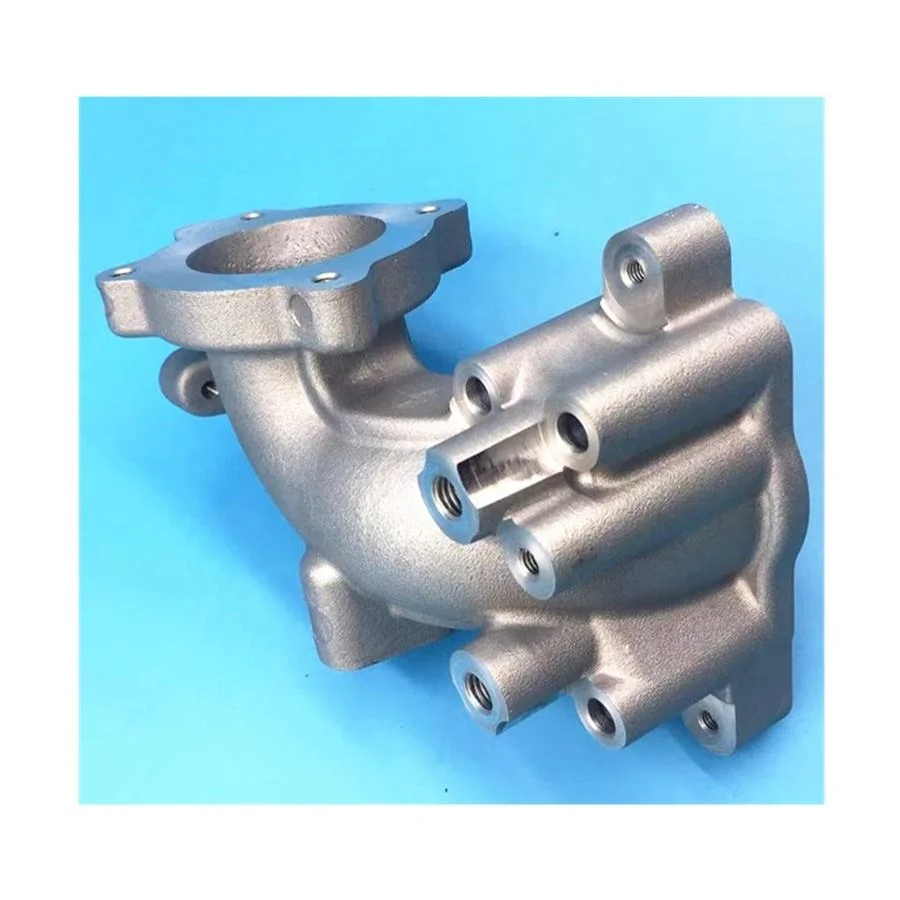
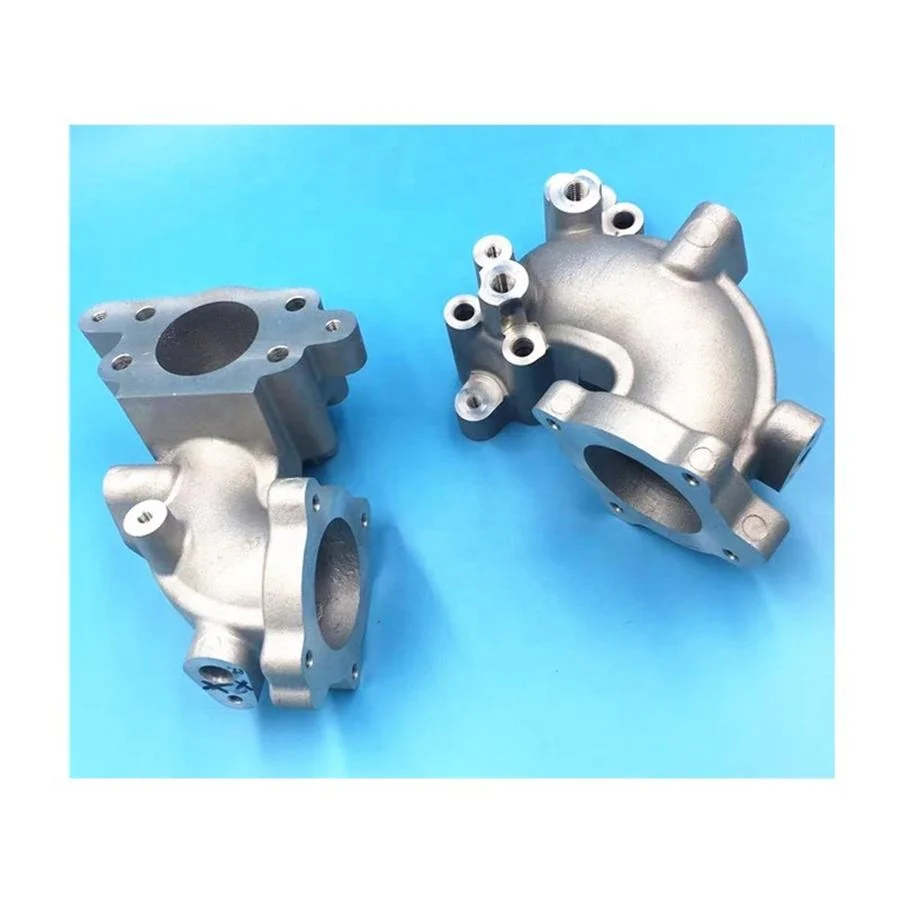
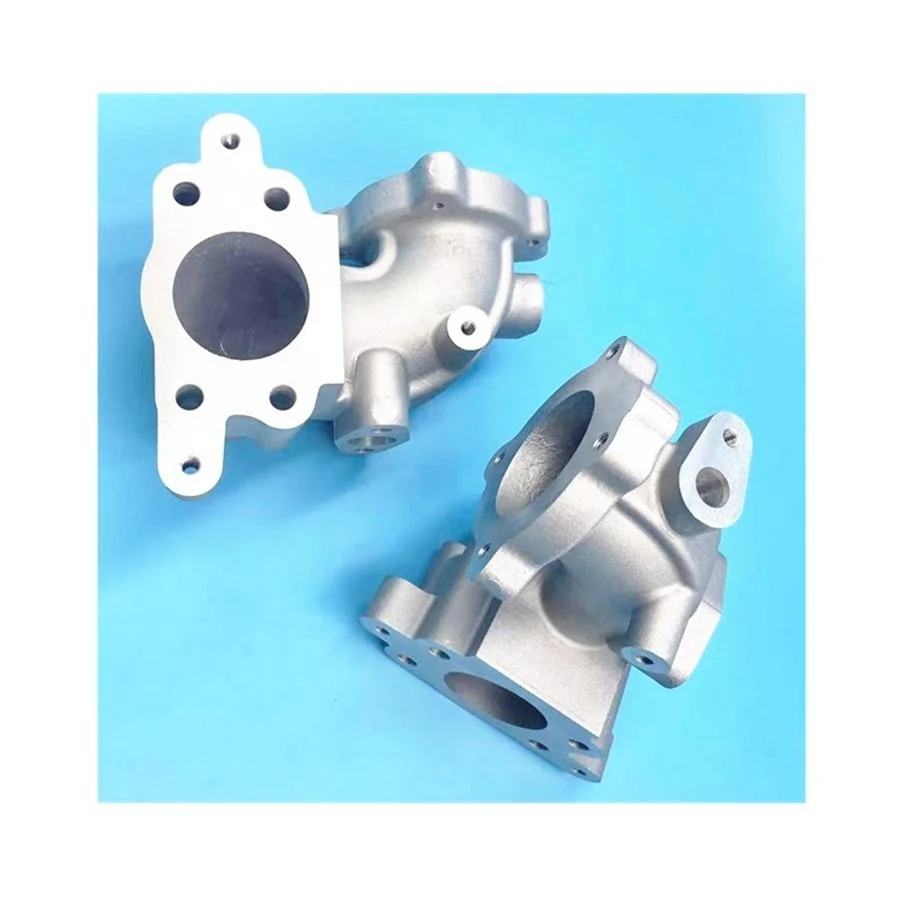
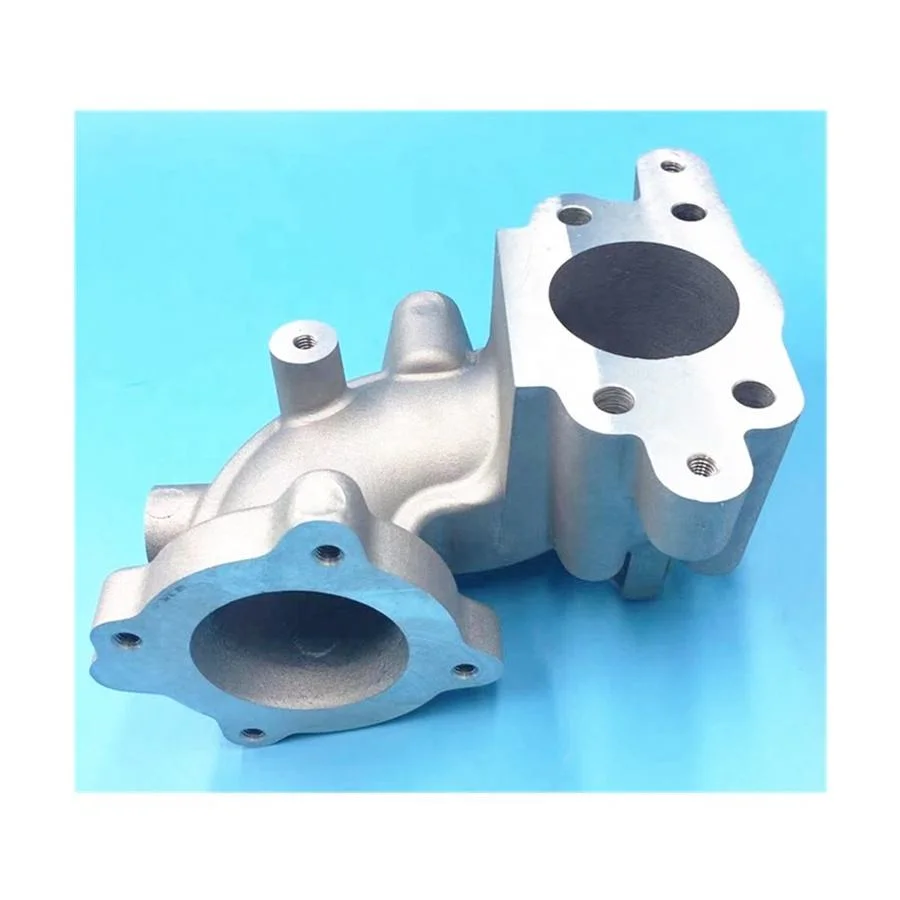
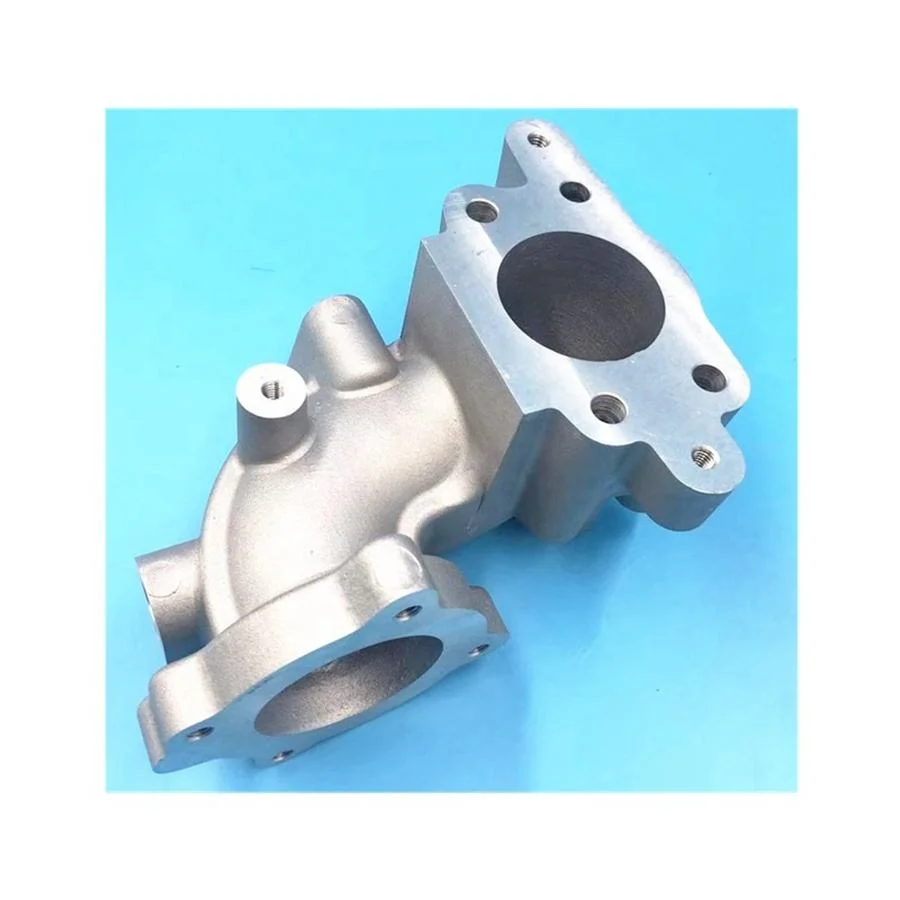
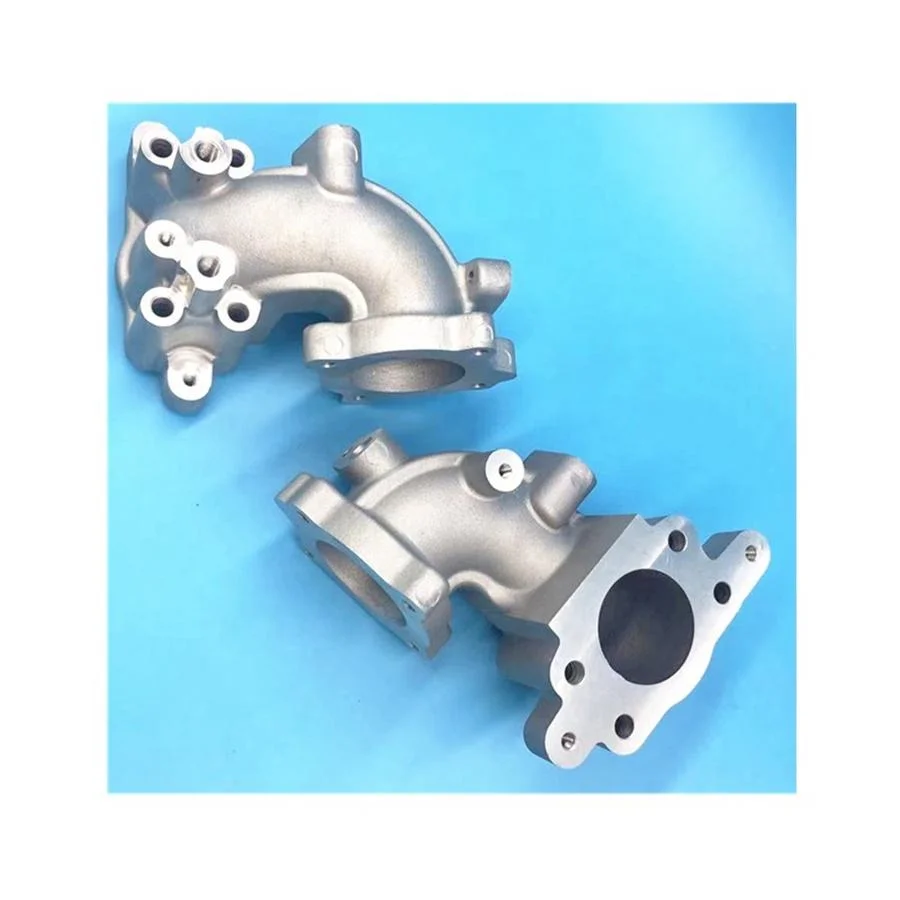
Custom Precoated Sand Core Mold Aluminum Castings in A356 A355 A357 ZL101A with Gravity Die Casting Enquiries
Direct factory support
Get a quote that fits your project
Send your drawing or product reference, material grade and required quantity. Relia will review the requirements with you.
- Drawing & specification review
Confirm the supply scope and critical requirements.
- Samples before custom production
Review inspected samples before approving a batch.
- Inspection documents
Agree material and dimensional records for your part.
-
Product nameAluminum sand Casting
-
MaterialA356, A355, A357, ZL101A, AluminumApplicationAutomotive, Home appliances, Electronics, Furniture,etc.
-
ServiceOEM\ODMCertificationISO9001/TS16949/RoHS
-
ProcessSand casting & Gravity Die CastingSurface treatmentPainting,Powder Coating,Polishing, Electroplating, Shoot blasting,etc.
-
TypeCasting PartStandardDIN, ASTM, GOST, ISO, BS, NADCA
-
ColorCustomized Color
Custom aluminum sand-casting enquiries include precoated sand-core and mold requirements, with a separate gravity die-casting route. OEM/ODM work serves automotive, home-appliance, electronics and furniture components. Define the actual part drawing and core geometry before selecting the alloy and manufacturing request.
Choose the material for the design
Named aluminum options are A356, A355, A357 and ZL101A. Specify the complete grade and required condition, then assign the casting route to the actual geometry. Identify internal passages or spaces that the core request must deliver, with their relationship to the functional outside surfaces. Use sections to show where internal and external dimensional requirements meet.
Specify finish and custom color together
Painting, powder coating, polishing, electroplating and shot blasting are named treatments. Select the required surface and describe coverage, masking and appearance acceptance. Mark any interfaces where the finish interacts with fitted dimensions or a particular contact condition.
- State quantity and the controlled revision.
- Show datums and critical assembly interfaces.
- Define material and dimensional approval records.
- Identify the final surface reference for the part.
Identify applicable standards and documents
Standard references include DIN, ASTM, GOST, ISO, BS and NADCA. Specify the actual document and acceptance requirements appropriate to the selected design. Request relevant ISO9001, TS16949 and RoHS documentation and scope alongside those requirements, keeping qualification records and component approval connected to the actual material, route and supplied condition.