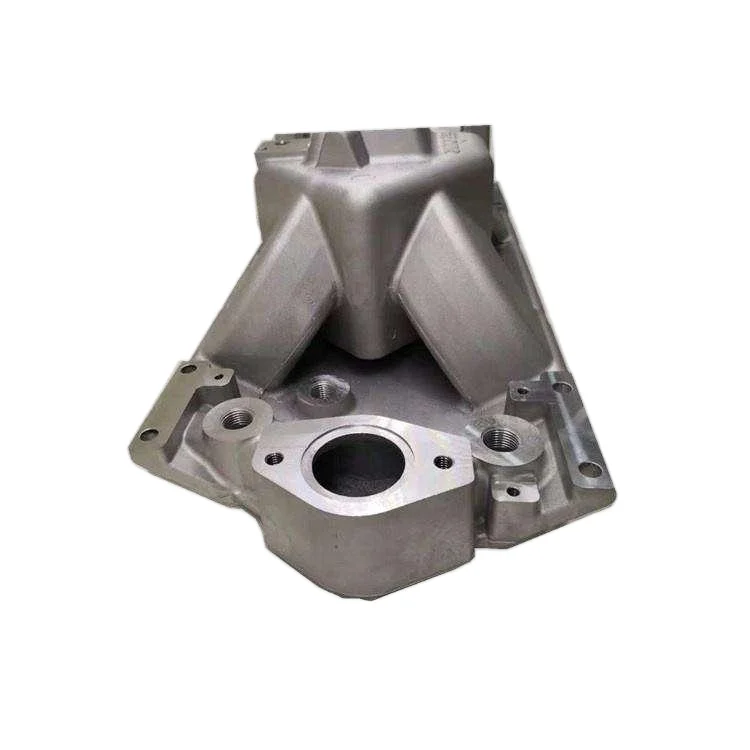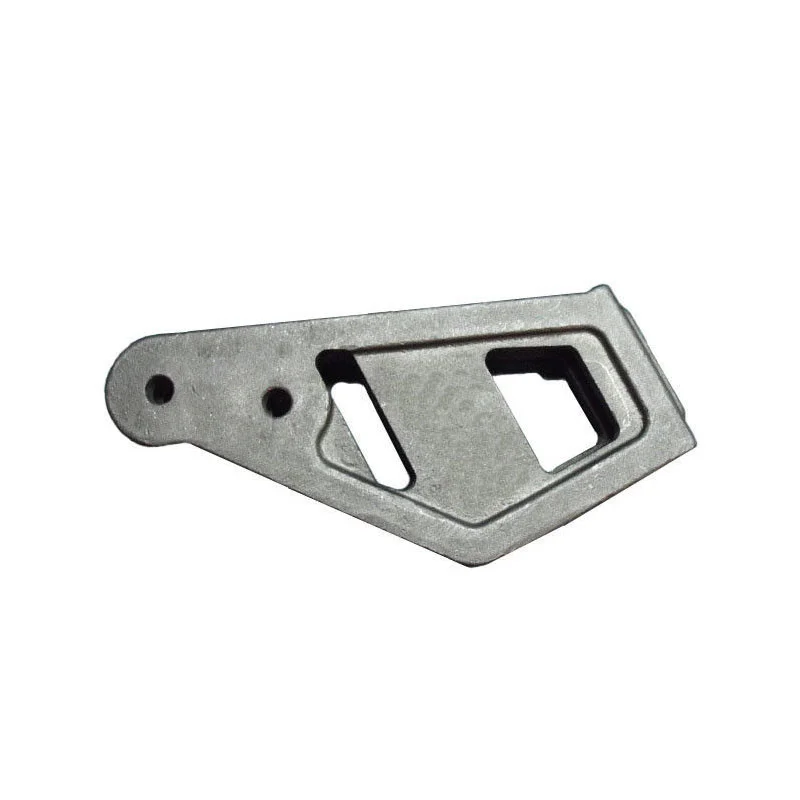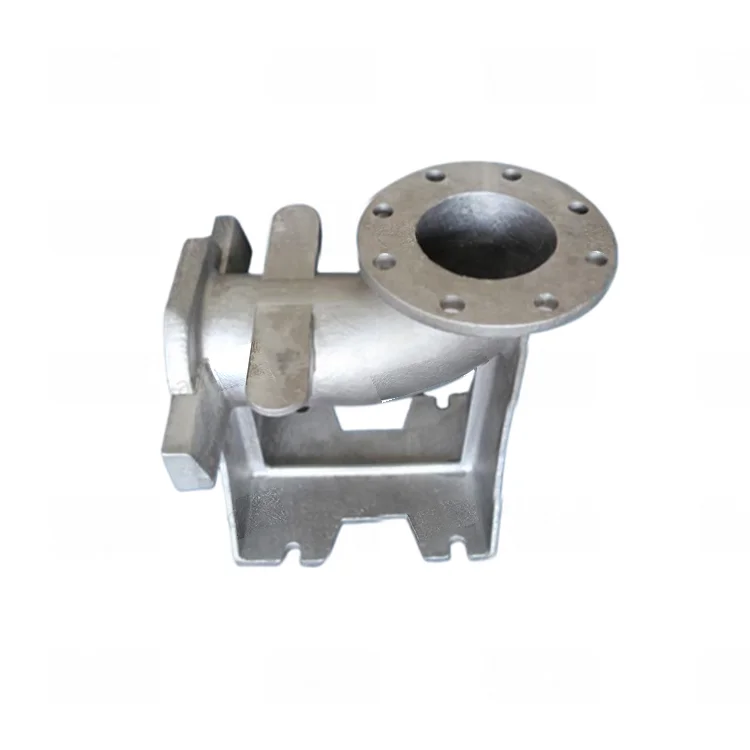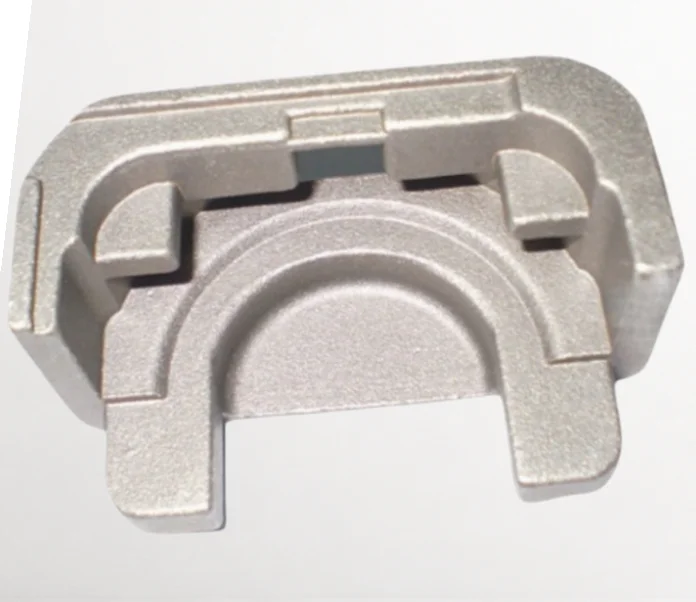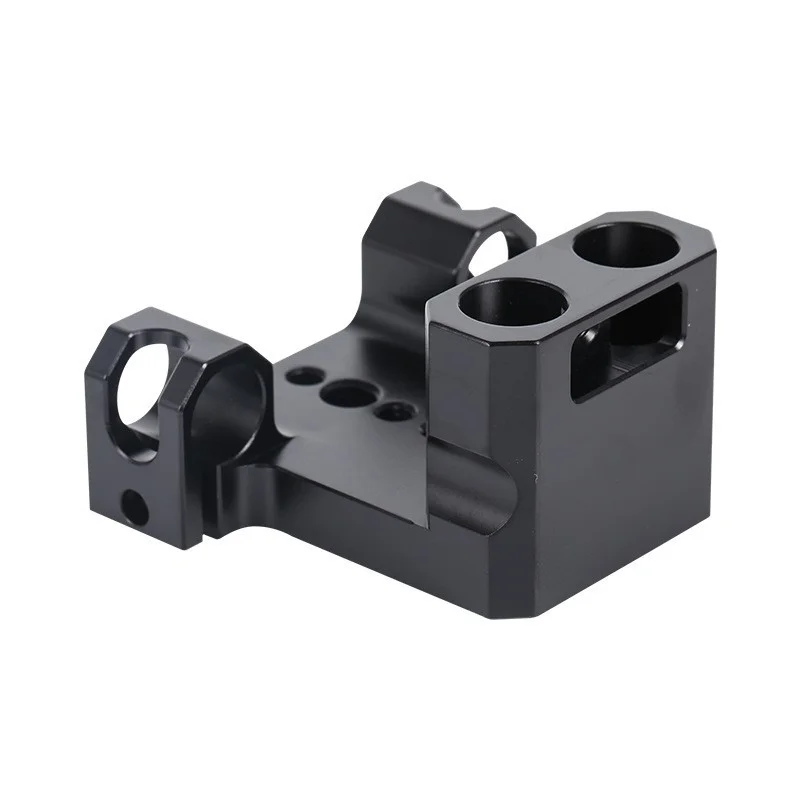
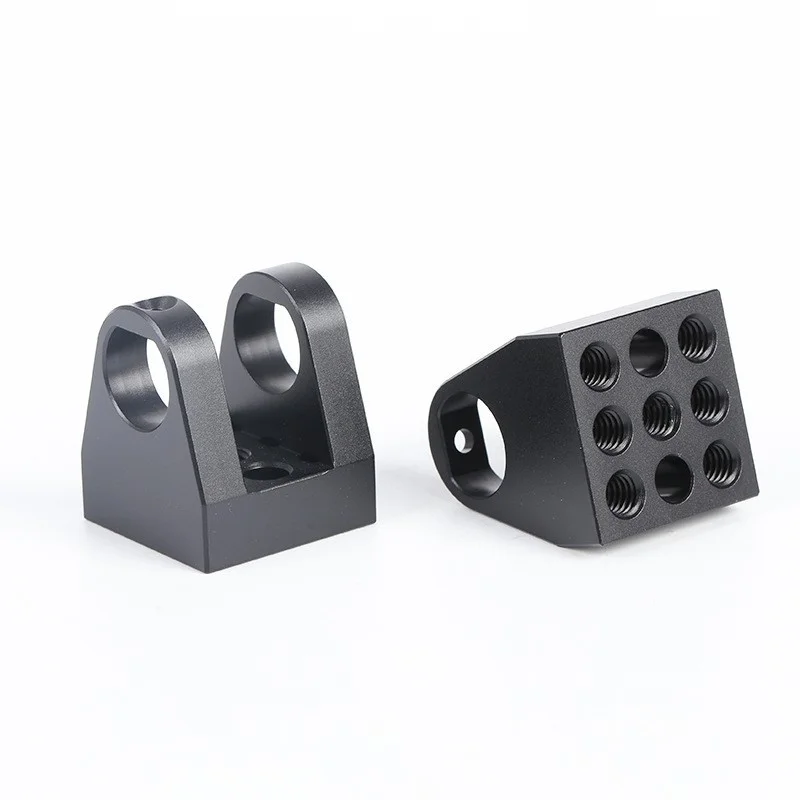
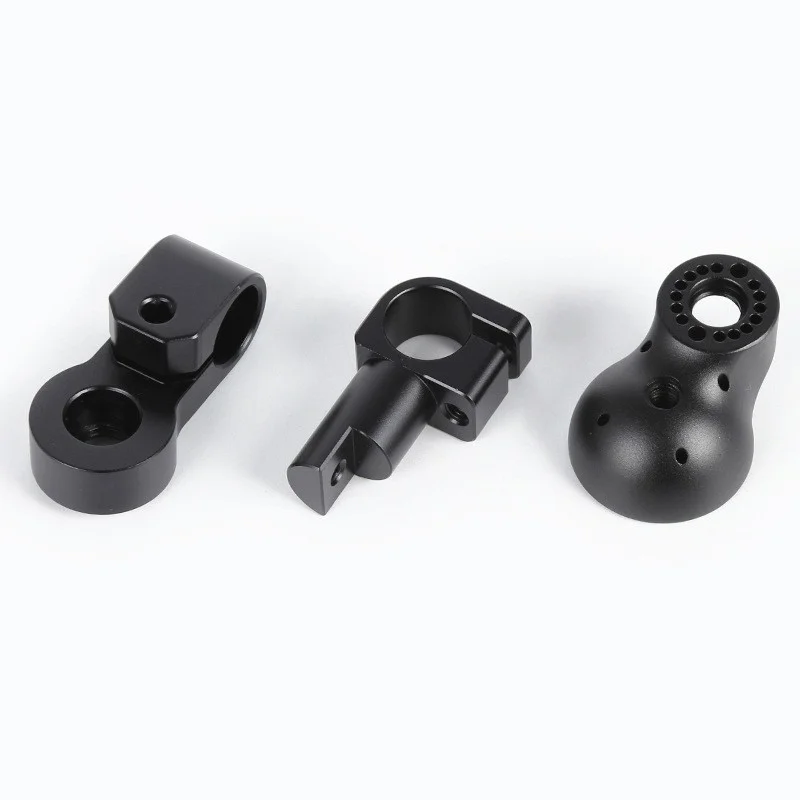
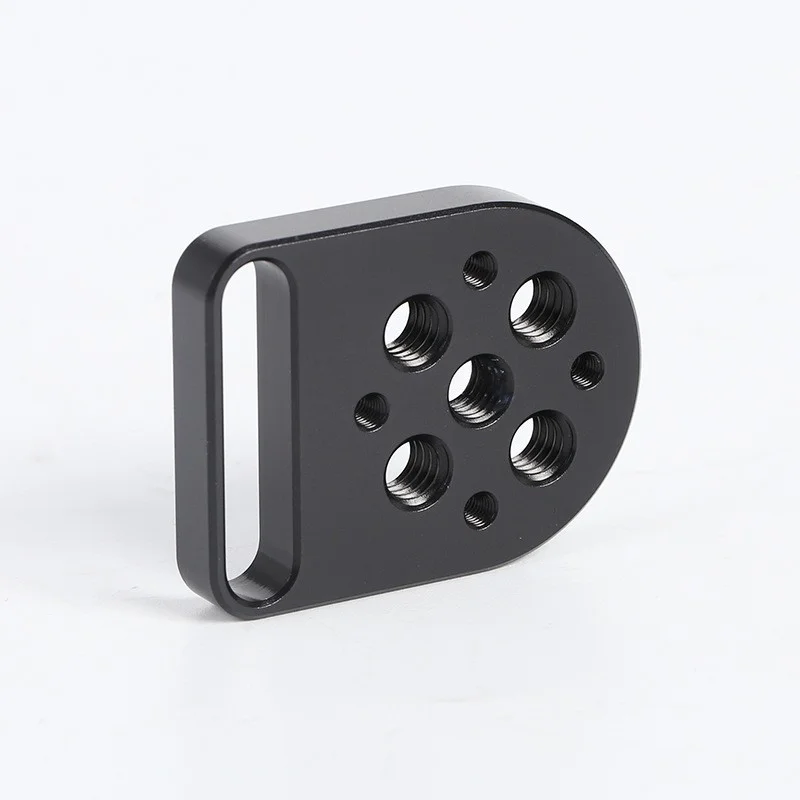
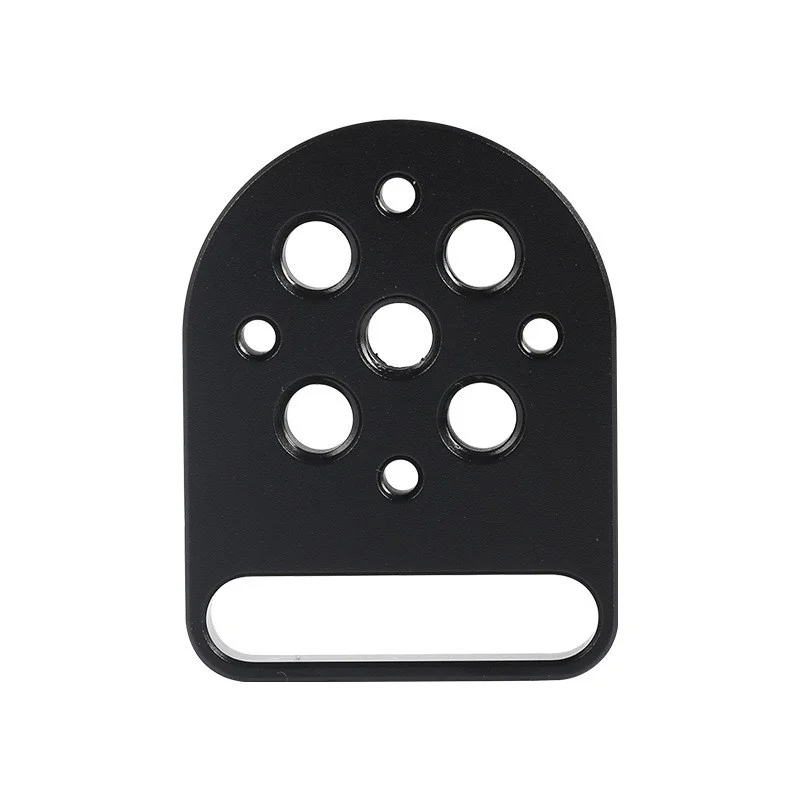
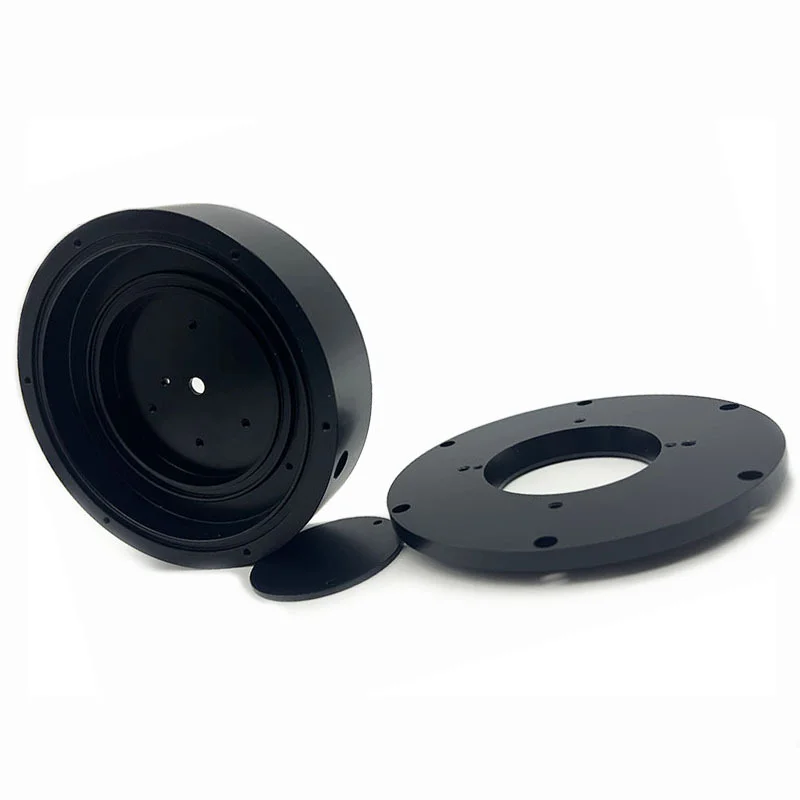
Custom Steel Ductile Cast Iron Sand Casting Parts with CNC Machining and Separate Multi Material Precision Component Prototyping
Direct factory support
Get a quote that fits your project
Send your drawing or product reference, material grade and required quantity. Relia will review the requirements with you.
- Drawing & specification review
Confirm the supply scope and critical requirements.
- Samples before custom production
Review inspected samples before approving a batch.
- Inspection documents
Agree material and dimensional records for your part.
-
CNC Machining or NotCNC MachiningTypeBroaching, Drilling, Etching / Chemical Machining, Laser Machining, Milling, Other Machining Services, Turning, Wire EDM, Rapid Prototyping
-
Material CapabilitiesAluminum, Brass, Bronze, Copper, Hardened Metals, Precious Metals, Stainless Steel, Steel AlloysMaterialIron
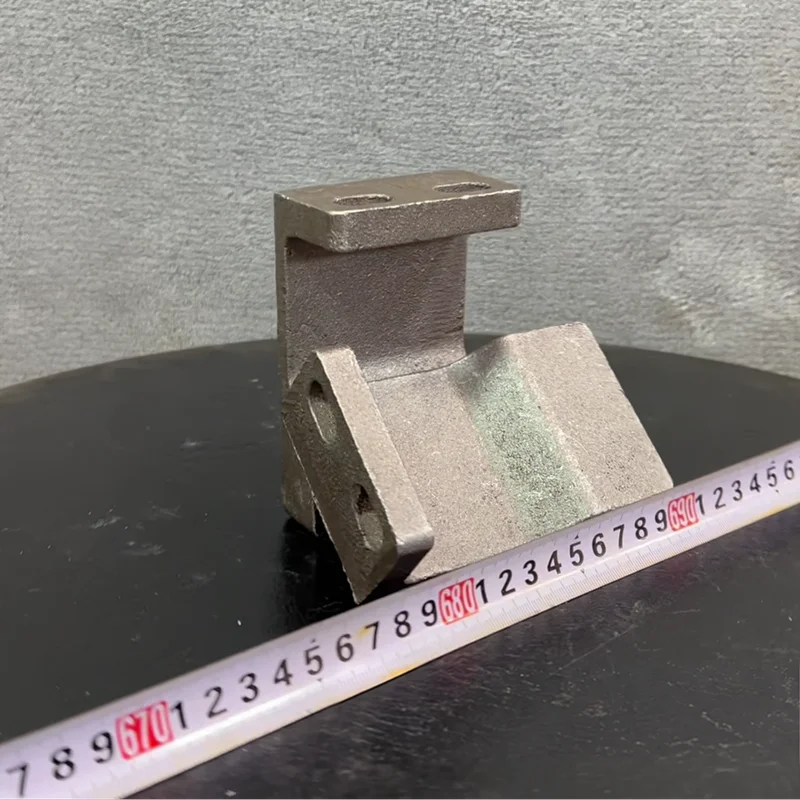
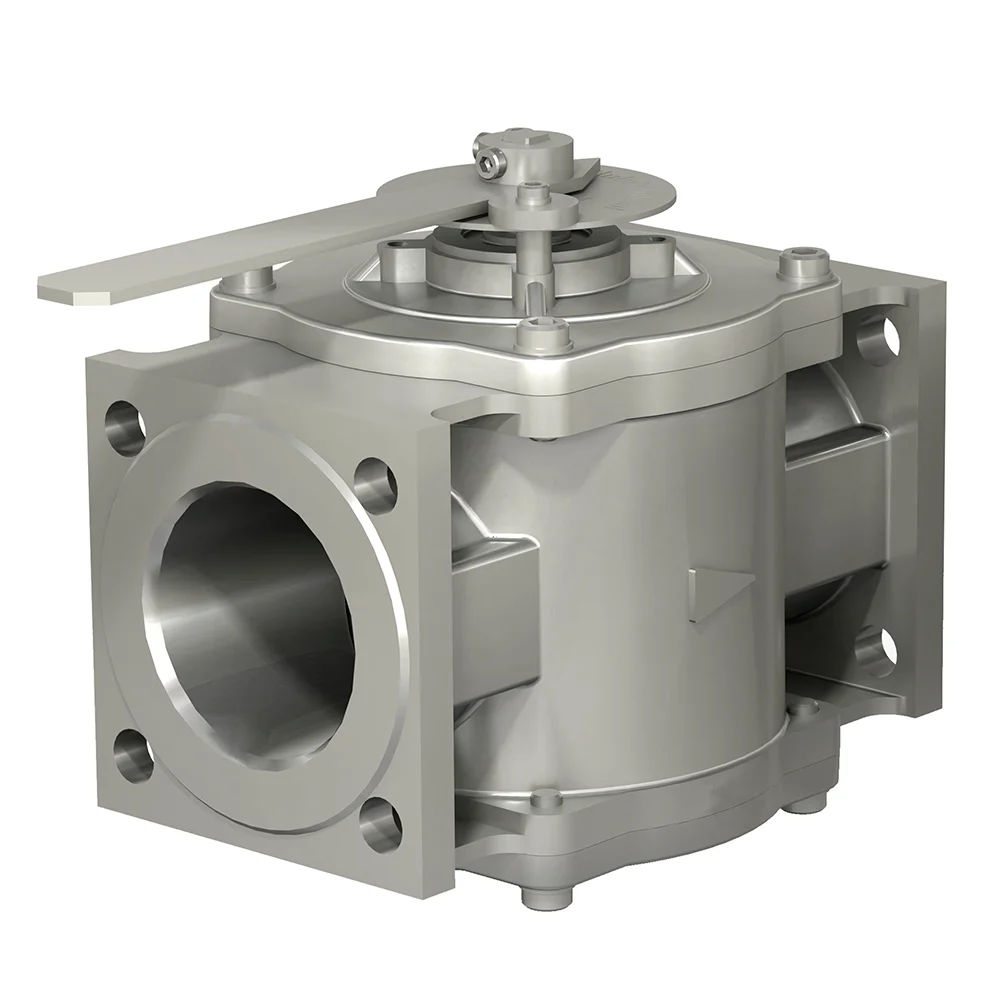
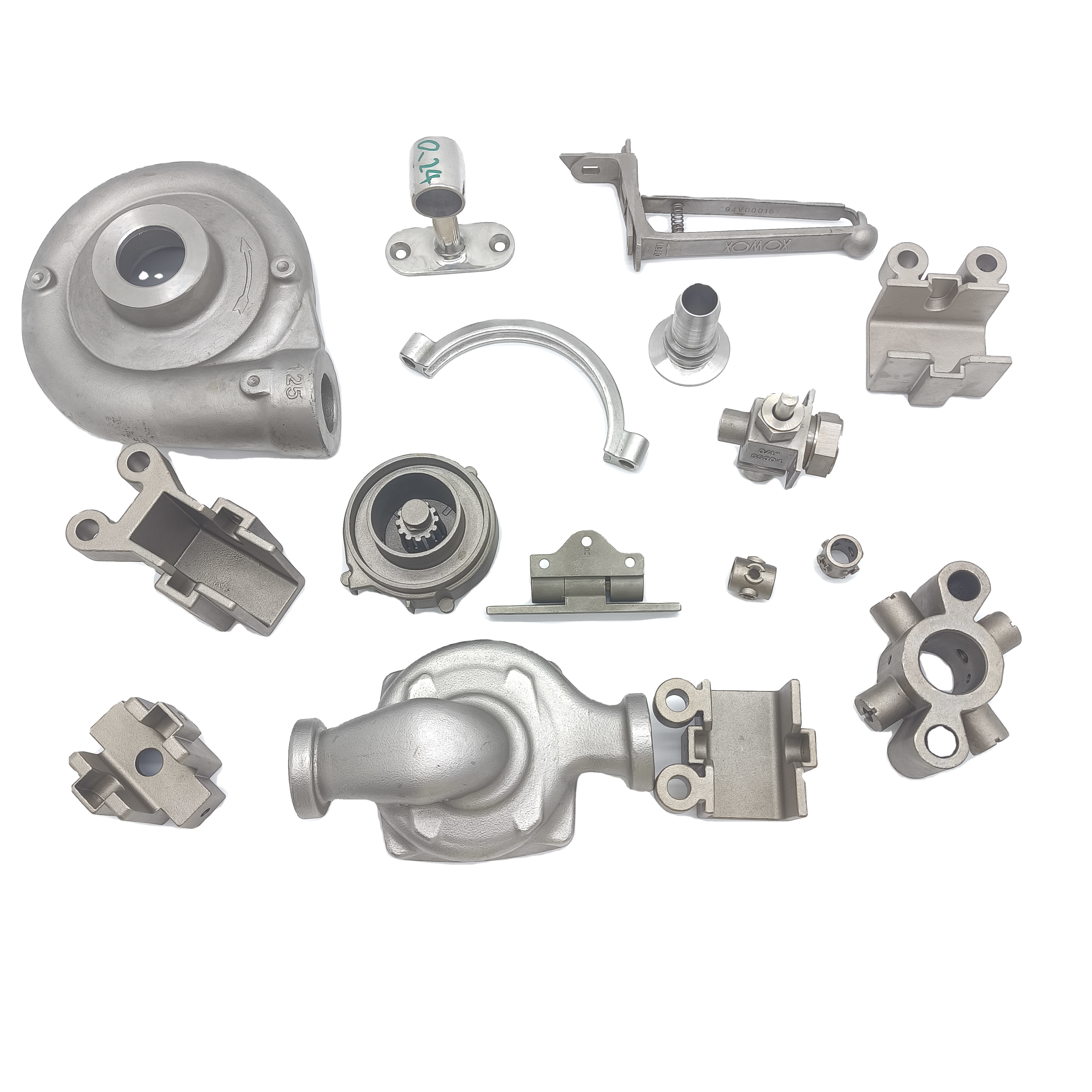
Custom iron, ductile-iron and steel sand-casting enquiries can include CNC work. Separate machining and prototype requests cover other specified materials. Define the actual component, complete grade and required supplied state before selecting the operations needed to achieve its working geometry.
Assign material to each component request
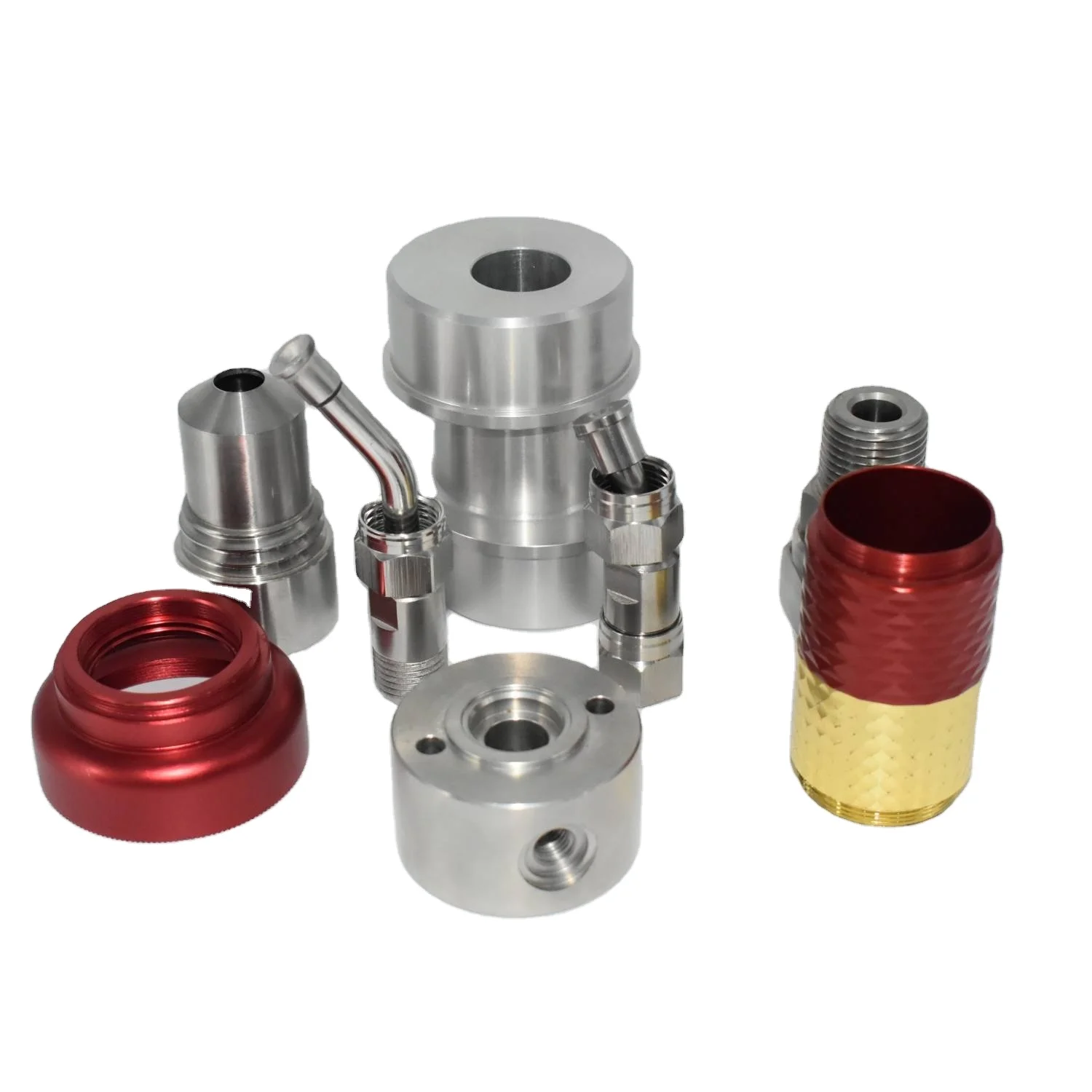
Additional machining materials include aluminum, brass, bronze, copper, hardened metals, precious metals, stainless steel and steel alloys. Identify the incoming form and condition for the selected item. Keep its material definition connected to the drawing and the compatible manufacturing route.
Choose operations around the drawing
Named services include broaching, drilling, etching or chemical machining, laser machining, milling, turning, wire EDM and rapid prototyping. Mark where the selected operation is required and the result it must produce. Define any prototype’s purpose and the characteristics that need approval before a production request.
Distinguish cast geometry from finished fit
Show locating references and mating relationships, identifying interfaces requiring final work. Put dimensional limits and measurement conditions alongside those interfaces. Separate areas accepted in the cast state from those assessed after the chosen machining operations.
Describe the required acceptance package
Provide quantity, the controlling drawing revision and the actual application. Specify surface requirements and the material or dimensional records needed for component approval. Record accepted changes to grade, geometry and supplied condition together so the manufacturing request remains aligned with the part’s working role and assembly relationships.