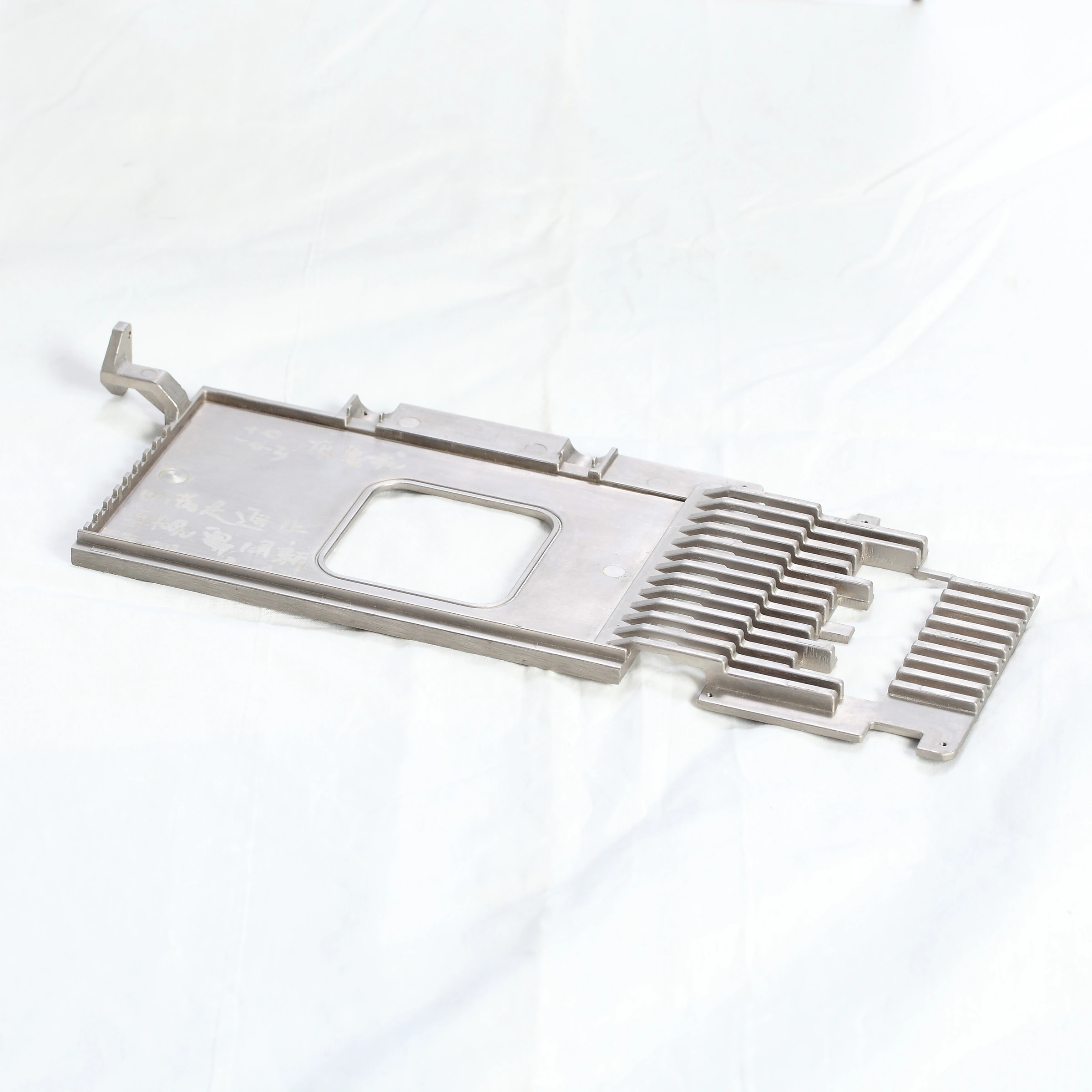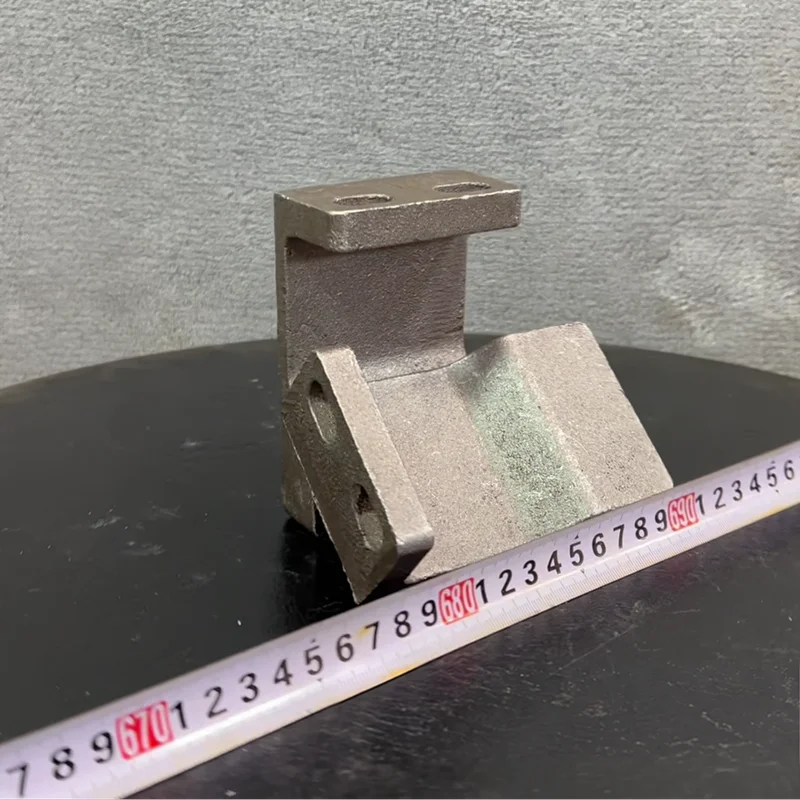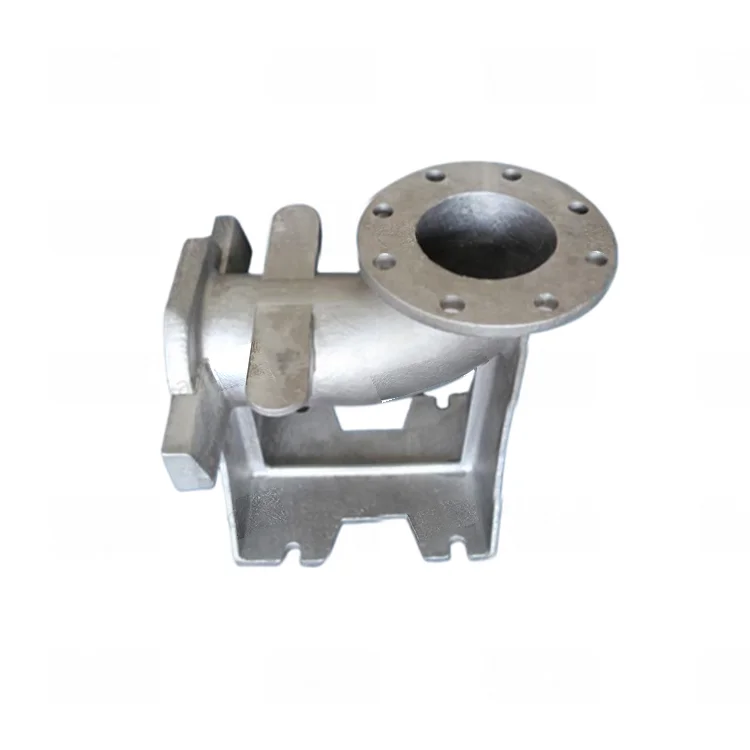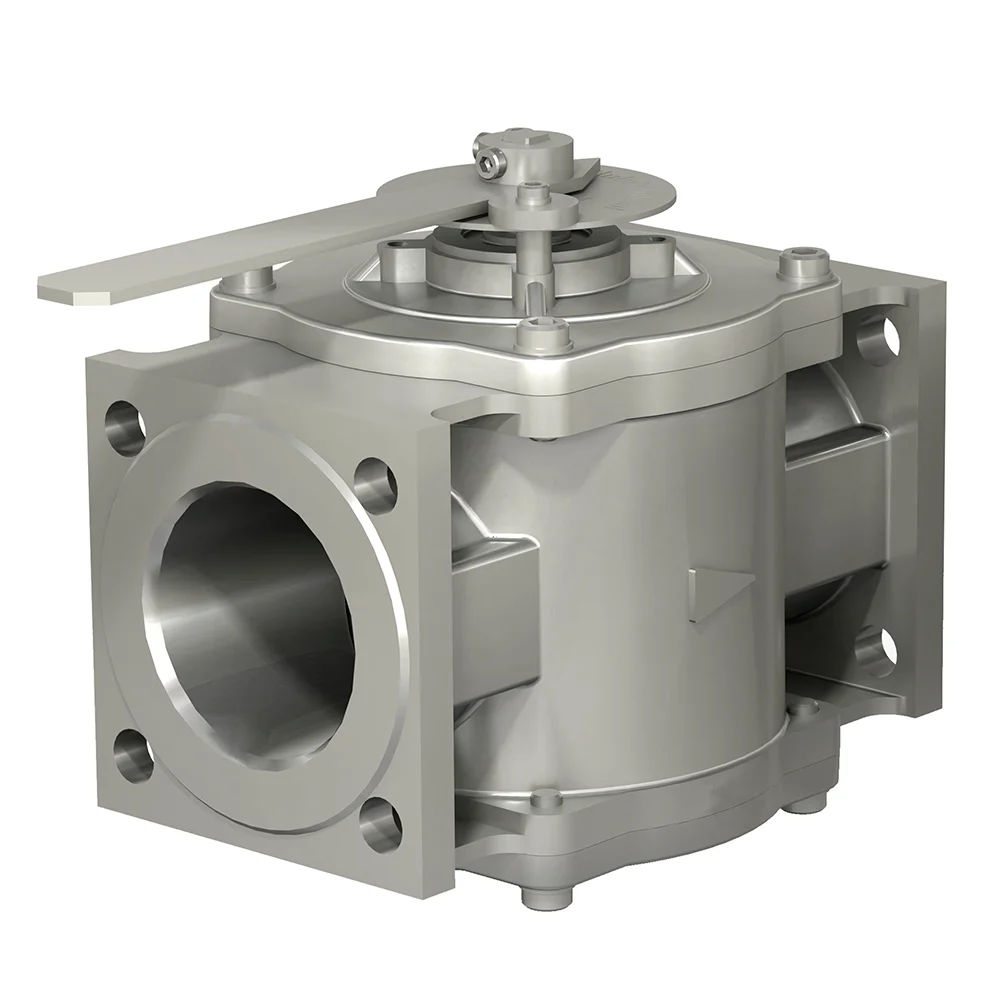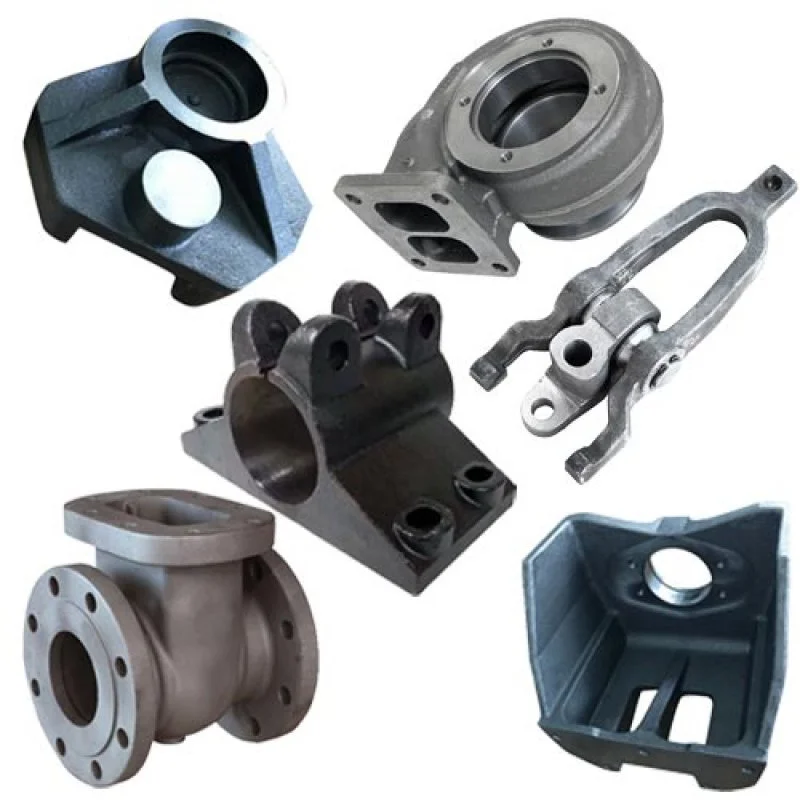
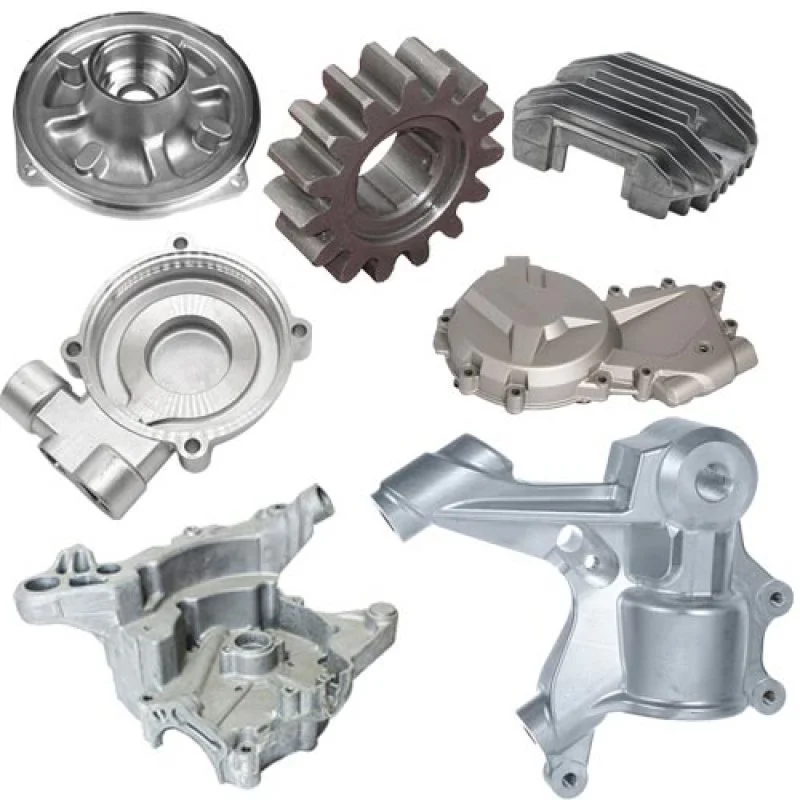
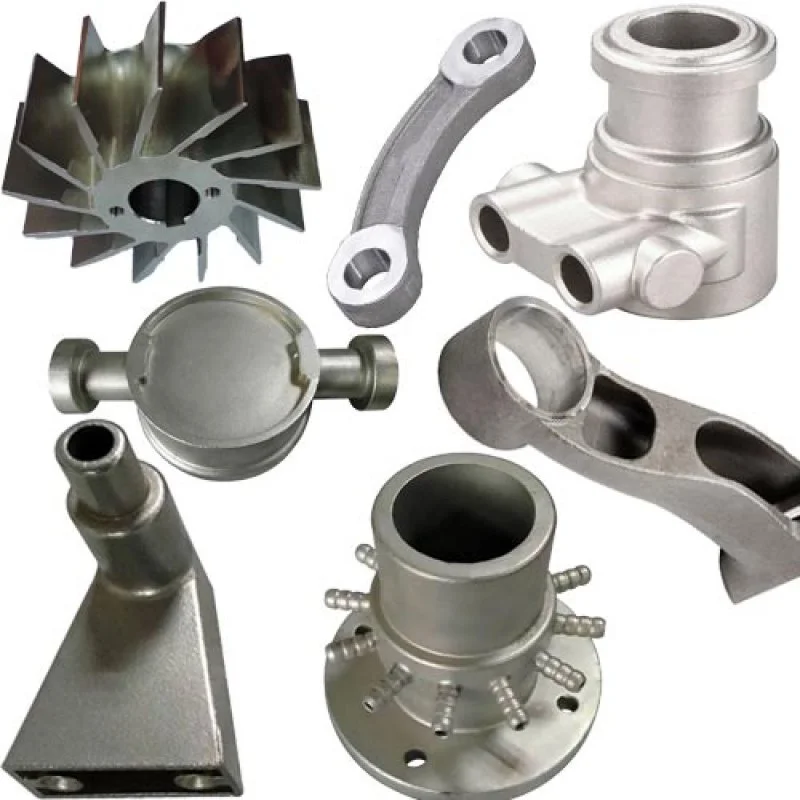
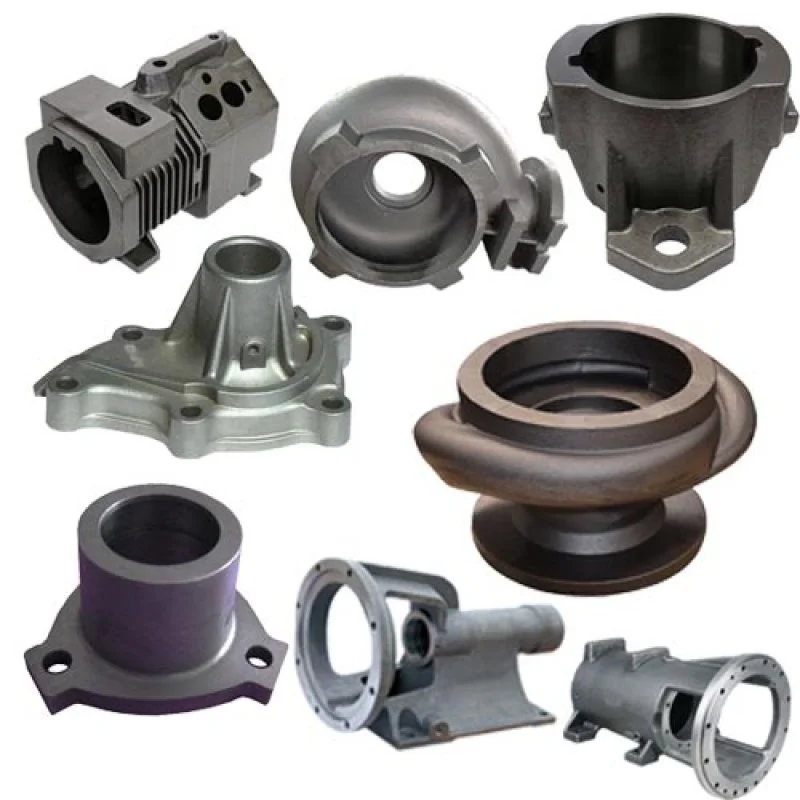
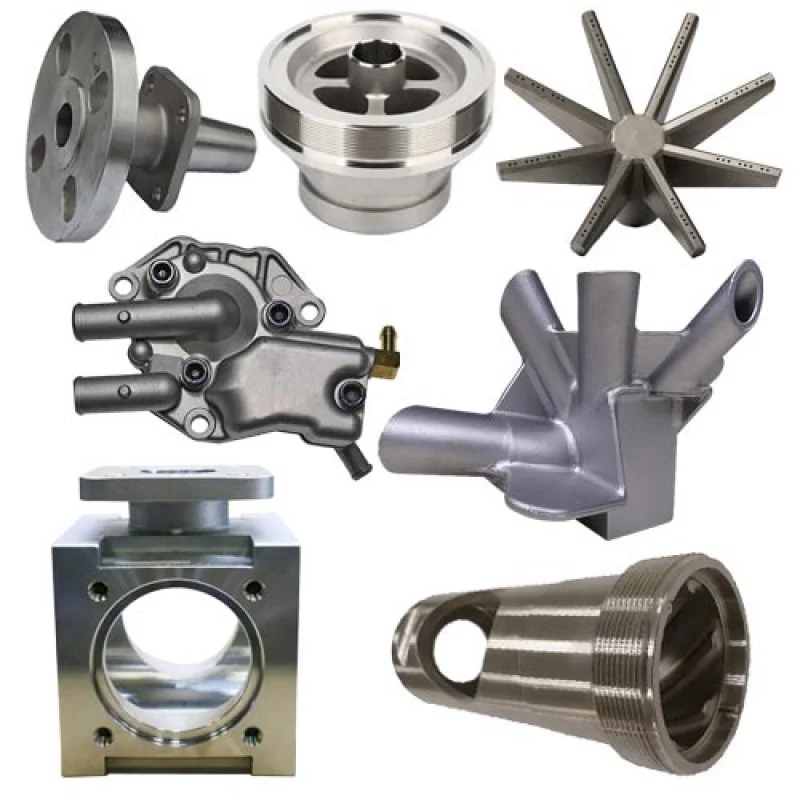
OEM ODM Ductile Grey Cast Iron Sand Casting Fabrication with Polishing for Automotive Agriculture Construction Industrial Parts
Direct factory support
Get a quote that fits your project
Send your drawing or product reference, material grade and required quantity. Relia will review the requirements with you.
- Drawing & specification review
Confirm the supply scope and critical requirements.
- Samples before custom production
Review inspected samples before approving a batch.
- Inspection documents
Agree material and dimensional records for your part.
-
MaterialCustomer's Requirements
-
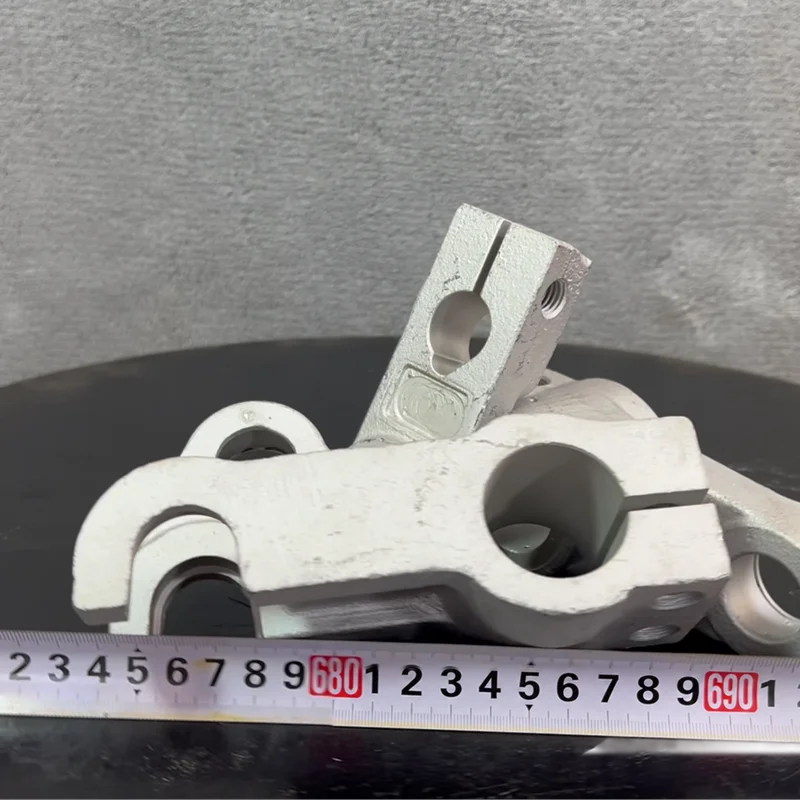
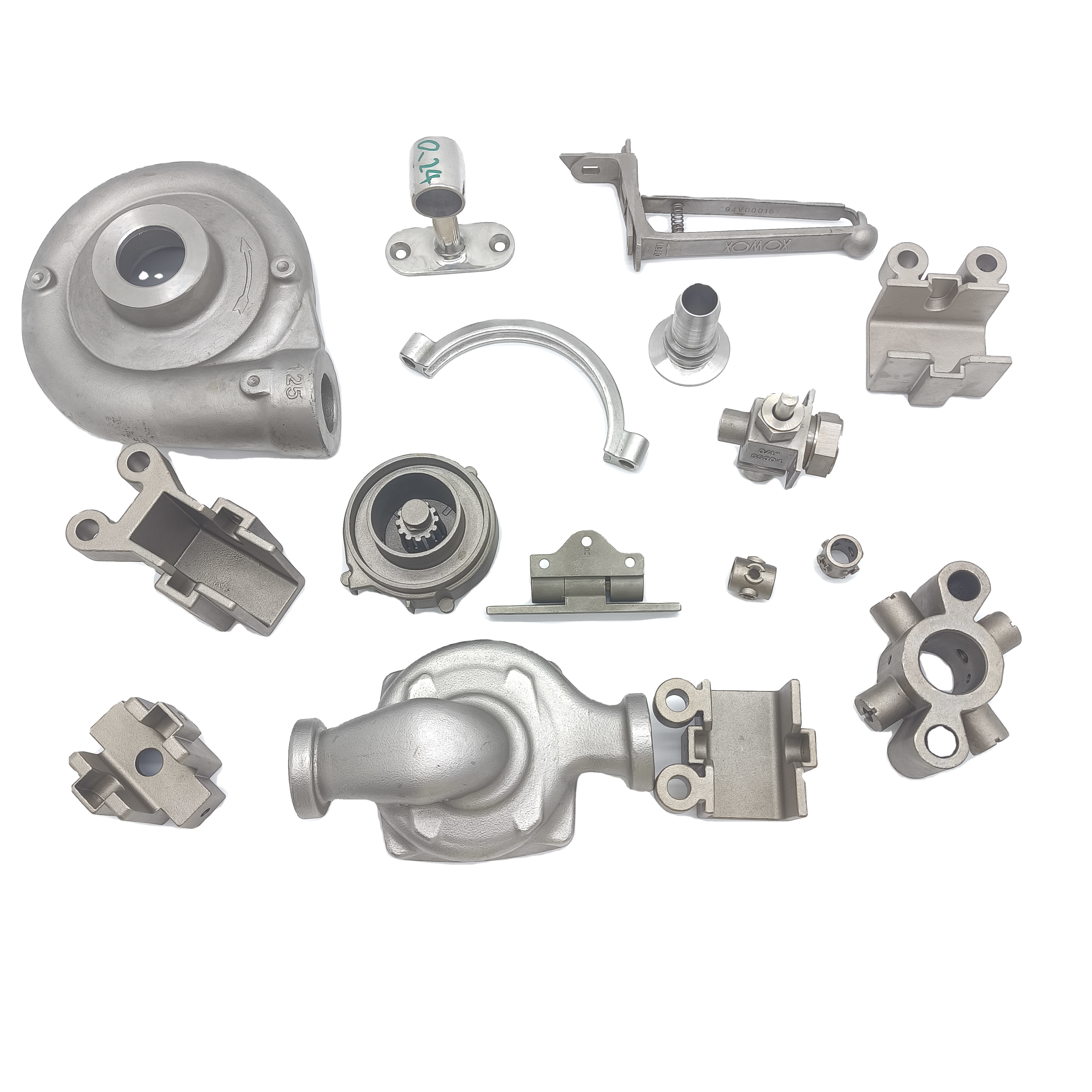
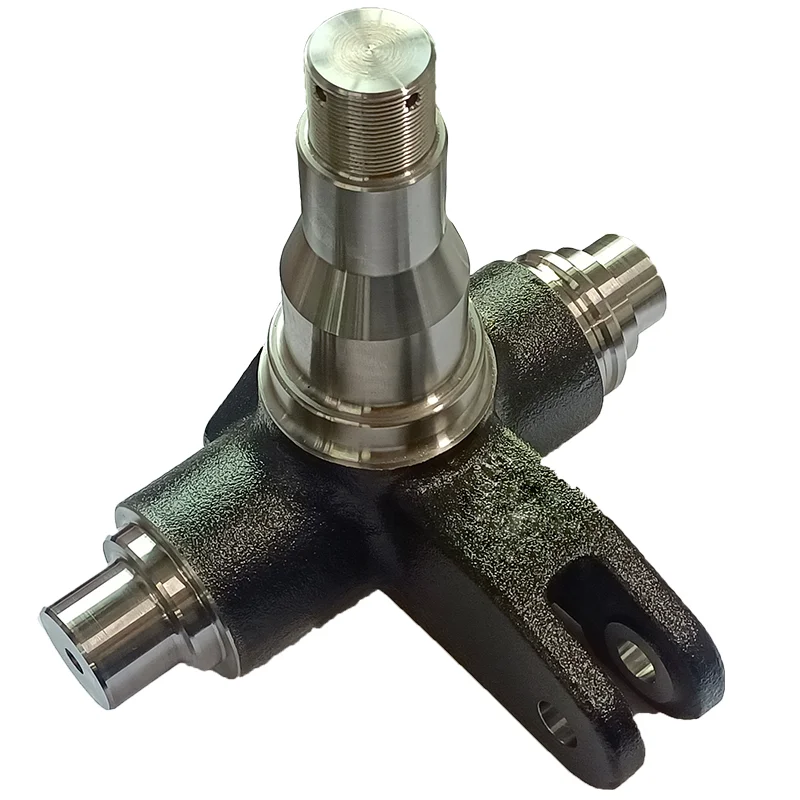
Applicationautomotive, agriculture, construction, industrial machineProduct nameCustom Casting Parts
-
Surface treatmentPolishingProcessCasting +Machining(if Need)+surface Treatment
-
StandardGB ASTM AISI DIN BSServiceOEM\ODM
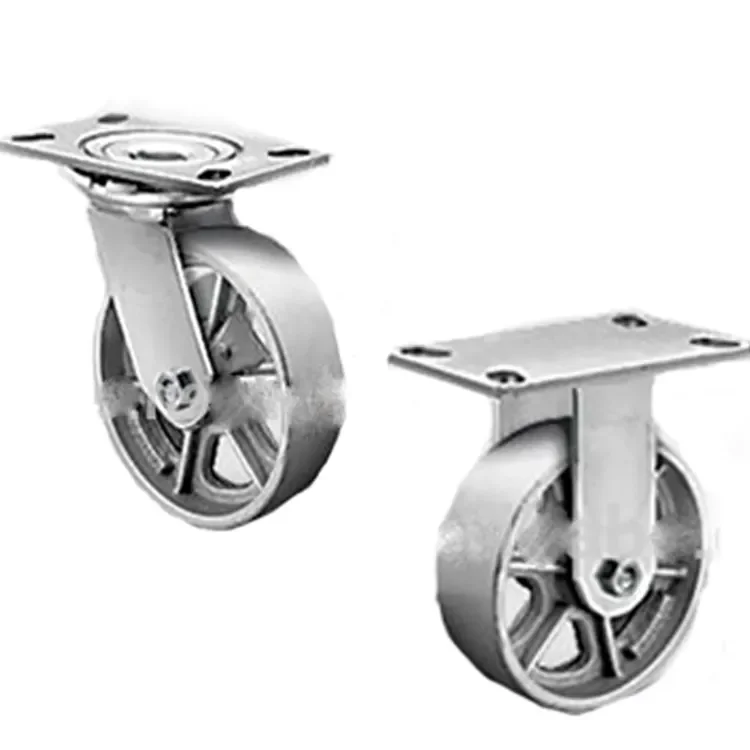
Ductile- and gray-iron sand-casting fabrication enquiries are available for automotive, agricultural, construction and industrial-machinery components. OEM/ODM work follows the customer’s material requirement. Define the complete grade and component drawing for the part being purchased.
Explain the component’s work in the assembly
Show how the casting mounts, locates or contacts adjacent parts. Describe the operating loads and environment relevant to its design. Identify the dimensions that determine fit and the relationships that need to be assessed together at acceptance.
Select the governing material requirement
Applicable specification families include GB, ASTM, AISI, DIN and BS. Name the particular document and edition required by the drawing. State the selected material condition and any records needed to approve it, keeping the requirement specific to the actual iron component.
- Mark cast-state and finished-interface boundaries.
- Define any machining needed after casting.
- Identify polished areas and their required result.
- State the dimensional and surface checks for approval.
Give the fabrication order a clear supplied state
Include quantity, the controlled revision and the final condition expected by the assembly operation. Where a sample is used, explain whether it represents geometry, material or surface appearance. Include the material and surface records needed for that decision. Keep the approval criteria connected to those characteristics throughout production acceptance. The resulting brief should describe the actual casting and requested work needed for its intended equipment role.