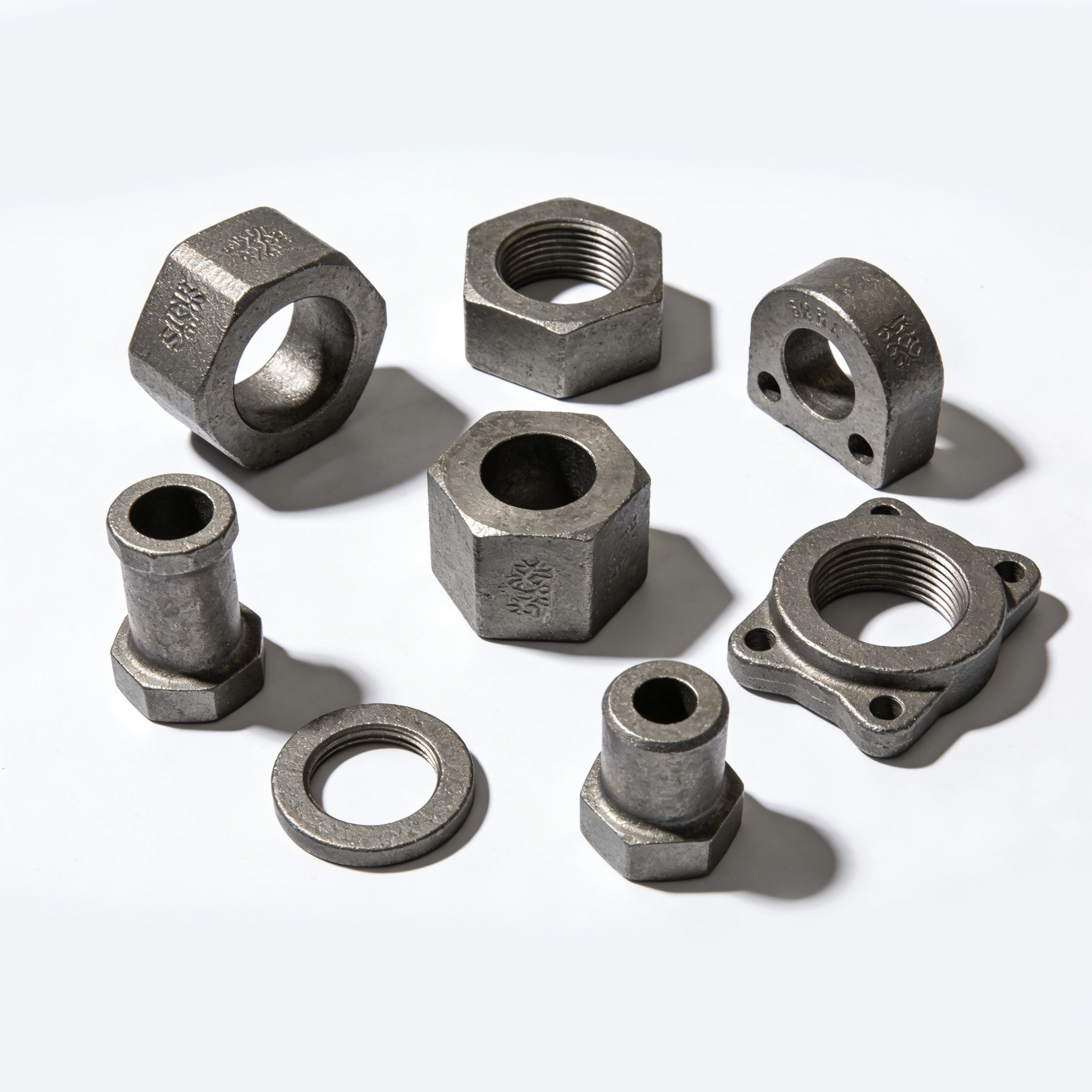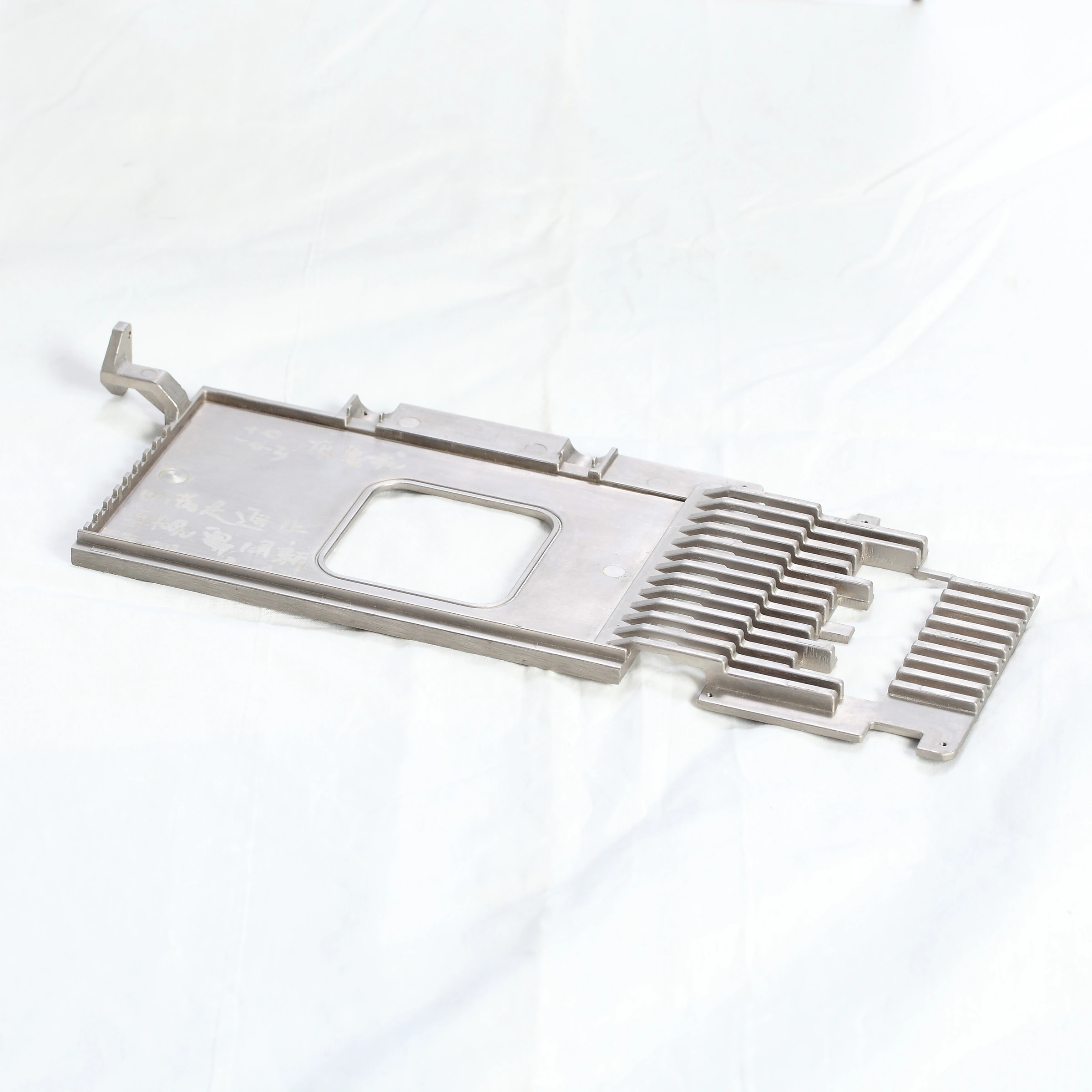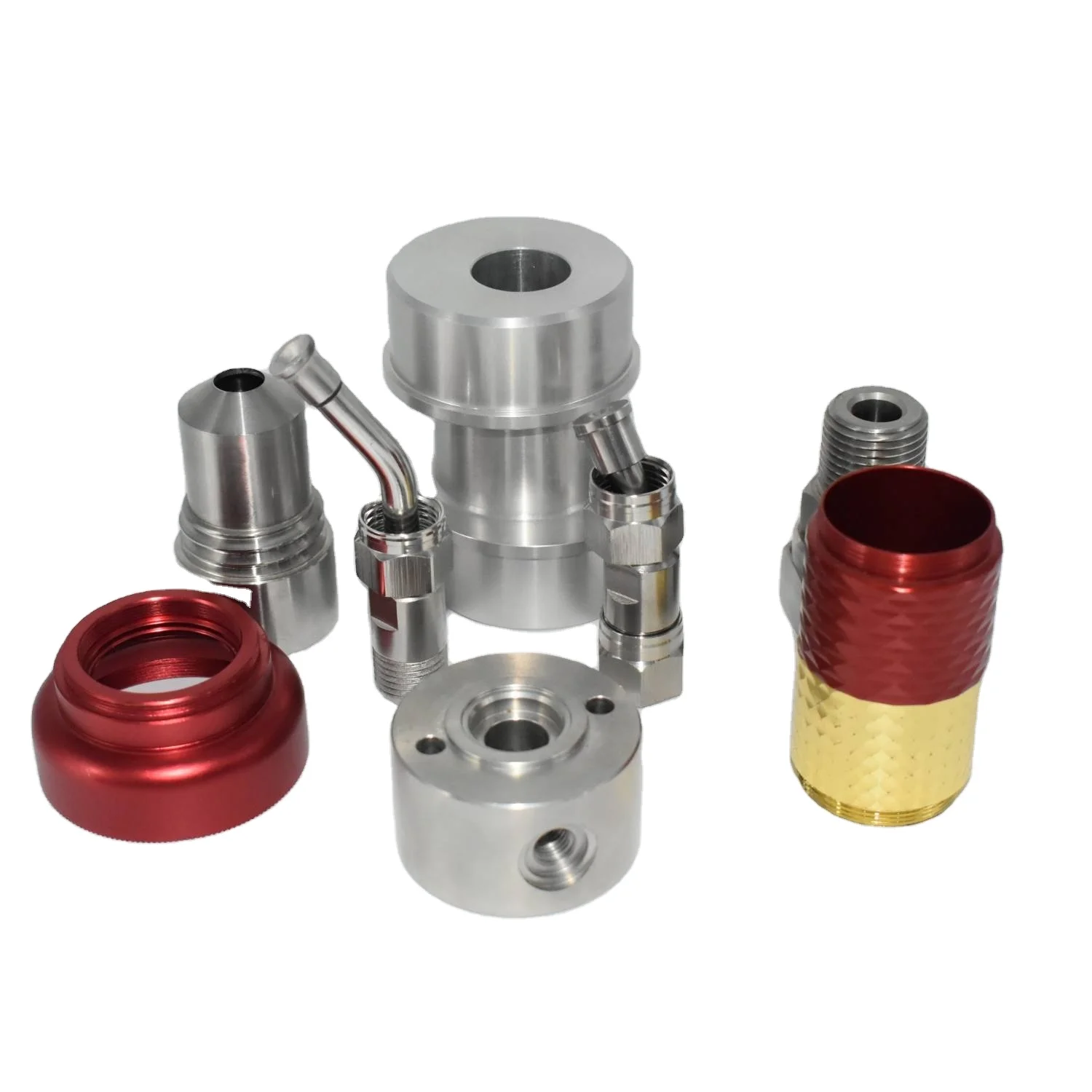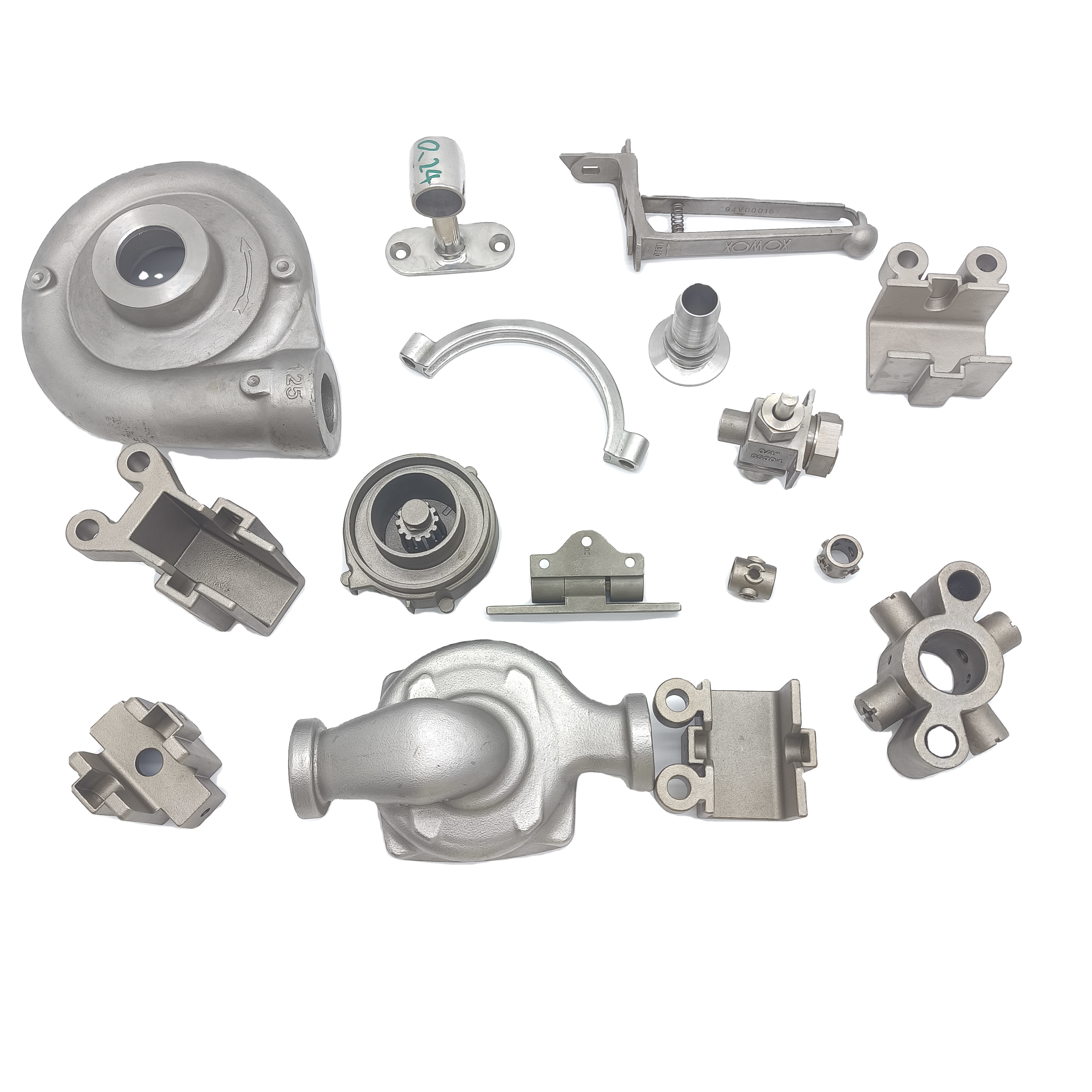
OEM ODM Heavy Duty Aluminum Sand Cast Parts with Custom Color Anodizing CNC Micro Machining and Separate Metal Services
Direct factory support
Get a quote that fits your project
Send your drawing or product reference, material grade and required quantity. Relia will review the requirements with you.
- Drawing & specification review
Confirm the supply scope and critical requirements.
- Samples before custom production
Review inspected samples before approving a batch.
- Inspection documents
Agree material and dimensional records for your part.
-
CNC Machining or NotCNC MachiningTypeBroaching, Drilling, Etching / Chemical Machining, Laser Machining, Milling, Other Machining Services, Turning, Wire EDM, Rapid Prototyping
-
Material CapabilitiesAluminum, Brass, Bronze, Copper, Hardened Metals, Precious Metals, Stainless Steel, Steel AlloysMicro Machining or NotMicro Machining
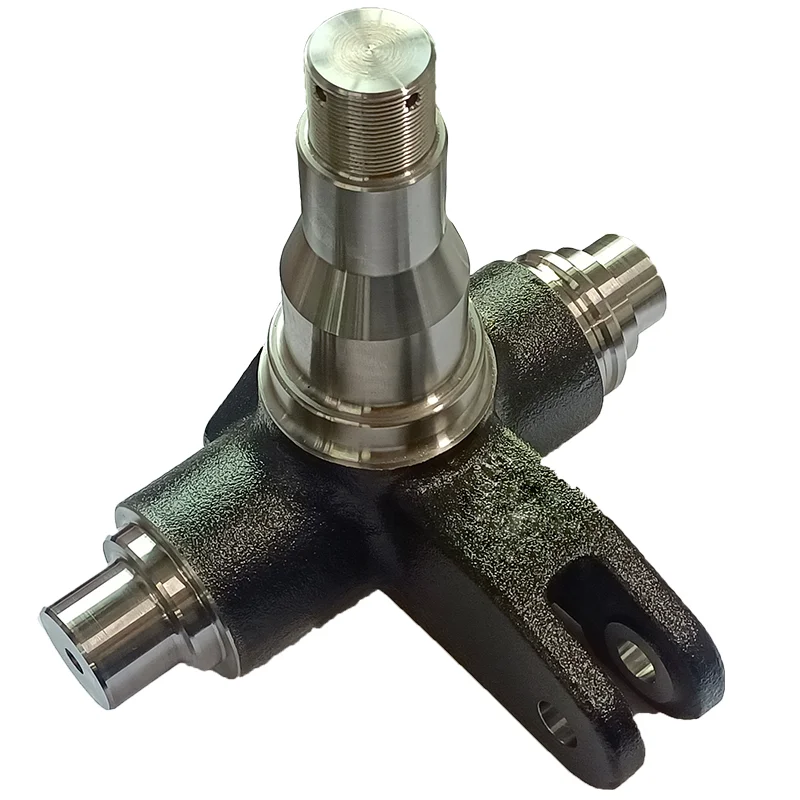
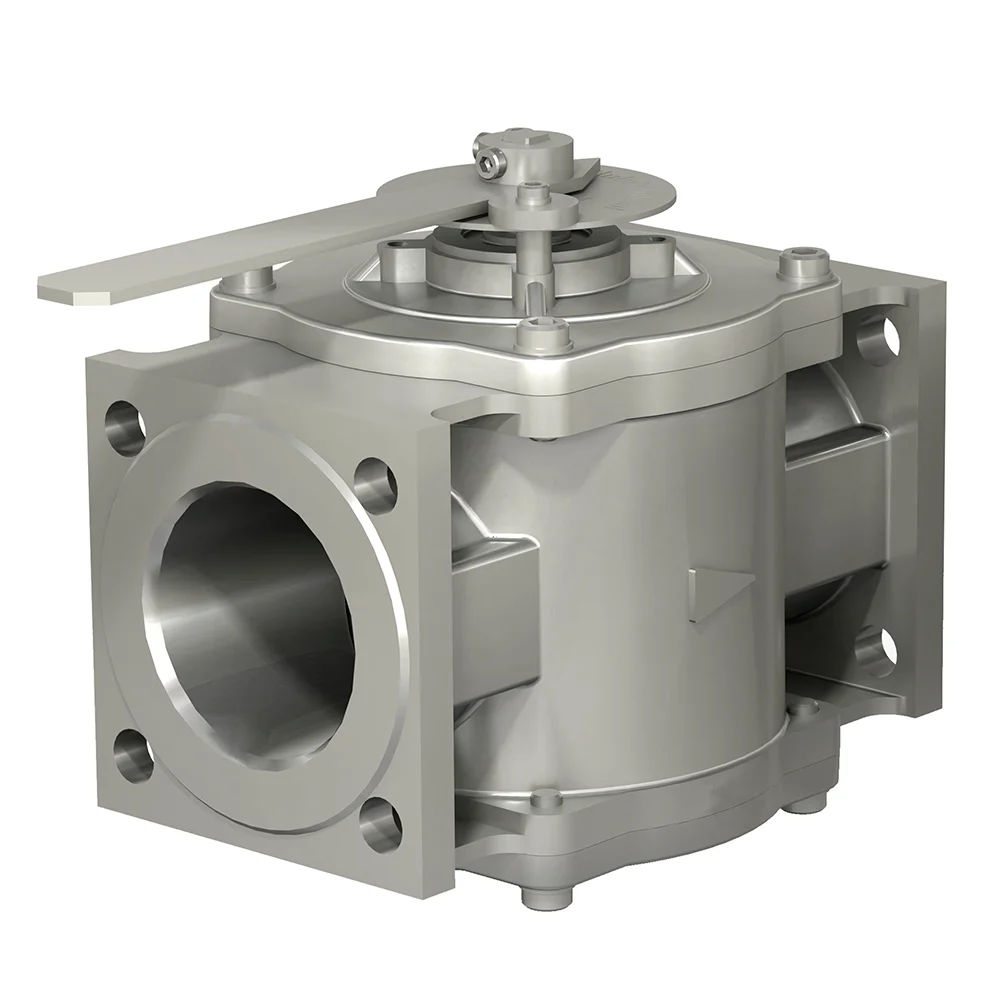
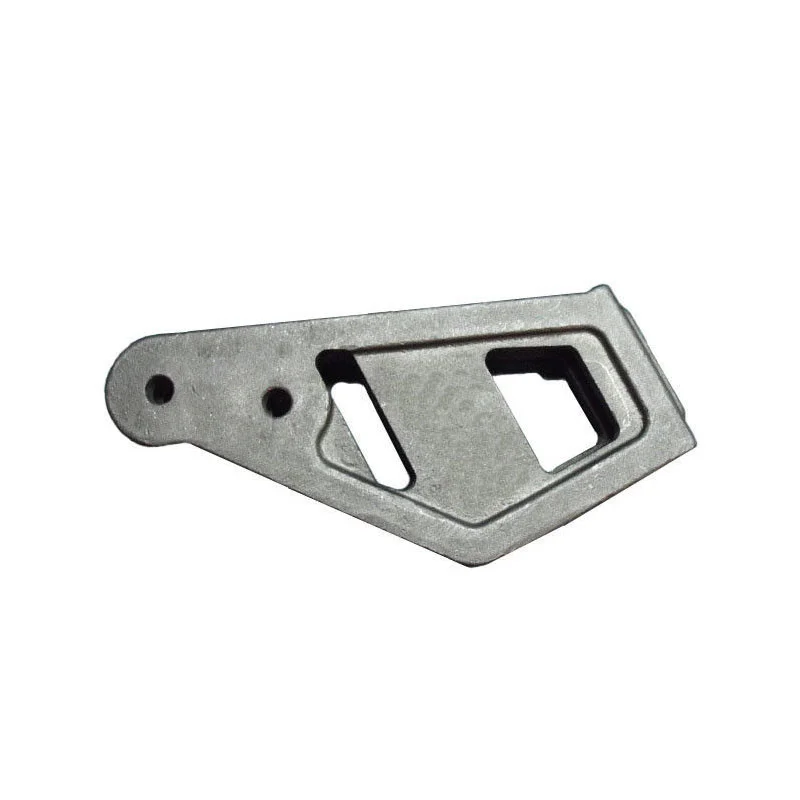
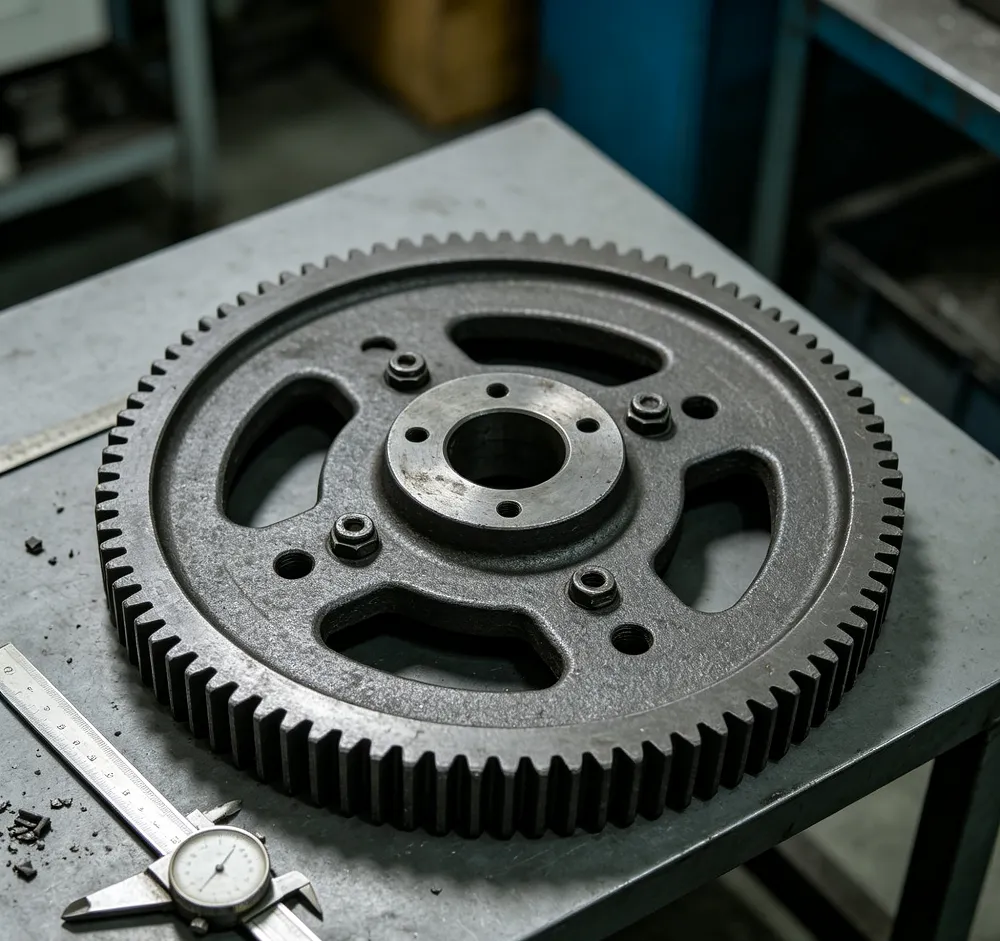
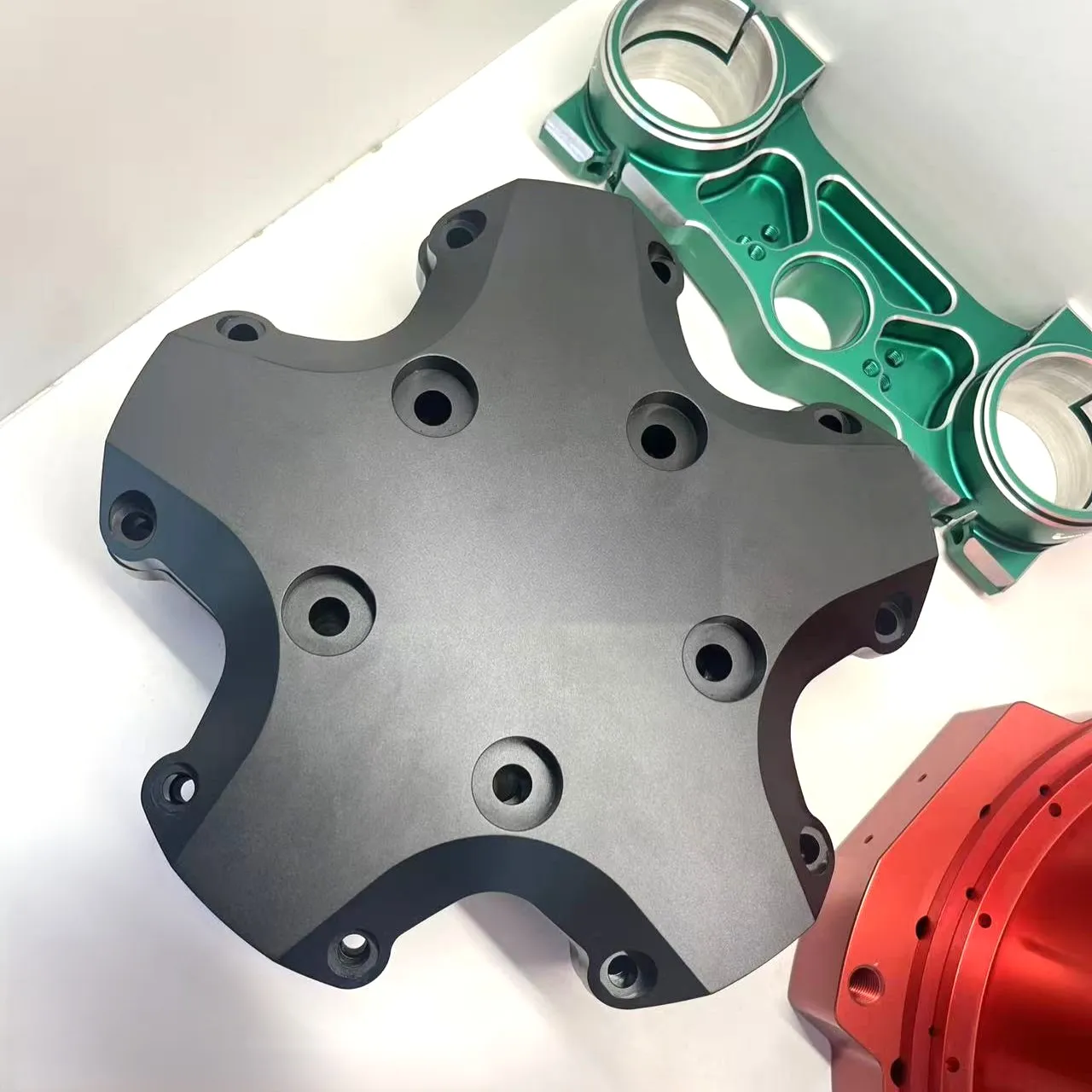
Heavy-duty aluminum sand-cast components can be requested for OEM/ODM supply with anodizing in a selected color. CNC and micro-machining are available for the actual drawing. Specify the complete alloy and required material condition around the component loads and intended working duty.
Define the loaded component geometry
Show wall sections, mounting and mating relationships with adjoining equipment. Mark locating references and dimensional limits for the interfaces governing installation or operation. Establish the actual load case and acceptance requirements for the selected heavy-duty design.
Choose the machining operation and material
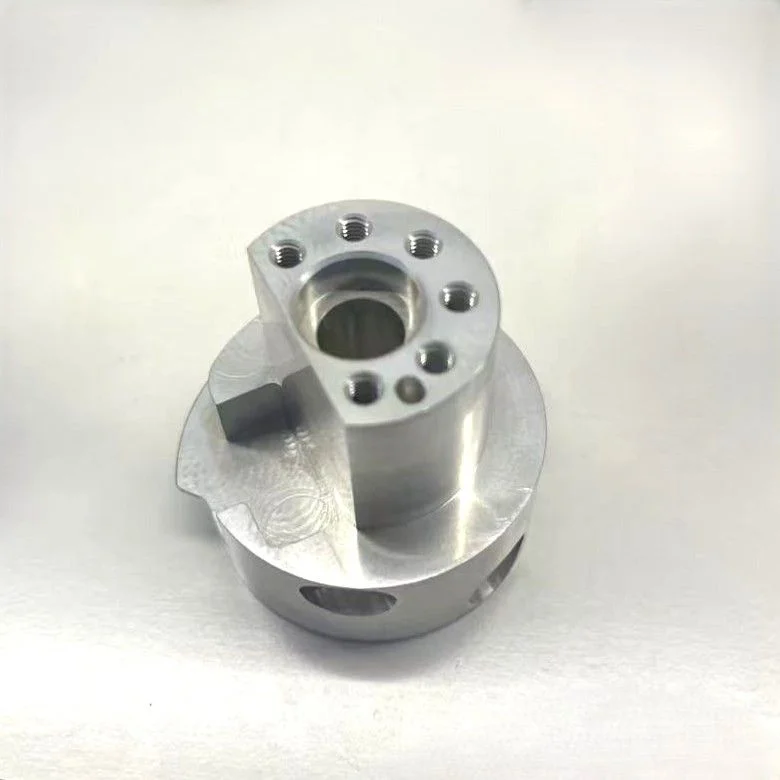
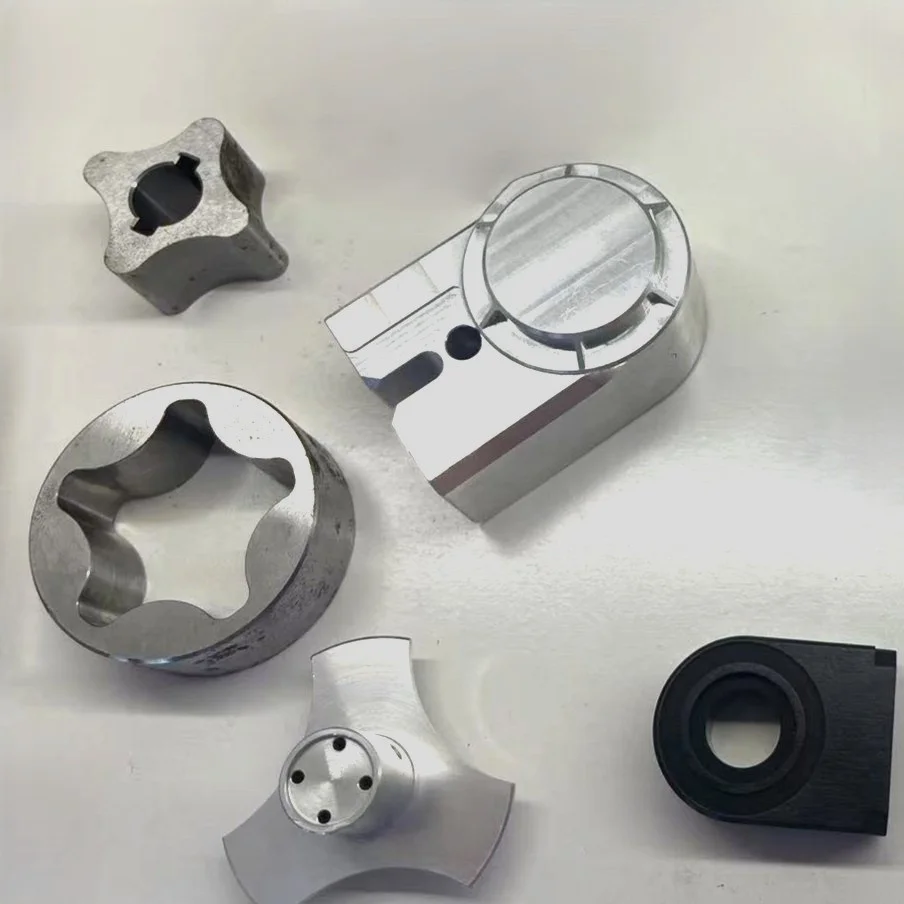
Services include broaching, drilling, etching/chemical machining, laser machining, milling, turning, wire EDM and rapid prototyping. Material capability also includes brass, bronze, copper, hardened metals, precious metals, stainless steel and steel alloys. Specify each separate item’s grade, incoming form and compatible operation.
Set anodized appearance and final interfaces
Identify the aluminum surfaces receiving anodizing and the required color result. Define coverage, appearance criteria and contact conditions where treatment affects fit. Keep cast-state areas distinct from interfaces requiring final CNC work and their measurement conditions.
- State the casting or separate component’s quantity and controlling revision.
- Identify material, dimensional and surface approval records.
- Specify inspection coverage required for the actual load and interface brief.
- Explain what a prototype or initial component must demonstrate.
Retain accepted alloy, load-case and anodizing decisions within the component definition used for repeat production.