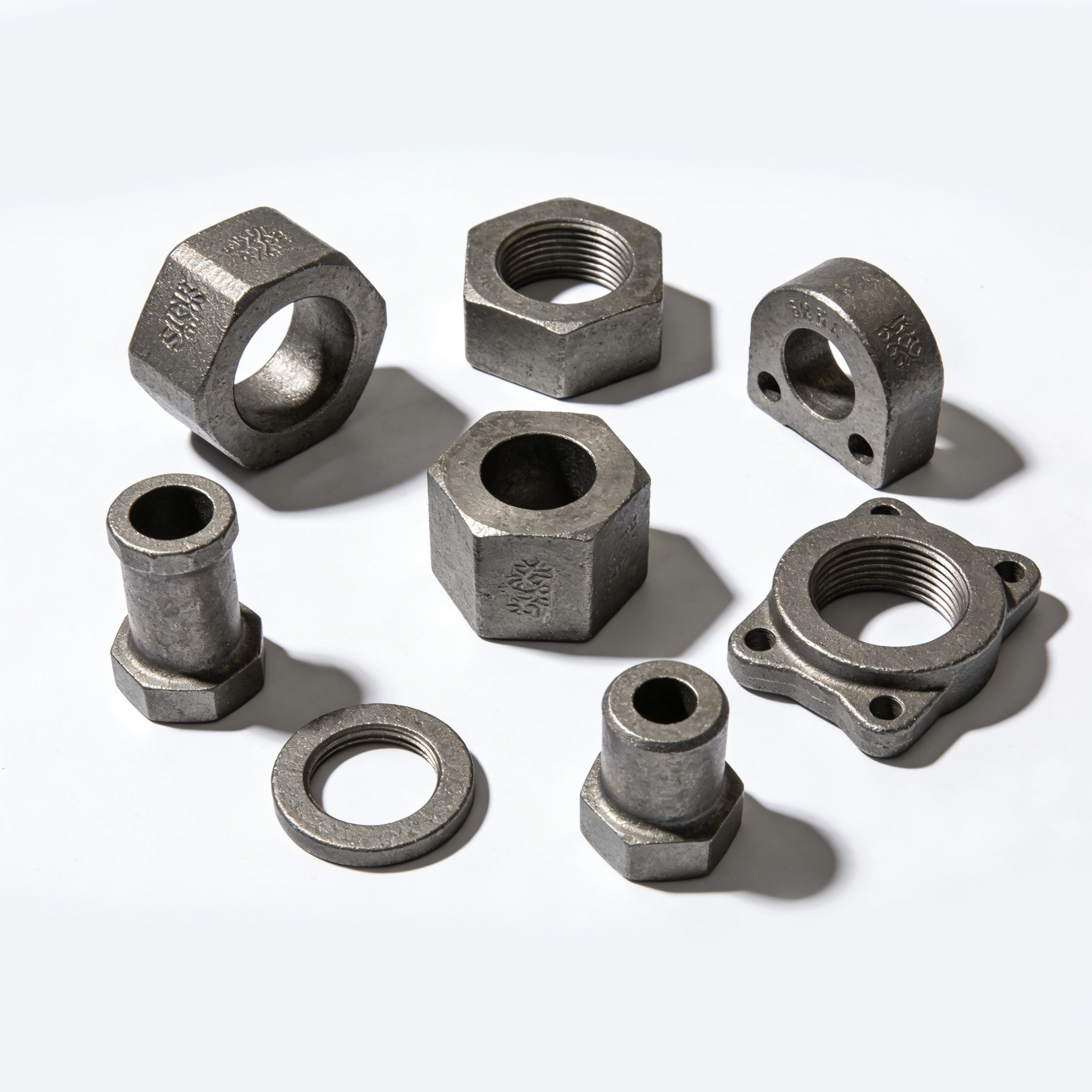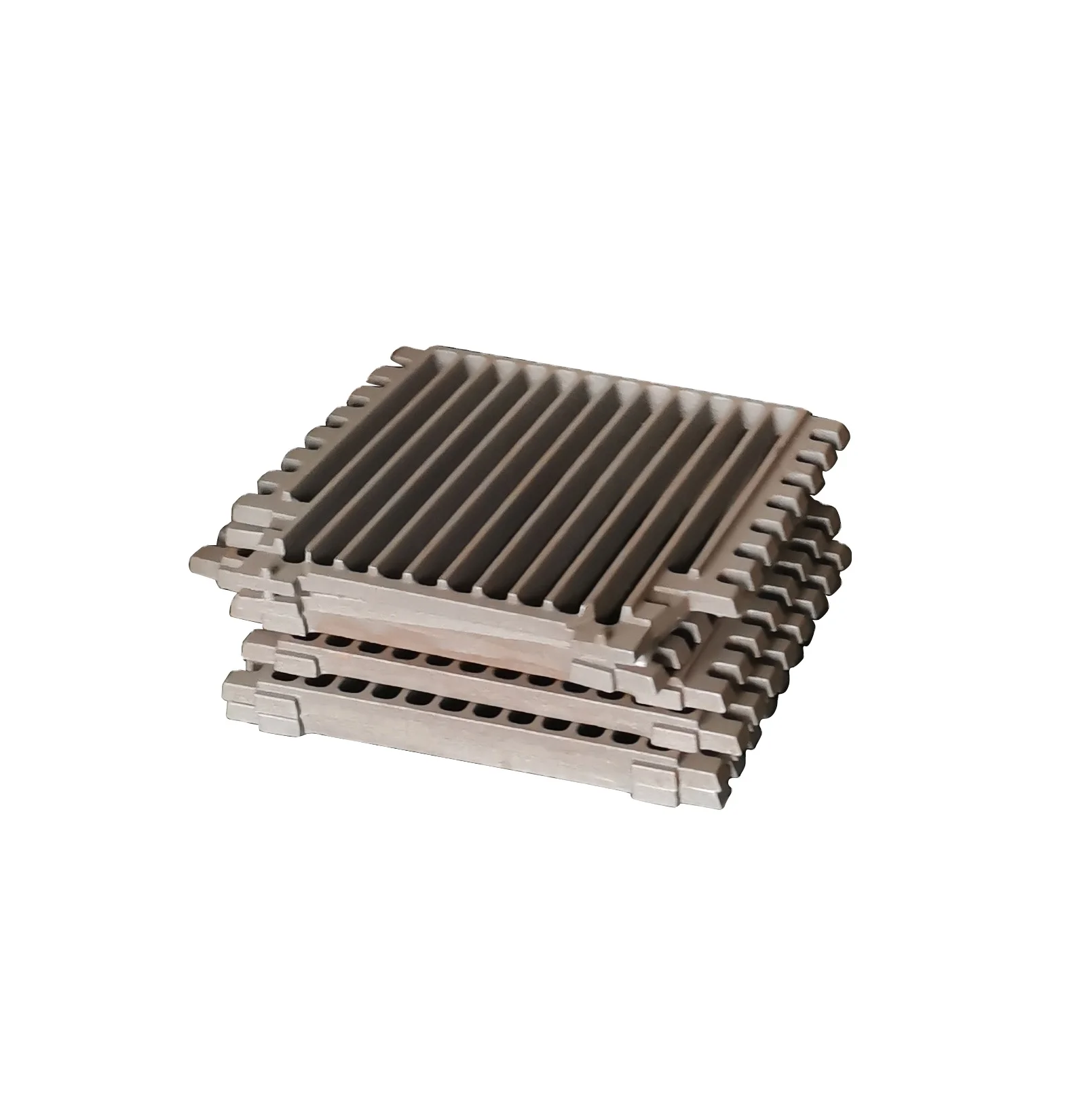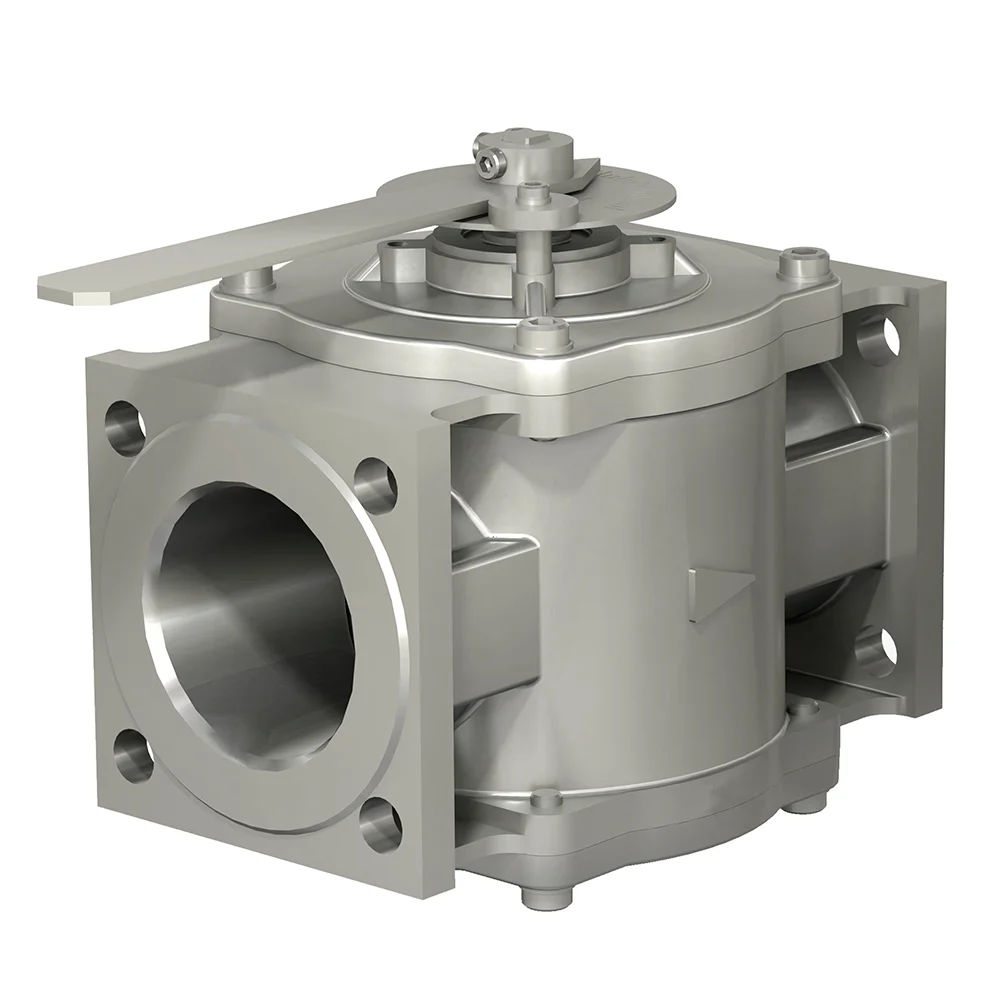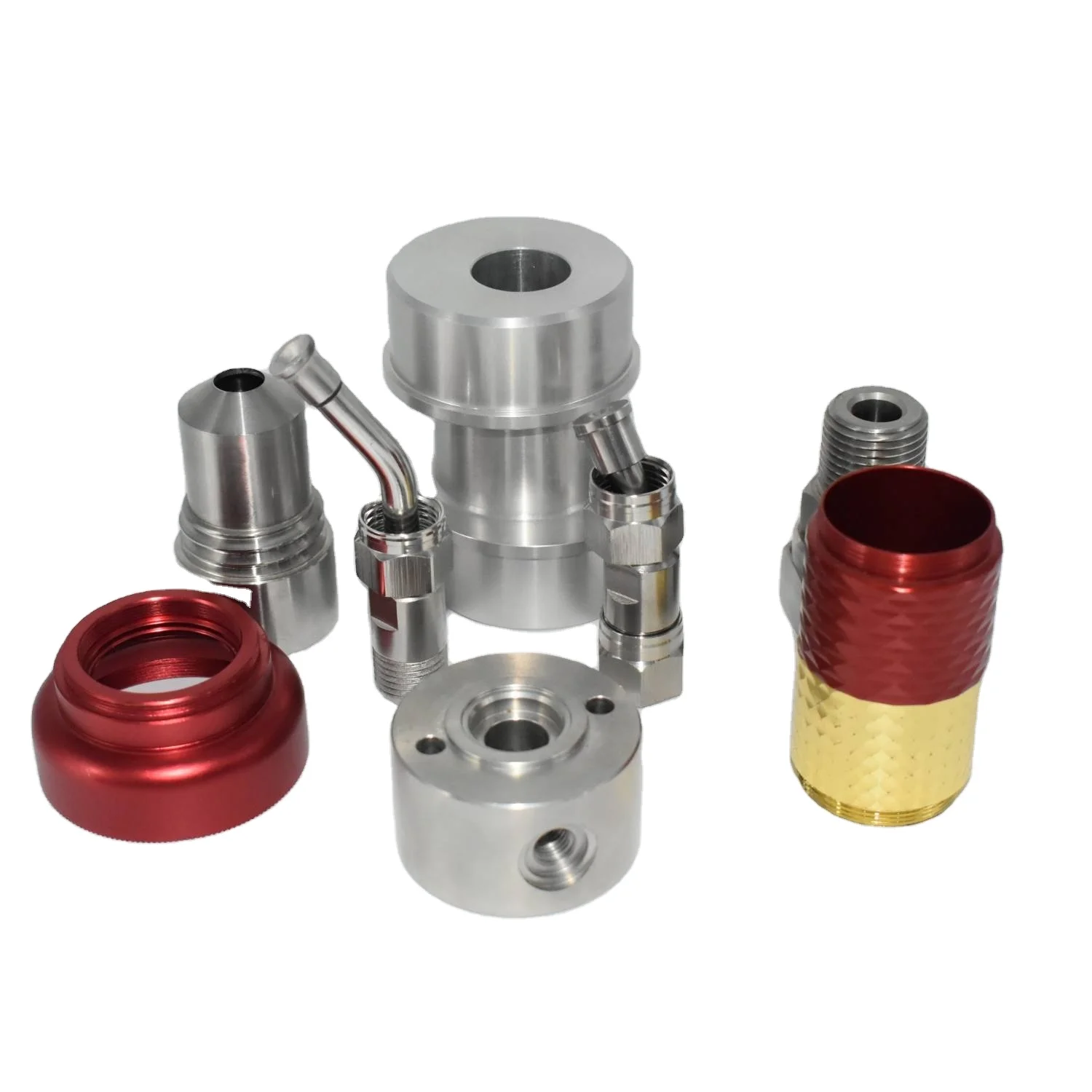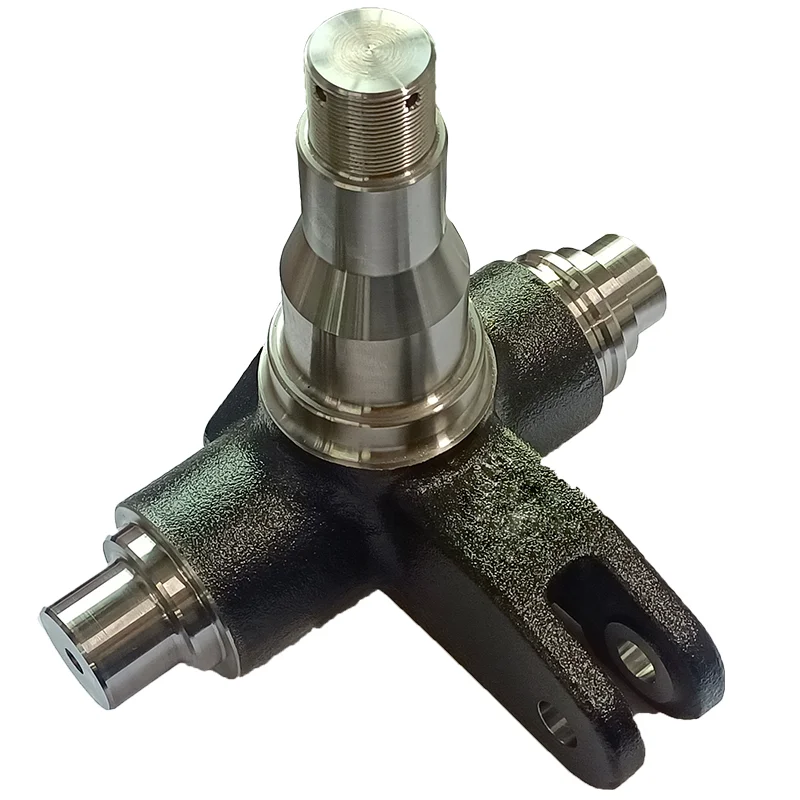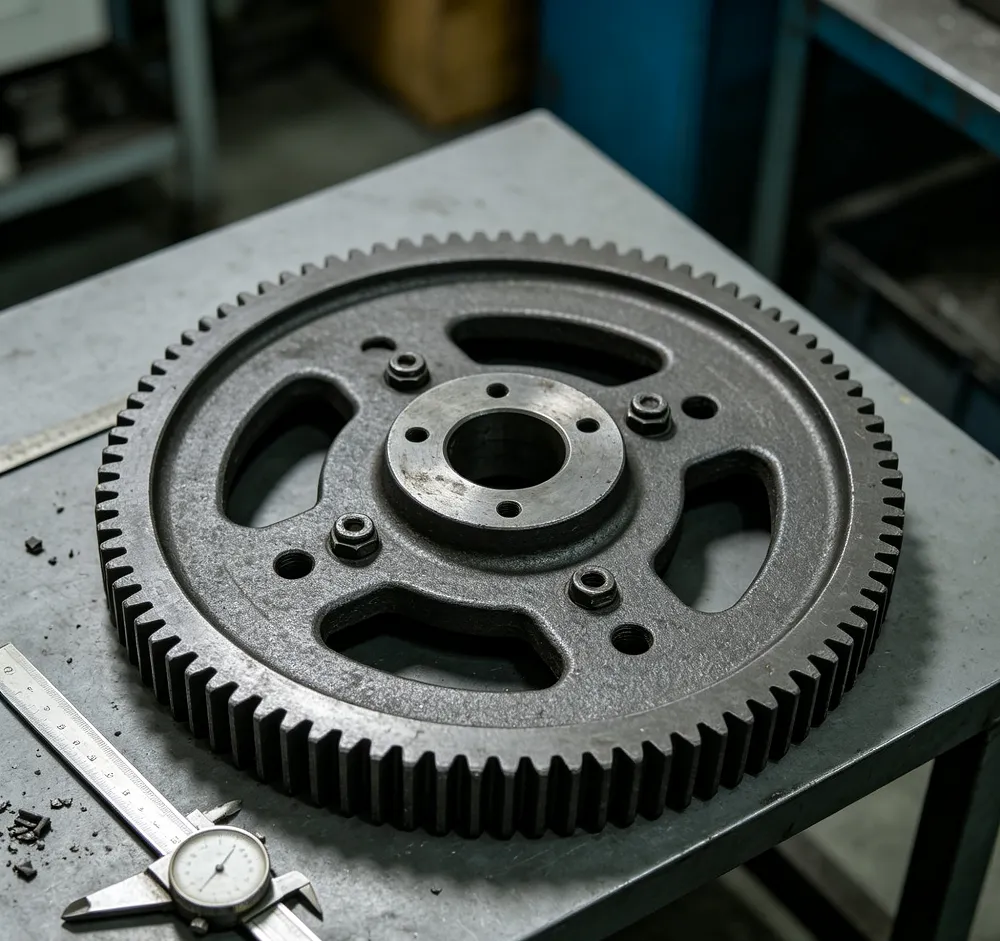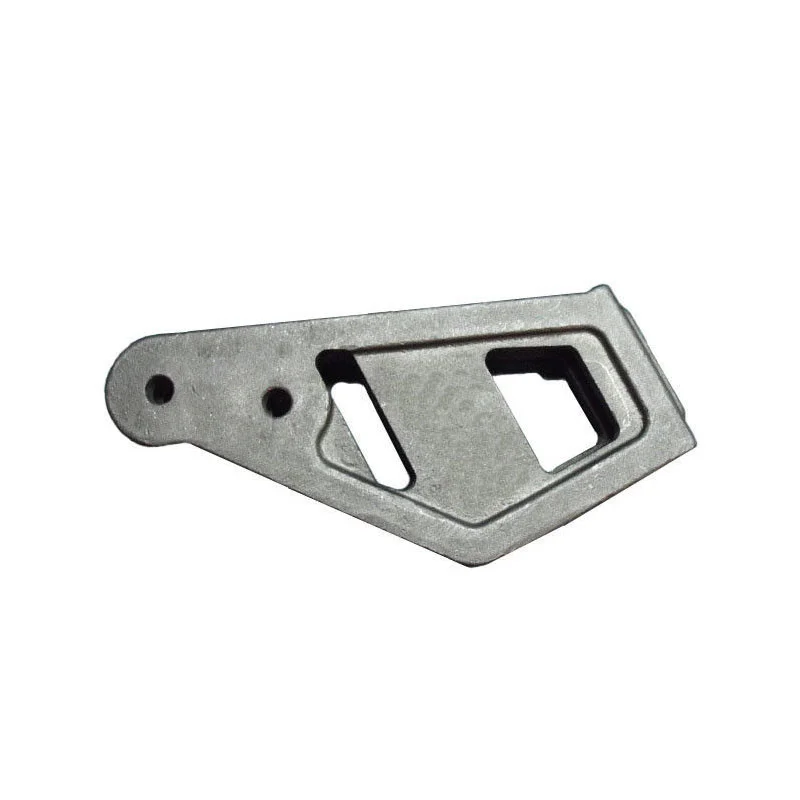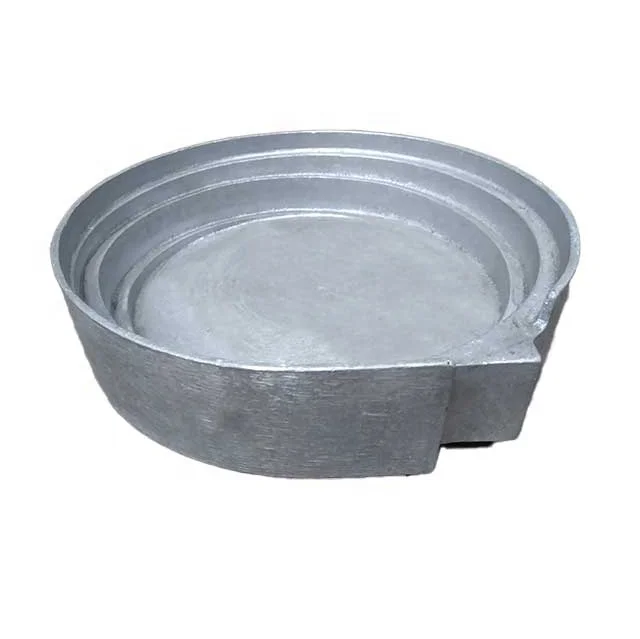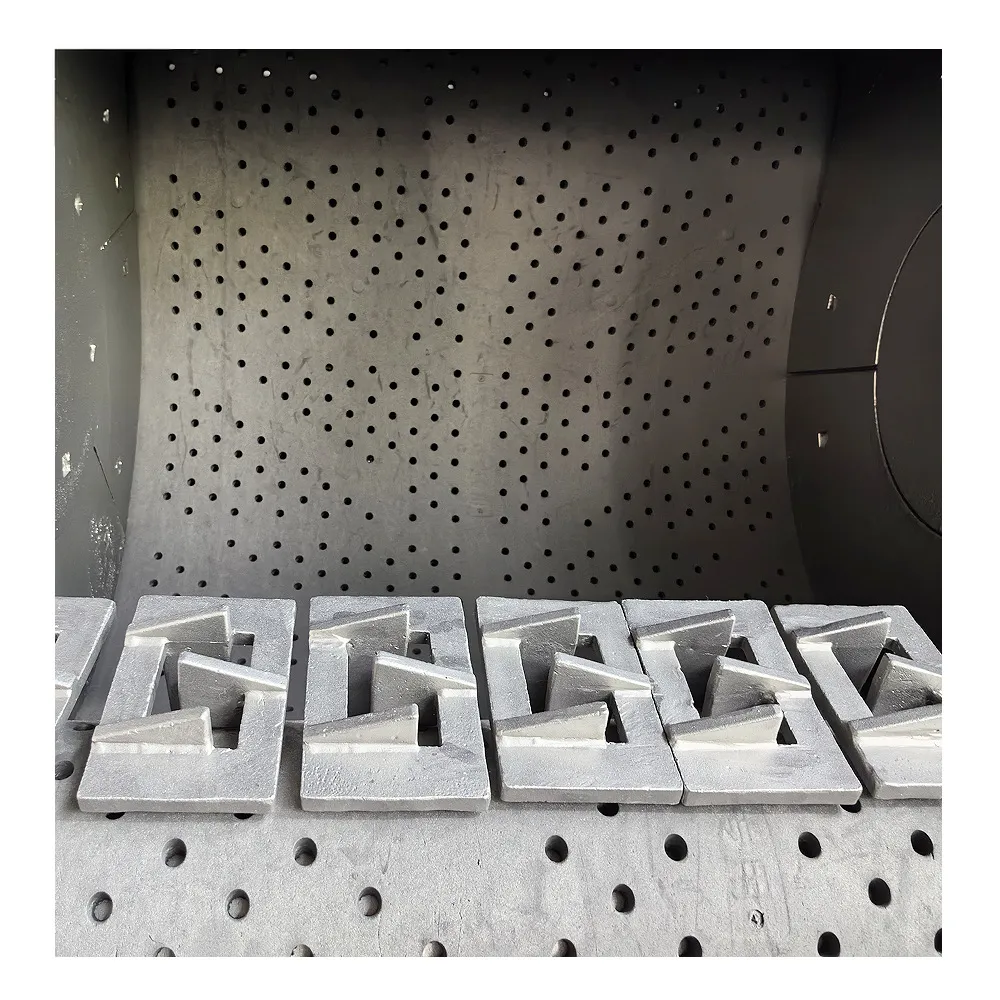
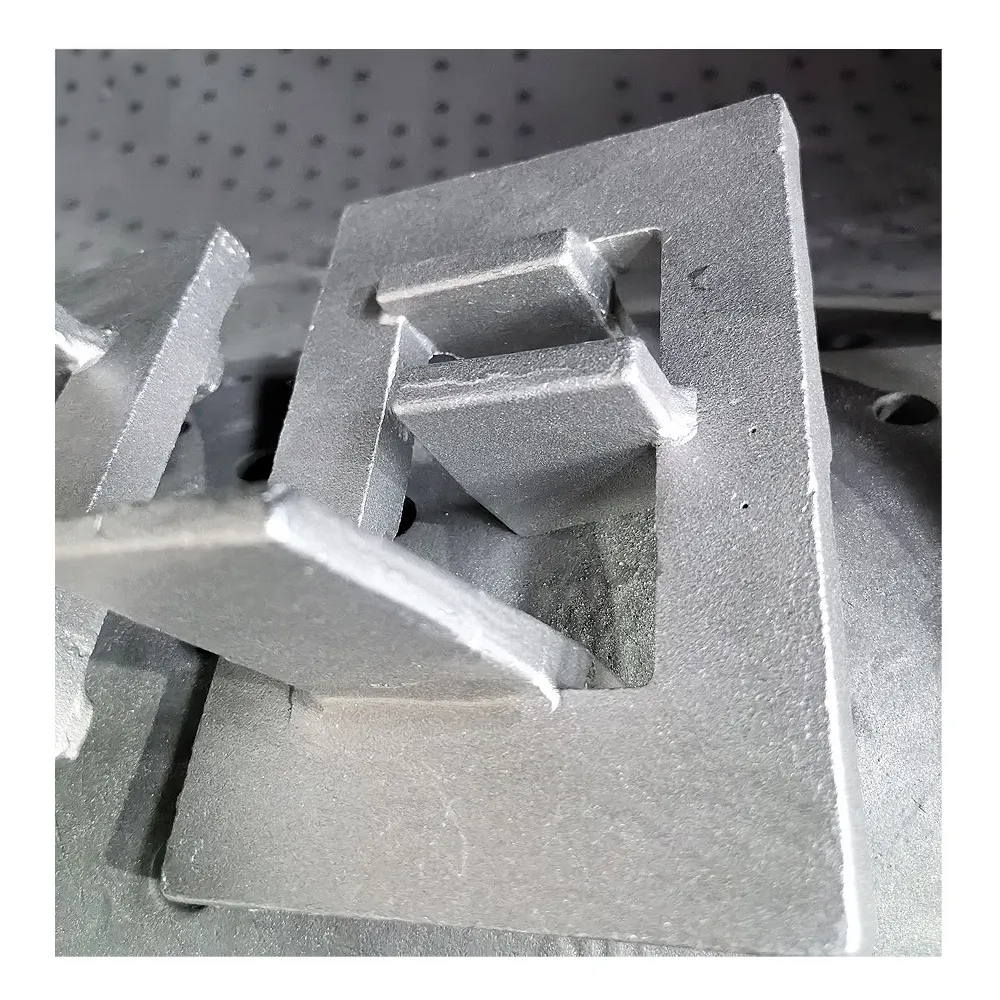
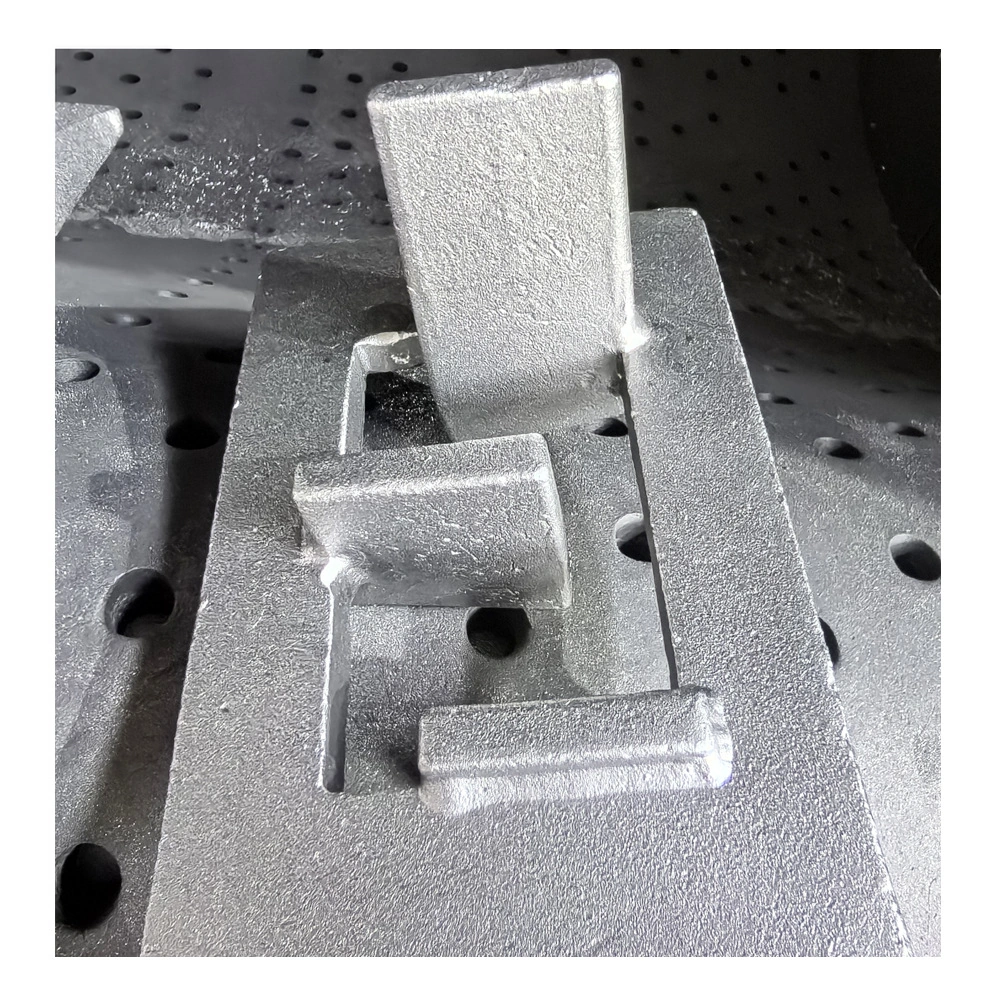
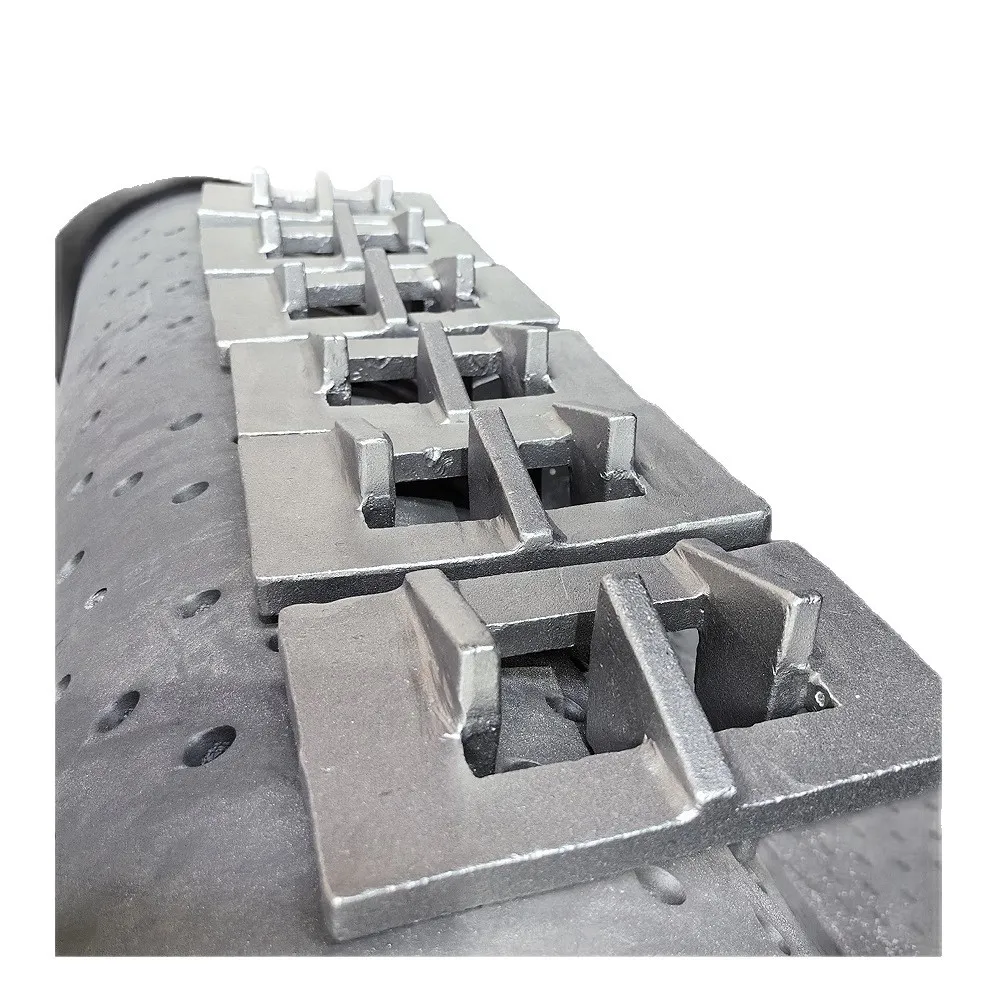
Relia Industrial Aluminum Sand-Casting Parts — Shell Casting, Clay Wet-Sand Mould and Gravity-Casting Enquiries
Direct factory support
Get a quote that fits your project
Send your drawing or product reference, material grade and required quantity. Relia will review the requirements with you.
- Drawing & specification review
Confirm the supply scope and critical requirements.
- Samples before custom production
Review inspected samples before approving a batch.
- Inspection documents
Agree material and dimensional records for your part.
-
ToleranceContact Customer ServicePrototype cycle16 days and above
-
Annual remaining processing capacity10000Part NumberRelia
-
Processing cycle16 days and aboveMaximum annual processing capacity10000
-
Special casting typesShell castingTypes of sand castingClay wet sand mold
-
Molding processSand castingbrandRelia
Relia industrial aluminum casting enquiries can be developed around a defined part and selected molding route. Sand casting, shell casting, clay wet-sand moulding and gravity-casting requests are named scope. Provide the component geometry and aluminum grade so the quotation can identify the actual route proposed for the order.
Choose the process for the component being purchased
Describe the shape, important interfaces and required delivered condition. Discuss the shell-casting, clay wet-sand or gravity-casting requirement against that design rather than presenting every process term as one compulsory sequence. The chosen method should be identified in the quotation alongside the material and acceptance requirements.
Put tolerance requirements on the controlled drawing
The tolerance enquiry is handled through discussion of the requested part. Mark the dimensions that affect assembly or function and state the limits required by the design. This gives the technical review a measurable basis and allows any proposed changes to be considered against the same drawing revision.
- Identify the aluminum component and required alloy grade.
- Provide the drawing revision and critical dimensions.
- State prototype quantity and the intended production requirement.
- Describe the required supply condition and inspection criteria.
Separate prototype planning from production planning
Explain what the prototype must demonstrate and which requirements will carry into production. Tooling, part quantity and the selected process should be included in that planning discussion. Use the quotation to establish the schedule and capacity basis for the actual component and order scope.
Agree a clear delivered-part description
Identify the cast part, its dimensions and the surface condition required on receipt. Where additional work is requested, describe it explicitly so the quotation can address it. A component-specific supply description keeps material, process, dimensional acceptance and purchasing requirements aligned.