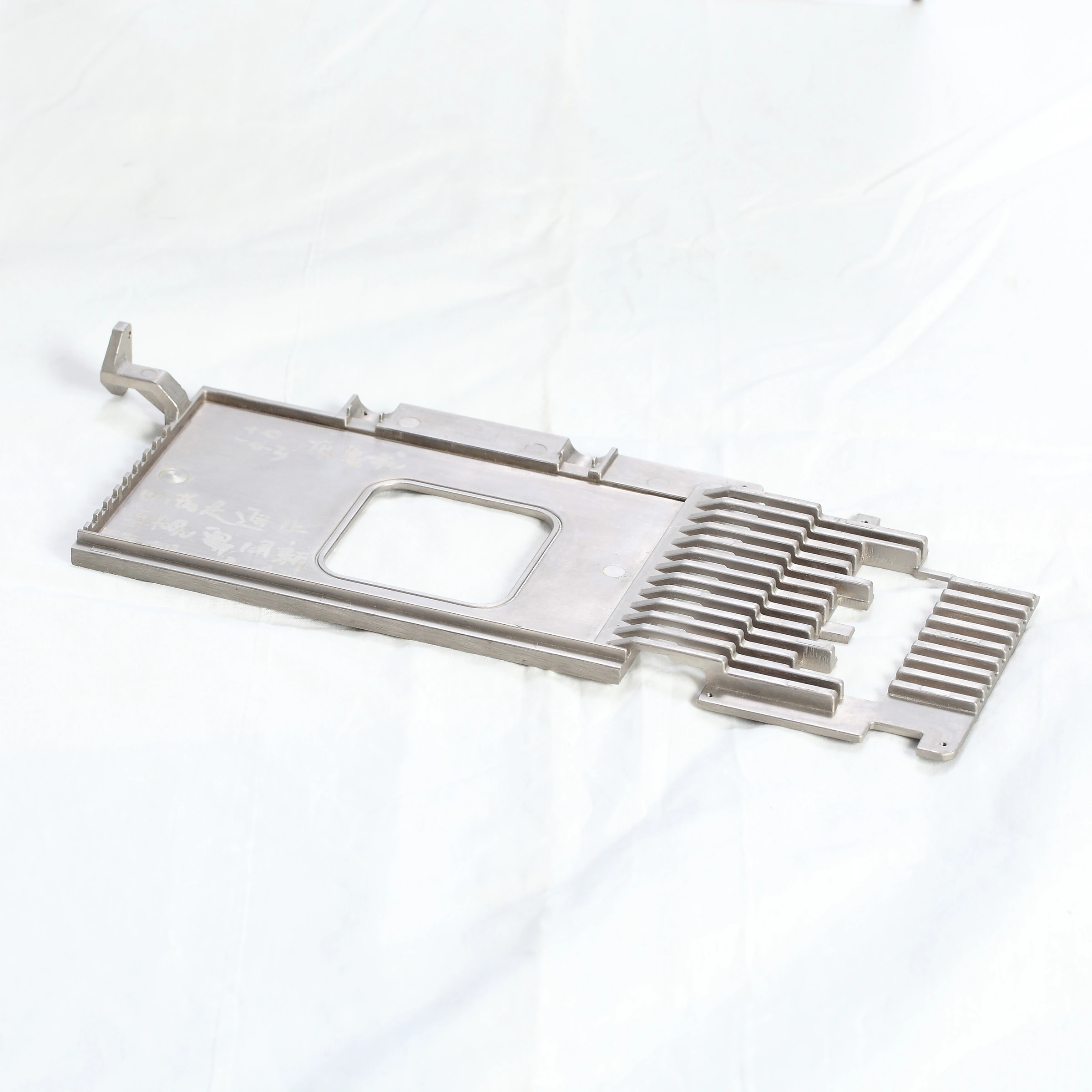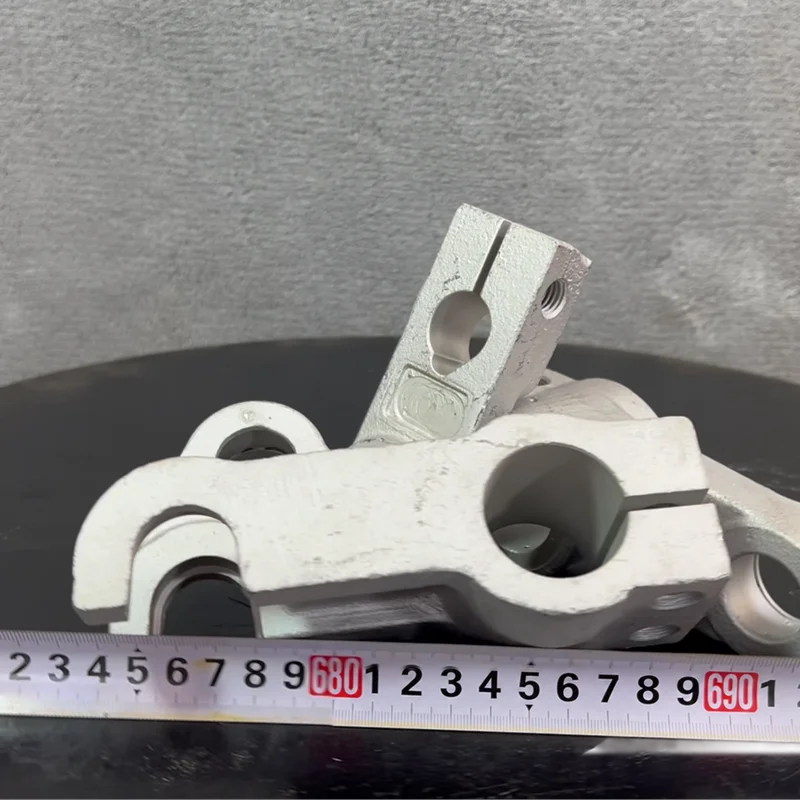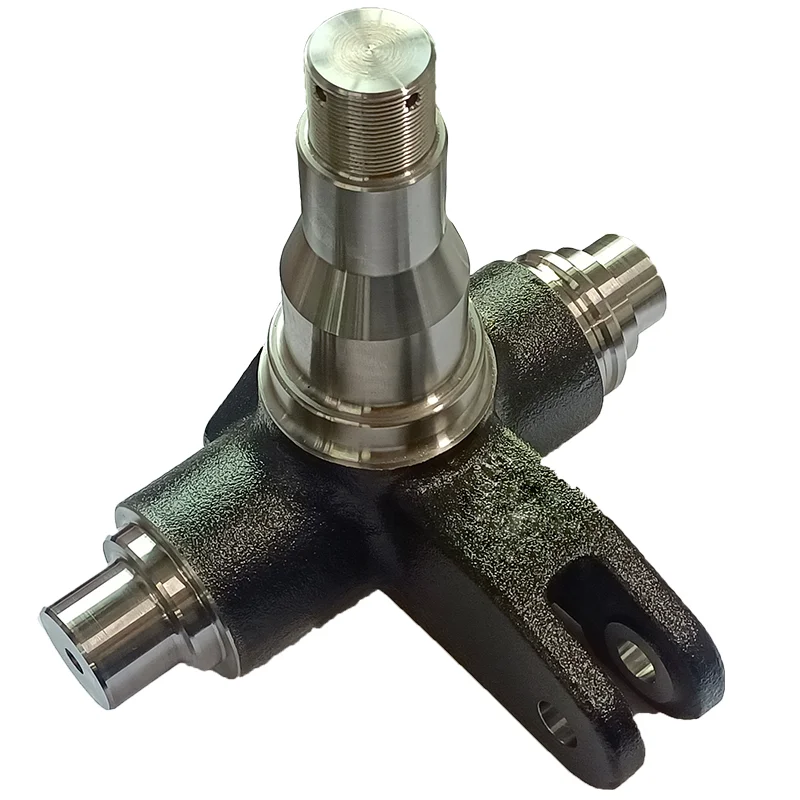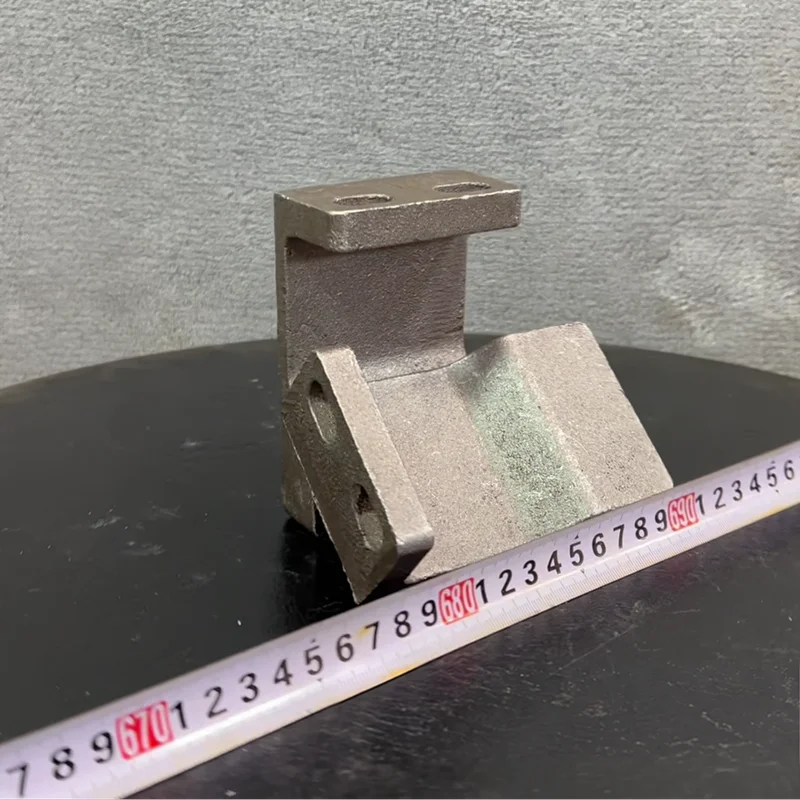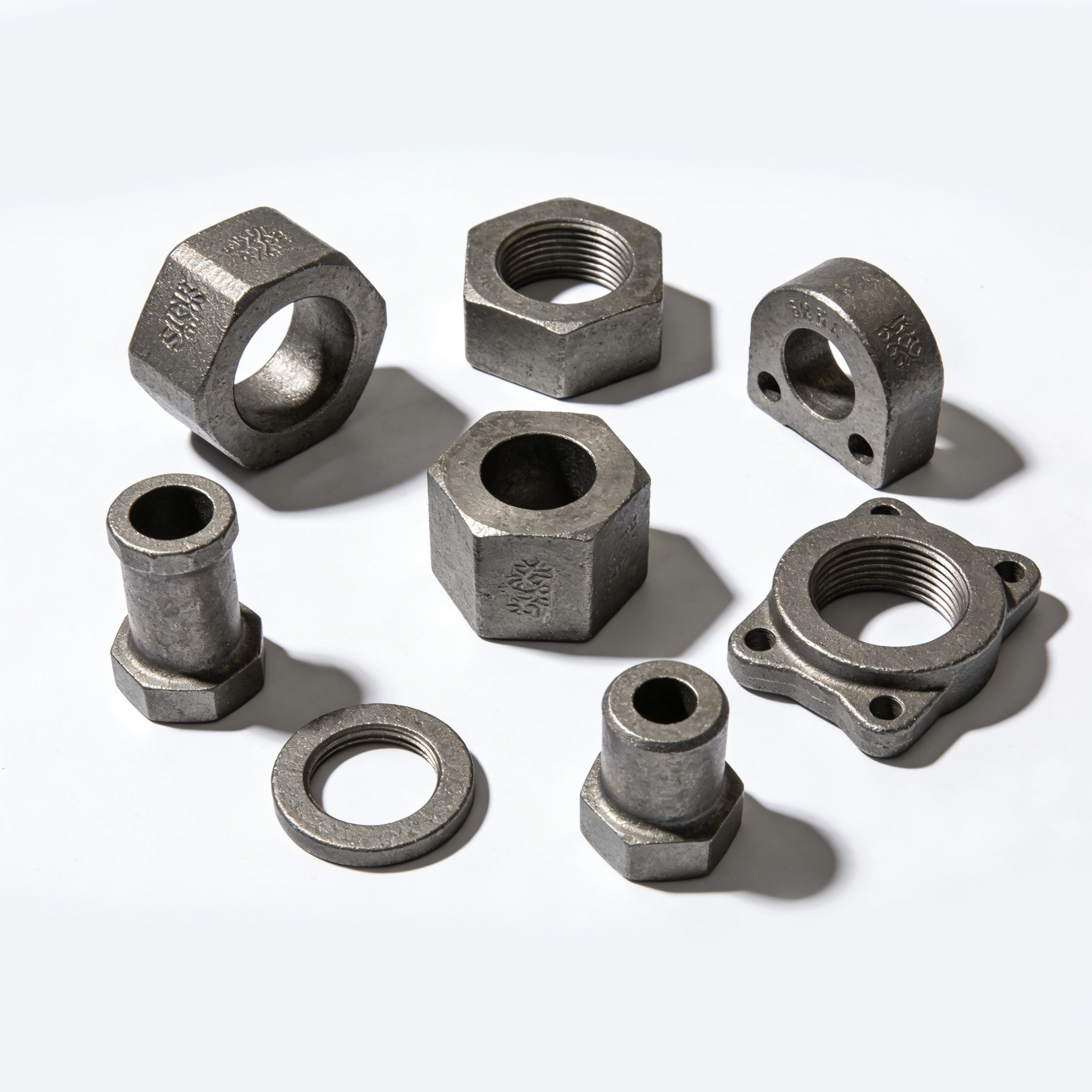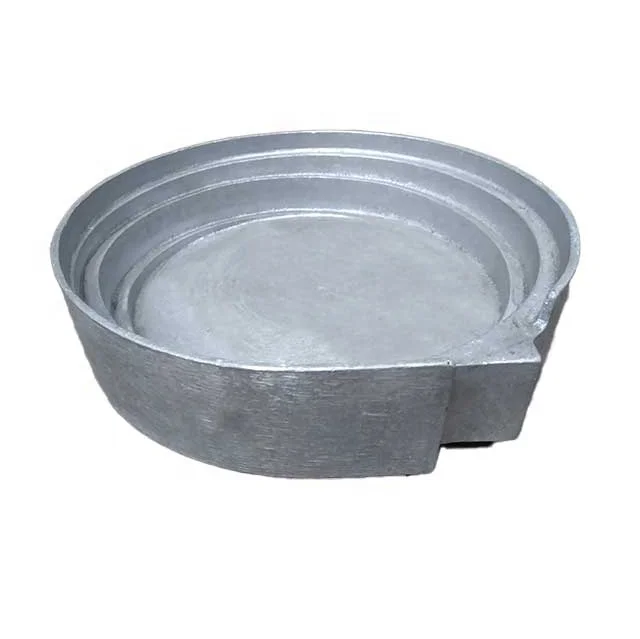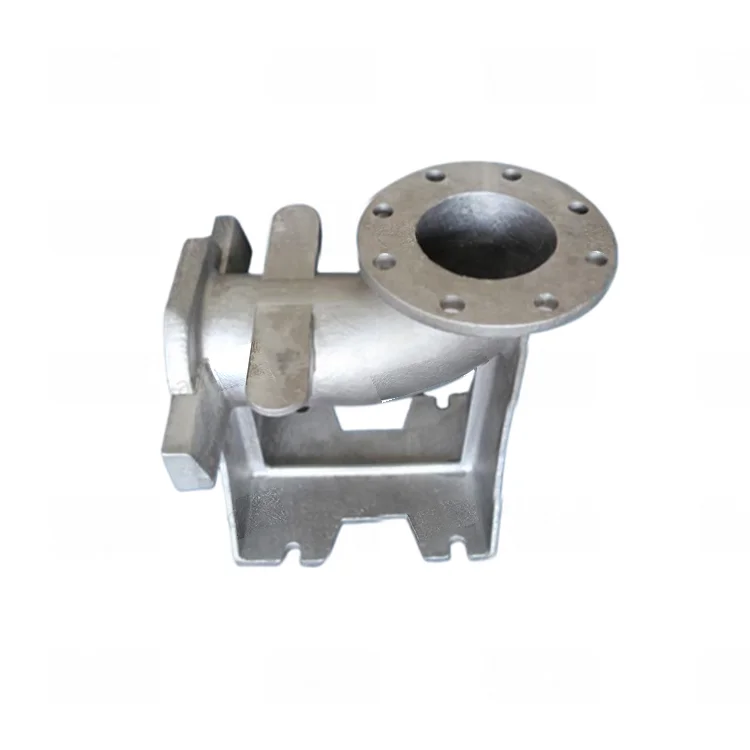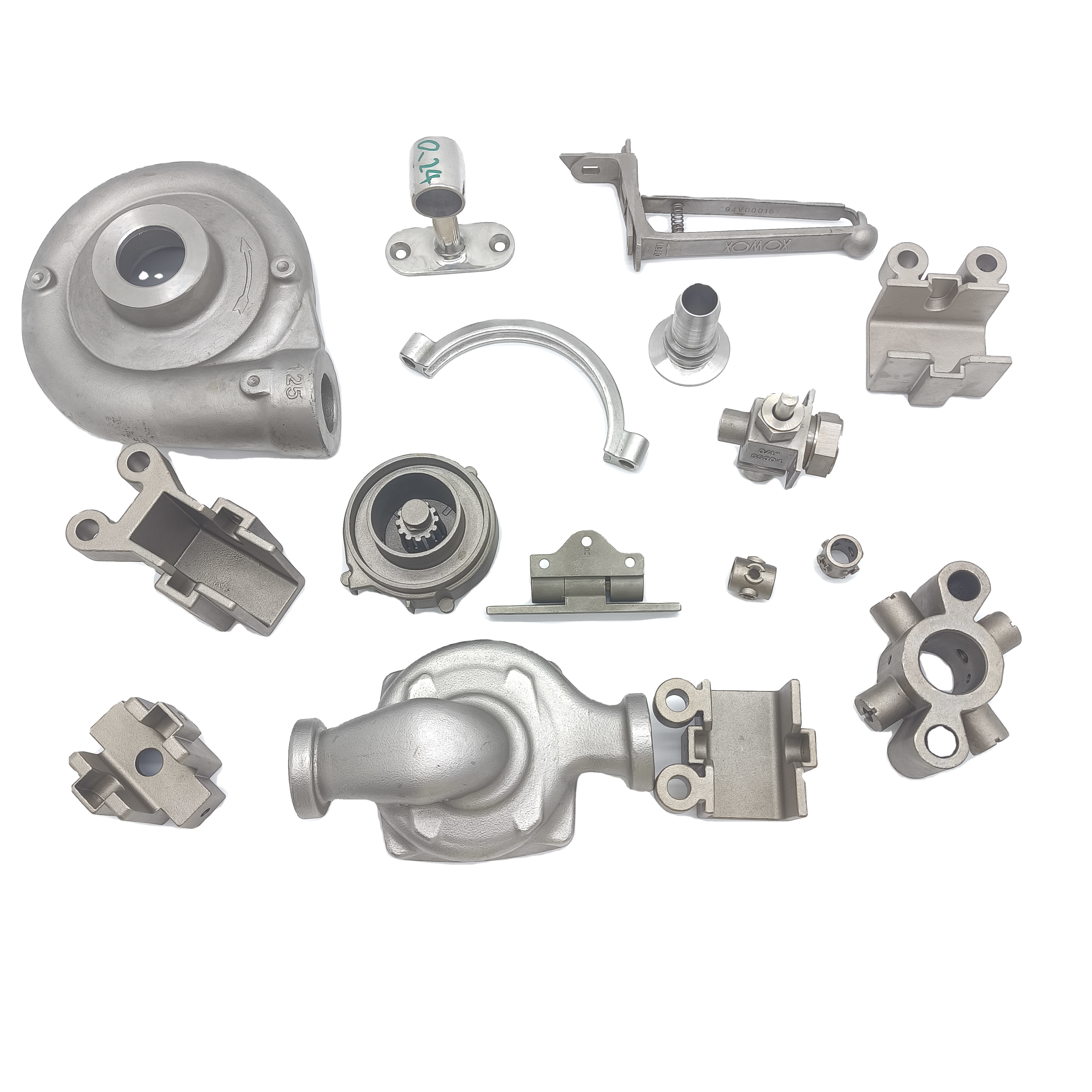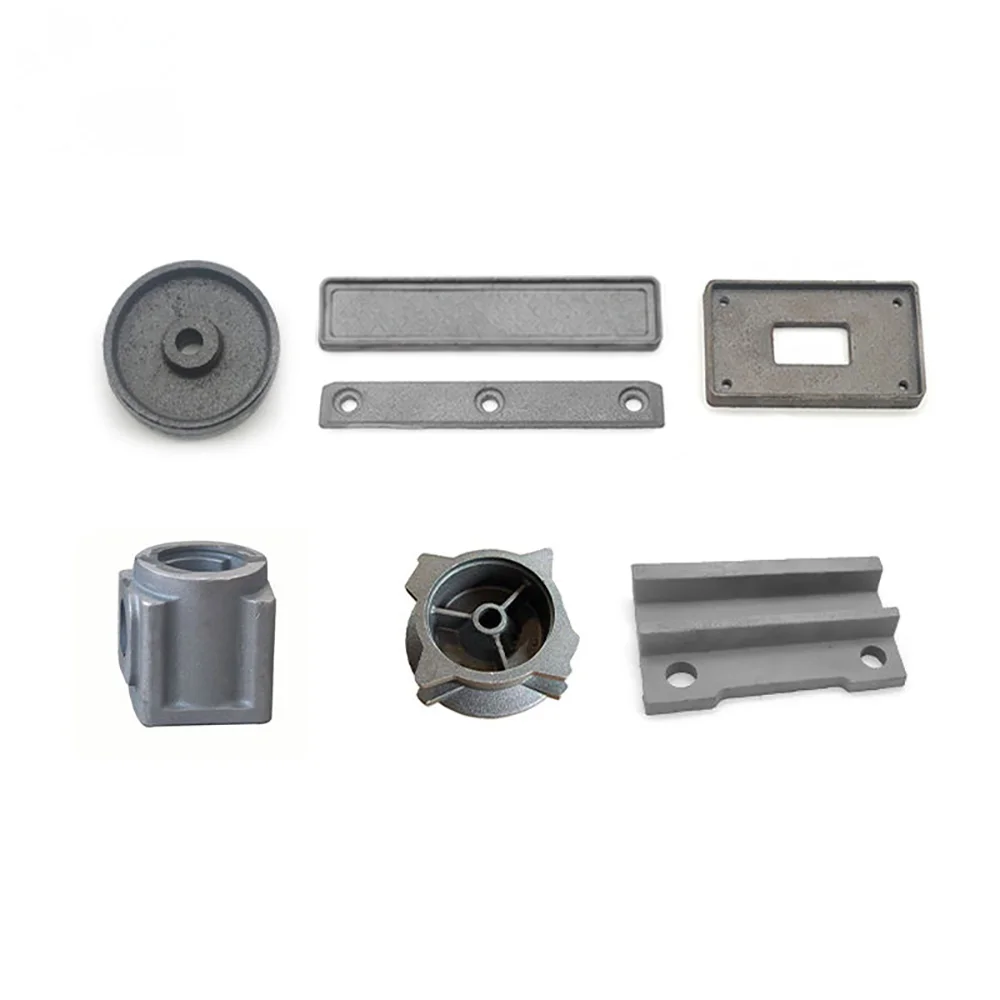
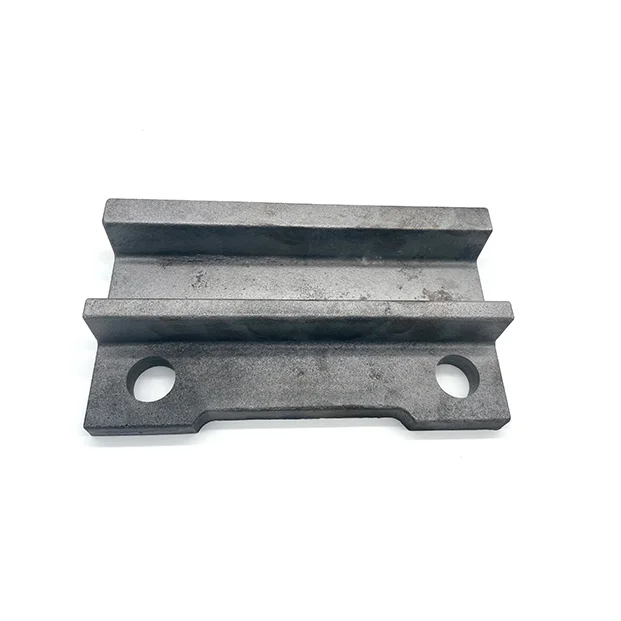
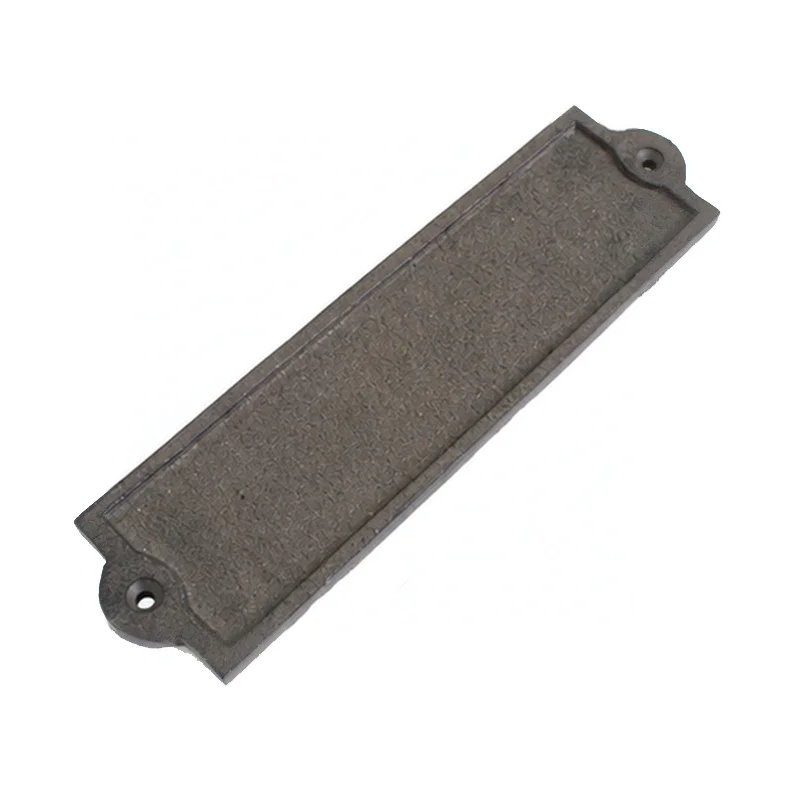
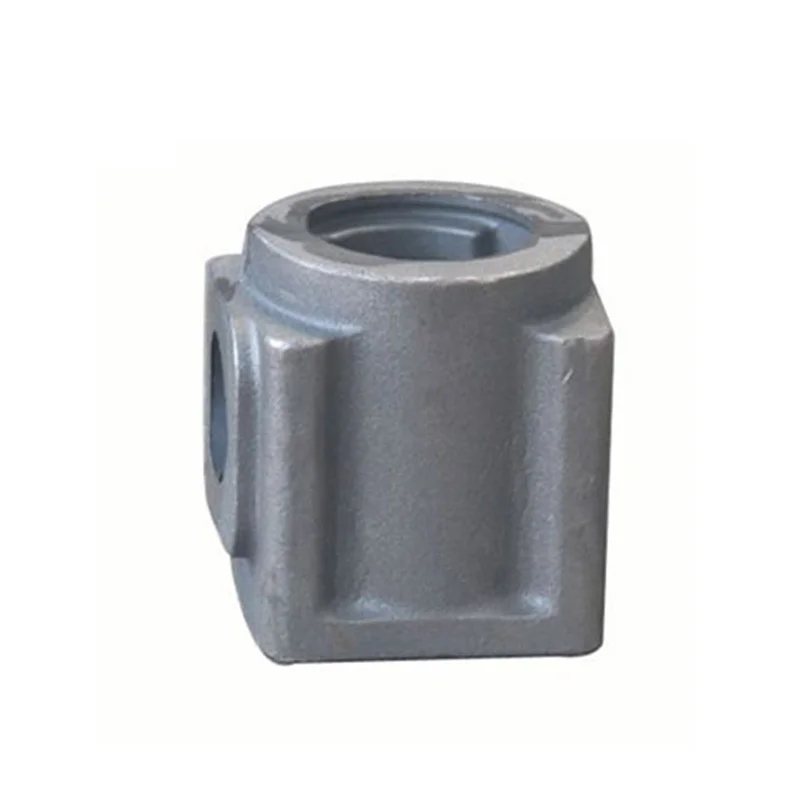
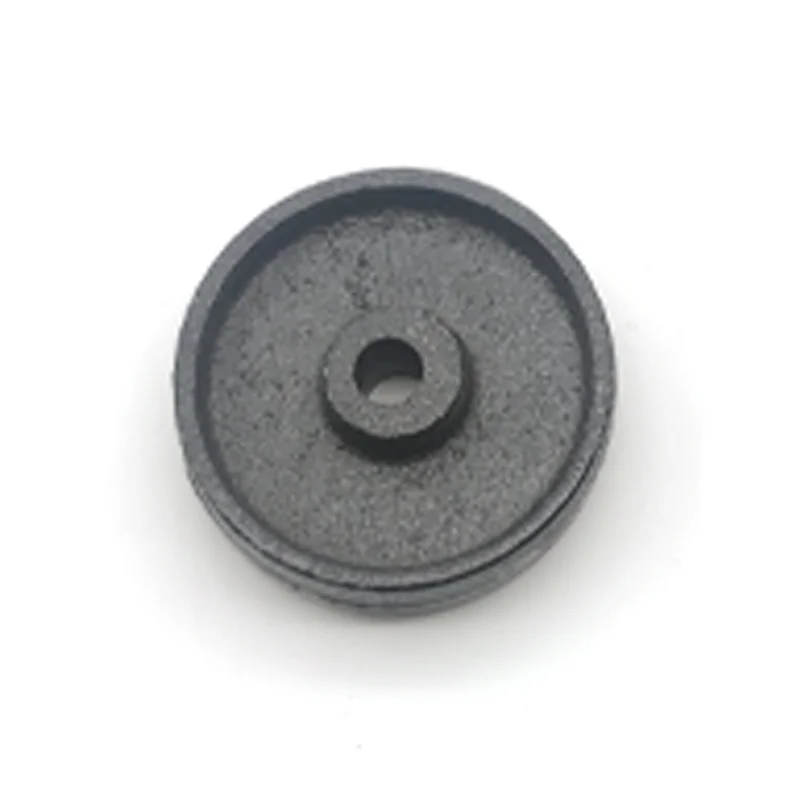
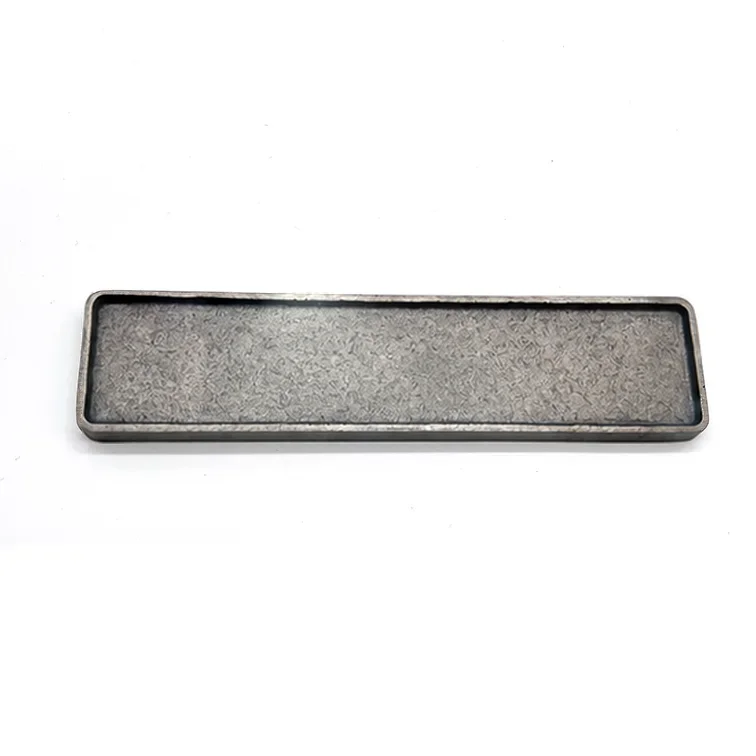
Custom 316L Stainless Steel Sand Castings with Separate Ductile Iron Parts and Drawing Defined Color Finish Inspection Scope
Direct factory support
Get a quote that fits your project
Send your drawing or product reference, material grade and required quantity. Relia will review the requirements with you.
- Drawing & specification review
Confirm the supply scope and critical requirements.
- Samples before custom production
Review inspected samples before approving a batch.
- Inspection documents
Agree material and dimensional records for your part.
-
Product namecasting services
-
MaterialCustomer's RequirementsColorCustormer's Requirements
-
SizeCustomer's Drawing RequiredSurface treatmentCustomers' Demand
-
CertificationISO9001StandardCustomers' Drawings
-
ToleranceCustomer's Drawing RequestQuality ControlStrictly 100% Inspection
-
ServiceDrawing Custom
Drawing-defined casting enquiries include 316L stainless-steel sand-cast parts and separately selected ductile-iron components. Choose the full material specification and required condition for each item. Sizes, dimensions and tolerances follow the actual customer drawing and intended supplied state.
Keep the material family explicit
The stainless designation applies to the selected stainless-steel component; a ductile-iron request needs its own complete grade and governing document. Explain the component’s function and working requirements. Show mounting, locating and mating geometry relevant to the actual assembly.
Define drawing control and custom appearance
Mark datums and dimensional limits at functional interfaces, with the measurement conditions needed for acceptance. Surface treatment and color follow customer requirements. Specify the actual process, coverage and visible result, including masking or contact conditions where the finish affects fit.
Agree strict inspection and qualification records
The stated strict 100% inspection should assess agreed material, dimensional and surface characteristics. Define the checks, controlled features and reporting required by the selected component. Identify which finished interfaces must be assessed together to determine the component’s accepted fit. Request applicable ISO9001 documentation and scope alongside the drawing-specific approval evidence.
- Provide quantity and the controlling revision.
- Identify cast-state and required finished interfaces.
- Explain what an initial part must demonstrate.
- Retain approved material and color changes with the component definition.
Keep the chosen grade and delivered-state requirements connected to production acceptance of the actual stainless or separate ductile-iron casting.