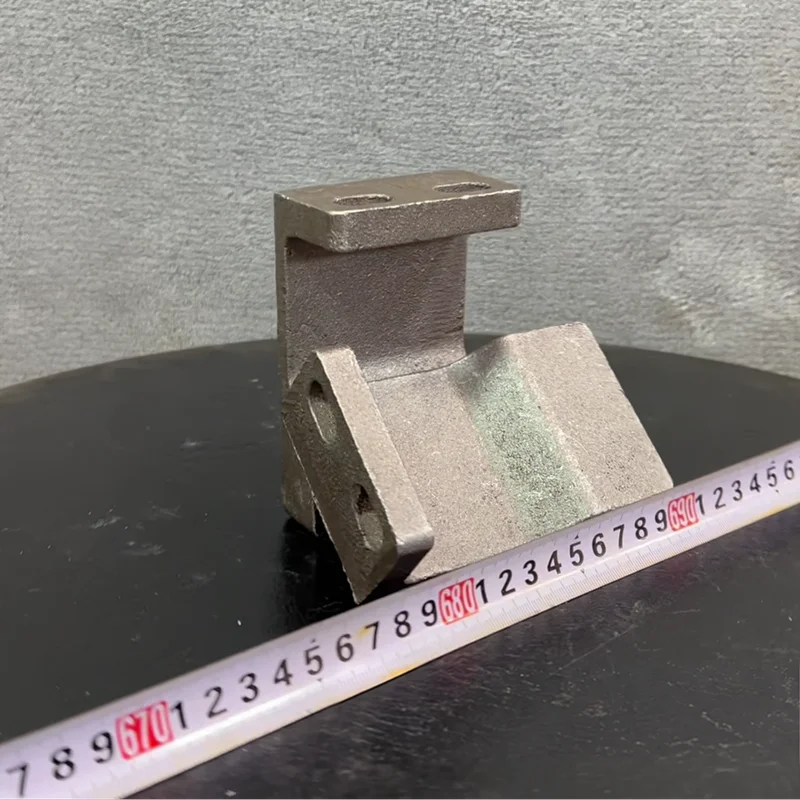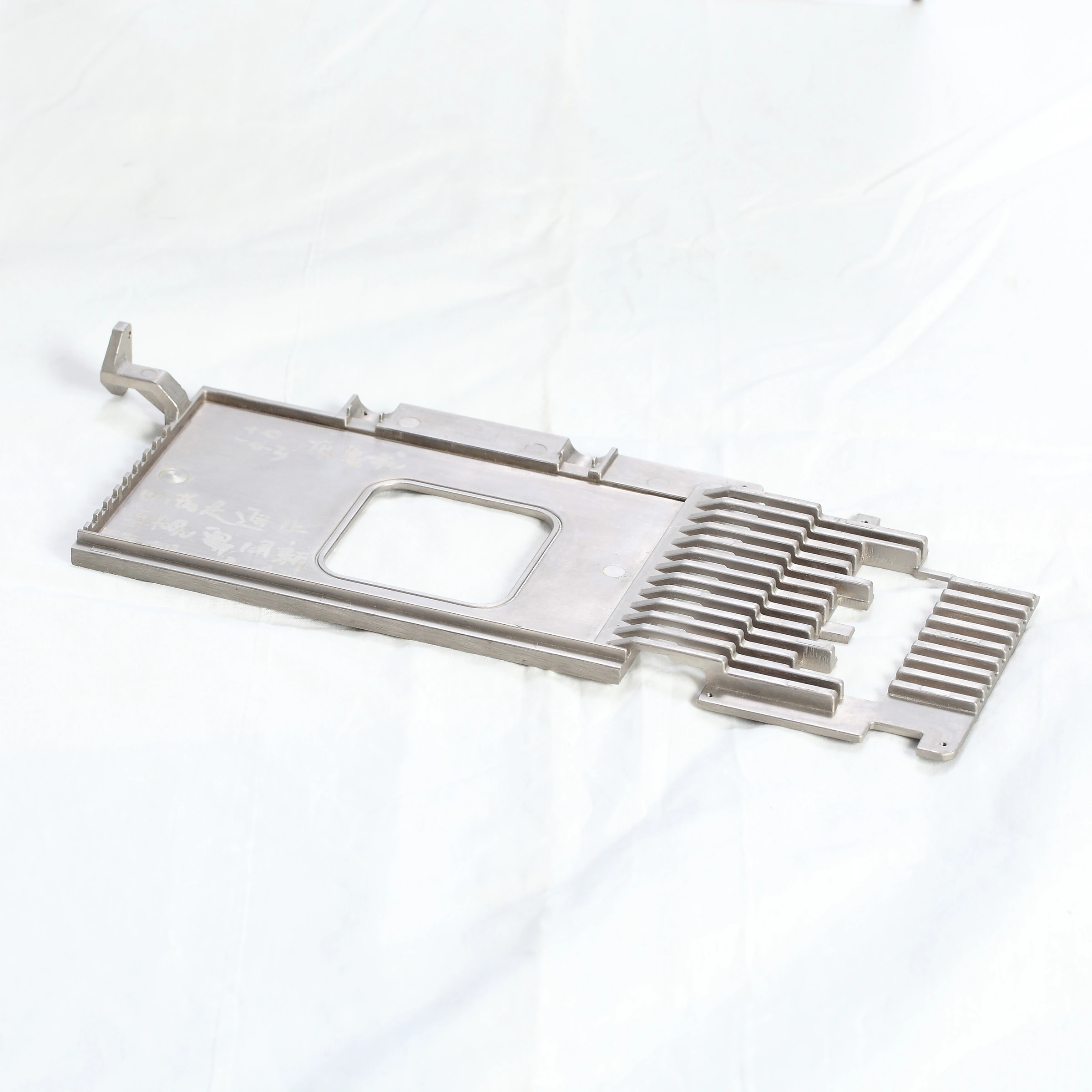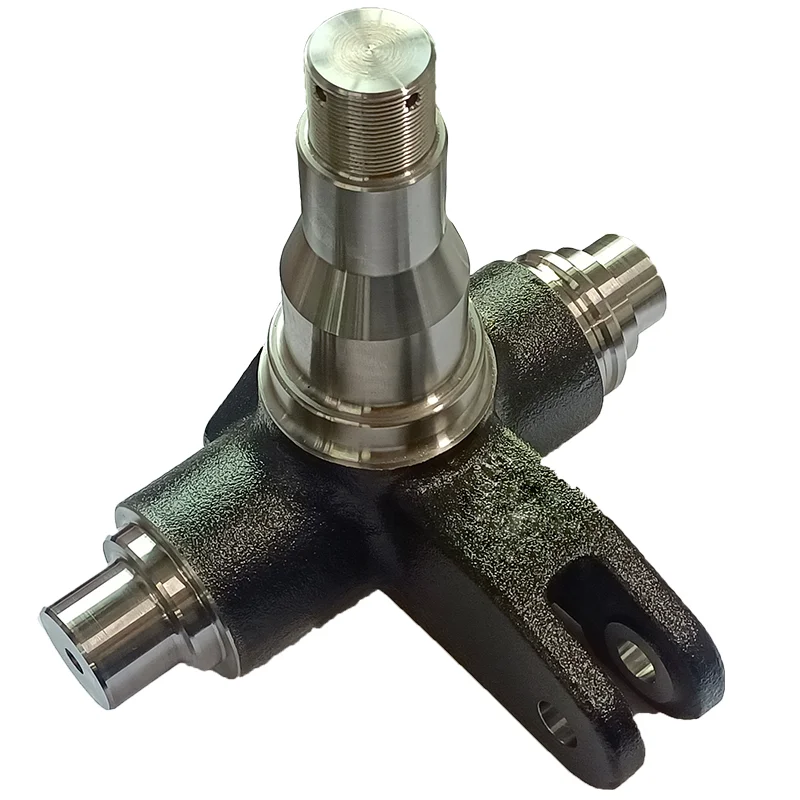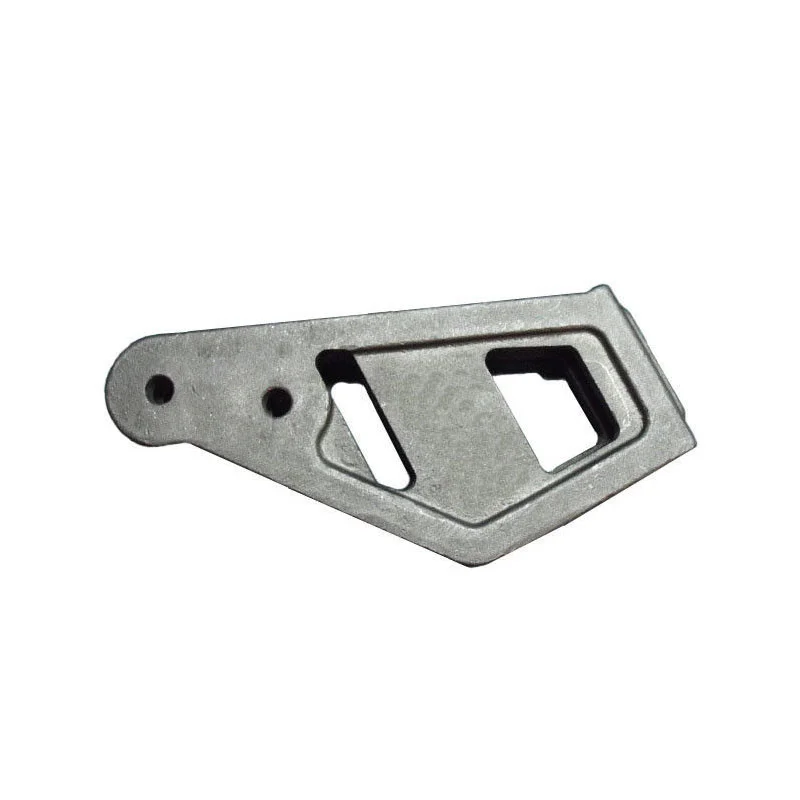
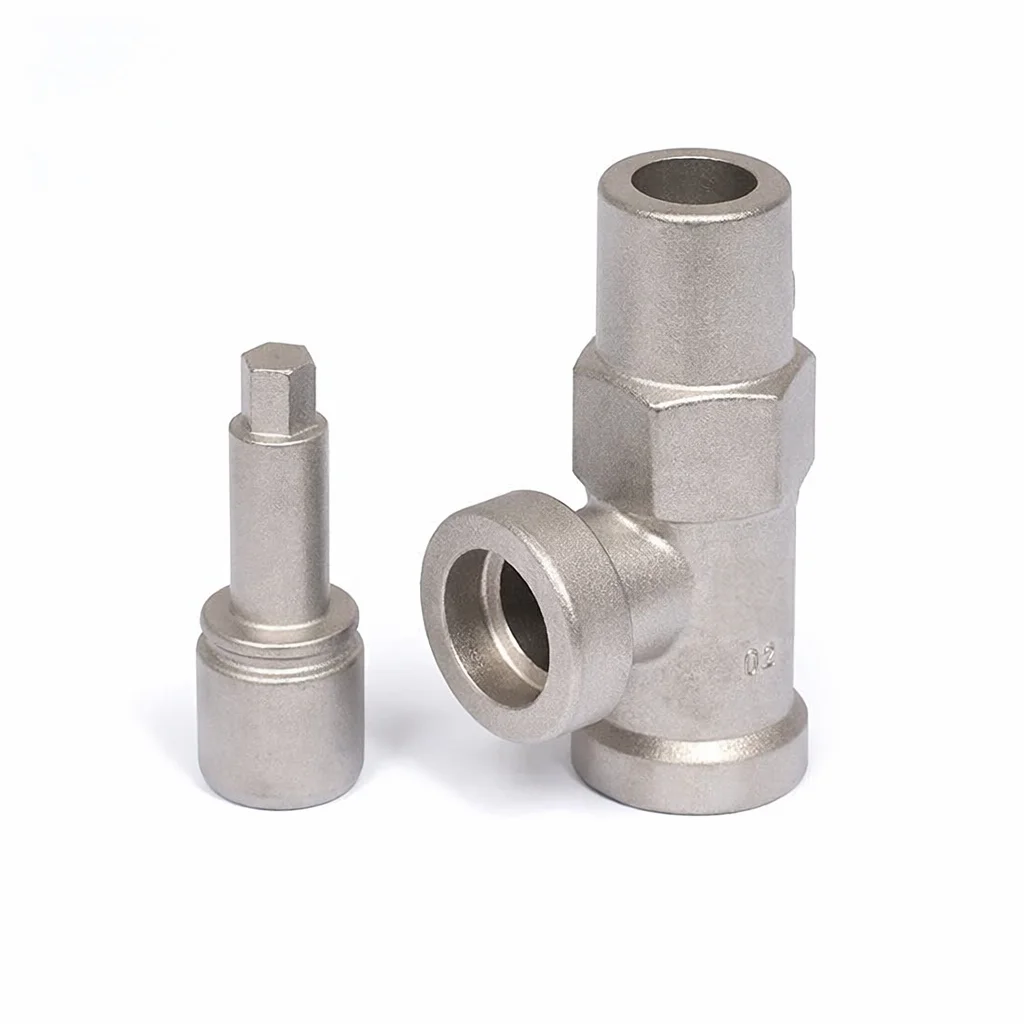
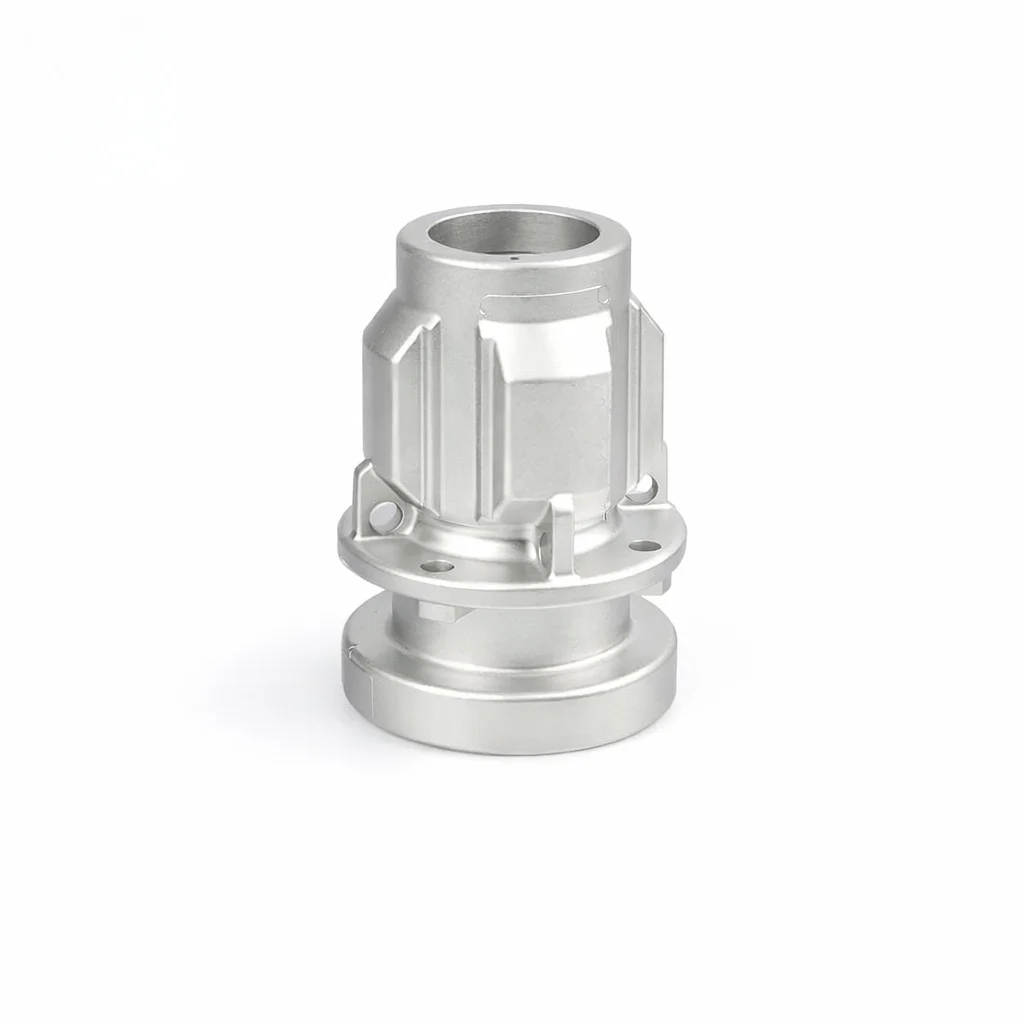
Custom Industrial Grey Ductile Iron Sand Castings and Separate Aluminum Brass Bronze Copper Components
Direct factory support
Get a quote that fits your project
Send your drawing or product reference, material grade and required quantity. Relia will review the requirements with you.
- Drawing & specification review
Confirm the supply scope and critical requirements.
- Samples before custom production
Review inspected samples before approving a batch.
- Inspection documents
Agree material and dimensional records for your part.
-
MaterialAluminum, Brass, Bronze, Copper, Hardened Metals, Precious Metals etc.
-
ProcessDie casting, Sand casting, Investment casting, Lost foam casting etc.Heat treatmentQuenching & tempering; solution & aging
-
Surface treatmentPowder coating, Zinc plating, Laser engraving, Sandblasting etc.InspectionMetallographic analysis, MT, UT, RT, 100% visual+100%gauge, CMM etc.
-
OEM/ODMAcceptApplicationAuto, Motorcycle, Energy, Medical device, Robotics etc.
-
Drawing Format2D(PDF/CAD), 3D(IGES/STEP)CertificationISO9001:2015/IATF16949
-
StandardASTM, AISI, DIN, BS, JIS, NF, AS
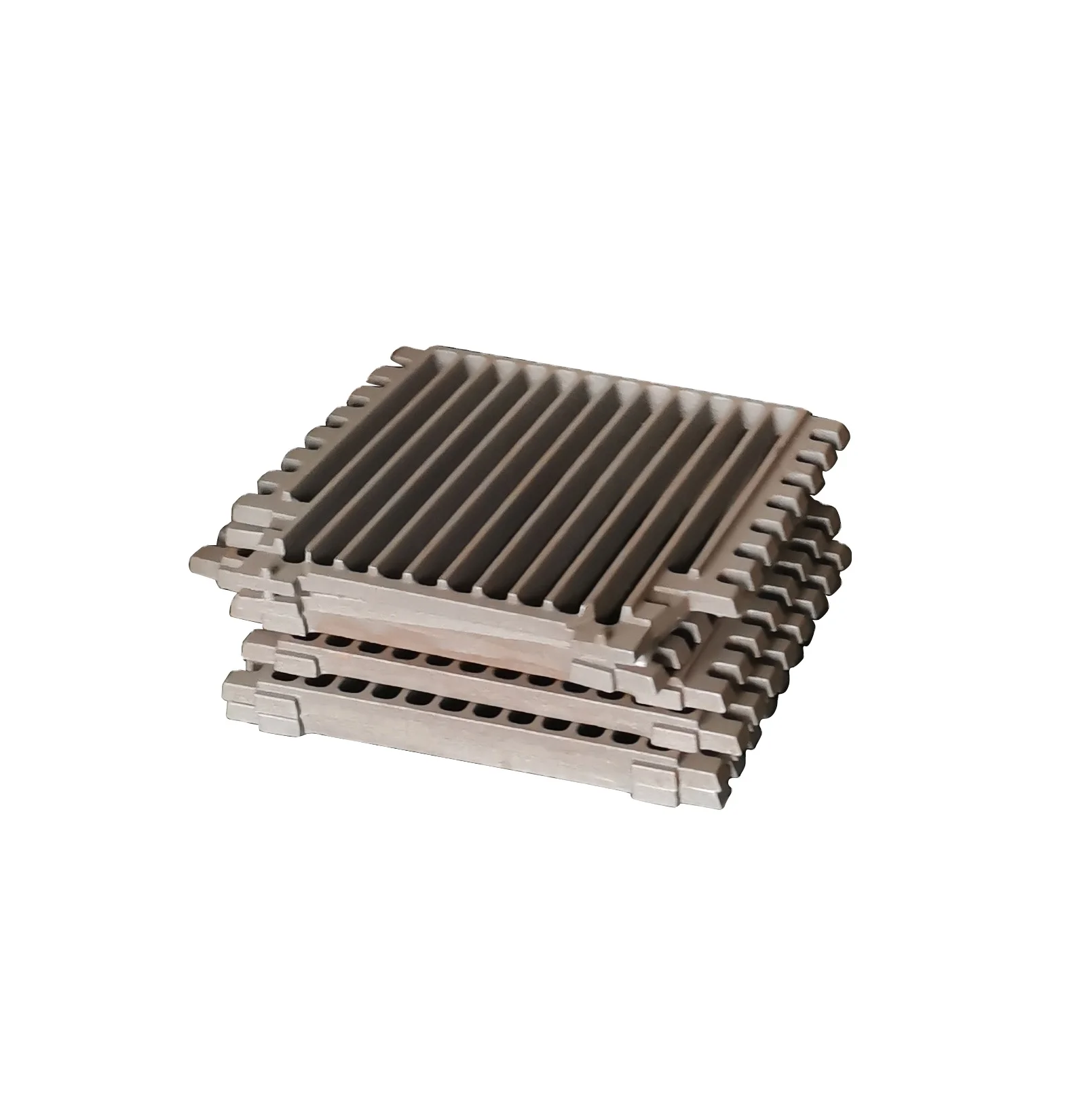
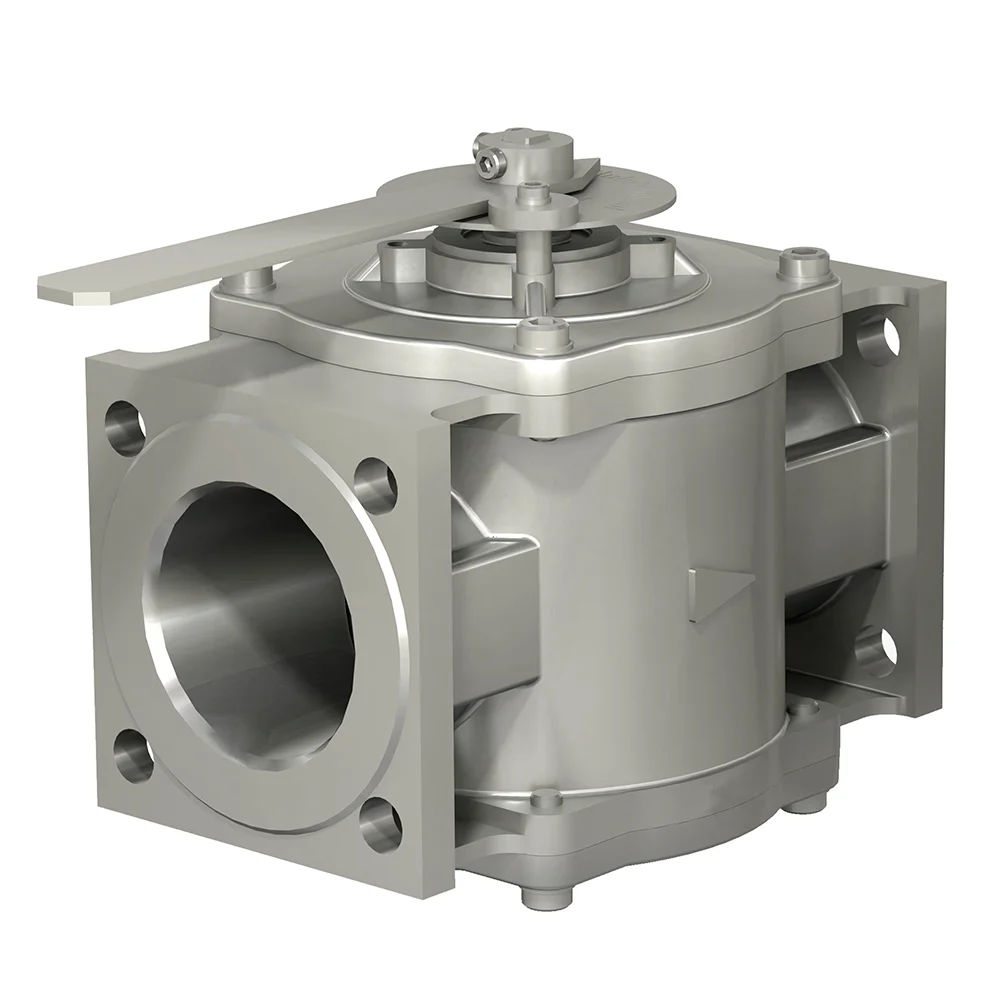
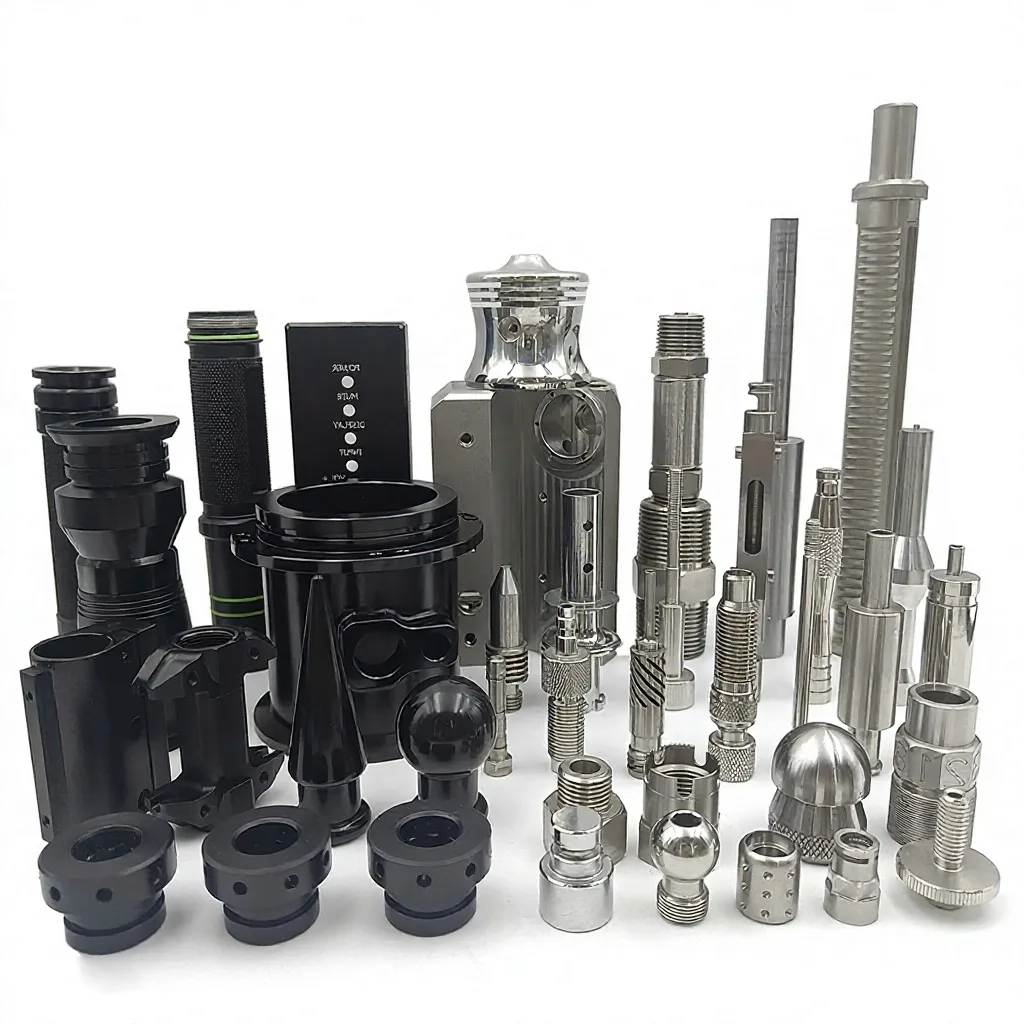
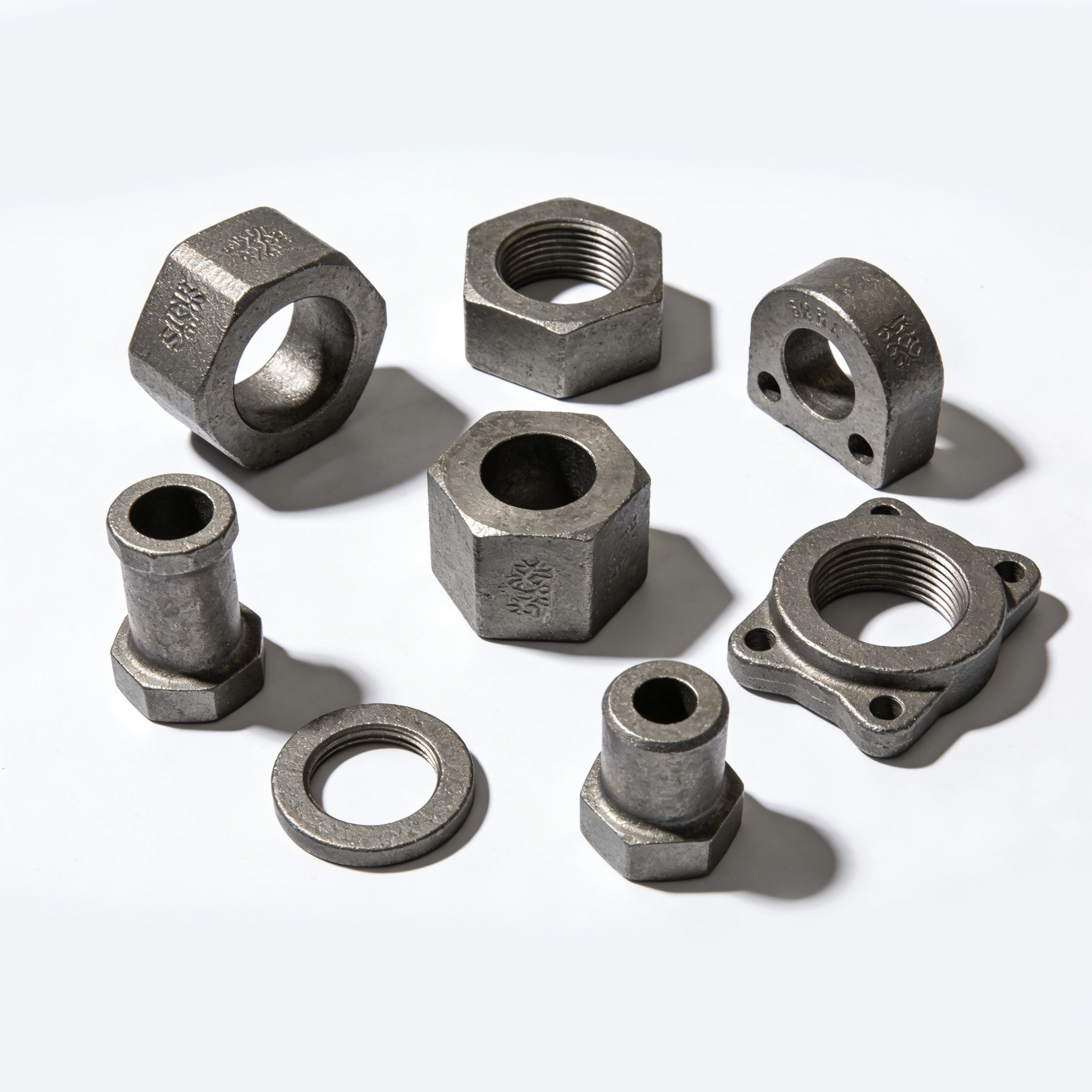
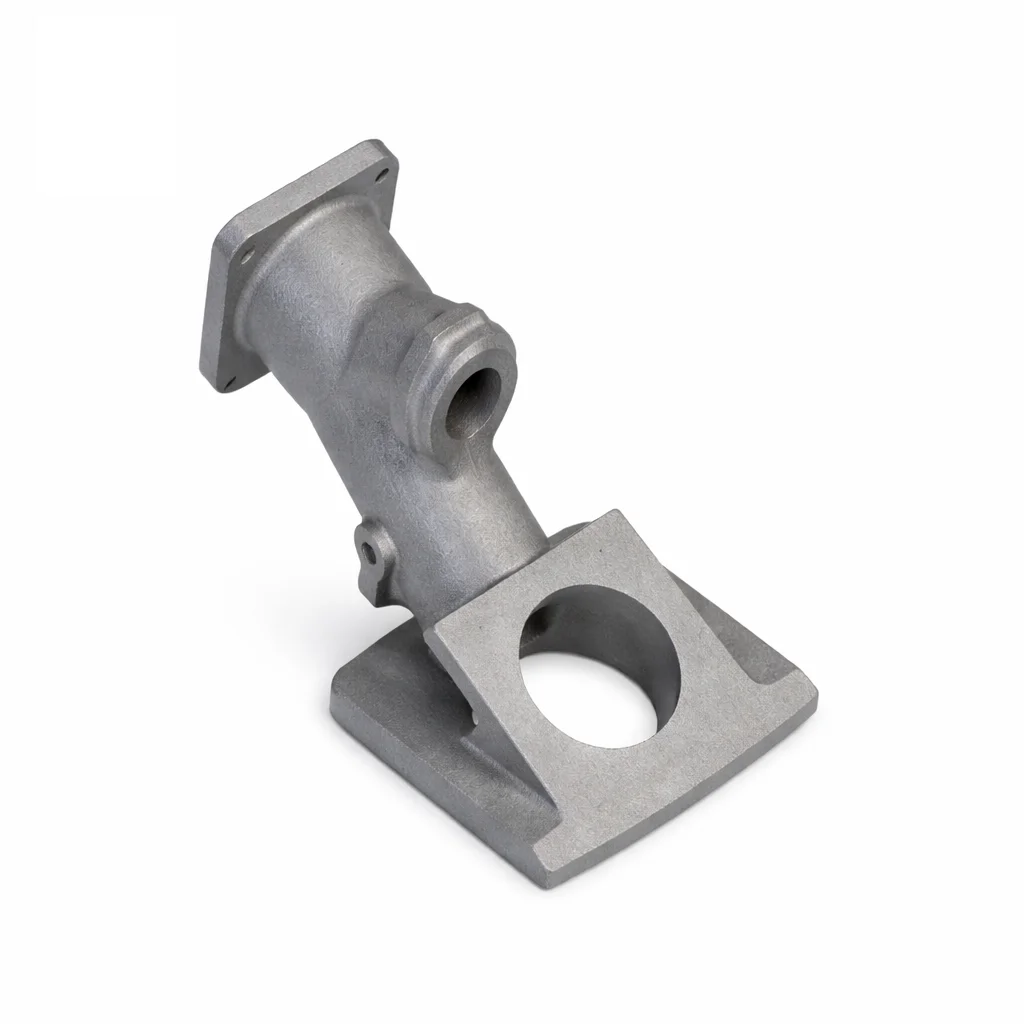
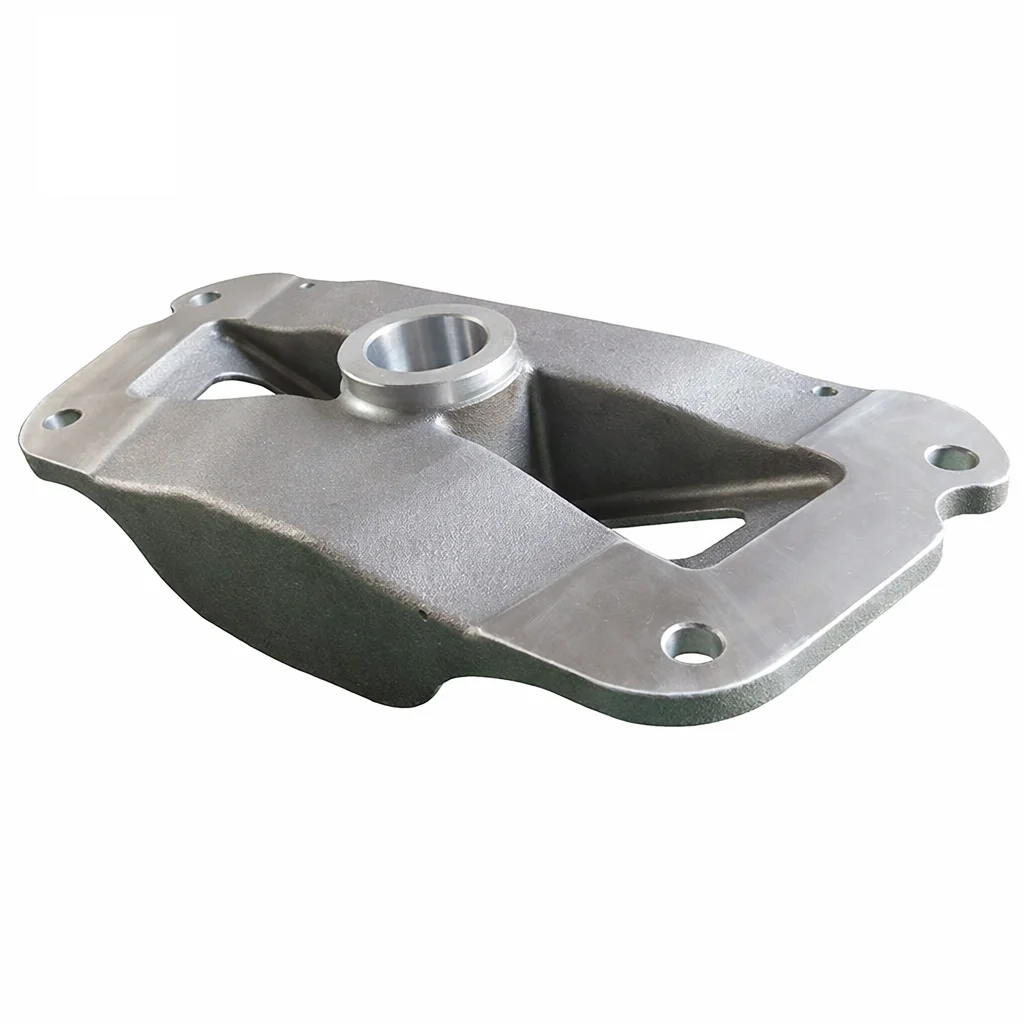
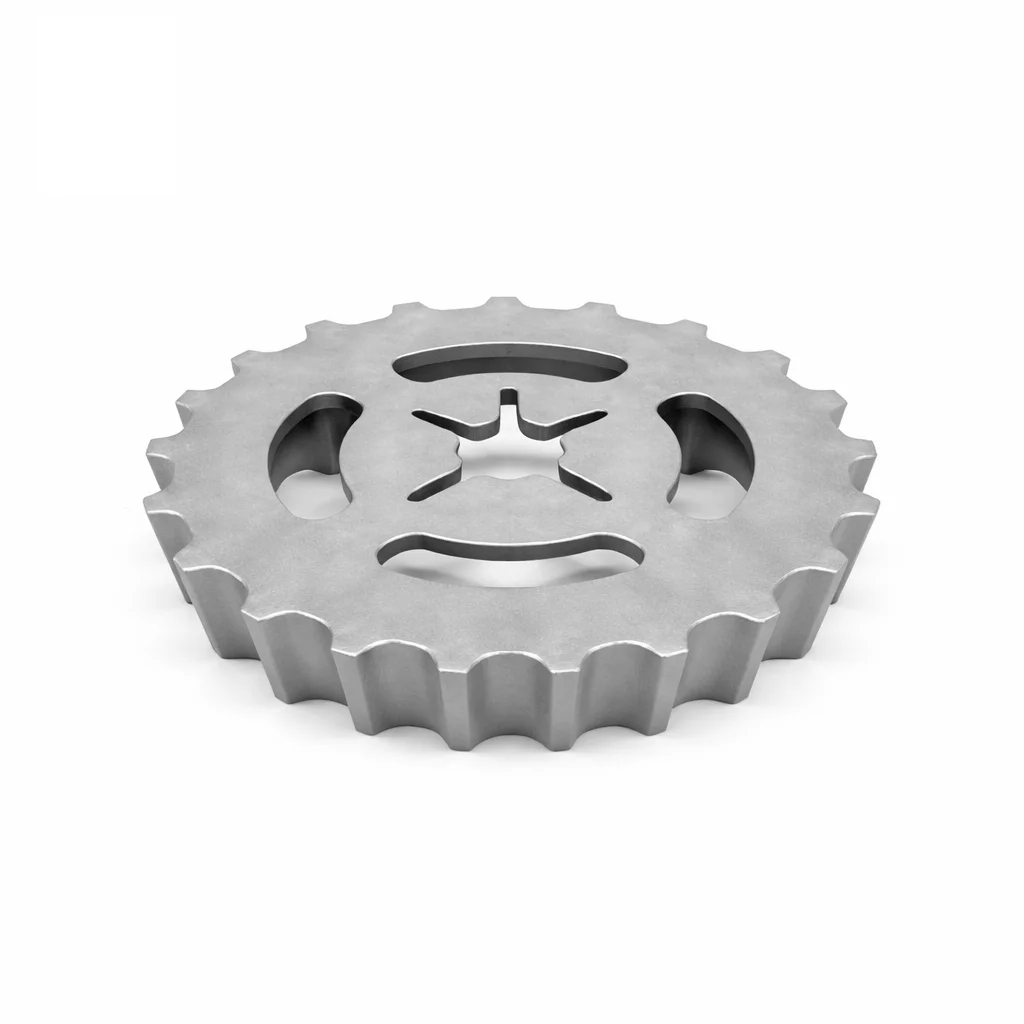
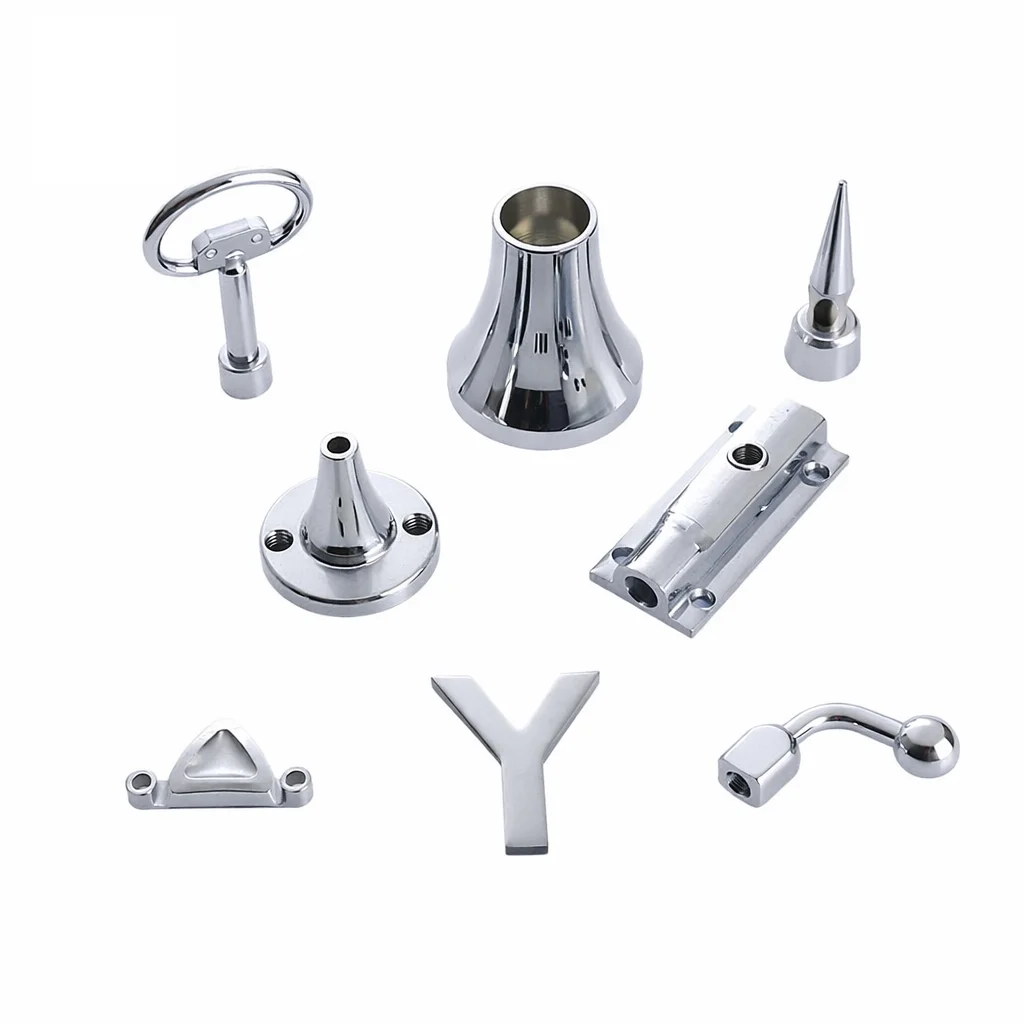
Custom industrial sand-casting enquiries include grey-iron or ductile-iron components, with separate aluminum, brass, bronze, copper, hardened-metal and precious-metal requests. Select the complete grade and component drawing for each item. The actual material and supplied condition should establish its acceptance requirements.
Select the route and material condition
Sand, die, investment and lost-foam casting are named process choices, selected for the chosen alloy and geometry. Quenching/tempering or solution/aging requests should identify the required final condition. Provide the functional interfaces and any duty requirements that influence approval of the component.
Define examination and dimensional records
Named inspection includes metallographic analysis, MT, UT, RT, CMM and 100% visual plus 100% gauge checks. Identify applicable methods, coverage and acceptance criteria for the ordered material and geometry. The approval record should distinguish examination results from measurements of finished dimensions. Mark access requirements for the chosen inspection method on the component drawing.
- Supply 2D PDF/CAD drawings or 3D IGES/STEP information.
- Give quantity and the controlled revision.
- Mark datums, finished interfaces and surface acceptance areas.
- State the material and delivered condition.
Coordinate treatment and governing documents
Powder coating, zinc plating, laser engraving and sandblasting are named choices. Specify treatment boundaries and marking positions at functional surfaces. Identify complete ASTM, AISI, DIN, BS, JIS, NF or AS documents and applicable ISO9001:2015/IATF16949 scope. Automotive, motorcycle, energy, medical-device or robotics requests should carry their actual component duty and approval requirements.