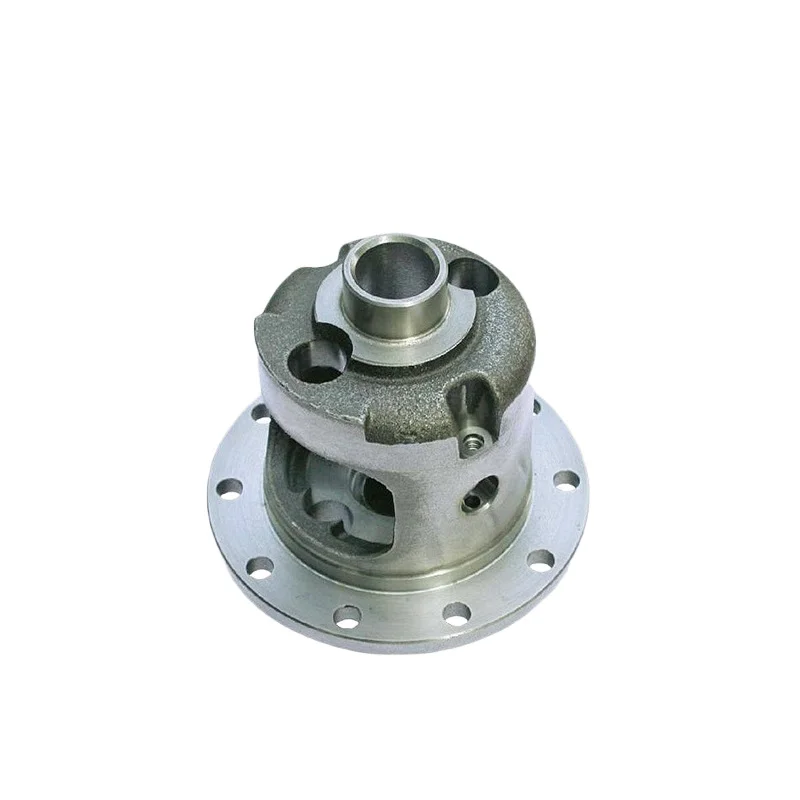
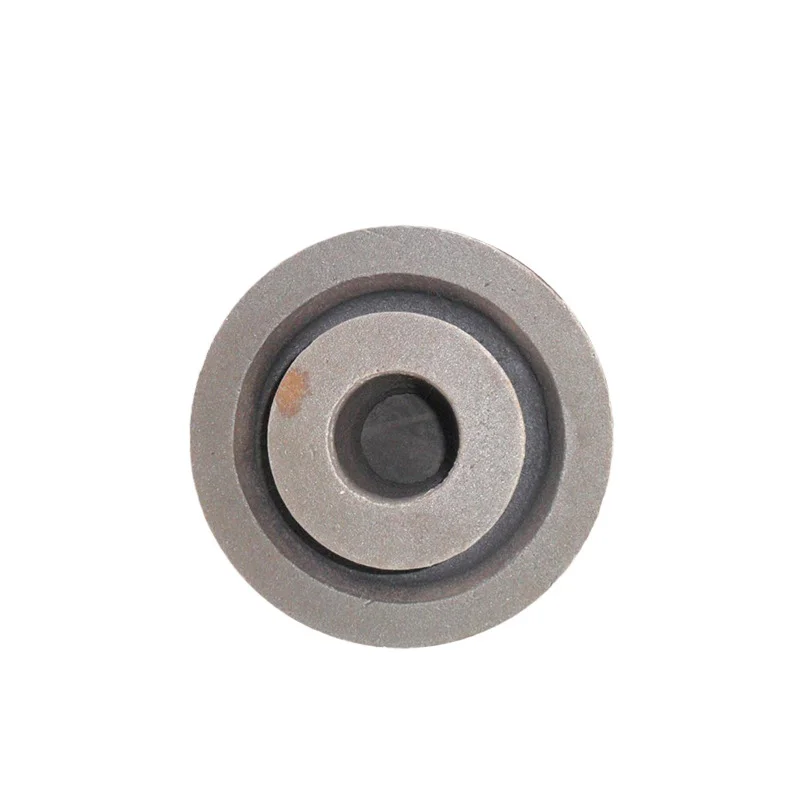
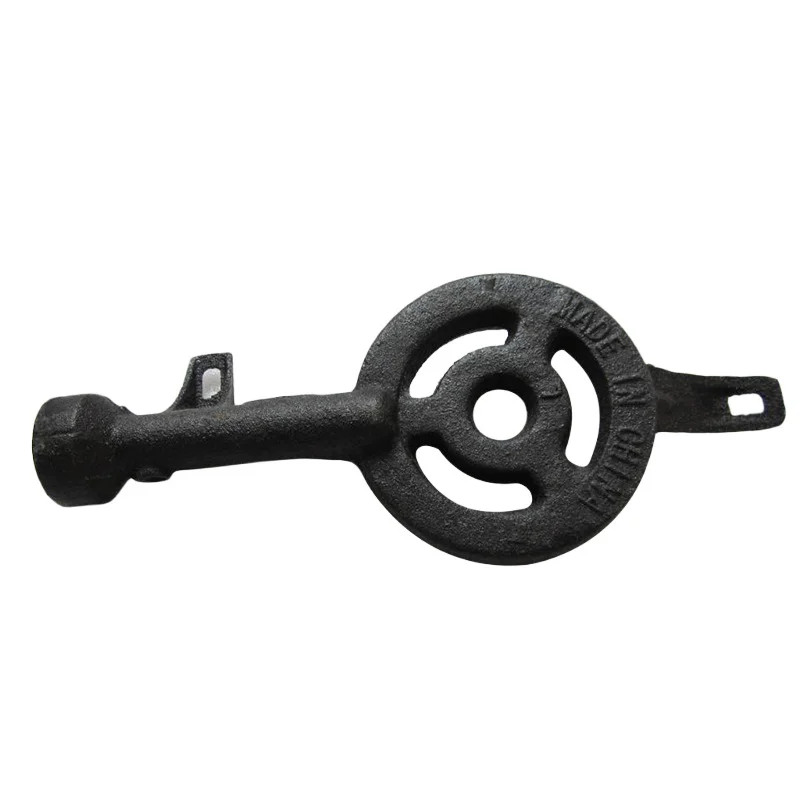
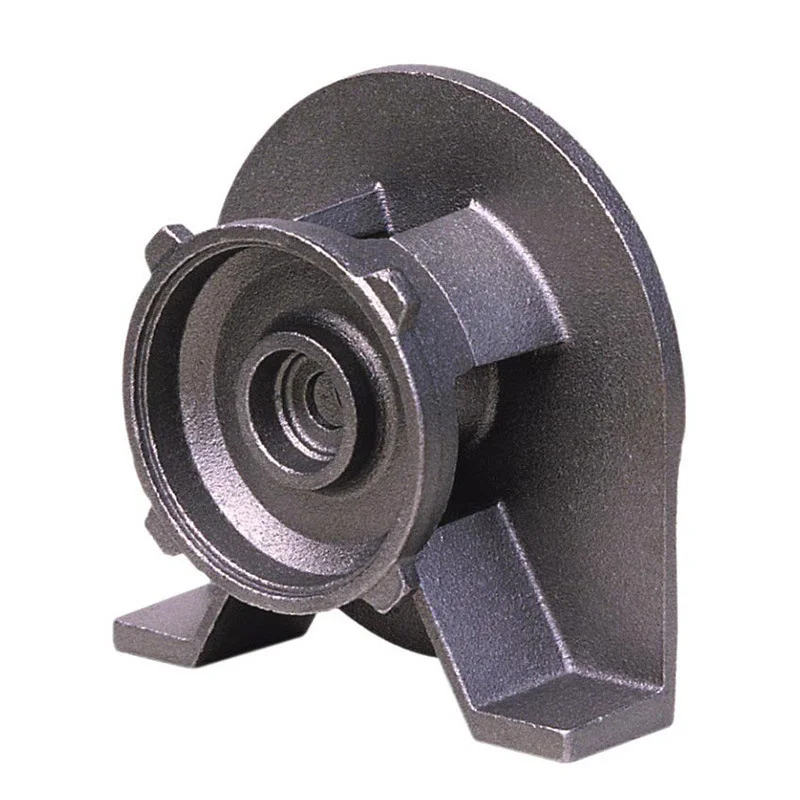
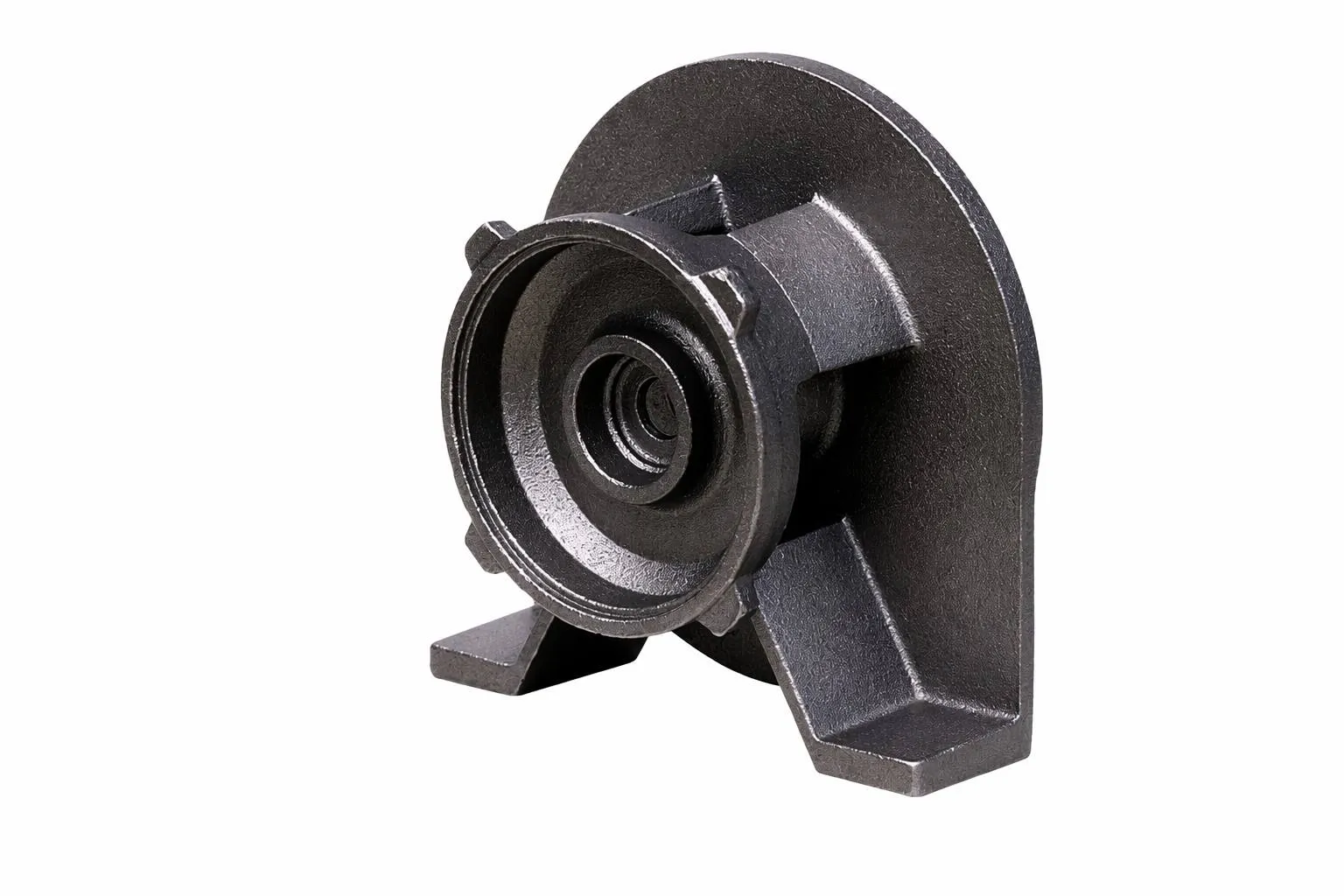
Custom Large Grey Ductile Iron Lost Foam Sand Castings with Machining and Spray Painting
Direct factory support
Get a quote that fits your project
Send your drawing or product reference, material grade and required quantity. Relia will review the requirements with you.
- Drawing & specification review
Confirm the supply scope and critical requirements.
- Samples before custom production
Review inspected samples before approving a batch.
- Inspection documents
Agree material and dimensional records for your part.
-
Surface TreatmentSpray paintingMaterialsDuctile Iron
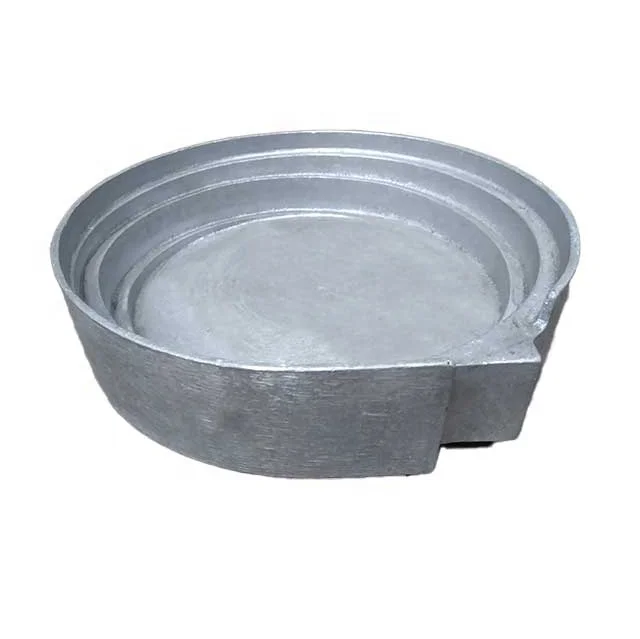
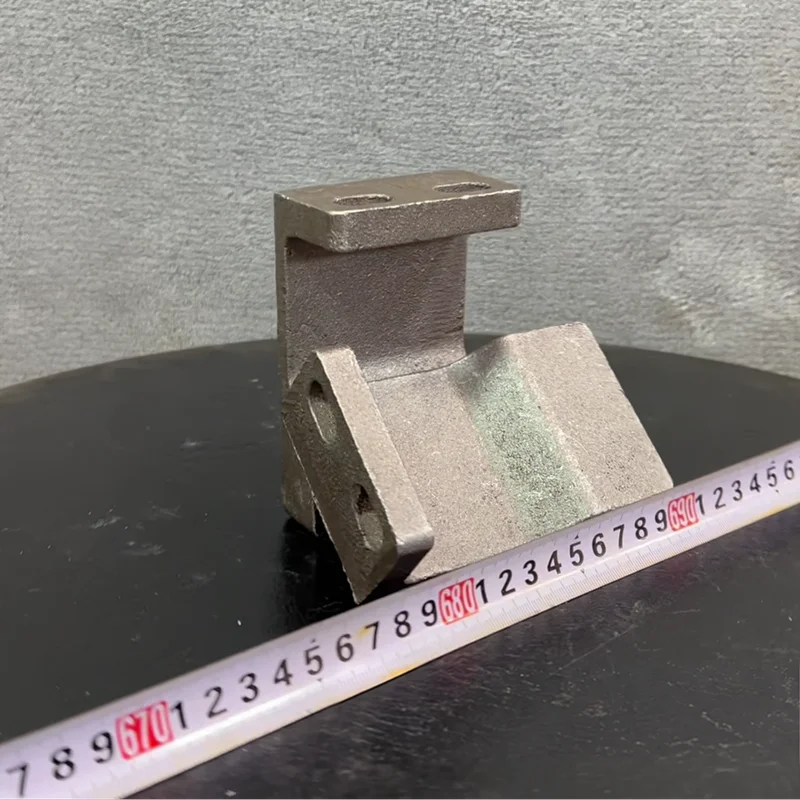
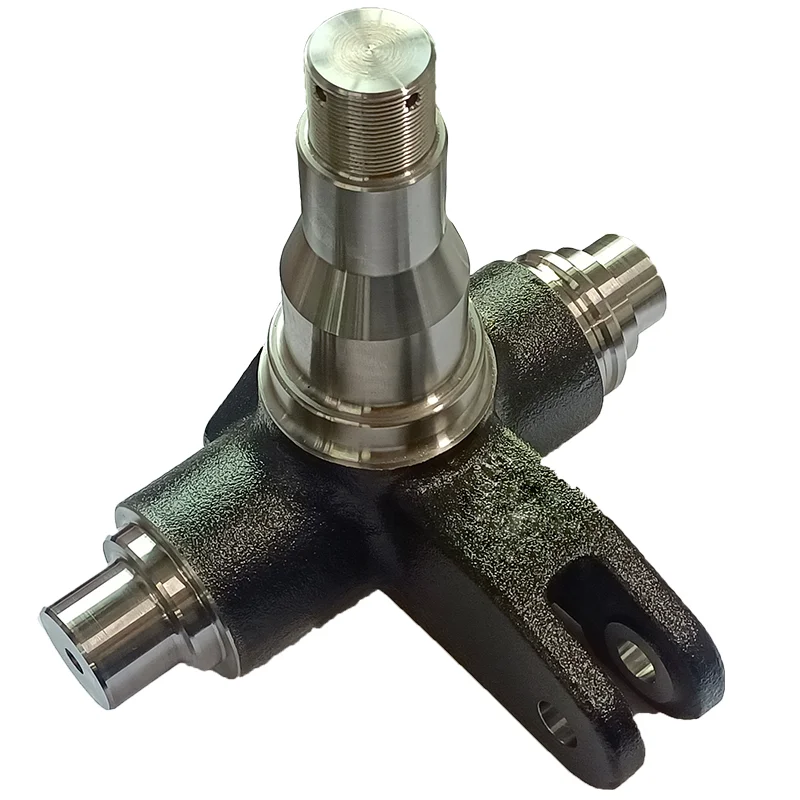
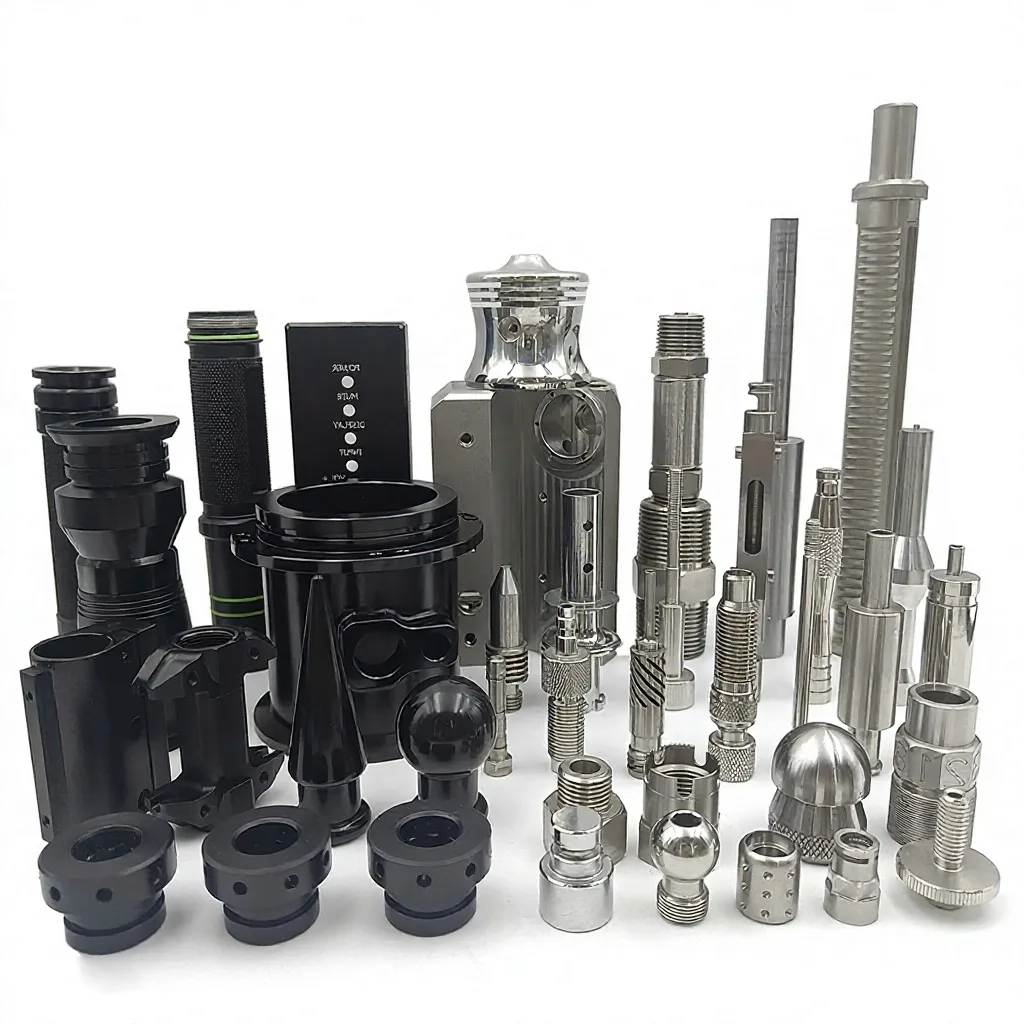
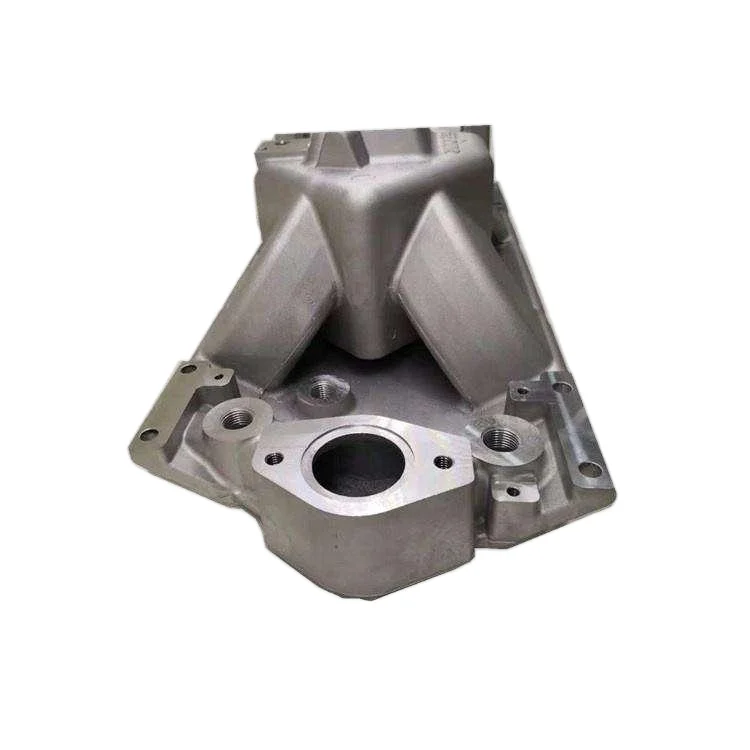
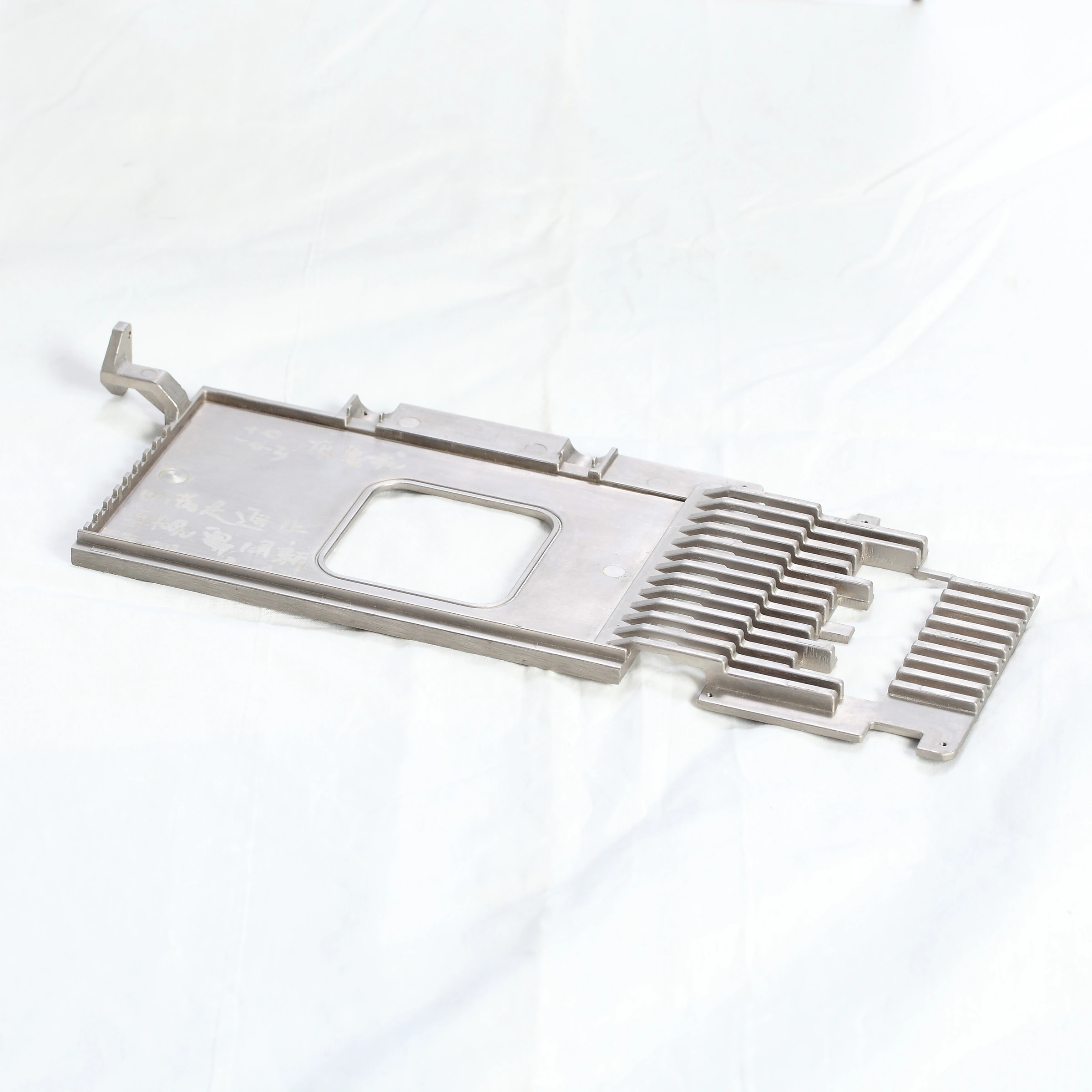
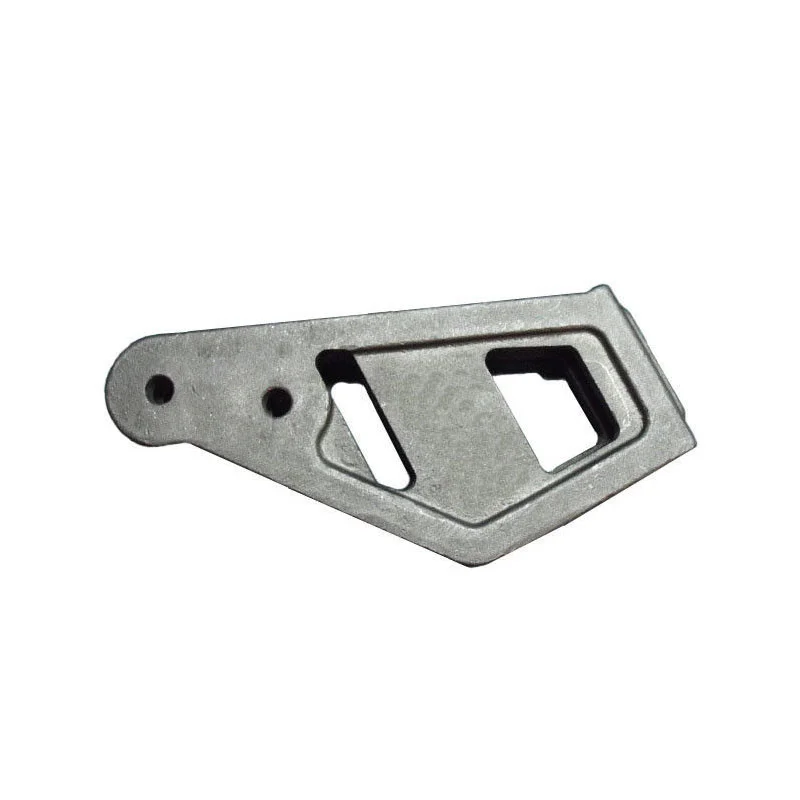
Custom large iron-component enquiries include grey-iron or ductile-iron castings, with lost-foam or sand-casting routes, machining requests and spray painting. Select the actual iron family and complete grade for the drawing. The envelope and finished interfaces should define the supplied condition being quoted.
Show the large component at its assembly interfaces
Provide the overall form together with mounting and mating geometry needed to understand the component’s function. Mark the datums relating those areas and any dimensions requiring further work. Actual large-part capability should be reviewed against the selected geometry rather than an assumed general size range.
- State quantity and the controlled drawing revision.
- Identify the complete material and required condition.
- Mark finished dimensions and measurement references.
- Define material, dimensional and appearance acceptance.
Specify machining and the painted surface
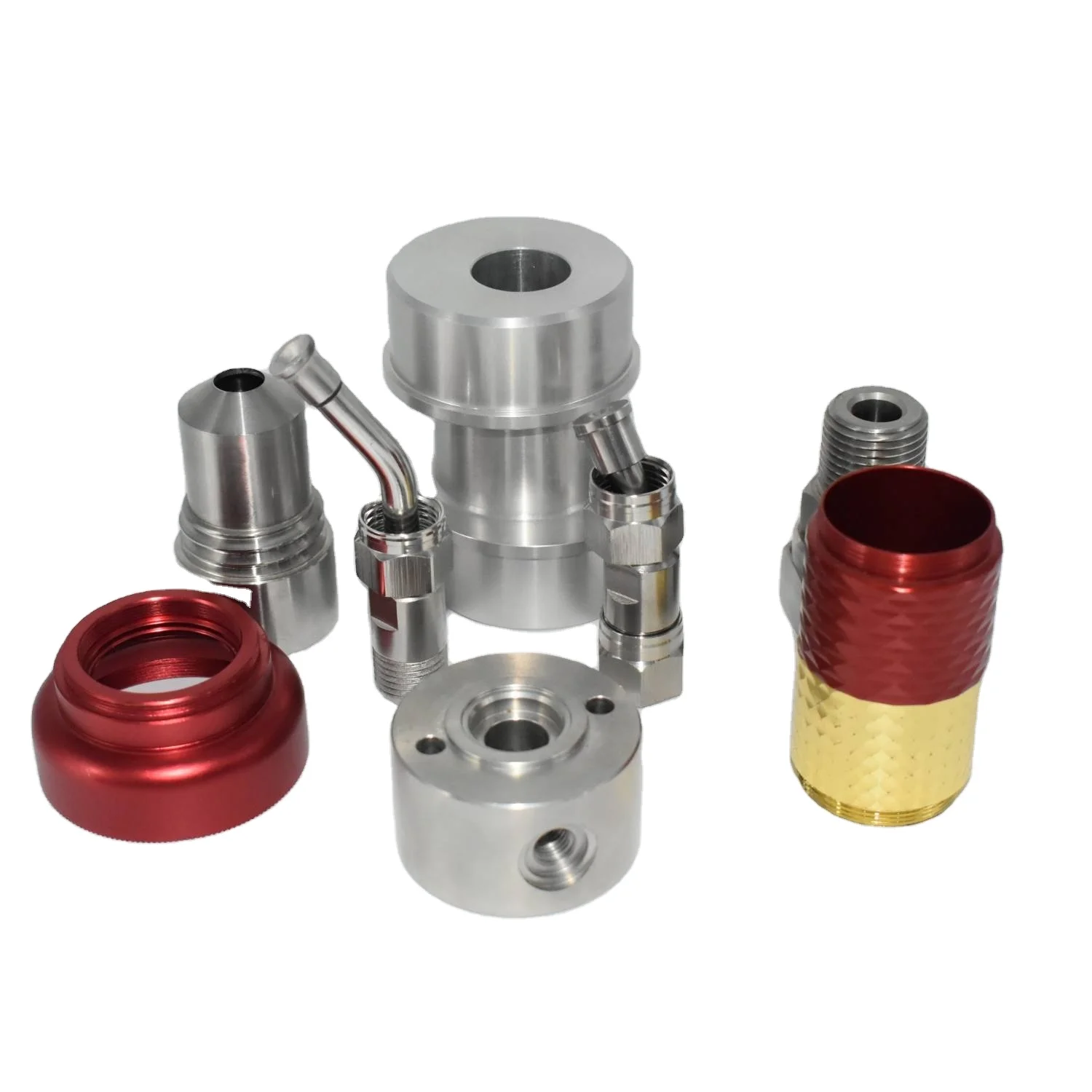
Identify the interfaces requiring a finished operation and the condition accepted for areas remaining as cast. Spray painting is the named treatment. Define coverage, masking and appearance boundaries, including contact or locating surfaces that need a particular final condition.
Set the approval requirements for the order
Identify any inspection or sample approval required for the selected part and the records needed for that decision. The quotation brief should connect the actual casting route, grade and delivered geometry to those acceptance requirements. Use the same drawing and supplied-condition references for subsequent production so the finished component can be checked consistently.