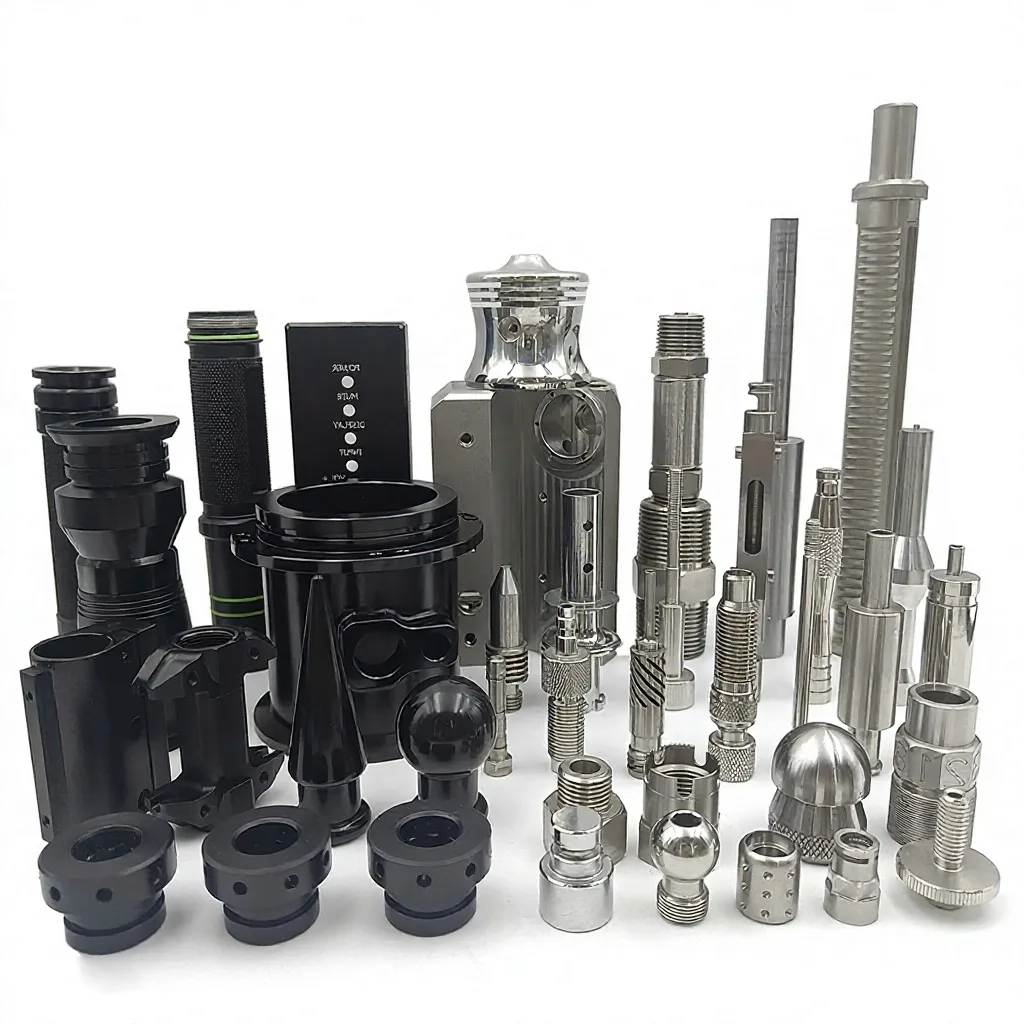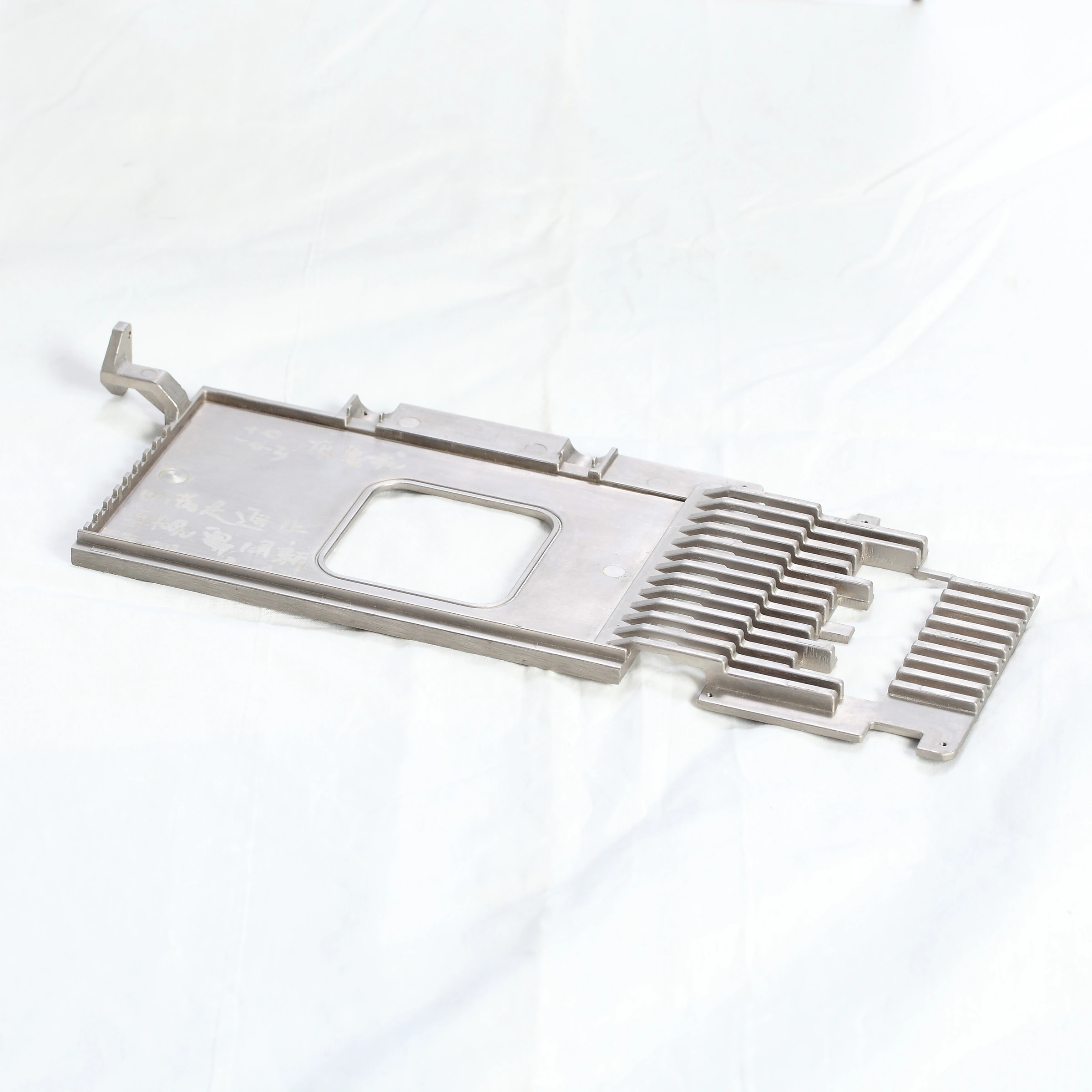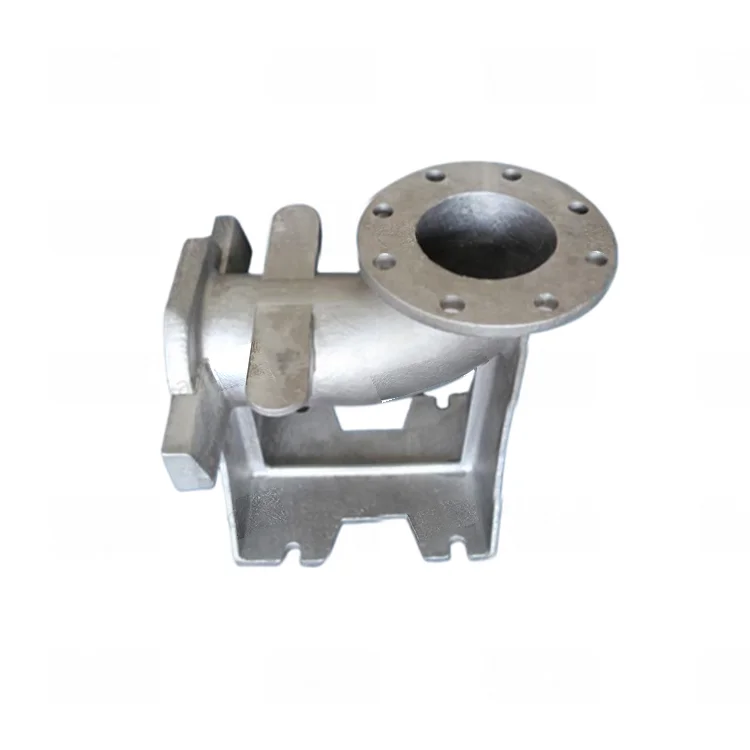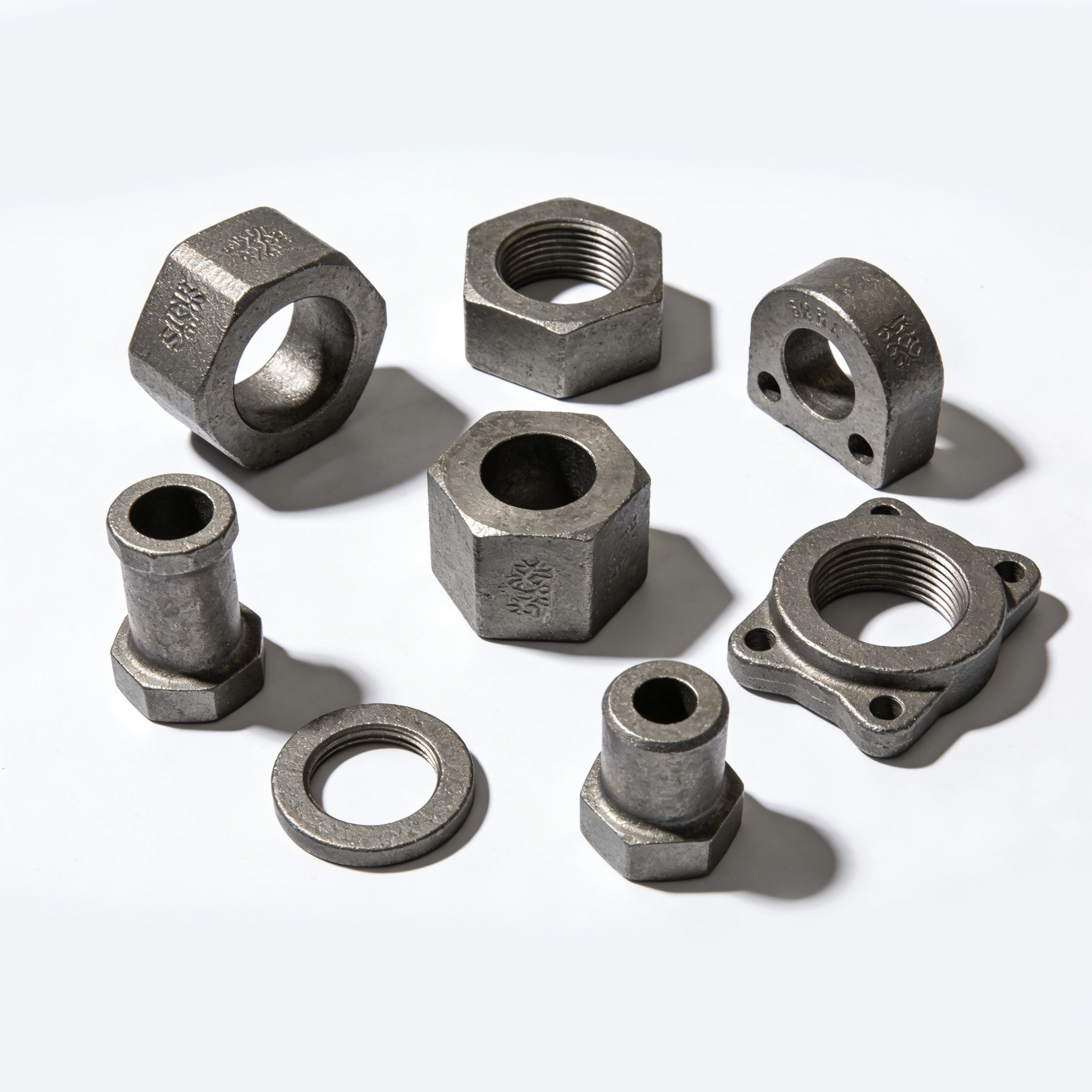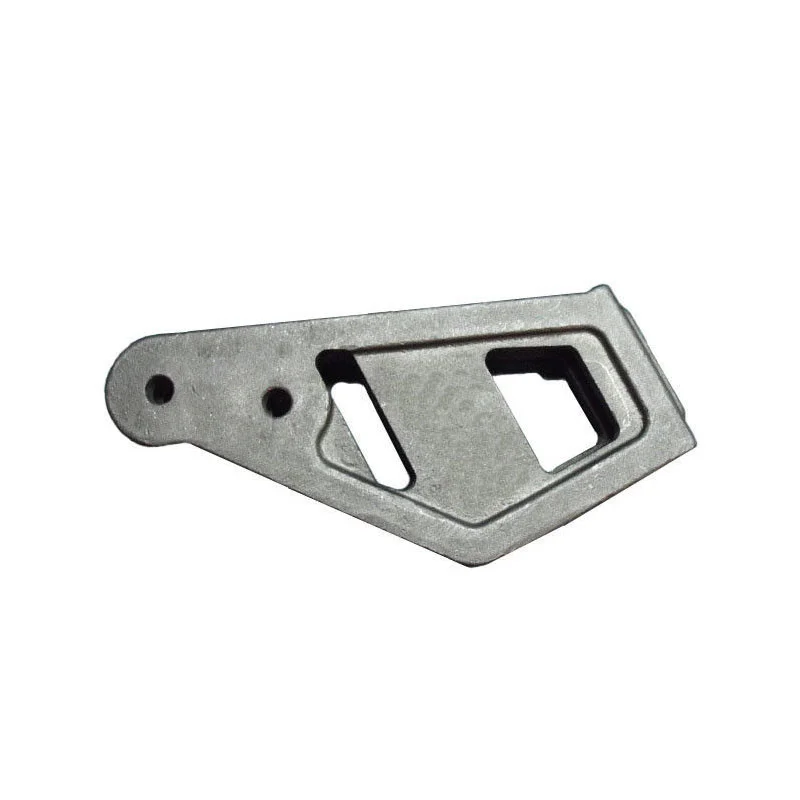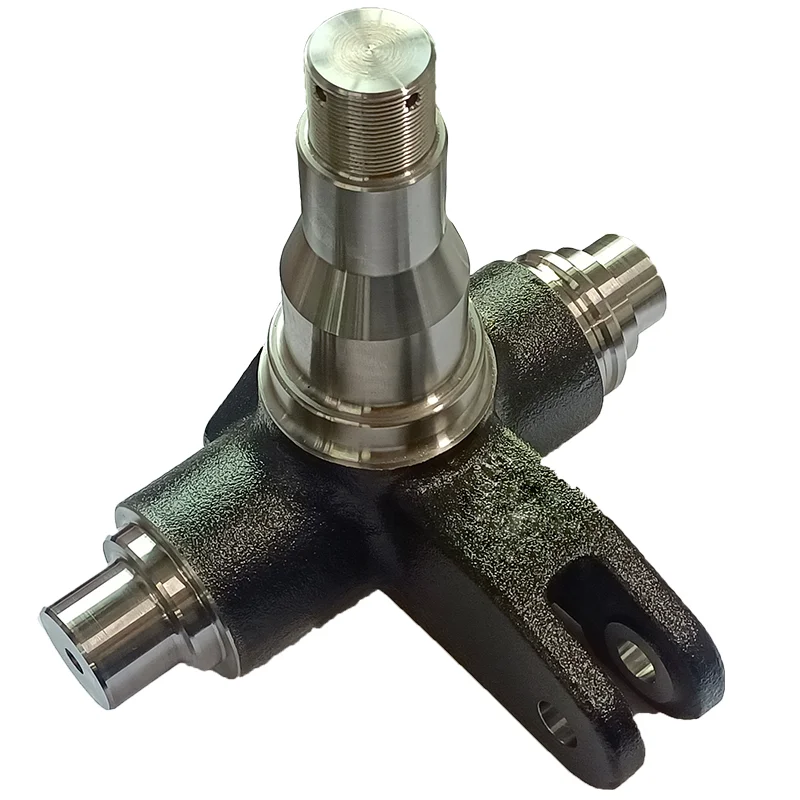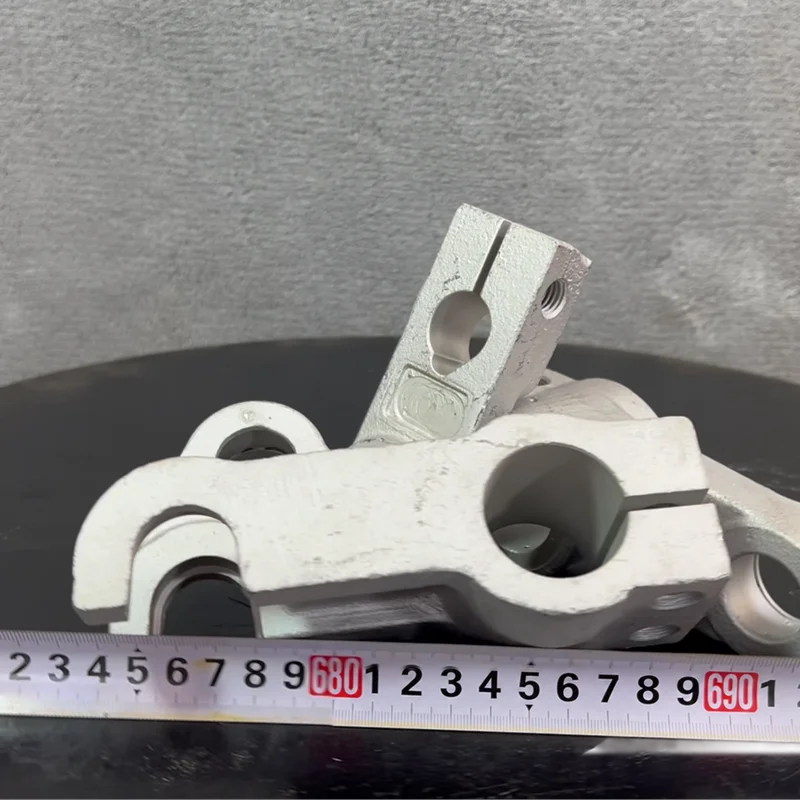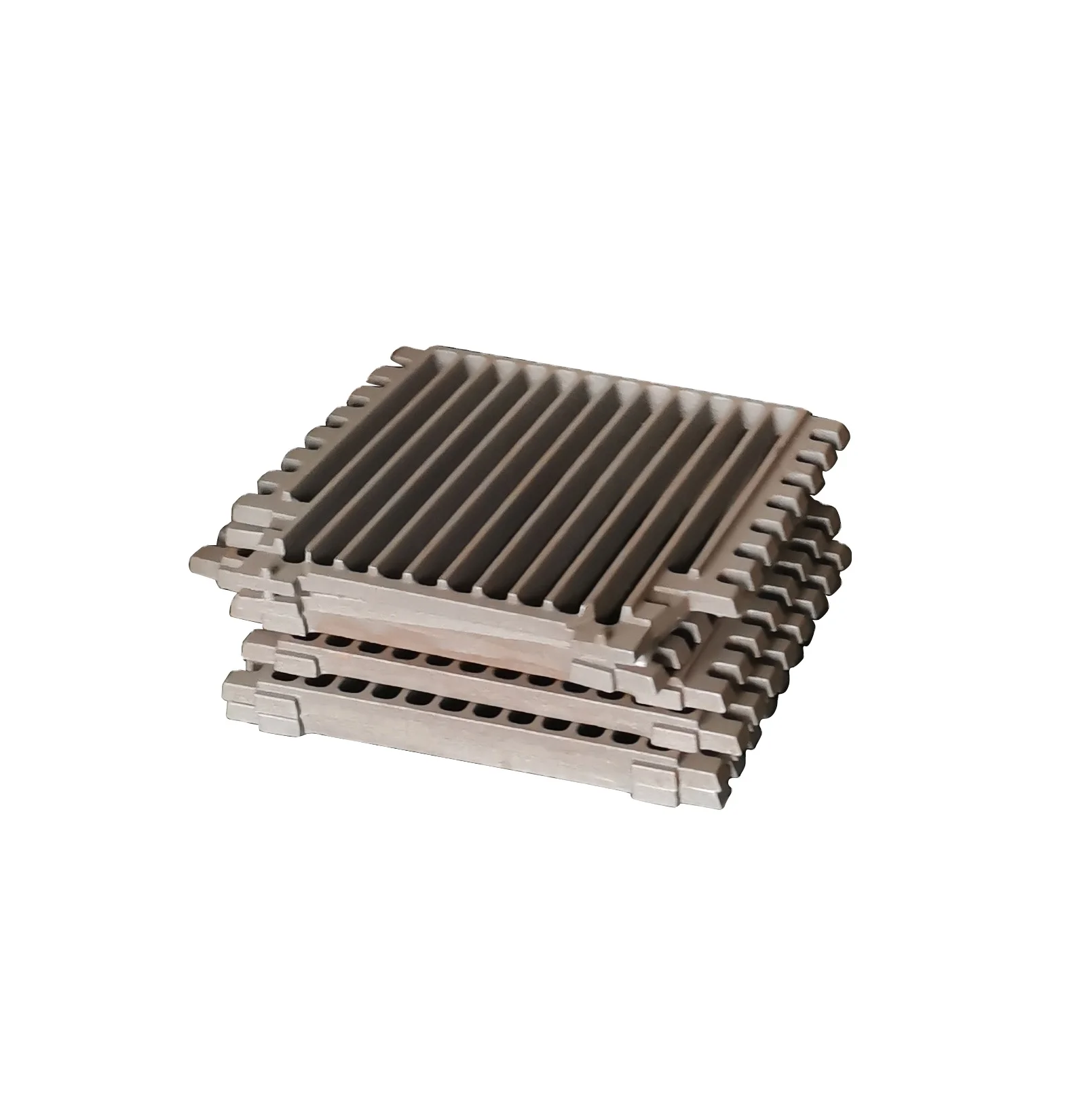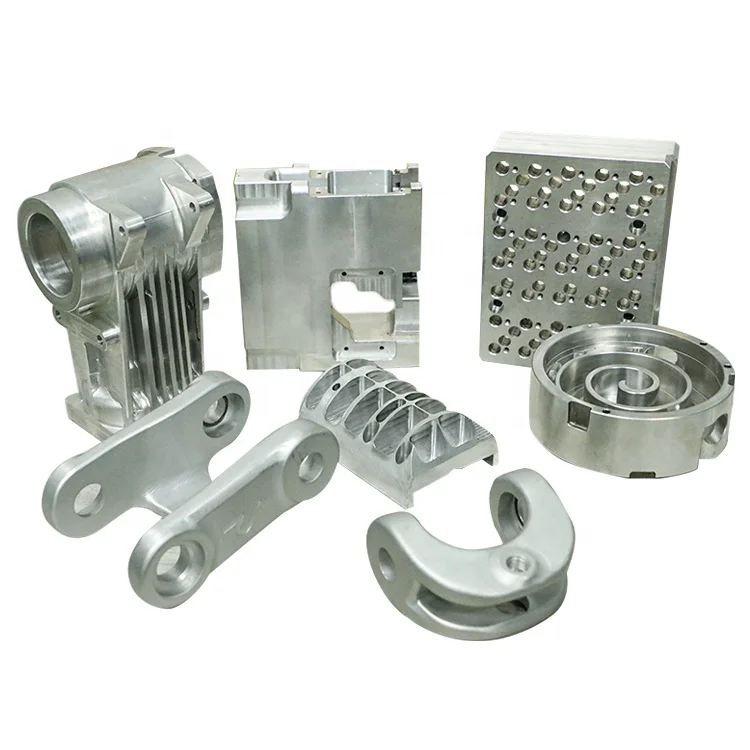
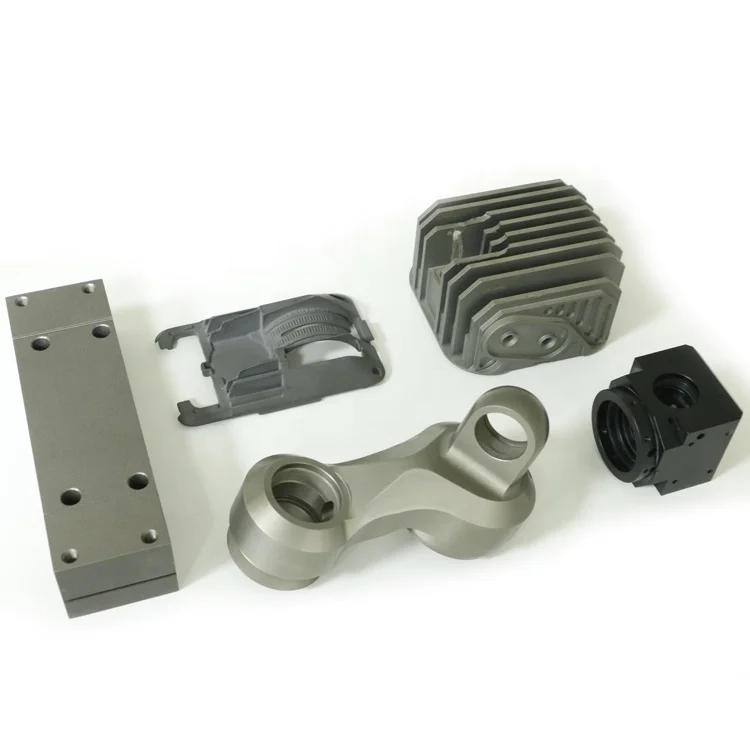
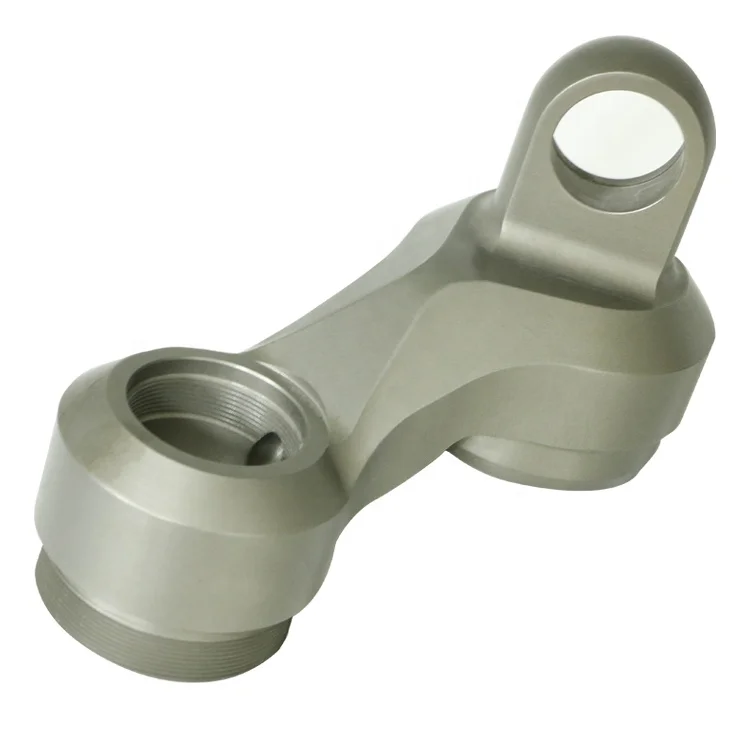
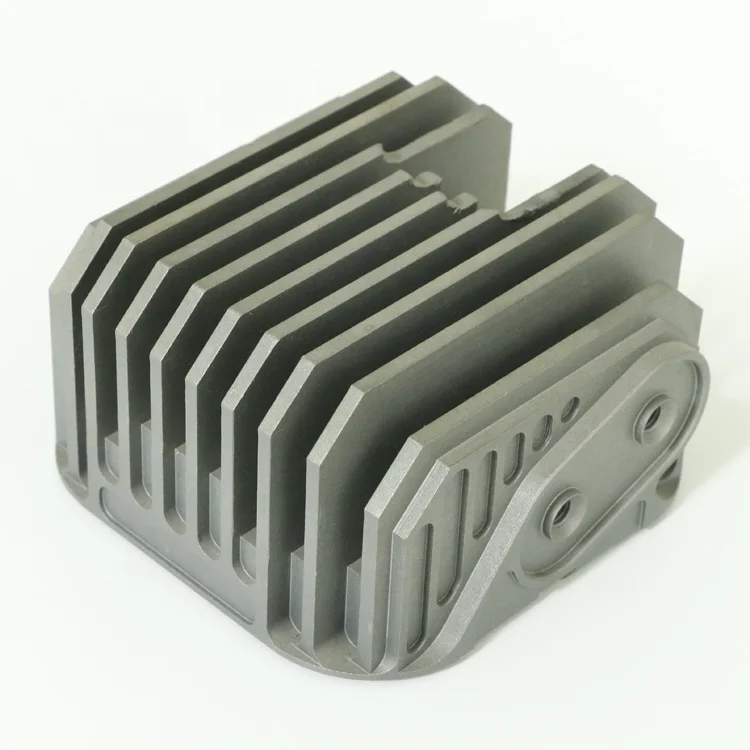
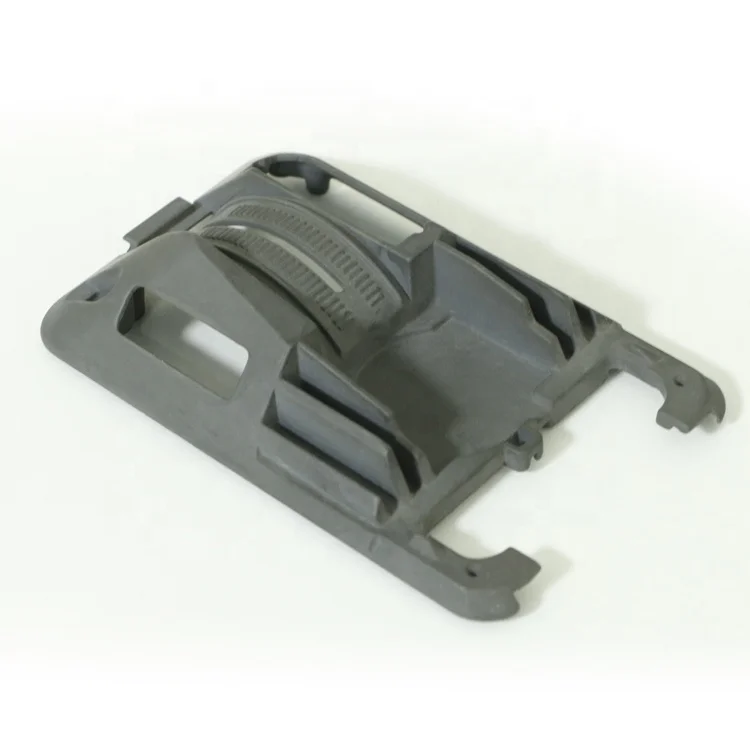
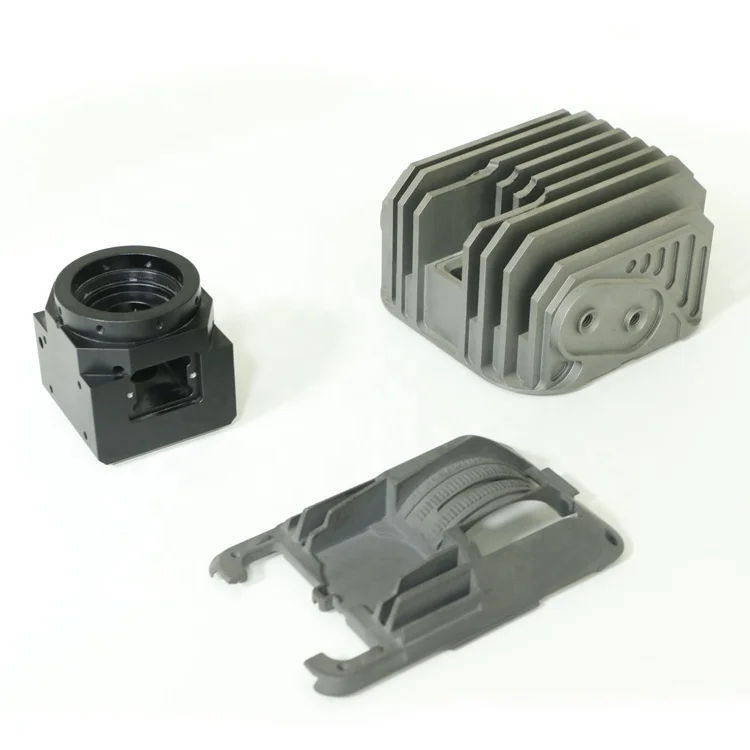
OEM ODM Aluminum Sand Die Cast Industrial Parts and Separate Stainless Steel Zinc Components with Shot Blasting Polishing
Direct factory support
Get a quote that fits your project
Send your drawing or product reference, material grade and required quantity. Relia will review the requirements with you.
- Drawing & specification review
Confirm the supply scope and critical requirements.
- Samples before custom production
Review inspected samples before approving a batch.
- Inspection documents
Agree material and dimensional records for your part.
-
MaterialAluminum,stainless steel,Zinc,etc.
-
ApplicationIndustrySurface treatmentShot Blasting, Polishing
-
Product nameDie Casting PartsProcessCasting +Machining(if Need)+surface Treatment
-
ServiceOEM\ODMCertificationIATF 16949
-
StandardDINToleranceCustomer's Drawing Request
-
Drawing format2D/(PDF/CAD)3D(IGES/STEP)
Industrial aluminum components can be requested through selected sand- or die-casting routes with OEM/ODM supply. Stainless-steel or zinc parts are specified independently. Select the actual item and complete grade, with the drawing defining its geometry and required supplied condition.
Show the component’s industrial fit
Identify the mounting, locating and mating relationships with surrounding equipment. Establish the complete applicable DIN specification and requirements for the chosen part. Tolerances follow the customer drawing, including limits and references governing installation or operation.
Define any optional machining
Mark the interfaces requiring further work after casting. Distinguish them from regions accepted in the cast state and specify the required final result. Agree measurement conditions where several component relationships must be assessed together at approval.
Choose shot-blasted or polished coverage
Identify faces receiving each selected finishing operation and the appearance or contact condition required. Define treated areas and any masking at functional interfaces. Keep the surface requirements attached to the actual substrate and the state in which the component is supplied.
- Provide 2D PDF/CAD or 3D IGES/STEP drawing data for the industrial item.
- State its quantity and controlling component revision.
- Specify inspection checks and acceptance records for the selected geometry.
- Request applicable IATF16949 documents and activity scope.
Retain approved grade and finishing decisions with the material and dimensional approval brief used for repeat industrial machinery components.